Can Check Engine Light Come on for Low Oil? What Actually Triggers It
The check engine light can come on because of low or dirty oil. This happens when bad oil affects the engine’s valve timing system. The engine control unit then detects a problem and turns on the warning light.
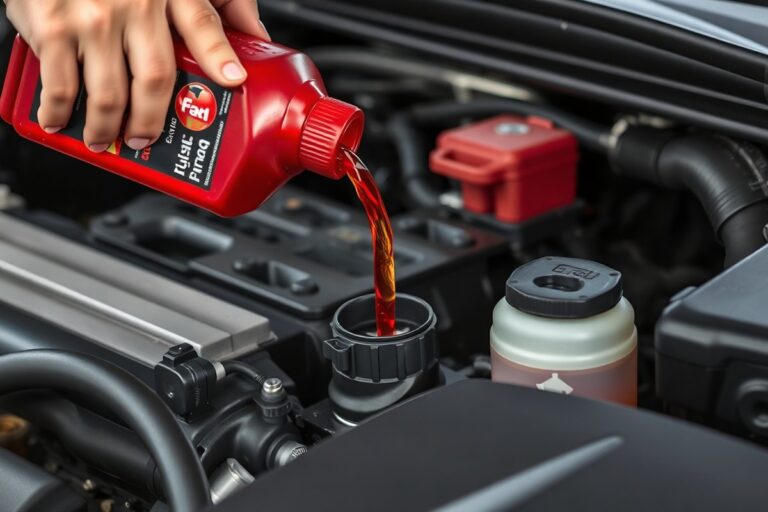
Wait five minutes for the engine to cool before checking the oil level. Use the dipstick to see how much oil you have. The light might stay on even after adding oil, which can mean serious engine trouble or sensor issues.
Cars from 2005 to 2025 often use oil for valve timing. Low or dirty oil in these cars can trigger the check engine light. Older cars usually only show the oil pressure light for low oil, not the check engine light.
Key Takeaways
- Always check oil level first if the check engine light comes on unexpectedly.
- Let the engine cool 5 minutes before using the dipstick for an accurate reading.
- Low or dirty oil can trigger VVT-related trouble codes like P0011, causing the light.
- Don’t rely solely on the check engine light to warn about low oil levels.
- Keep the check engine light on after fixing the oil? Have a mechanic run a diagnostic scan.
- Older cars usually show oil pressure light, not check engine light, for low oil.
Can Low Oil Cause the Check Engine Light to Come On?
Low engine oil doesn’t directly trigger the check engine light in most cars. The light comes on because low oil harms engine parts. The engine control unit then spots these problems.
That’s why the light triggers. The check engine light shows engine trouble from low oil.
It does not directly warn about low oil levels. It signals related issues instead.
Low or dirty oil can stop the variable valve timing system. This system controls valve movement. It helps the engine run better.
Poor oil flow breaks variable valve timing. The engine control unit finds camshaft timing errors.
This causes codes like P0011 and turns on the light. These codes turn on the check engine light, signaling a problem linked to low oil.
The check engine light signals many different problems. It does not reliably warn you about low oil. You need to check oil another way.
You should check your oil level using a dipstick regularly, rather than waiting for any light. Low oil causes engine stress that may eventually trigger the light. So keeping oil at the right level helps prevent trouble before lights come on.
How Low Oil Interferes with Engine Systems to Trigger Warnings

Low oil or dirty oil can disrupt engine systems, especially variable valve timing (VVT). The engine control unit (ECU) detects these problems as faults and triggers the check engine light. This happens because oil keeps some mechanical parts moving smoothly and controls timing components.
Oil-Dependent Engine Systems at Risk
Variable valve timing uses oil pressure to adjust valve operation for better efficiency and power. Without enough clean oil, these timing changes become erratic or fail entirely. The ECU sees this as a timing fault.
It sets a trouble code. This code lights the check engine light.
Other parts like hydraulic lifters and camshaft phasers also rely on steady oil flow. Oil pressure dropping or dirty oil can cause parts to stick.
These parts also wear faster because of this. This causes engine roughness or misfires that the ECU recognizes as engine faults.
Effect of Low Oil on Variable Valve Timing
Low oil reduces the pressure needed to push on the VVT actuator. The actuator controls when valves open and close based on driving needs. With low pressure, the system can’t adjust timing properly, which reduces engine performance and increases emissions.
The ECU monitors sensors tied to VVT and flags problems when timing drifts outside specs. Codes like P0010 to P0020 show up. They often point to VVT problems.
These issues usually come from oil trouble. Cleaning or adding the right amount of oil can often fix this.
Common Fault Codes Related to Oil Issues
Engine fault code P0520 relates to oil pressure sensor signals. It shows low or changing oil pressure. Codes in the P0010 to P0020 range point to problems with the VVT system’s oil control.
Low oil can cause misfire codes like P0300. This happens due to mechanical damage or poor valve timing.
Getting a diagnostic scan is important because the check engine light covers many problems. The scan pinpoints if oil-related codes are present, helping you avoid misdiagnosis and unnecessary repairs. It usually costs $50, $100 at a shop or free at many auto parts stores.
Oil Quality and Its Impact on Engine Electronics
Dirty oil clogs passageways that deliver oil to critical components. This reduces pressure and can cause VVT solenoids and cam phasers to jam or fail. The ECU senses these malfunctions and triggers warnings to protect the engine.
Change your oil every 3,000 to 7,500 miles based on your vehicle and oil type. Always pick the oil grade suggested by your car’s maker to match thickness. Missing oil changes can cause engine problems and speed up wear on parts.
Why the ECU Warns You and What to Watch For
The engine control unit looks at many signals from oil sensors and timing parts. The check engine light comes on for timing problems.
It also lights up for misfires or low oil pressure. Your driving experience might worsen with rough idling, less power, or strange noises.
Ignoring these warnings can lead to bigger engine damage costing thousands to fix. Correct oil levels and quality keep these parts lubricated and sensors reading right. That means smoother driving and fewer surprise repairs.
Never ignore a check engine light related to oil. Check your oil level and quality immediately to prevent costly damage.
Understanding Oil-Related Warning Lights and Their Differences
The check engine light, oil pressure light, and oil level warning light mean different things. The check engine light shows many engine problems. The oil pressure light points to oil system issues.
The oil level light also focuses on oil problems. Knowing which light you see helps you act quickly and avoid engine damage.
Check Engine Light Purpose
This light monitors the engine’s emissions and other systems using sensors. It can turn on for problems like faulty oxygen sensors, misfires, or poor oil quality. It does not usually come on just because your oil level is low.
The check engine light warns you if the engine runs poorly. It also alerts if pollution controls stop working. This helps you fix problems early.
You should scan the vehicle’s computer codes to know the exact issue. Ignoring this light can let small problems turn worse and cost more to fix.
Oil Pressure Light Functionality
The oil pressure light tells you if the engine’s oil pressure falls below a safe level. Low oil pressure can happen with too little oil. It can also occur if the oil pump fails.
Both issues need fast attention. This light needs your immediate attention because low oil pressure can cause severe engine damage.
Dropping oil pressure reduces the oil flow that lubricates engine parts. When it lights up, stop driving and check the oil level right away. Adding oil or fixing leaks may be necessary before restarting the engine.
Oil Level Warning Light Explained
Some cars have an oil level warning light. It comes on if oil falls below the minimum. This lets you check oil soon.
This is different from the pressure light and the check engine light. The oil level light lets you top off the oil before pressure drops or damage occurs.
Your car may have this oil level light. When it turns on, check the dipstick right away. Don’t delay checking the oil.
Often, the fix is a quick oil top-up that costs under $10. Don’t ignore the light; low oil level can lead to engine wear and breakdowns.
These lights serve different roles in protecting your engine and guiding maintenance. The table below details what each light means and how to respond.
| Warning Light | What It Indicates | When to Act | Typical Fix |
|---|---|---|---|
| Check Engine Light | Engine or emissions system issues, including oil quality | Scan engine codes soon; don’t drive long with it on | Repair depends on code; can involve sensors, spark plugs |
| Oil Pressure Light | Oil pressure too low, risking engine lubrication failure | Stop immediately; check oil level; call mechanic if needed | Add oil or repair oil pump/leaks; urgent fix needed |
| Oil Level Warning Light | Oil level below safe threshold, before pressure drops | Check oil level immediately; top off oil to safe level | Add correct oil; typically quick and inexpensive fix |
You can’t rely on the check engine light alone to warn about low oil. Oil pressure and level lights provide faster alerts of serious oil-related problems. Checking your oil level yourself is a smart way to avoid dashboard surprises.
Recognizing Symptoms of Low Oil Before the Check Engine Light Comes On
Before the check engine light comes on, your car may show clear signs of low oil. You might hear unusual engine noises like ticking or knocking. These sounds happen because low oil can’t properly lubricate engine parts, causing friction and wear.
Overheating is another common sign of low oil. This happens as thicker, dirty, or insufficient oil can’t cool and protect engine components effectively. You might see the temperature gauge rise above normal levels.
Smoke could come from under the hood. These signs mean your engine might be overheating.
Low oil can also make your engine misfire or run roughly. Insufficient lubrication affects the fuel combustion process. This results in uneven engine performance or a rough idle.
- Ticking or knocking noises from the engine
- Unusually high engine temperature on the gauge
- Smoke or burning smell from the engine area
- Rough idling or engine misfires
- Dark, thick, or dirty oil on the dipstick
- Oil smell inside the car or engine bay
- Decreased engine power or sluggish acceleration
Checking your oil level and condition is simple and quick. First, park your car on a flat surface and let the engine cool.
Pull out the dipstick, wipe it clean, reinsert it fully, then remove it again. Look at the oil level between the high and low marks.
Also check the oil color and texture on the dipstick. Clean oil is amber and smooth, while dark or gritty oil can signal problems.
This check costs nothing and takes only a few minutes. But it prevents costly repairs by catching issues early.
Notice unusual sounds or overheating? Check your oil right away. Don’t ignore any performance changes either.
Ignoring these signs can cause serious engine damage. The check engine light might turn on.
Act quickly to avoid bigger problems. Regular oil monitoring helps you avoid surprises on the road.
How to Diagnose Check Engine Light Codes Related to Oil Issues
Diagnostic trouble codes like P0521 and P0011 often mean problems. They usually involve oil pressure or variable valve timing. These problems often tie to low or dirty oil.
You can use an OBD-II scanner to read these fault codes from your vehicle. Some codes mean serious engine damage might be happening.
You should stop driving if you see these codes. Getting professional help soon is best.
Scanning for Oil-Related Trouble Codes
Start by connecting an OBD-II scanner to your car’s port under the dashboard. This tool pulls the trouble codes stored by your car’s computer when it detects problems. Follow these steps to scan for oil-related codes:
- Turn your ignition to the “on” position without starting the engine.
- Plug the OBD-II scanner into the diagnostic port, usually located near the steering column.
- Power on the scanner and follow the prompts to scan for codes.
- Write down or save all codes that appear on the display.
- Turn off the ignition and unplug the scanner.
Regularly scanning your car after the check engine light comes on can catch oil problems early.
Interpreting Common Oil and VVT Codes
Codes like P0521 mean low oil pressure sensed by the engine computer. Codes P0010 to P0013 usually relate to variable valve timing. Low or dirty oil can cause these codes to appear.
The system doesn’t work right when oil gets bad. Poor oil flow can cause cams to time incorrectly, triggering these codes.
P0011 relates to camshaft position actuator circuit range. It’s often caused by thick or dirty oil. This oil blocks variable valve timing from working.
P0300 means engine misfire, which can happen if oil quality is poor. Understanding these codes helps you spot oil-related issues before they cause bigger engine damage.
Deciding When to Seek Professional Help
Call a mechanic if your check engine light stays on. Fixing oil levels might not solve the problem.
Codes like P0521 need professional attention. Low oil pressure plus a check engine light often indicate serious engine problems.
Don’t ignore these warnings. Continuing to drive might cause severe damage, such as worn bearings or camshaft failure. A professional can perform more detailed tests and repairs to avoid costly fixes later.
Immediate Actions to Take If Check Engine and Oil Lights Come On
Stop driving immediately if both the check engine light and low oil light come on together. Running the engine with low oil can cause serious damage quickly. Pull over to a safe spot and turn off the engine right away.
Use the dipstick under the hood to check your oil level. Park the car on flat ground with the engine off or cooled for five minutes.
Pull out the dipstick, wipe it clean, then push it back in all the way. Take the dipstick out again and check the oil level next to the marks.
Add oil slowly when the level falls below the minimum mark. Use the oil type that your owner’s manual recommends. Pour in a small amount of oil, usually less than one quart.
Wait a few minutes to let the oil settle. Check the dipstick again to see if the level is right. Don’t overfill, as this can cause other issues.
- Stop driving right away if both lights are on
- Check oil level using the dipstick on flat ground
- Add oil slowly if below the minimum mark
- Wait 5 minutes after adding oil before rechecking
- Use the oil grade recommended in your owner’s manual
- Lights that stay on after adding oil mean you need a professional. Visit a mechanic to diagnose the issue.
- A flashing check engine light means serious trouble. Call a tow service to avoid damage to your car.
After adding oil, the lights might turn off once the system resets. Stay nearby and monitor the dashboard.
A check engine light on or flashing can mean issues beyond low oil. You might need a full diagnostic check from a shop.
A flashing check engine light means a serious issue, such as engine misfire. In that case, avoid driving and call for professional towing.
Both oil and engine warning lights staying on after topping off mean trouble. Book a mechanic appointment quickly to avoid bigger problems.
Some repairs can cost from $100 to $500. But ignoring early warnings may lead to thousands in engine damage. Check your oil regularly to avoid costly repairs later on.
Topping off oil helps your car run safely for longer. Act early to keep your engine healthy.
Common Myths About Low Oil and the Check Engine Light Debunked
Low oil doesn’t always trigger your check engine light. Your car usually has a separate oil warning light. It comes on first when oil is low.
The check engine light shows many problems. These include issues with emissions or sensors.
You might think the check engine light always means serious engine damage. That isn’t true. Sometimes, it’s a minor issue like a loose gas cap.
A loose gas cap can cause a fuel vapor leak. This triggers the check engine light. Simply tightening the cap might fix it.
It’s important to check your oil level when the light comes on. Add the oil type your manual says if oil is low. Usually one quart or less.
This takes just a few minutes and costs around $10 for oil. Don’t ignore low oil because it can harm your engine and cause bigger repairs later on.
A check engine light doesn’t guarantee engine damage either. Many times, it’s an early warning to help you avoid damage. Using a diagnostic code scanner can tell you exactly what’s wrong.
You can buy a scanner for $30 to $50. Or go to an auto shop to read codes.
When the light comes on, check simple fixes first. Try tightening the gas cap or adding oil.
Call a mechanic if problems don’t go away. This saves money and prevents engine damage from running low on oil or ignoring other issues.
Risks of Driving with Low Oil and Check Engine Light On
Low engine oil causes friction that wears down metal parts fast. This friction heats the engine, leading to overheating problems. Over time, this can cause serious damage like warped cylinders or a seized engine.
Driving with low oil makes damage worse because moving parts rub harder. Heat builds up quick. It can ruin the valve timing system.
This may cause the engine control unit to turn on the check engine light. Ignoring this warning lets stress and heat destroy engine parts.
When delayed oil top-up happens, repairs get costly. Fixing engine knocks can need piston or bearing replacement.
This often costs hundreds or thousands of dollars. Engines with poor oil levels also lose power and may stall, affecting how the vehicle drives.
Long-term use of low oil leads to permanent engine wear and poor fuel economy. The engine loses efficiency, and you’ll face frequent breakdowns. This damage is avoidable by checking oil levels regularly and topping off as needed.
Check oil level monthly. Change oil on schedule to avoid engine damage and costly repairs.
Preventing Check Engine Light Issues by Maintaining Proper Oil Levels
Check your oil level at least once a month or every 1,000 miles. Change your oil as recommended in your car’s manual, usually every 3,000 to 7,500 miles. Use the right oil type, like synthetic or conventional, depending on what your manufacturer advises.
Doing these tasks stops oil from getting too thin or dirty. Dirty oil can cause engine trouble. Keeping up with oil care helps avoid engine problems.
Old or low oil can trigger your check engine light and lead to costly repairs. Staying on top of your oil means your engine runs smoother and avoids warning lights.
- Check oil when the engine is cold for an accurate reading
- Use a clean rag to wipe the dipstick before rechecking
- Top off with recommended oil type if level is low
- Schedule oil changes according to your vehicle manual
- Look for oil leaks under your car regularly
- Avoid overfilling oil tank, which can cause engine issues
- Keep reminders in your phone or car maintenance app
Proper oil also depends on habits beyond changing and checking. Avoid harsh driving like rapid acceleration or heavy towing, as these can degrade oil faster. Keep your engine clean.
Replace the oil filter when you change the oil. This helps your engine run better.
Oil changes typically cost between $30 and $70, varying by vehicle and oil type. This small price helps you dodge big engine problems. Your car’s manual gives the exact oil change intervals.
It also lists the right oil types for your model. Always check your manual first.
Step-by-Step Action Plan for Low Oil and Check Engine Light Issues
Follow these clear steps to check your oil and address the warning lights safely. Each step helps you spot the problem and fix it quickly.
- Before you start: Park on level ground with the engine cool. This gives you the best reading on the dipstick.
- Day 1: Check your oil level using the dipstick. Add oil if it’s below the minimum mark and watch if the light turns off.
- Day 1 continued: Look for visible oil leaks or spills under your car. Fix leaks promptly or get help to avoid engine damage.
- Day 2: If the check engine light stays on, use an OBD-II scanner to read codes. Write down any oil-related trouble codes.
- Day 3: Look up the codes you found or ask a mechanic. This helps you learn what repairs or checks your car might need.
- Week 1: Change old or dirty oil at once. Also, swap out the oil filter if the oil looks black or gritty. Check if this resolves the warning light.
- Ongoing: Check your oil level and quality every 1,000 miles. Follow what your vehicle manual suggests for oil checks. This prevents future warning lights.
Frequently Asked Questions
Can a Low Oil Pressure Sensor Trigger the Check Engine Light?
Yes, a faulty low oil pressure sensor can make the check engine light come on. It sends wrong signals to the engine control unit.
The unit sees this as a problem. It thinks you need to take action right away.
Is It Normal for the Check Engine Light to Stay on After Fixing Low Oil?
Sometimes the light stays until you reset the error codes. You can use an OBD-II scanner to do that.
Or disconnect the battery for a few minutes. Both clear the codes from the system.
Can Old or Dirty Oil Cause the Check Engine Light to Come On?
Yes, old or dirty oil can reduce engine performance and make sensors trigger the light. Changing oil regularly keeps sensors happy and your engine running well.
Does the Check Engine Light Come on Immediately When Oil Is Low?
Not usually, the light comes on after low oil causes engine issues like misfires. Check your oil with a dipstick often instead of waiting for a warning.
Can a Check Engine Light Indicate an Oil Leak?
Indirectly, yes. An oil leak lowers the oil levels in your engine. This causes low oil pressure too.
That can make the check engine light come on. Look for oil spots and leaks under the car for clues.
The Bottom Line
Low oil can trigger your check engine light to turn on. Checking oil often helps you avoid expensive engine damage. Start by looking at your oil level now to protect your engine.