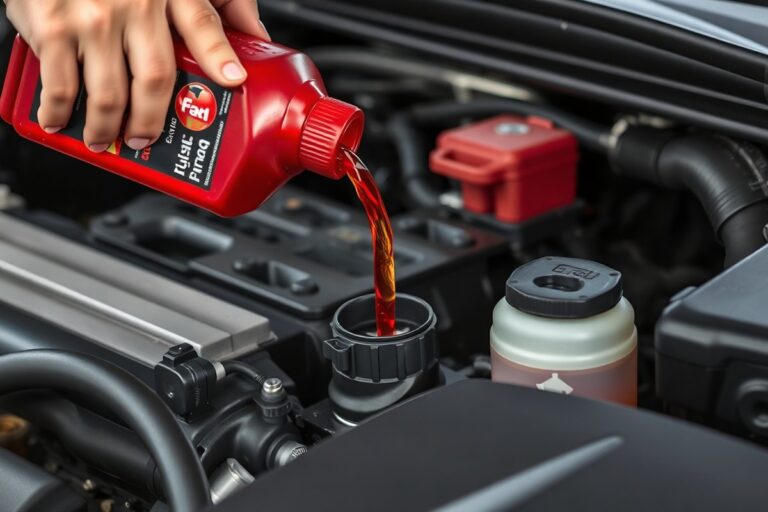
Can Car Battery Die When Driving? What Actually Happens and How to Prevent It
Can car battery die when driving? Yes, it can happen but it’s rare.
The battery usually stays charged by the alternator while you drive. Problems pop up when the alternator fails or the battery is already weak.
When your battery dies on the road, your car can stall. The battery won’t power important systems anymore. This can cause your car to stop working suddenly.
That’s why it’s smart to check your battery and alternator regularly. Catching a weak battery early saves you from sudden breakdowns.
Watch for warning signs like dim lights or a battery warning light on your dashboard. Pull over safely if your car starts sputtering or loses power. These clues help you act before it gets worse.
Key Takeaways
- Test your battery and alternator every 6 to 12 months to catch issues early.
- Replace your car battery every 3 to 5 years to avoid unexpected failures.
- Pay attention to dimming lights or dashboard warnings as signs of battery trouble.
- Keep driving times over 30 minutes regularly to help recharge your battery fully.
- A dying battery lets your car run on backup power. It only lasts about 15 to 30 minutes. After that, your car will lose power completely.
- Pull over safely and turn off non-essential electronics if your battery dies while driving.
Can a Car Battery Die While Driving?
A car battery can die while driving, but this is rare. The battery’s main job is starting your engine. After that, the alternator powers the car and recharges the battery.
The battery may lose power during driving if the alternator fails. A problem with the charging system can also cause this.
For example, a broken alternator belt can stop charging instantly. This will cause the battery to drain until the engine eventually stalls.
Sometimes the battery itself is weak or old. In that case, the alternator may keep the car running for a while.
But the battery won’t hold a charge. The car might still drive normally for some time before the engine loses power.
A faulty ignition switch might cause the battery to die. Bad sensors can do the same. These issues can stop your battery while on the road.
When this happens, you may notice dim headlights or sluggish power windows. The engine might even stumble briefly at stoplights.
Losing battery power suddenly while driving means you should focus on safely pulling off the road. The engine may continue running on the alternator briefly.
But once the battery drains completely, the car will stall. That’s why it’s important to keep an eye on battery warning lights.
How the Alternator and Battery Work Together to Power Your Car
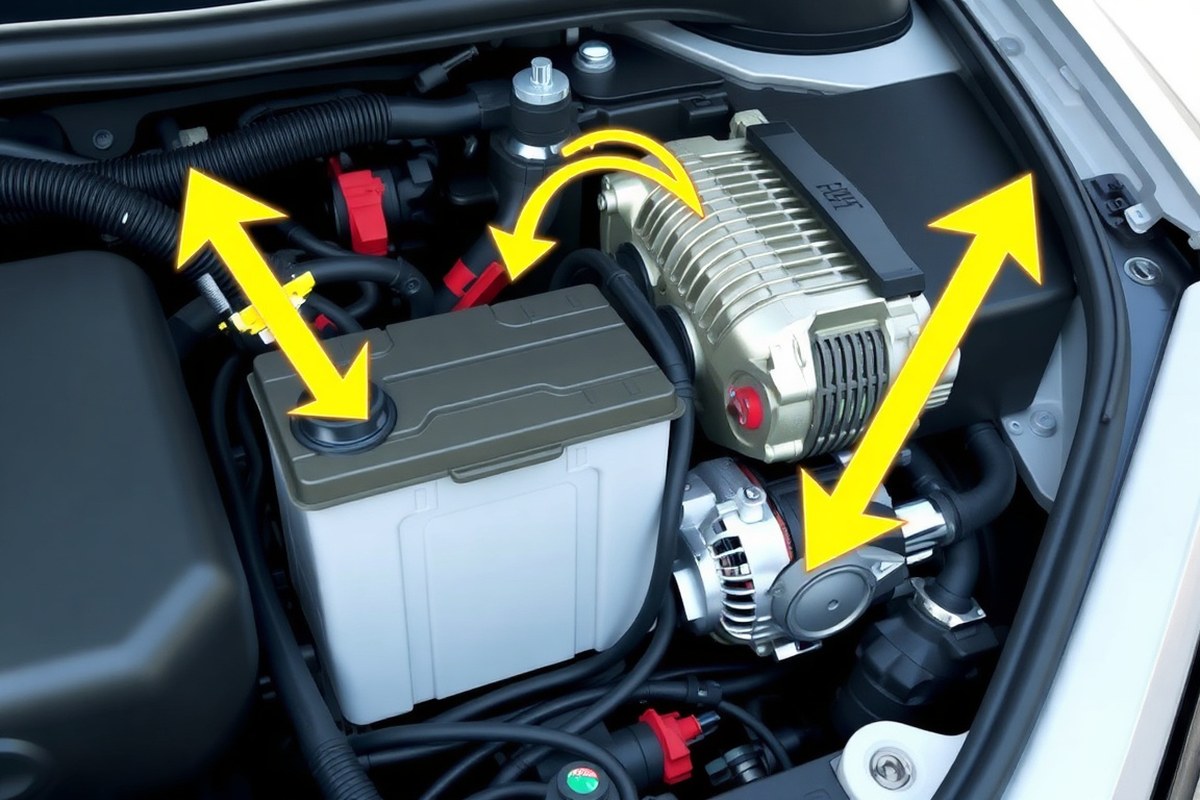
The alternator keeps your car running by charging the battery while the engine runs. It supplies power to electrical systems and prevents the battery from draining. The battery starts the engine but the alternator supports power needs during driving.
The Role of the Car Battery at Startup
The car battery provides the initial electrical energy to start the engine. It powers the starter motor and ignition system before the engine turns on. After this, the battery mainly supports accessories when the engine is off.
Once the engine is running, the battery’s job switches mostly to being a power reserve. It can handle sudden loads or voltage drops. But it relies on the alternator to stay charged during driving.
What the Alternator Does While Driving
The alternator converts engine power into electrical energy after startup. It keeps the battery charged and powers electrical systems like lights and the radio. The alternator maintains voltage between 13.8 and 14.4 volts under normal conditions.
A working alternator lowers battery wear by giving steady power. It also supplies extra electricity when you use many electrical components. This cooperation keeps the engine running smoothly.
How the Battery and Alternator Work Together
They form a charging system that shares electrical loads. The battery gives power at startup, then the alternator takes charge continuously. This system ensures the engine runs without power interruptions or drain on the battery.
During driving, the alternator supplies power directly to the car’s electrical components. It recharges the battery at the same time. This balance prevents the battery from going flat while you drive.
When a Bad Alternator Causes Battery Drain
A malfunctioning alternator can’t produce enough electricity to charge the battery. This will slowly drain the battery as it powers the electrical system alone. You might see headlights dim or the battery warning light turn on in this case.
A dead alternator causes voltage to fall below 12 volts.6 volts, signaling total charging failure. This can lead to a dead battery and cause the engine to stall while driving. Fixing or replacing the alternator usually costs between $300 and $600.
Step-by-Step Check of Charging System Voltage
Use a multimeter to check voltage at the battery terminals while the engine is running. A reading between 13.8 and 14.4 volts means the alternator and regulator are working correctly. A reading of 12.8 to 13.5 volts suggests weak charging and possible belt or brush wear.
Voltage below 12 volts means the battery won’t charge right.6 volts, the alternator may have a blown diode pack or broken fuse link. In that case, the battery won’t charge, and the car might stall. Regular testing during maintenance helps catch these issues early.
Watch for dim headlights or the battery light alerting trouble. These signs often show before your battery completely dies.
Common Causes of a Car Battery Dying While Driving
A car battery can die while driving for several main technical reasons. One top cause is alternator failure. The alternator recharges the battery while the engine runs.
When it stops working, the battery won’t get power and drains fast. This leads to symptoms like dimming lights or power loss before the car stalls.
Another common reason is battery age. Car batteries usually last 3 to 5 years. Older batteries develop internal faults or dead cells.
These faults can cause sudden power loss even if the alternator is fine. An old battery often shows trouble starting before it fails completely.
Loose or corroded battery connections can also cause failure. Corrosion or a loose clamp interrupts electron flow. The battery and alternator might be good, but power won’t reach the car’s systems.
Check terminals for white or green corrosion build-up. Tighten clamps and clean terminals with a baking soda mix for proper contact.
- Alternator failure: watch for dimming headlights and warning lights on the dashboard
- Old battery: test for voltage below 12.4 volts at rest with a multimeter
- Corroded/loose connections: inspect terminals for rust or looseness, clean and tighten clamps
- Internal battery faults: symptoms include sudden power loss or inability to start
- Wiring issues: damaged wires can cause intermittent power loss and electrical shorts
- Electrical overload: too many devices draining battery faster than alternator can recharge
Internal battery faults happen when cells short-circuit or weaken. This causes sudden drops in power output, which means the car might stall unexpectedly.
Testing a battery with a load tester can identify these faults. When the battery fails, you must replace it to fix the issue.
Wiring problems also cause battery issues. Chafed or broken wires cut off electricity flow. This can result in intermittent electrical failures or complete power loss.
Inspect visible wires regularly for damage or wear. A mechanic can test wires with a voltage meter.
They check for problems. Then, they repair or replace wires as needed.
| Cause | How to Identify | Effect on Vehicle |
|---|---|---|
| Alternator failure | Dimming lights, battery warning light, voltage under 13V while running | Battery drains, car stalls while driving |
| Old battery | Battery voltage below 12.4V at rest, slow engine crank | Starting trouble, sudden power loss |
| Corroded or loose connections | White/green deposits on terminals, loose clamps | Intermittent power loss, car stalls |
| Internal battery faults | Sudden power drop, failure even if alternator is good | Unexpected car shutdown |
| Wiring issues | Damaged wires, sparks or burnt smells | Intermittent or total power failure |
Warning Signs Your Battery May Fail While Driving
The first sign your car battery might fail is the battery warning light. It will appear on your dashboard. This warns you of a possible problem.
This light usually means a problem in the charging system, not the battery itself. You see this light when the battery might not charge enough. That low charge could lead to the car shutting down.
Pay attention to your headlights and other electrical accessories too. When the battery voltage drops, headlights can dim noticeably, especially at night. Your radio, dashboard lights, and climate controls may act strange.
They might lose power, showing something is wrong. This means the problem is with the battery or system, not just a bulb.
Listen carefully for unusual sounds or changes in driving performance. A failing battery or charging system may cause the engine to stall or struggle.
You might also feel your power steering get heavy because it uses electrical power too. Such physical signs suggest your car’s electrical system is close to shutting down.
- Dashboard shows the battery or charging system warning light.
- Headlights dim or flicker, especially on lower beams.
- Multiple warning lights appear together on the dash.
- Power steering feels heavy or less responsive.
- Engine sputters or stalls during normal driving.
- Electrical accessories like radio or climate controls lose power.
- Starting the car becomes harder, with a weak or slow crank.
When driving, check your instruments regularly to spot dim lights or sudden changes. Note if your steering feels off or if the engine hesitates. These signs help you spot a dying battery early.
They give you time to pull over safely. You can also head to a mechanic before getting stranded.
How Long Can Your Car Run If the Battery Starts Dying?
Your car can run for some time if the battery dies but the alternator works. The alternator powers the engine and electronics while driving, taking over from the battery. The battery only helps if the alternator or belt breaks.
This limits how long the car can run on battery power. The battery alone cannot keep the car running long.
Typical Reserve Capacity of a Car Battery
Car batteries usually have a reserve capacity between 30 and 45 minutes. This means the batteries can work without the alternator for that time. It assumes a moderate electrical load during that period.
The power supply lasts only so long. Reserve capacity is checked at 80°F. It measures how long the battery runs until voltage reaches 10. This shows the battery’s power reserve time.5 volts.
Consider a 12-volt, 48 amp-hour battery with a reserve capacity of 40 minutes. Your car will use the battery’s stored charge if the alternator fails. This lets the car keep running a short time.
The battery is the backup power source. Once the voltage drops below 10.5 volts, the car’s systems start shutting down.
Factors Shortening Reserve Runtime
Several things can cut down the time your car runs on battery alone. A weak or old battery loses reserve capacity, sometimes cutting runtime in half. Higher electrical loads, like headlights, infotainment, and climate control, drain the battery faster.
Newer cars with lots of electronics need steady voltage. Without the alternator, the battery drains much faster. Constant power is important for car systems.
Cold temperatures also reduce the battery’s effective capacity, making it supply less power. Driving habits and battery health affect how long it lasts when the alternator stops working.
What Happens as Voltage Drops
As the battery voltage goes under 12 volts, electronics may flicker or fail. When voltage drops below 11 volts, systems can malfunction. Fuel injection and ignition may act up then.
Low voltage causes car problems. At or below 10.5 volts, the engine usually stalls and all accessories shut off.
The decline is not sudden but happens over several minutes. For example, a dying battery might hold around 11.8 volts for 10 minutes, then fall quickly after. When that happens, the car slows and eventually stops running completely.
Watch your dashboard lights closely if the alternator fails. They show signs of dropping voltage first. This helps you catch alternator issues early.
Steps to Take Immediately If Your Battery Dies While Driving
When your car battery dies while driving, safety must come first. Keep calm and look for a safe place to stop. Turn on your emergency flashers to alert other drivers as you slow down.
Try to steer your vehicle to the right shoulder or an empty parking lot. Avoid sudden lane changes or stopping abruptly, which can cause accidents. Once stopped, you need to check the situation without risking your safety or others’.
- Turn on your hazard lights: This warns other drivers that your car has a problem.
- Pull over safely: Move your vehicle off the road. Use the right shoulder or exit if you can.
- Set up warnings: Place roadside flares or reflective triangles behind your car. This helps make your car more visible.
- Check your dashboard: Look for warning lights or messages that indicate a battery or alternator problem.
- Attempt to restart cautiously: If it’s safe, try to start the car again. The battery or alternator may be dead when it fails immediately.
- Call roadside assistance or a professional: Don’t try repairs yourself if you’re unsure. Roadside help can tow you or replace your battery safely.
- Stay inside your vehicle if safe: Keep your seat belt on. Lock the doors while waiting for help. This is important on busy roads.
Call roadside assistance if restarting fails. Also call if your car stalls suddenly. It’s safer than trying more fixes.
A dead battery means you will likely need a new one. Expect to pay about $100 to $200 for replacement. Having professional help avoids risks and potential damage to your vehicle’s electrical system.
On a quiet street with little traffic, you can step out to check the battery briefly. But never do this if traffic is heavy or weather conditions are poor. Safety comes before curiosity in these situations.
How to Prevent Your Car Battery from Dying While Driving
Test your car battery and alternator every 6 to 12 months. Cars older than three years need closer attention. Testing helps catch early problems before they leave you stranded.
Good battery maintenance keeps everything running smooth. Keep terminals clean, tight, and free from corrosion.
Check cables for cracks or damage that can cause poor connections. In winter, protect the battery from extreme cold, which cuts its power and life.
Driving habits affect battery and alternator life too. Short trips don’t recharge the battery fully. Long drives help the alternator restore charge and keep the battery healthy.
- Regularly clean battery terminals using a solution of baking soda and water.
- Secure battery hold-downs to avoid vibrations that loosen connections.
- Avoid leaving lights or electronics on when the engine is off.
- Drive your car at least 20 minutes weekly to maintain battery charge.
- Have a professional test battery voltage and alternator output annually.
- Replace your battery every 3 to 5 years or sooner if tests show weakness.
- During winter, use a battery insulation blanket to reduce cold damage.
Use a multimeter to check battery voltage after the car rests overnight. A good battery shows about 12.6 volts.
When the engine runs, the alternator should push voltage to 13.7 to 14.7 volts. Lower numbers mean weak charging that can kill your battery while driving.
Battery testing costs about $10 to $25 at an auto shop. It takes just 10 to 15 minutes and gives clear results.
If your battery fails tests, replacing it prevents sudden stops on the road. Ignoring signs often leads to extra costs repairing alternators or electrical parts.
How to Diagnose Battery vs Alternator Problems on the Road
You can spot battery or alternator trouble by checking voltage and watching key indicators. Do simple tests like measuring battery volts with the engine off and then running. Notice if the dash lights or headlights change as you drive.
Testing Battery Voltage with Engine Off and Running
A quick voltage check helps find out if the battery or alternator is the issue. Use a multimeter set to DC volts. Measure the battery voltage first with the engine off.
Then start the engine and measure the voltage again. The difference tells you if the alternator charges the battery. Voltage below 12.4 volts with the engine off means a weak battery.
- Turn off the car and wait 10 minutes to let the battery settle.
- Set your multimeter to 20 volts DC.
- Touch the red probe to the positive battery terminal.
- Touch the black probe to the negative battery terminal.
- Write down the voltage reading.
- Start the engine and repeat the reading.
- Compare both readings: above 12.4V off and 13.7V to 14.7V running shows normal charging.
| Condition | Voltage Range | Meaning |
|---|---|---|
| Engine off | 12.6 – 12.8 volts | Battery fully charged |
| Engine off | Below 12.4 volts | Battery is weak or discharging |
| Engine running | 13.7 – 14.7 volts | Alternator charging battery |
| Engine running | Below 13.5 volts | Alternator or voltage regulator issue |
Always use caution when testing voltage; avoid shorting the terminals.
Observing Dashboard Indicator Lights
The battery or alternator problem often shows on the dash. The battery warning light usually looks like a battery icon or says ‘ALT’ or ‘GEN.’ It signals trouble with charging.
This light stays on if the alternator stops charging the battery properly. Flickering or dim dash lights are a bad sign. A warning light means the alternator or voltage regulator may fail soon.
Checking Headlight Brightness Variations
Headlights vary in brightness during alternator or battery problems. Dimming or flickering lights at idle points to a weak alternator or bad battery. Brightness should stay steady when revving the engine.
Try this test: shine headlights at a wall while idling then rev to 2000 RPM. Lights steady or brighter means the alternator is charging. Dim or flickering lights usually mean a bad alternator or battery.
Common Myths About Car Batteries Dying While Driving
Many people think car batteries suddenly die while driving. This causes the engine to stop. But this is a common myth.
In reality, a fully charged battery rarely fails instantly during operation. The battery mainly helps start the car. Once running, the alternator powers the vehicle’s electrical system.
The engine usually stalls because of alternator or fuel system problems. The battery alone rarely causes it.
Another misconception is that using electrical accessories drains the battery only when the engine is off. Accessories like the radio, headlights, and air conditioning do draw power from the battery. But when the engine runs, the alternator recharges the battery continuously.
Sudden power loss in an accessory often means an alternator problem or wiring issue. This explains why accessory use doesn’t typically kill the battery while driving.
Some believe a loose or corroded battery cable can cause sudden battery death. Poor connections can cause voltage drops and charging trouble. These rarely cause the battery to fail instantly.
They do not usually stop the car while driving. Instead, you’d notice symptoms first, like dimming lights or slow electrical response.
Regular battery and cable checks avoid these slow builds of trouble. Keeping terminals clean and tight helps maintain power delivery.
People also confuse battery failure with alternator failure. When the alternator fails, the car runs on battery power alone. This will cause the engine to stall eventually.
That stall can make it seem like the battery died immediately. Testing both the battery and alternator is necessary if the car dies while driving. Auto shops can measure battery voltage and alternator output to find the actual issue.
Finally, frozen batteries during cold weather are thought to die instantly on the road. Cold weather lowers battery efficiency, but it does not cause sudden death. The battery has to be weak or damaged first.
Cold cranking amps (CCA) ratings show how well a battery starts engines in winter. A low CCA battery struggles in snow or below freezing. So replacing it can prevent unexpected failures during cold drives.
Step-by-Step Action Plan to Keep Your Battery Alive While Driving
Keep your battery healthy and avoid roadside troubles by following these simple steps. Take action early to spot issues before they become big problems.
- Right now: Check your battery terminals for corrosion or loose connections. Clean and tighten them if needed to improve power flow.
- Within a week: Test your battery voltage with a multimeter or at an auto shop. A healthy battery reads around 12.6 volts when off.
- Next drive: Watch your dashboard lights closely. Dim headlights also signal battery or alternator issues.
- Before a long trip: Get your alternator tested first. This makes sure your battery charges while driving. This prevents unexpected failures.
- Monthly: Look at the belts that turn the alternator. Replace them if you see cracks or wear.
- Every 3 months: Start your car and let it run for about 15 minutes. This keeps your battery charged if you drive little.
- Annually: Change your battery if it’s more than 3 to 5 years old. Also, swap it if tests show weak charging.
- After any repairs: Check that your battery and alternator work well. Watch for steady voltage or smooth startups.
Frequently Asked Questions
Can a Bad Alternator Cause the Car Battery to Die While Driving?
Yes, a bad alternator can prevent the battery from charging. It stops electrical power flow which leads to battery drain and engine failure.
Can a Loose or Corroded Battery Cable Make the Battery Die While Driving?
Yes, loose or corroded battery cables can cause poor electrical connection. This results in the battery not charging properly and possibly dying on the road.
Can Extreme Temperatures Cause a Car Battery to Die While Driving?
Extreme heat or cold can reduce battery efficiency and lifespan. This stress can cause the battery to fail unexpectedly when driving.
Does Using Too Many Electrical Accessories Drain the Battery While Driving?
Yes, running many electrical devices can overload the battery and alternator. This may cause the battery to die if the alternator can’t keep up.
Can a Damaged Serpentine Belt Cause the Car Battery to Die While Driving?
Yes, a broken serpentine belt stops the alternator from charging the battery. This leads to loss of electrical power and a dead battery while driving.
Before You Go
Your car battery can die while driving. But the alternator usually keeps it running longer.
Watch for early warning signs like flickering lights to avoid getting stranded. Take time soon to have your battery and charging system checked for peace of mind.