Is The Toyota 4runner Reliable – What You Should Know
You’ll find the Toyota 4Runner is a reliable SUV known for durability and consistent above-average ratings.
Most generations, especially from 2006 onward, have few issues, though watch for early rust in 2003 and some transmission or suspension wear in older models.
First-year versions and new turbo engines may bring added risks.
Routine maintenance keeps it running strong, and strong resale values reflect lasting demand.
Investigate further to understand which model years and features best suit your needs.
Key Takeaways
- The Toyota 4Runner consistently ranks above average in reliability, supported by Toyota’s Kaizen philosophy of continuous improvement.
- Older 4Runner models (1996-2009) are known for durability and high resale value, with minimal recalls and strong safety ratings.
- Common issues include transmission fluid leaks, suspension wear, and rust, especially in the 2003 and early 2000s models.
- First-year models, like the 2025 generation, may face initial reliability challenges due to new technologies and engine designs.
- Regular maintenance, including timely oil changes and brake fluid replacement, is essential to maintain the 4Runner’s long-term reliability.
Why the Toyota 4Runner Is Known for Reliability
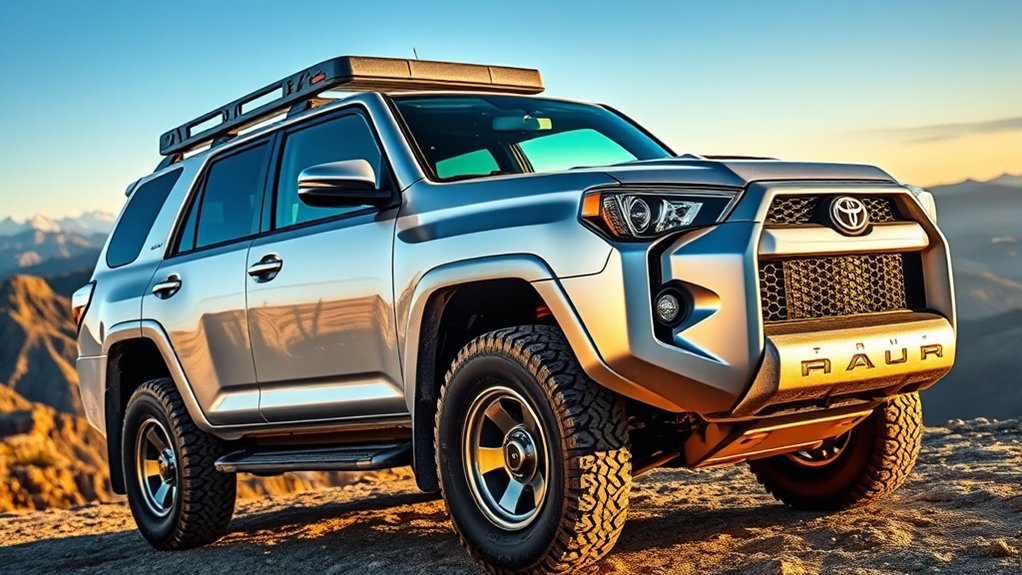
Although many SUVs face reliability challenges, the Toyota 4Runner has consistently stood out for its dependability over the years. You’ll notice that Consumer Reports consistently awards the 4Runner above-average reliability ratings, reflecting fewer issues compared to competitors.
This reputation partly comes from Toyota’s Kaizen philosophy, which focuses on continuous improvement in design and manufacturing. Older models, especially from 1996 to 2009, have shown remarkable durability, boosting their high resale value.
The 4Runner also benefits from strict quality control, especially in recent generations built in Japan. Its long-term reliability is supported by minimal recalls and strong safety ratings, making it a dependable SUV that retains value and performs consistently.
Reliability Ratings of Toyota 4Runner Generations
When it comes to reliability, different Toyota 4Runner generations have their own stories. Generally, the third and fourth generations are known for being pretty durable and dependable. They tend to earn solid ratings from owners and experts alike.
That said, there are some specific years, like 2003 and 2004, that have a bit of a reputation for problems—things like rust and higher complaint rates. Knowing these details can really help you get a better sense of how reliable each generation is over time.
Generation Reliability Overview
When evaluating the reliability of the Toyota 4Runner across its generations, you’ll find a strong track record that spans four decades. The first three generations (1984-2002) show minimal complaints regarding durability, underscoring their dependable nature.
The fourth generation (2003-2009) is also highly reliable, though the 2003 model experienced some rust issues. Moving to the fifth generation (2010-2024), reliability remains solid, with Consumer Reports consistently awarding above-average ratings, especially for models between 2017 and 2023.
While recent concerns have emerged over the 2024 Tacoma’s production quality, the 4Runner maintains its strong reputation. The upcoming sixth generation (2025-present), produced in Japan, is expected to continue this trend, highlighting Toyota’s ongoing commitment to quality and reliability across all 4Runner generations.
Notable Model Year Issues
Understanding the overall reliability of the Toyota 4Runner is important, but it’s equally valuable to examine specific model years that stood out due to notable issues.
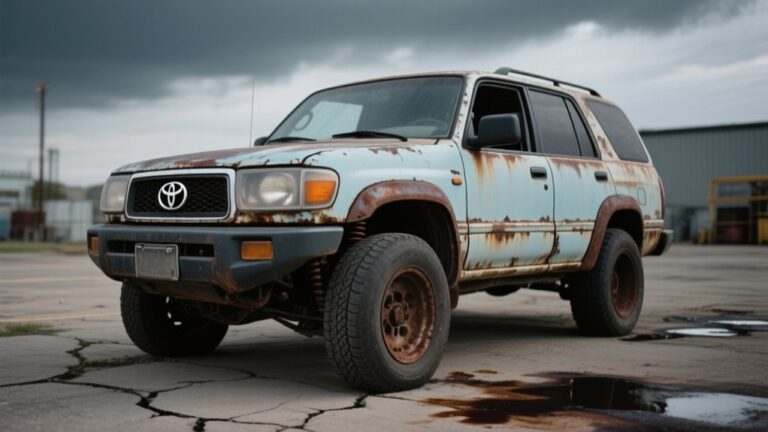
The 2003 Toyota 4Runner is often criticized for significant rust problems, making it one of the least reliable years. Likewise, the 2004 model drew the highest number of consumer complaints, mainly about electrical and mechanical failures.
In contrast, the third generation (2006-2009) earned a strong reputation for reliability, with few reported issues and high safety ratings. The fourth generation (2010-2024) continued this trend, maintaining above-average reliability and improving durability.
While some concerns exist in newer models, the 4Runner’s consistency over these generations reinforces its standing as a dependable SUV across most model years.
Reliability Trends Over Time
Although individual model years show some variation, the Toyota 4Runner has consistently demonstrated strong reliability across its generations. When you look at Toyota 4Runner years, you’ll notice clear trends in reliability and consumer complaints.
The third generation (1996-2002) stands out for low driver death rates and minimal complaints, making it one of the best used options. The fourth generation (2003-2009) maintains high reliability and improved safety, though 2003 and 2004 models had rust and complaint issues.
Consumer Reports rates most 4Runner years above average for reliability, highlighting its lasting quality. The 2025 4Runner is expected to continue this trend, thanks to advanced production quality in Japan.
These trends show you can trust the 4Runner’s reliability over time if you choose your model year wisely.
Common 4Runner Problems to Watch Out For
You’ll want to keep an eye on the transmission and drivetrain because some 4Runner models can have issues like slipping or delays in shifting. It’s a good idea to stay on top of these problems to avoid getting stranded or facing expensive repairs down the line.
Also, watch out for suspension and steering parts—they tend to wear out faster than you’d expect. When these components start to degrade, it can really affect how the vehicle handles and how smooth your ride feels. Regular checks can help catch these issues early before they become bigger problems.
And don’t forget about the engine and overall powertrain. Their reliability can vary a bit between different models and years, so sticking to a good maintenance schedule is key. Regular tune-ups and inspections can save you a lot of headaches and costly fixes later on.
Transmission And Drivetrain Issues
Several transmission and drivetrain issues have surfaced across different Toyota 4Runner model years, making them important to watch out for. While the 2024 model received a below-average reliability rating due to drivetrain concerns, earlier generations, especially the 2006-2009 models, showed fewer transmission issues.
To keep your 4Runner running smoothly, consider these key points:
- Transmission fluid leaks are common in mid to late 2000s models; check regularly.
- Erratic shifting can signal underlying transmission problems.
- The 2025 model may face new drivetrain complexities with turbo engines.
Following Toyota’s service recommendations, especially timely transmission fluid changes, can prevent many issues.
Suspension And Steering Concerns
When evaluating the 2024 Toyota 4Runner, you’ll notice that suspension and steering systems have drawn particular scrutiny due to below-average reliability ratings from Consumer Reports. Early production issues seem to affect steering performance, raising concerns about overall reliability.
Older 4Runner models typically report fewer suspension and steering problems, showing that Toyota has made improvements over time. To keep your 4Runner reliable, regular maintenance and quick attention to suspension or steering issues are key.
| Aspect | Key Concern |
|---|---|
| Suspension | Possible early wear |
| Steering | Reduced responsiveness |
| Maintenance | Critical for longevity |
Staying proactive with maintenance helps prevent these issues and aligns with Toyota’s Kaizen philosophy.
Engine And Powertrain Reliability
Although the 2025 Toyota 4Runner introduces new turbocharged engines, its powertrain reliability benefits from the strong track record of previous generations, especially the durable third and fourth models. When thinking about engine and powertrain reliability, keep these points in mind:
- V6 models have consistently proven to be reliable, helping build the 4Runner’s solid reputation.
- The new hybrid powertrain offers better efficiency but hasn not been tested over many years yet.
- Many common issues come from older models, like rust in the 2003 version, rather than powertrain failures.
- Regular maintenance is essential to prevent early wear and keep the vehicle running smoothly.
What to Expect From the 2025 4Runner’s New Turbo Engine
As Toyota introduces the 2025 4Runner with a new turbocharged 2.4-liter engine, you can expect better fuel efficiency without losing the model’s well-known off-road capabilities.
This turbo engine, shared with the 2025 Tacoma, aims for consistent performance and reliability across Toyota’s lineup.
Early reports indicate fewer issues compared to older engines, which could make you feel more confident in its dependability.
Toyota’s reputation for durability backs the expectation that this new powertrain will meet high quality standards, especially with production in Japan.
While the turbo setup marks a big step up in efficiency and power, it still maintains the ruggedness you rely on in the 4Runner.
Why First-Year 4Runner Models Are Riskier

When you’re looking at a first-year 4Runner model, it’s good to keep in mind that these early versions often run into some initial production issues. That can mean more repairs or adjustments down the line.
Plus, with new tech like the 2025 turbo engine, things can get a bit more complicated and might come with some reliability concerns initially. Usually, as manufacturers iron out these kinks in later years, the reliability tends to get better, so it’s something to consider if you’re thinking about buying a brand-new model right out of the gate.
Early Production Challenges
Since first-year models often face initial production issues, you should approach the 2025 Toyota 4Runner with caution. Early production challenges can impact reliability as manufacturers work out manufacturing issues and design flaws.
Here’s why first-year models like the 2025 4Runner pose risks: First-year models often reveal unexpected reliability concerns after release.
Manufacturing issues during initial production can lead to defects that might require repairs down the line.
New technologies, such as the turbocharged engine, can make early reliability more complicated.
Looking at past vehicles like the 2024 Tacoma, we see that early models tend to have below-average reliability ratings.
Understanding these factors can help you weigh the risks of buying a first-year 4Runner. While Toyota has a strong reputation, early production challenges mean more frequent repairs and teething problems in the beginning.
New Technology Risks
Though the 2025 Toyota 4Runner introduces advanced technologies like turbocharged engines and hybrid powertrains to boost performance and efficiency, these innovations can also increase the risk of reliability issues in first-year models. New technology risks come from added complexity, which often leads to unforeseen problems that weren’t caught during initial testing.
Hybrid powertrains, in particular, bring unique challenges that might impact long-term dependability. If you’re thinking about buying a first-year 4Runner, be aware that reliability concerns are common as manufacturers work out early production kinks.
Historical trends show that older models tend to be more dependable after refinements. While the 4Runner’s reputation remains strong, it’s important to carefully consider the potential drawbacks of new technology risks before committing to a first-year model.
Reliability Improvement Timeline
Because first-year models like the 2025 Toyota 4Runner introduce new technologies and design changes, they often face initial production challenges that can affect reliability. These first-year models tend to have more reliability concerns compared to later versions. Here’s why you should be cautious:
- First-year models often have teething issues as new features and powertrains aren’t fully optimized yet.
- Consumer Reports usually rates early models lower because of these initial reliability problems.
- The 2025 4Runner shares its powertrains with the Tacoma, which has faced past reliability challenges.
- Toyota’s Kaizen philosophy focuses on continuous reliability improvement by incorporating feedback after launch.
Understanding this timeline helps you anticipate potential risks and see how reliability can improve in later model years.
What Consumer Reports and Owners Say About 4Runner Reliability
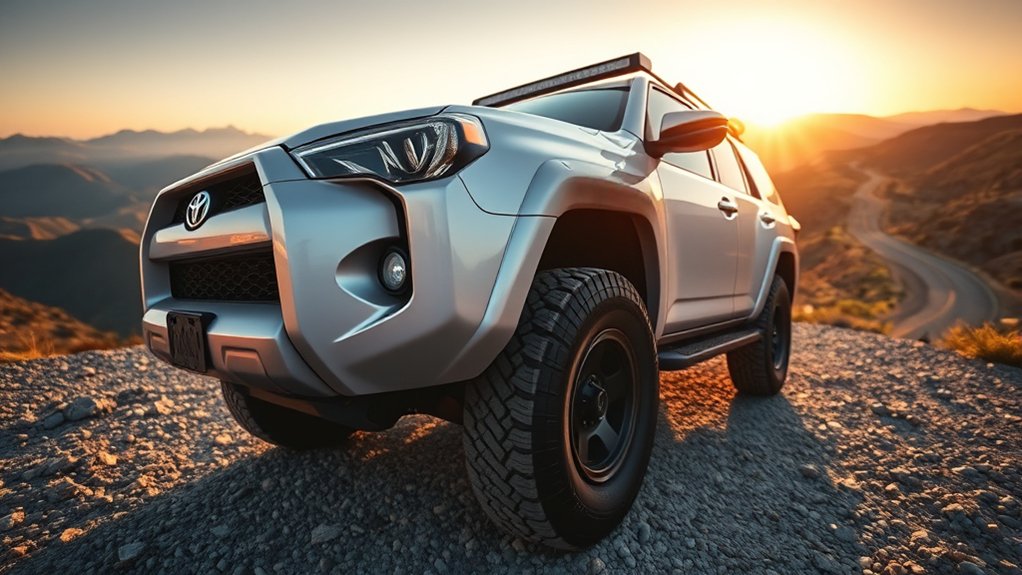
While many SUVs face reliability issues as they adopt new tech, the 2025 Toyota 4Runner is expected to stay above average, according to Consumer Reports. This is especially true when compared to models like the 2024 Tacoma, which had transmission, steering, and suspension problems.
Consumer Reports has consistently given the 4Runner high marks, particularly from 2017 to 2023. This reinforces its reputation for dependability. Owner reviews echo this, with many praising its durability and choosing it over competitors like Ford and Chevy.
The sixth-generation 4Runner, despite adding new infotainment and safety features, keeps Toyota’s tradition of reliability alive. Its solid resale value also shows that consumers trust this SUV. Overall, the 4Runner remains a standout choice in the SUV market for reliability.
How Toyota’s Continuous Improvement Makes 4Runners Last
If you want a vehicle that stands the test of time, Toyota’s continuous improvement approach, known as Kaizen, plays a key role in making 4Runners last. This method ensures each generation benefits from refined processes and design improvements that boost durability and reliability.
Here’s how Toyota’s continuous improvement impacts the 4Runner:
- Manufacturing processes steadily evolve, improving overall build quality.
- Safety features are updated regularly without sacrificing ruggedness.
- Design improvements incorporate new technology while keeping off-road capability intact.
- Customer feedback helps make tweaks, keeping reliability consistent over time.
The 2025 4Runner, made in Japan, exemplifies this dedication, promising even higher standards of durability. With Kaizen, Toyota continually strengthens the 4Runner’s reputation for lasting performance.
How the 4Runner Compares to Other Toyota SUVs in Reliability
Although the 2025 4Runner shares some powertrain components with the Tacoma, it stands out with above-average reliability ratings. This is largely due to its Japanese manufacturing origins and strict quality controls.
You’ll notice that the Toyota 4Runner’s production in Japan plays a big role in its consistent quality. It really sets it apart from the Tacoma, which is made in the U.S. and has lower-rated reliability.
When comparing Toyota SUVs, the 4Runner often surpasses the Highlander and RAV4 in reliability. That’s thanks to its sturdy build and proven off-road capabilities.
While new turbocharged and hybrid engines bring some uncertainty, Toyota’s focus on ongoing improvements suggests these issues will stabilize over time.
If reliability and rugged off-road performance are your top priorities, the 4Runner is a dependable choice among Toyota SUVs.
Maintenance Tips to Keep Your 4Runner Running Strong
To keep your Toyota 4Runner running strong and reliable, it’s important to follow a consistent maintenance schedule tailored to its needs. This helps ensure it stays in top shape and lasts longer.
Start with regular oil changes every 5,000 to 7,500 miles. This protects your engine and keeps it performing well.
Check and replace your air filters every 15,000 to 30,000 miles. Clean filters help improve airflow and boost fuel efficiency.
Don’t forget to rotate your tires and check the alignment every 5,000 to 7,500 miles. This promotes even tire wear and makes your handling smoother.
Replace your brake fluid every two years. Doing this prevents moisture buildup and keeps your braking system effective.
Also, keep an eye on fluid levels like coolant and transmission fluid. Monitoring these helps prevent overheating and costly repairs.
Following these simple steps will help keep your 4Runner dependable for years to come.
Which 4Runner Model Years Offer the Best Value and Reliability
Maintaining your 4Runner well lays the foundation, but choosing the right model year can really boost your ownership experience.
The third generation (2006-2009) stands out for its strong reliability and few complaints, making it a great value on the used market.
The fourth generation (2010-2024), including the Limited trims, stays reliable with extra safety features and better off-road capabilities.
Avoid the 2003 model due to rust issues, and steer clear of the 2004 because it has the most complaints in that generation.
Used 4Runners hold their value really well, with prices only dropping about 0.2% recently, which shows how much demand there is.
Looking ahead, the 2025 model is expected to have above-average reliability thanks to Toyota’s quality controls and shared powertrains.
Frequently Asked Questions
What Safety Features Come Standard on the Toyota 4runner?
The Toyota 4Runner comes standard with Toyota’s Star Safety System, including Vehicle Stability Control, Traction Control, Anti-lock Brake System, and Electronic Brake-force Distribution.
You’ll also get a full suite of airbags—front, side-impact, and a driver knee airbag—for thorough protection.
The 2025 model adds a rearview camera to help with visibility when reversing.
These features work together to keep you safer on the road and off it.
How Does the 4runner Perform Off-Road Compared to Competitors?
You’ll find the 4Runner excels off-road compared to competitors like the Ford Expedition and Chevy Tahoe. Its body-on-frame design, 9.6-inch ground clearance, and features like Multi-Terrain Select and Crawl Control give you superior traction and control on rugged terrain.
Plus, the TRD packages add skid plates and off-road tires, boosting durability and performance. Overall, it’s a vehicle built to navigate challenging trails with confidence and stability.
What Are the Interior Comfort and Technology Options Available?
You’ll find the 2025 Toyota 4Runner offers advanced tech like a touchscreen with Apple CarPlay and Android Auto for easy smartphone use. Inside, you can enjoy leather seating, heated front seats, and a spacious cabin.
The multi-information display keeps essential driving info handy. Plus, features like a power rear window, multiple cup holders, and optional third-row seating boost comfort and convenience for you and your passengers.
How Fuel-Efficient Is the Toyota 4runner Across Different Trims?
If you dream of stopping frequently at gas stations, the 2025 Toyota 4Runner fits perfectly. Across trims, it averages about 16-19 mpg, with the base V6 delivering roughly 17 mpg combined.
The TRD Pro slightly dips to 16 city and jumps to 19 highway. Its body-on-frame design sacrifices fuel efficiency for ruggedness. Keep an eye out for upcoming hybrid models, promising better mileage without losing its adventurous spirit.
What Financing or Leasing Options Are Typically Offered for the 4runner?
You’ll find Toyota offers various financing options for the 4Runner, including competitive interest rates and flexible loan terms tailored to your budget. Leasing programs often feature lower monthly payments and terms from 24 to 48 months, making them ideal if you prefer newer models.
Seasonal incentives like cashback or special rates can help lower your overall costs. Keep in mind, you’ll generally need good to excellent credit to qualify for the best deals.
Monthly payments typically range between $600 and $800, depending on the terms and your credit profile.
Conclusion
You can count on the Toyota 4Runner for lasting reliability, with over 90% of models from the last decade still on the road today.
This impressive durability shows Toyota’s commitment to quality and continuous improvement. While some first-year models might have a few issues, regular maintenance and choosing proven model years can keep your 4Runner running strong.
Thinking about these factors will help you make a smart investment in a dependable SUV that stands the test of time.