How Much Does a Tow Truck Cost: A Complete Guide to Pricing and Fees
How much does a tow truck cost depends mostly on the distance and your vehicle. On average, towing a car about 5 miles costs around $80. The price can go up to $109 for longer local tows near 10 miles.
That cost often includes a hook-up fee plus a per-mile charge after a set radius. When the closest tow truck is far, your bill can almost double.
Call a tow truck near you to save money. Ask about fees first.
Different vehicles also cost different amounts to tow because bigger trucks need more power. It’s smart to ask about your vehicle’s type when you call. Knowing these basics helps avoid surprises with your towing bill.
Key Takeaways
- The average tow for up to 5 miles costs between $35 and $125.
- Towing a standard car for about 10 miles costs around $95.
- Long-distance tows over 100 miles usually cost more than $500.
- Auto-transport carriers often cost less than tow trucks over 150 miles.
- Insurance for a tow truck ranges from $7,000 to $18,000 annually.
- Buying a used tow truck cuts entry costs by up to 50%.
How Much Does a Tow Truck Cost on Average?
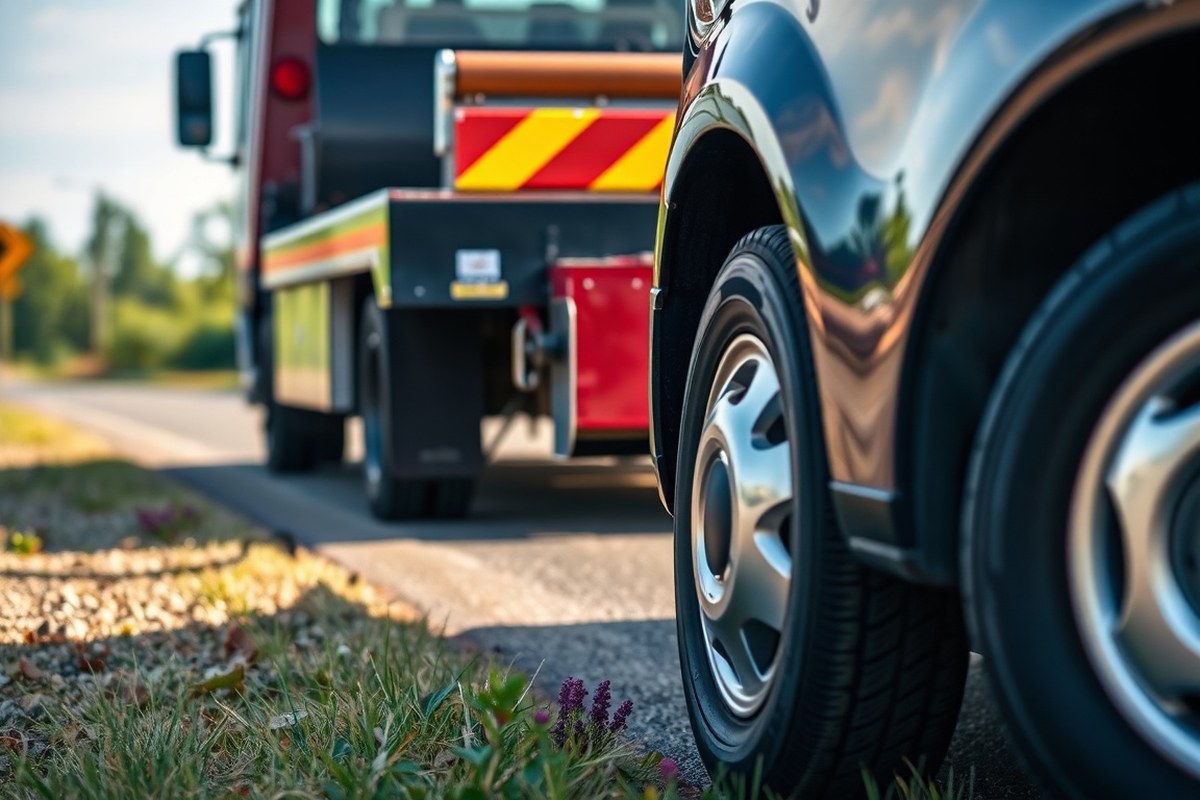
Towing costs usually include a base fee plus a per-mile charge. The base or hookup fee covers dispatch and securing the vehicle. This fee often runs between $50 and $150 depending on the tow type.
Per-mile rates vary but commonly fall between $2 and $7 per mile. Local tows typically range from $75 to $200 total. The final cost depends on distance and vehicle type.
| Tow Type | Base/Hook-Up Fee | Per-Mile Rate | Typical Total (10-Mile Tow) |
|---|---|---|---|
| Wheel-Lift (Standard) | $50, $75 | $2.50, $5.00 | $75, $125 |
| Flatbed | $75, $125 | $3.50, $7.00 | $110, $195 |
| Medium-Duty (Pickup/Large SUV) | $100, $150 | $4.00, $8.00 | $140, $230 |
| Heavy-Duty Wrecker (RV/Box Truck) | $150, $350 | $5.00, $12.00 | $200, $470 |
| Motorcycle Tow | $50, $75 | $1.50, $3.00 | $65, $105 |
For a 10-mile standard car tow, expect base fees around $50 to $75 plus $2.50 to $5 per mile. That totals roughly $75 to $125. A flatbed tow would cost more, often $110 to $195 for the same distance.
Here’s a worked example: towing a car 10 miles using a wheel-lift truck. A $60 hookup fee plus $3.50 per mile adds up to $95 total. This combines the fixed hook-up with mileage fees clearly.
For short distances like 5 miles, towing may cost about $80. Prices can vary between $35 and $125 depending on the tow service.
Local tows might include the first few miles in the base fee. Confirm this with the tow company to avoid surprises.
How Does Distance Affect Tow Truck Pricing?
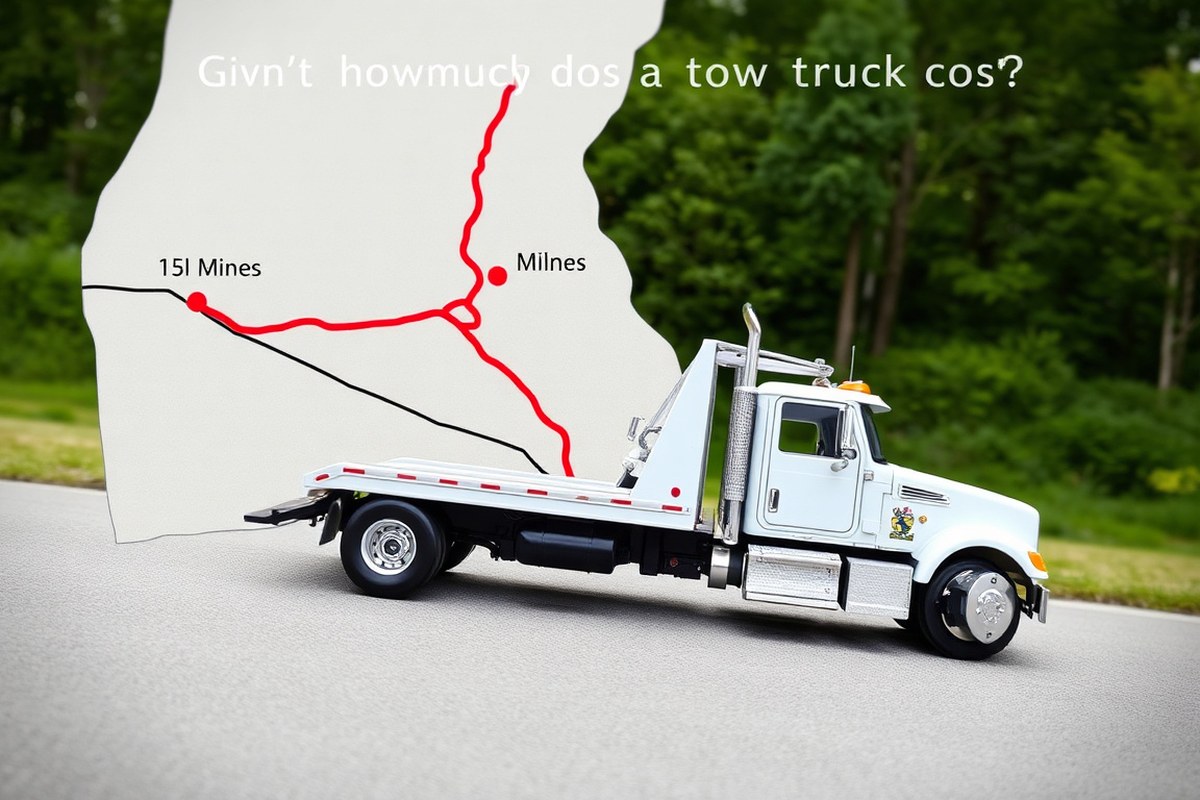
Tow truck companies often charge a base fee for the hookup. This fee usually covers the first few miles of towing. After the initial miles, companies add a per-mile fee.
They charge this for each mile beyond the base distance. This fee structure means a short tow costs between $84 and $150. Longer drives increase the total cost through mileage charges.
Some companies use a flat fee within a set radius, often around 10 km. Your towing price stays fixed if your vehicle is within that radius. Small distance changes don’t affect the cost.
If the distance is beyond the radius, they use total mileage billing. This charges for the whole trip, not just towing.
Total mileage billing adds every mile driven during the service to your bill. The total trip includes miles from the tow truck’s garage to your car. It also includes miles from your car to the drop-off.
Extra miles add up fast and make towing costs much higher. This can cost more than just the driving distance.
| Pricing Method | Typical Base Fee | Included Distance | Additional Per-Mile Rate | Total Cost Example |
|---|---|---|---|---|
| Flat Fee (within radius) | $84 to $150 | ~10 km | None within radius | $100 for a 10 km tow |
| Base + Per-Mile (beyond radius) | $100 (hook-up fee) | 10 km included | $2 to $7 per loaded mile | $100 + $40 for 10 extra km = $140 |
| Total Mileage Billing | $100 base | 0 km included | $4 per mile average | For example, 5 km to reach you plus 10 km tow. Multiply 15 km by $4 per km plus $100 base fee. Total cost is $160. |
Confirm distance charges with your tow provider before service starts. Ask if the base fee covers any miles.
Also, check if they charge from their location or your pickup spot. This avoids surprises, especially with total mileage billing that adds truck travel time.
Per-mile pricing usually applies once you pass the initial included distance or radius. The base fee covers every mile the truck drives your car after hooking it up. The farther you need help, the higher this cost becomes due to the distance fee multiplying.
Always ask the towing company exactly how distance is charged to avoid unexpected high fees.
How Vehicle Type and Size Influence Tow Truck Costs
Towing costs rise as your vehicle’s size and weight go up. Small sedans cost less than large SUVs, trucks, or RVs. You pay more because bigger vehicles need stronger tow trucks and different gear.
Standard Vehicles and Pricing Tiers
Compact cars and sedans usually need standard or wheel-lift towing. These go for about $120 to $180 for a short local tow. SUVs and vans often require flatbed trucks, which cost around $156 to $234.
Heavier vehicles like pickup trucks add about 30% to 60% to the base price. You need to plan $75 to $195 for a 10-mile tow during business hours, depending on city and truck type.
| Type of Tow | Typical Short Local Tow | What It Is |
|---|---|---|
| Standard Tow (Wheel-Lift) | $120 – $180 | Cradles the drive wheels, default modern hook. |
| Flatbed Tow | $156 – $234 | Vehicle rides fully on the bed; no road contact. |
| Hook-and-Chain Tow | $120 – $180 | Old chain method, mostly phased out for damage risk. |
| Heavy-Duty Tow | $352 – $528 | Used for large trucks, RVs, oversized vehicles. |
| Motorcycle Tow | $102 – $154 | Lighter equipment for smaller vehicles. |
Choose wheel-lift or flatbed for standard vehicles. Flatbeds work better for AWD and luxury cars.
Heavy Vehicles and Specialized Towing
Heavy-duty tow trucks handle big trucks, buses, and RVs. These trucks have strong engines and gear like boom lifts or winches. This equipment boosts towing prices to around $350 to $530 for short hauls.
Driving a large SUV like a Chevy Suburban or a trailer raises towing costs. Larger vehicles often need heavy-duty service to avoid damage. Your tow truck choice depends on weight and size.
Light-duty trucks suit weights below 10,000 pounds. Choose heavy-duty trucks for anything above that, like full-size trucks or RVs. Using the right truck prevents delays and extra fees.
Additional Surcharges for Oversized Loads
Oversized vehicles often hit extra charges. These fees cover extra gear, permits, and special routes. For example, towing an RV might include oversize load permits or route planning fees.
After-hours and emergency tows cost more too. Towing in dense traffic or crowded city areas raises prices. You might face tolls or congestion fees in places like Manhattan.
Owners with trailers or big SUVs should call a professional tow service experienced with oversized vehicles. This ensures safe towing with fewer surprises and added fees.
What Additional Fees and Surcharges Should You Expect?
Towing companies often charge extra fees beyond the basic towing rate. You can expect costs for after-hours service, winching, storage, and difficult recoveries. Knowing these fees upfront helps you avoid surprise bills.
After-Hours and Weekend Fees
Most tow trucks charge extra when you need help outside regular business hours. This includes nights, weekends, and holidays.
These fees usually add $25 to $75 to your bill. They can also increase the rate by 25% to 50%.
For example, if a $100 tow occurs at midnight, you might pay $125 to $150 total. Ask about these fees before you agree to a tow. This is important if your breakdown is late or on a weekend.
Costs from Difficult Recoveries and Winching
When your vehicle is stuck in mud, snow, or hard-to-reach places, expect extra charges. Winching fees can range from $50 to over $200 depending on the situation’s difficulty. This involves pulling your vehicle out with cables or pulleys.
The fee applies if the tow truck can’t just hook and pull your car. These charges can double your overall cost in off-road or accident recovery situations.
Storage Fees at the Tow Yard
Often, towing companies store your vehicle in a yard after tow services. Storage fees usually cost $20 to $50 per day until you pick up your car. These fees are separate from towing and can add up fast if you delay retrieval.
Make sure to ask if storage applies and for the daily rate. Your insurance might cover some storage, depending on your policy.
Common Additional Fees Checklist
Extra charges can add confusion during an already stressful time. Checking these potential fees helps you plan your budget better.
- Hook-up or dispatch fee: initial charge for sending a truck
- Extra mileage: $5 to $10 per mile over included distance
- After-hours, weekend or holiday fees: $25 to $75 or 25-50% more
- Winching: $50 to $200+ for tough recoveries
- Flatbed tow surcharge: about 30% more than standard towing
- Storage fees: $20 to $50 per day at the yard
- Jump-start or tire change: small additional charges if needed
Ask your towing provider to explain these fees early. This is the best way to avoid unexpected costs and disagreements later.
Tips to Avoid Surprising Tow Truck Charges
Call ahead and get a quote that includes potential extras. Ask if rates change at night or on weekends. Always clarify if your vehicle size or condition might raise fees.
Don’t agree to services without knowing the per-mile rate. Find out if winching or flatbed towing is needed. Getting all this info before you say yes protects your wallet during a tough roadside situation.
How Does Insurance Coverage Affect Towing Costs?
Your insurance may cover towing costs, but it rarely covers the full amount. Most policies include a towing add-on costing $2 to $5 per month.
This add-on usually covers towing costs from $50 to $100. It often includes distances between 15 and 25 miles.
Collision or complete coverage can pay for towing linked to accidents. However, many plans only cover breakdowns, not accident-related tows.
Read your policy carefully before assuming they’ll cover a tow. You can also call your insurer to check.
Check your coverage by reviewing your insurance documents or logging into your provider’s app. Look for roadside assistance or towing limits, specifying dollar amounts or mileage caps. Call your insurer’s customer service if those details aren’t clear or you need confirmation.
When you need a tow, immediately contact your insurer to inform them. They can direct your tow truck choice or connect you with companies they contract with. Keep the towing receipt and report all details for an insurance claim afterward.
Your insurer might deny coverage or limit the amount. You may have to pay extra costs yourself.
Coverage varies depending on your insurer, plan tier, and vehicle condition. AAA offers several free tows each year depending on the plan you choose.
Vehicle manufacturer warranty support might include towing. But only for newer cars and limited distances.
Always confirm towing coverage before you need it to avoid surprise fees during emergencies.
How Much Does It Cost to Own and Operate a Tow Truck?
Owning and running a tow truck involves several costs beyond just buying the vehicle. You pay for the truck itself, insurance, licenses, maintenance, and daily operating expenses. These add up differently depending on the truck type and condition.
Tow Truck Purchase Price Ranges
New tow trucks cost more but come with fewer worries about breakdowns. Used trucks are cheaper but need more care and can cost more over time. The price depends on the type, size, and condition of the truck.
| Tow Truck Type | New Price Range | Used Price Range |
|---|---|---|
| Light-Duty (e.g., Hino 600 series) | $50,000 to $80,000 | $25,000 to $45,000 |
| Medium-Duty | $80,000 to $120,000 | $40,000 to $70,000 |
| Heavy-Duty | $120,000 to $200,000+ | $70,000 to $130,000 |
The Hino 600 series is a popular choice for local towing and delivery. It offers reliability with a lower upfront cost compared to bigger trucks. You save initially, but you should watch for your business needs as you grow.
Insurance and Licensing Costs
Towing businesses need commercial vehicle insurance that covers liability and damages. Insurance cost depends on factors like truck type and coverage limits. Expect to pay between $6,000 and $12,000 yearly for a single tow truck.
Licensing fees vary by state and usually require a commercial driver’s license (CDL) and towing permits. These costs are smaller but necessary. Budget at least a few hundred dollars each year for licensing and renewals.
Maintenance and Operating Expenses
Routine maintenance keeps your tow truck safe and reliable. Oil changes, brakes, tires, and hydraulic systems need regular checks. Expect annual maintenance costs from $5,000 to $10,000 depending on use and truck condition.
Fuel is a big running expense. Tow trucks can use 10 to 15 miles per gallon, and fuel costs vary.
High fuel use during long jobs adds up quickly. Operators also spend on repairs and replacement parts.
Here’s an example of a yearly budget for a light-duty tow truck operator:
| Expense | Estimated Yearly Cost |
|---|---|
| Insurance | $8,000 |
| Licensing & Permits | $500 |
| Routine Maintenance | $7,000 |
| Fuel | $6,000 |
| Repairs | $3,000 |
Costs vary based on miles driven, truck type, and business scale. Keeping your truck maintained avoids costly breakdowns and downtime.
When to Call a Professional Tow Truck Service
Some situations demand calling a professional tow truck. Major accidents, engine failure, or stuck vehicles need expert handling. Trying to tow on your own can cause more damage or safety risks.
Minor issues like a dead battery, flat tire, or empty gas tank might not need towing. Roadside assistance programs often cover these and cost just $5 to $10 monthly. They help with jumpstarting, tire changes, lockouts, and emergency fuel delivery.
Professional towing is safer because it uses the right equipment and trained operators. Tow trucks come with devices to secure vehicles properly and avoid accidents. Without proper gear, DIY towing risks damage to your car and roads.
- Vehicle won’t start or has a severe mechanical problem
- Car is stuck in mud, snow, or ditches and can’t move
- After an accident, the vehicle is unsafe or undriveable
- You need to transport a vehicle long distances
- Local laws require calling a licensed tow after a crash
- Roadside assistance can’t fix the problem or provide towing
- You feel unsafe trying to move the vehicle yourself
Choose a tow service based on your needs and conditions. For local tows, a flatbed tow truck is common and safe for passenger cars. Heavy or oversized vehicles need specialized trucks which cost more.
For quick roadside help like battery jump starts, use roadside assistance. For serious breakdowns, use a licensed professional tow company. Always confirm they have proper licenses and insurance to avoid extra fees or poor service.
How to Avoid Overpaying for Tow Truck Services
Checking the tow truck cost before you agree helps avoid surprises. Always ask for a complete price estimate, including mileage, time, and drop-off details. Make sure to confirm exactly which services and miles the price covers.
Asking the right questions helps spot hidden fees. Inquire about extra charges for nights, weekends, or waiting time. Also, check if the tow fee includes the driver’s arrival distance or just the tow distance.
Always get a written receipt after the tow. It should list the cost, miles charged, services provided, and any extra fees. Keep this document in case of disputes or insurance claims.
Use this step-by-step checklist when calling a towing company to keep costs under control:
- Ask, “What is your base fee and rate per mile?” knowing that a 10-mile tow can cost $90 to $125.
- Confirm, “Do you charge for mileage to reach my vehicle?” since some add those miles to your total.
- Inquire, “Are there fees for nights, weekends, or holidays?” to avoid surprise surcharges.
- Request, “Can you provide a full written estimate before towing starts?”
- Verify, “Is my car going to be towed on a flatbed or hook-and-chain?” as this affects cost and safety.
- Seek credentials by asking, “Are you licensed and insured?” to ensure professional service.
- Before agreeing, say, “If additional fees occur, please notify me first to approve.”
Here’s a script template to negotiate price when calling a tow company:
“Hi, could you tell me your base rate and mileage charge? I need to tow about [X] miles. Are there extra fees I should know?
I want a clear total cost before you come. Also, please confirm you’re licensed and insured.”
Watch out for fees based on the miles a company travels to get to you, not just the towing distance, since this can raise your total cost.
Long-Distance Towing Costs and Alternatives
Long-distance towing costs drop in price per mile beyond 100 miles. Around 500 miles, the rate can be as low as $0.40 to $1 per mile. For example, towing a light-duty vehicle 500 miles usually costs between $1,080 and $1,620.
Auto-transport carriers often come in cheaper for long hauls. Shipping a car with a carrier for 500 miles costs around $550 to $850.
That’s roughly half the low end of towing prices. Carriers carry multiple vehicles and share costs, making them more economical for long-distance moves.
To choose the cheaper option, weigh the trip length and urgency. For a 200-mile move, towing ranges from $540 to $810. A carrier would cost $350 to $550.
Your move usually fits better with a carrier over this distance. Carriers work well when timing isn’t tight or urgent. They often cost less in these cases.
Luxury and AWD cars need special handling. This raises tow truck fees due to safety and flatbed use. Special care adds to the overall price.
This can push long-haul towing costs higher than average. Hard-to-reach cars and heavy-duty needs also push rates higher.
These factors add costs beyond the standard per-mile charge. Access difficulty makes the tow more expensive.
Generally, if the distance exceeds 100 miles, ask about auto-transport carrier options. Carriers typically charge a minimum fee between $150 and $300 on short hauls.
So towing might compete under 100 miles. Past about 1,000 miles, carriers are almost always cheaper and more practical.
Consider timing too. Tow trucks give faster door-to-door service. Carriers may take several days since they group vehicles and schedule routes.
Quick car delivery may justify towing’s extra cost. The faster service can be worth the higher price. Speed matters for urgent needs.
Move under 100 miles or need urgent service? Choose a tow truck. For longer distances or no rush, a carrier is better.
Pick what suits your timeline best. Between 100 and 1,000 miles, compare pricing and timing closely. Beyond 1,000 miles, choose an auto-transport carrier unless speed is critical.
Step-by-Step Action Plan for Managing Tow Truck Costs
Use this plan to handle towing needs and avoid surprises in pricing. Follow each step to stay in control.
- Before you need a tow: Research local tow services and save their numbers. You’ll avoid scrambling and overpaying during a breakdown.
- When choosing a service: Ask for an upfront estimate including extra fees. Confirm they accept your insurance if you have coverage for towing.
- At the time of towing: Verify the tow distance and type of truck used. This will help you avoid charges for unnecessary extras or longer distances.
- After the tow: Check the bill carefully before paying. Ensure all fees match the estimate and the service provided.
- Within a week after towing: Review your insurance and roadside assistance plans. Update or add coverage if needed to save money next time.
- Monthly: Set aside a small emergency fund for towing and unexpected vehicle expenses. This prepares you without stress.
- When planning long-distance moves: Check towing costs first. Also compare driving or car shipping prices. Choose the cheaper and safer option.
Frequently Asked Questions
How Much Does a Tow Truck Cost for a 5-mile Tow?
The average cost for a tow up to 5 miles is about $80. Prices can range from $35 to $125 depending on location and service provider.
What Determines the Cost of Towing an Overturned 18-wheeler Trailer?
Towing an overturned 18-wheeler trailer usually costs hundreds or thousands of dollars. The job is complex and may need special equipment, raising the price significantly.
Why Is Insurance the Biggest Cost Factor in Owning a Tow Truck?
Tow truck insurance ranges from $12,000 to $30,000 a year for new operators. This cost is higher than the truck price and affects overall business expenses.
How Does Dispatch Distance Impact the Tow Truck Fee?
Tow truck fees rise if the nearest truck is far away, sometimes doubling the cost. Total miles billed include the distance the truck drives to your vehicle.
What Are Hook-Up Fees in Towing Services?
A hook-up fee covers dispatching and securing your vehicle for towing. It’s a standard base charge added to the total towing cost.
Key Points to Remember
Tow truck costs vary based on many factors like distance and vehicle size. Taking steps to know pricing and insurance helps you avoid overpaying. Now, save tow service contacts and insurance info for your next roadside need.