Can a Bad Starter Drain a Battery? What Actually Happens and How to Fix It
A bad starter can slowly drain your battery’s power. It draws electricity even when the vehicle is off. This constant drain reduces battery life faster than normal use.
Before blaming the battery, you should check if the starter is causing the problem. You can test for parasitic drain on the starter circuit. This shows if power is being sucked overnight.
A quick check can give you the answer fast. Catching this early helps prevent your battery from dying unexpectedly.
Your car might have trouble starting or a dropping battery voltage. These problems can point to a faulty starter. Consider checking the starter if these issues occur.
A bad starter can increase power consumption drastically when trying to crank the engine. That means your battery is working harder and losing charge faster than it should. ===
Key Takeaways
- Measure current draw overnight to detect starter-related battery drain.
- Check battery voltage at rest and under load before testing the starter.
- Replace the starter if it draws around 0.3 amps continuously when off.
- Keep an eye on battery age; older batteries may fail from repeated drain.
- Repeated failed start attempts with a bad starter harm battery health.
- Ensure starter replacement is done within torque specs to avoid early failure.
Can a Bad Starter Actually Drain Your Car Battery?
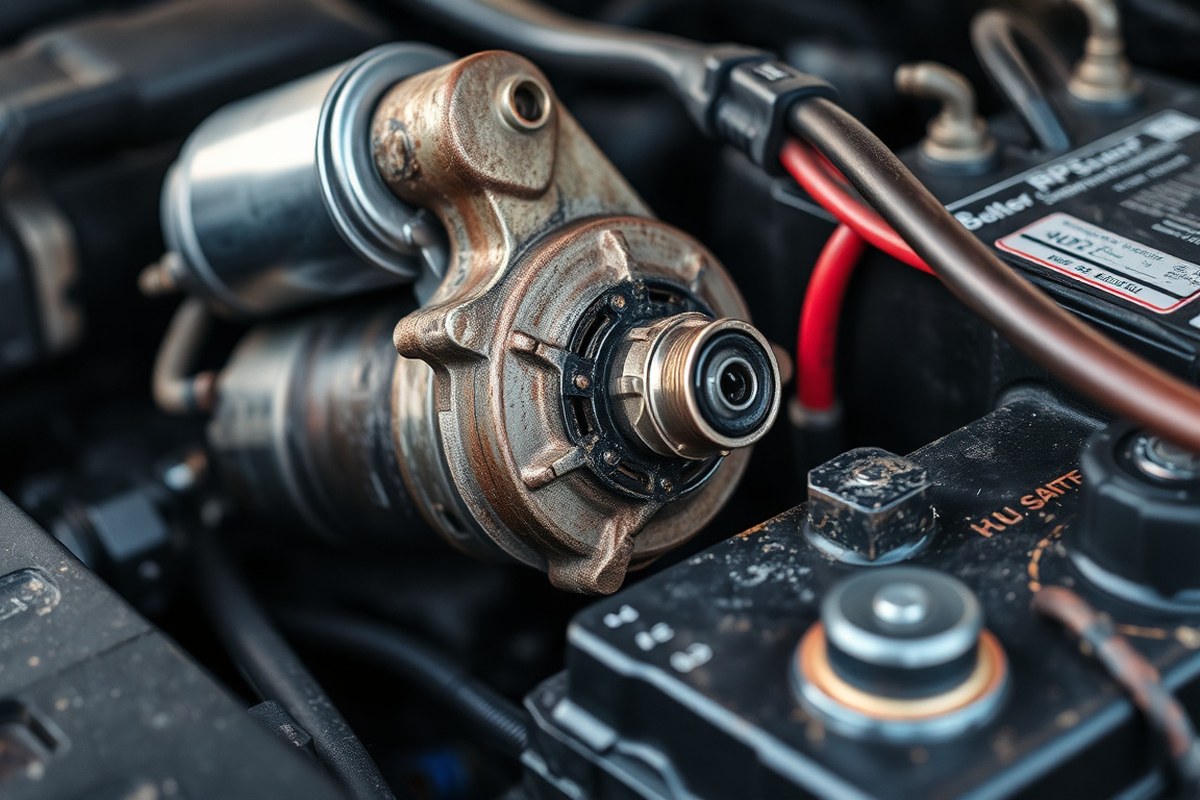
A bad starter can drain your car battery. This happens if you keep trying to start the engine. Each attempt uses extra power from the battery.
A faulty starter might draw more power than normal. This puts extra strain on your car battery. The battery may lose charge faster as a result.
This means your battery loses charge faster than normal. Repeated attempts to crank the engine just make things worse.
Even when the car is off, a bad starter can draw power. A faulty starter solenoid may do this too. The battery slowly loses charge from this.
For example, some cars with a starter problem show about 0.3 amps of current drain overnight, which can drain the battery in less than 24 hours. The starter circuit might fail to disconnect fully.
This causes a slow but constant power drain. Your battery loses power when it shouldn’t.
This unwanted battery drain shortens the battery’s life over time. Batteries are designed to provide plenty of burst power. But they aren’t made to handle long, unnecessary drains.
A bad starter could also cause short circuits that rapidly deplete the battery’s charge. Your starter pulling current with the engine off can kill the battery.
This can leave you stranded. It happens even if you haven’t driven the car.
The exact way a bad starter drains a battery depends on the problem type and severity. A seized starter motor or stuck solenoid can keep pulling power. This can drain your battery even when the car is off.
It causes a constant electrical draw. When the starter struggles to engage, battery drain happens. This occurs as you keep cranking the engine repeatedly.
Each try pulls extra power from the battery. Either way, the starter makes the battery work harder and lose its charge more quickly.
In simple terms, a bad starter affects battery life by increasing electrical load at inconvenient times. The starter can keep using power after the engine starts. It may also draw power every time you try starting the car.
This adds to battery drain over time. Continued battery drain reduces how long it holds a charge.
You will need more frequent jump-starts or battery replacements. This shortens your battery’s lifespan.
How a Starter Uses Battery Power During Start and When Off
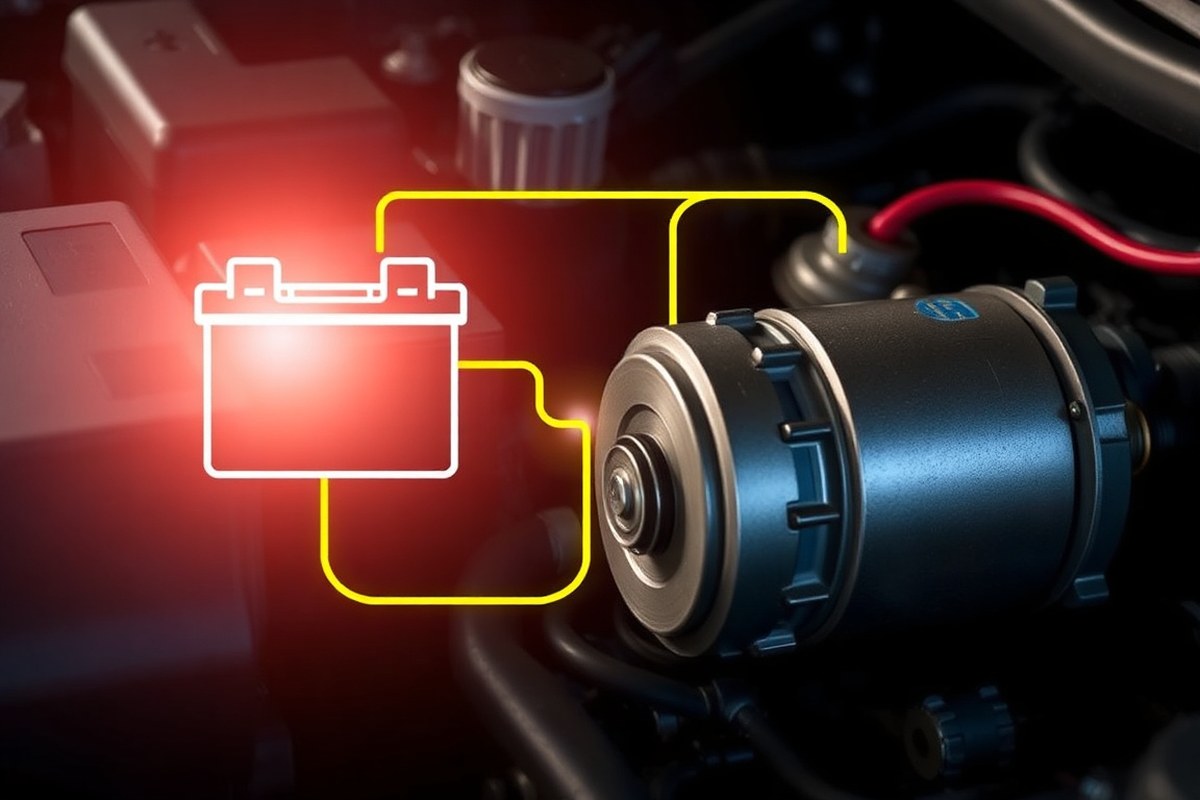
The starter motor pulls a big current from the battery when starting. This current powers the solenoid, moving the gear to turn the flywheel.
That movement gets the engine running. Usually, that current hits between 150 and 185 amps, depending on your car.
Once the engine is running, the starter should stop drawing power completely. It only needs energy during engine start-up. The ignition switch cuts power to the starter after a few seconds.
Continuous power draw by the starter motor while the engine runs means a fault. This usually signals an internal short or electrical problem inside the starter.
Worn brushes can cause issues inside the starter motor. Carbon buildup on the commutator is another common problem. Short circuits inside the starter also create electrical drains.
These problems make the starter pull current constantly. The draw often ranges from 5 to 12 amps. This happens even when your car is off.
That constant drain can empty the battery overnight. Sometimes it happens in just a few hours without repair. Fixing this soon prevents a dead battery.
Repeated attempts to start the engine with a failing starter increase the load on the battery. This excessive power draw makes the starter work harder. The battery loses charge faster.
Over time, a weak battery makes the starter work harder. This creates a cycle of battery drain and slow starting. Without fixing it, you may face starters that fail.
Use a multimeter to check the starter’s current draw. This helps find hidden current drains early. Catching these problems soon saves battery life.
Common Symptoms Indicating a Starter Is Draining the Battery
A bad starter often makes certain noises that can help you spot battery drain issues. A common sign is a rapid clicking sound when you turn the key. This usually means the starter is drawing too much current but not engaging properly.
Starting difficulties show up as slow engine turns or no starts at all. When the starter struggles, it pulls extra amps, sometimes over 300. This can quickly lower the battery’s voltage below 12 volts.
Low voltage can cause starting problems fast.6 volts. Voltage dropping below 12 volts with the car off points to the starter. This might be the device draining the battery.
- Clicking or grinding noises during ignition
- The engine cranks slowly or not at all
- Dashboard lights dim when starting the car
- Intermittent starting issues, sometimes no response from the starter
- Battery voltage dropping rapidly when attempting to start
- Starter remains engaged after engine starts
- Repeated attempts to start worsen the battery drain
External signs like dimming dashboard lights show the starter is working too hard. The extra current demand causes fading or flickering lights during start attempts.
The starter that won’t disengage keeps using power after the engine runs. This constant drain can kill the battery quickly.
Repeated cranking with a faulty starter can kill your battery fast. Avoid long or multiple start attempts if you notice these symptoms.
Let a pro test the starter to avoid problems later. It stops you from replacing a dead or damaged battery.
How to Diagnose Battery Drain Caused by a Bad Starter
You can diagnose battery drain caused by a bad starter using a multimeter. Measuring current draw helps spot starter problems. Testing voltage drop in the starter circuit finds electrical issues.
Checking starter fuses confirms they aren’t blown or damaged. Start with these tests to confirm if the starter causes the drain.
Using a Multimeter to Check Current Draw
Testing current draw shows if the starter pulls too much power when off. Excessive draw can drain the battery over hours or days. Use a digital multimeter with a high current clamp setting to measure this draw accurately.
Follow these steps to measure current draw from the starter:
- Turn off the engine and all electrical accessories.
- Disconnect the negative battery cable.
- Set your multimeter to measure amperage (usually A or mA range).
- Connect the multimeter leads in series between the negative battery post and cable.
- Wait until the vehicle systems enter sleep mode, usually about 10-20 minutes.
- Read the current draw on the meter; normal draw is under 50 milliamps.
- Anything above 100 milliamps may indicate excessive drain.
- Reconnect the battery cable after testing.
Finding a high current draw points toward the starter or related components causing battery drain. Low readings suggest looking elsewhere.
Performing a Voltage Drop Test on Starter Circuit
This test checks for voltage loss inside the starter or its wiring. A high voltage drop means resistance or a fault drains power. A multimeter set to voltage mode works well for this.
Here’s how to test voltage drop in the starter circuit:
- Turn the ignition key to RUN (not START).
- Place the multimeter leads on the battery positive terminal and starter solenoid’s B+ terminal.
- Note the voltage reading. It should be very close to battery voltage (about 12.6 volts).
- Next, move leads to the solenoid’s S terminal and the battery positive terminal.
- Record the voltage drop; anything over 0.5 volts indicates an issue.
- Test ground by measuring resistance between starter housing and battery negative post.
- A high resistance reading (above 0.1 ohms) points to a ground problem.
Voltage dropping below 10 volts during crank usually signals a weak battery or high starter resistance.
Isolating Starter Fuses and Relays for Testing
Starter fuses and relays control power flow; faulty ones can cause intermittent drain. Testing these parts helps eliminate false starter drain suspects. Consult your vehicle’s manual to locate them.
Steps to isolate and test fuses and relays include:
- Locate starter-related fuses and relays in the fuse box.
- Visually inspect fuses for blown signs or corrosion.
- Use a multimeter to test fuse continuity.
- Remove starter relay and shake it gently; rattling means a bad relay.
- Swap the relay with a similar known good one for functional testing.
- Check voltage on fuse terminals with ignition ON to confirm power supply.
- Replace any faulty fuses or relays immediately to prevent drain.
Testing these components costs little time and avoids unnecessary starter replacement. Faulty relays often cause the starter to stay energized, draining the battery.
Differences Between a Dead Battery and a Battery Drained by a Bad Starter
A dead battery and a battery drained by a bad starter can feel very similar. Both may leave you stuck with a car that won’t start. Knowing how to spot the difference helps you avoid unnecessary part replacements and save time.
Voltage and Load Test Differences
A standard battery test measures voltage without much demand. A fully charged car battery typically shows about 12.6 volts at rest. Below 12.4 volts usually means the battery is partially discharged or aging.
A load test puts the battery under strain, simulating starter demand. Voltage drops below 9 can cause serious problems with your car.6 volts during this test, the battery likely needs replacing. A bad starter pulls too much current.
This causes voltage to drop. It can happen even if your battery is good.
Here’s a breakdown of what voltage readings might reveal during tests:
| Test | Expected Voltage (Good Battery) | Voltage Indicating Battery Problem | Voltage Drop Possible from Bad Starter |
|---|---|---|---|
| Resting Voltage | 12.6 volts or higher | Under 12.4 volts | N/A |
| Load Test Voltage | Above 9.6 volts | Below 9.6 volts | Below 10 volts during start attempt |
Voltage tests must happen with the battery fully charged. A bad starter can mimic a battery problem by pulling excessive current. Testing with the right tools will pinpoint which part wears out first.
Response to Jump Start Attempts
A quick jump start often shows a weak or dead battery. The engine starts fast, but the battery struggles. The jump bypasses the battery’s own power, giving the starter a boost.
The problem coming back soon means the battery probably failed. It’s a strong sign the battery needs replacing.
A bad starter won’t get fixed by a jump start at all. The starter must work for the car to start. The engine won’t crank even with extra power.
This failure shows the problem isn’t the battery’s charge. But the starter or circuit instead.
Jump starting can serve as a simple test. Use it to rule out the battery before investing in replacements or repairs.
Symptom Overlap and Unique Indicators
A dead battery or bad starter can cause silence when trying to start. Sometimes, you’ll hear clicking instead of the engine. Starter screech is common but can mean other issues like worn gears.
Repeated unsuccessful starts draining the battery can signal a failing starter. A dead battery alone usually fails to deliver power from the start without producing strange noises.
Starter failure often comes with sluggish or no crank despite a fully charged battery. Battery problems cause dim lights and slow electrical parts. The engine cranks slowly before it stops turning over.
Keep cables and terminals clean and tight for accurate voltage and jump start tests.
What Causes a Starter to Drain the Battery Excessively?
Starters can drain a battery when their solenoid or internal parts fail. A stuck solenoid may keep the starter engaged, drawing power even when the engine is off. This constant electrical flow pulls voltage from the battery, causing it to drain quickly.
Internal shorts inside the starter motor also cause parasitic drain. Worn or damaged windings can create a low-resistance path, letting current flow without ignition. This hidden leak quietly discharges the battery overnight or during long stops without visible signs.
Installation errors can increase starter power draw too. Over-tightening the starter or exceeding torque specs by more than 15% harms the internal bearings. This damage can cause the starter to seize a little.
It makes the starter draw more current when you use it. This extra current happens during starting and in between starts.
Another factor is wiring issues, such as loose or corroded connections near the starter. These can cause resistance spikes or abnormal current paths that lead to battery drain. Disconnecting the main cable from the starter can help test if the drain stops.
A bad starter can keep pulling amps even when parked. This puts strain on the battery. It also reduces the battery’s life.
Battery voltage falls faster than normal, and jump-starts become frequent. Preventing excessive drain means checking the starter’s condition carefully and correcting any installation torque mistakes.
When and How to Replace the Starter to Prevent Battery Issues
Replace the starter when it shows signs of failure like slow cranking or recurring battery drain. Excessive current draw or spinning without engine turn means replace the starter. Waiting too long may kill your battery and cause more costly repairs.
Starter replacement prices usually range from $300 to $600 depending on your vehicle and parts quality. Labor can take one to two hours. So budget around $150 to $300 for installation.
Costs vary by model. Newer cars with start-stop systems may cost more due to required ECU programming.
Choose a starter labeled efficient and reliable to avoid battery issues down the road. Brands like Bosch, Denso, and ACDelco fit many vehicles.
They tend to last longer. Avoid cheap starters, they may fail early, leading to repeated battery problems.
Always replace the starter mounting bolts during installation since 92% of recent vehicles use torque-to-yield bolts. Reusing old bolts risks improper tightness, causing poor starter grounding and potential battery drain. Use a torque wrench and follow your vehicle’s torque specs exactly.
Vehicles with lithium-ion batteries or start-stop need special dealer software. This tool resets the ECU after starter change.
Failing to do this can cause warning lights or erratic electrical behavior. Expect an extra service charge for this ECU reinitialization.
A bad starter won’t fix power drain by just swapping the battery. Address the starter first to prevent wasting money on new batteries that get rapidly drained. Careful diagnosis and timely replacement help keep your battery healthy and your car reliable.
How Repeated Starting Attempts Affect Battery Drain with a Faulty Starter
Trying to start your car repeatedly when the starter is bad will drain your battery faster. Each attempt draws a large current, sometimes 40 to 50 amps, without turning the engine over. This quickens battery drain, cutting the time before it needs a recharge or replacement.
Repeated cranking also wears down starter parts, especially the flywheel ring gear teeth. These teeth can chip or jam, making it even harder for the starter to engage. The fault gets worse.
This makes you try to start again. It causes more damage and drains the battery.
Wait about 20 to 30 seconds before trying to start again. This pause helps the battery recover some voltage and cool the starter’s components. Avoid constant cranking.
Check fuses labeled ‘IGN’ or ‘START.’ They usually have a 40 to 50 amp rating. This helps rule out electrical problems.
Keep your attempts short and spaced out to protect your battery and starter from extra damage.
Steps to Prevent and Minimize Battery Drain from Starter Problems
A starter problem can slowly drain your battery. So catch issues early and manage your starting habits.
Maintaining your battery and starter keeps the system from stressing your electrical parts. Act quickly if you notice hard starts or dim lights when trying to start the car.
Regular Battery and Terminal Inspection
Keep your battery terminals clean and tight to avoid extra resistance, which can worsen drain problems. Dirt or corrosion on terminals can make your starter work harder and waste battery power. Check terminals at least once a month, especially in colder weather when corrosion grows faster.
Also, use a quality battery tester to check your battery’s health beyond just its voltage. Load-test the battery at full temperature using a calibrated conductance tester based on SAE J537 standards. This shows if your battery can still hold a charge well and support starting needs.
Limiting Cranking Duration and Times
Cut down on the time you crank the engine to prevent over-taxing the battery. Avoid long or repeated attempts longer than 10 seconds. They drain your battery quickly and heat up the starter.
After each try, wait 20 seconds for the starter to rest. Then let the battery recover for another 10 seconds. Only try starting again after that.
Extended cranking makes a weak starter pull excessive power. That can leave you with a dead battery if the starter rubs or jams inside. Using short, controlled bursts reduces minor starter faults from escalating into a battery drain problem.
Using Temporary Bypass or Disconnect Methods
Suspect your starter sticks or uses power when off? You can disconnect the starter’s negative cable as a quick fix. This prevents unwanted current from flowing when the ignition is off.
Remember that you won’t be able to start your car while the cable is disconnected. So plan roadside help if needed.
You can try using a relay bypass to stop the starter signal. This prevents the starter from running nonstop. It’s a fast way to control the starter.
This method needs basic electrical skills to set up safely. It helps protect your battery while you plan repairs.
Use this until the starter gets fixed or replaced. These temporary fixes reduce battery drain while you arrange repairs.
- Turn off the engine and remove the key from the ignition.
- Open the hood and inspect battery terminals for dirt or corrosion.
- Use a wire brush or terminal cleaner to clean any buildup carefully.
- Tighten all terminal connections securely to prevent voltage drops.
- Limit engine cranking to no more than 10 seconds per try.
- Wait 20 to 30 seconds between starting attempts for battery cooldown.
- Continuous drain on the battery? Temporarily disconnect the starter’s negative terminal to stop it.
- Seek professional starter replacement if symptoms persist after these steps.
Step-by-Step Action Plan to Handle Battery Drain from a Bad Starter
Use these steps to see if your starter causes battery drain. Each step tells what to do and how to check results. Fix the problem as you go.
- Day 1: Use a multimeter to test battery voltage after the car rests overnight. Voltage above 12.4 volts means the battery is healthy.
- Day 2: Listen for grinding or clicking when starting the car. These sounds often indicate starter issues.
- Day 3: Check for visible starter problems like corrosion or loose wires. Secure connections if you find any.
- Day 4: Use a multimeter to test for parasitic draw. This checks for current drain when your car is off. It helps find if anything uses power improperly. A draw over 50 milliamps suggests starter-related drain.
- Day 5: If tests confirm starter drain, replace the starter or have a mechanic do it. After replacement, measure voltage again to confirm battery holds charge.
- Week 2: Avoid rapid repeated starts while testing starter function to preserve battery life. Check starting performance and battery voltage daily for changes.
- Week 3: Monitor battery charge and starter behavior regularly. Early signs of battery drain or starter wear mean act sooner to avoid breakdown.
Frequently Asked Questions
Can a Faulty Starter Solenoid Cause Battery Drain When the Car Is Off?
Yes, a bad starter solenoid can draw power when the car is off. This slow drain can leave your battery weak over time.
How Does Repeated Starting with a Bad Starter Affect the Battery?
Repeated attempts crank the engine longer, using more battery power. That extra effort can drain the battery fast.
Can Corrosion on Starter Connections Lead to Battery Drain?
Corrosion can increase resistance, forcing the battery to work harder. Cleaning connections helps reduce unnecessary battery drain.
Is a Weak Battery More Likely to Be Drained by a Bad Starter?
Yes, a weak battery has less reserve to handle high starter demands. It drains quicker compared to a healthy battery.
Does Leaving the Key in the Start Position Impact Battery Drain with a Bad Starter?
Leaving the key turned on keeps the starter engaged longer, drawing more power. This increases battery drain risks.
Key Points to Remember
A faulty starter can drain your battery by drawing power while off. It may also have trouble starting your engine. This wears the battery out faster.
Testing voltage and current draw helps spot this early. Take action today by checking your battery’s resting voltage and listening for odd starter sounds.