How to Oil a Treadmill: Simple Steps and Expert Tips for Long-Lasting Use
Knowing how to oil a treadmill keeps it running smoothly and extends its life. Turn off and unplug the treadmill first. Lift the edges of the belt gently.
Apply 100% silicone lubricant underneath the deck. Running the treadmill at low speed for a few minutes then spreads the oil evenly.
Always use pure silicone lubricant because it protects the belt without causing damage. Before oiling, let the motor cool if you have used the treadmill recently. This small step stops overheating and helps the oil soak in better.
The whole process takes about 10 minutes and costs less than $30 for supplies. That’s much cheaper than fixing worn parts or buying a new treadmill. Lift the belt gently to avoid damage.
This helps the oil reach the right spots. Handle with care every time you lubricate.
Key Takeaways
- Use only 100% silicone lubricant to protect the treadmill belt and deck.
- Turn off and unplug the treadmill before starting the oiling process.
- Lift the belt edges carefully to apply oil directly under the walking belt.
- Run the treadmill at 1-2 mph for 2-3 minutes to spread the lubricant evenly.
- Let the treadmill cool for at least 15 minutes if used recently.
- Oiling typically takes around 10 minutes and is very affordable.
How to Oil a Treadmill Properly in Simple Steps

Oiling a treadmill means applying lubricant under the belt. Use the right amount. Spread it evenly and safely.
This helps the belt glide smoothly without extra friction or damage. Follow these clear steps to oil your treadmill correctly and avoid problems.
Preparing the Treadmill for Lubrication
Always start by turning off and unplugging the treadmill to avoid shocks or accidents. Clean any dust or debris under the belt to ensure the lubricant adheres well. Use an Allen key if you need to loosen the belt slightly for easier access.
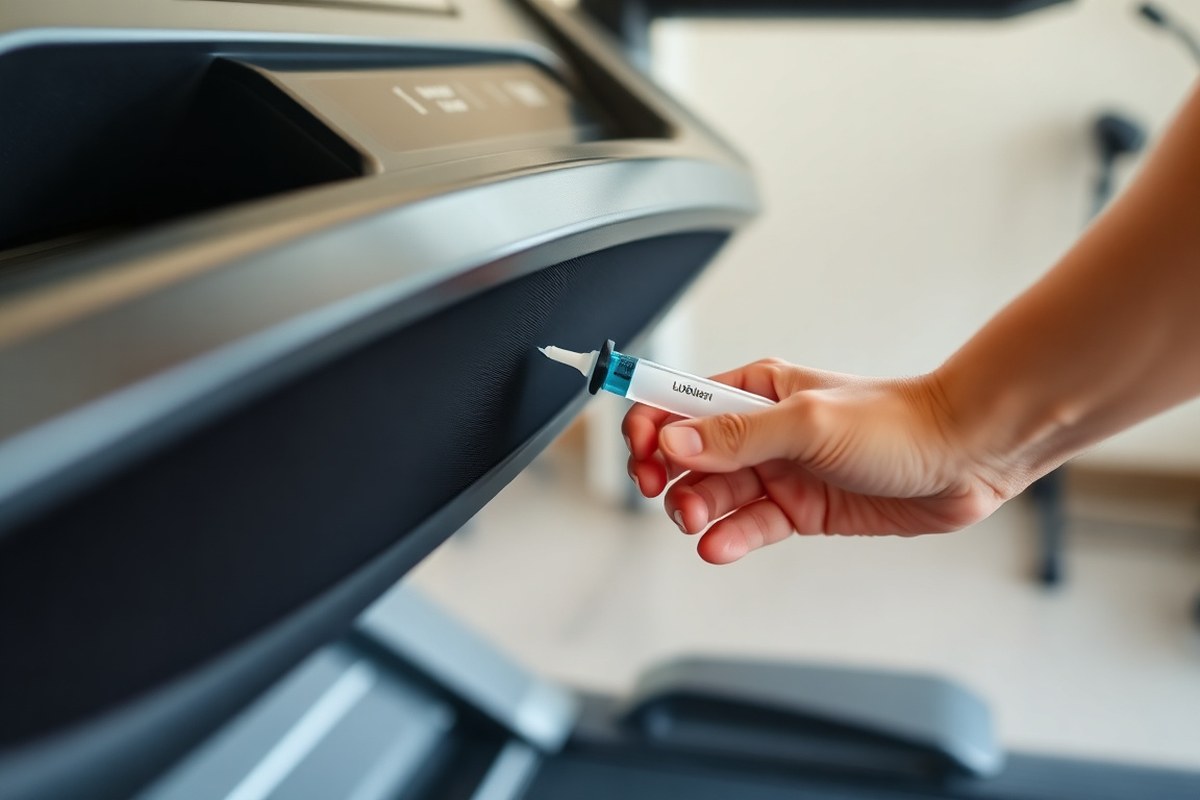
Lift the edges of the treadmill belt gently on both sides. This creates space to apply the lubricant evenly along the deck beneath.
Applying Lubricant Evenly Under the Belt
Use a 100% silicone lubricant recommended by your treadmill’s manufacturer. Apply about 1 ounce total if maintaining, or 2 ounces for a new belt installation.
Spray or squeeze a thin, zigzag line of lubricant. Keep the line about a foot from the front hood. Move the nozzle or bottle along the deck length on both sides after lifting the belt.
Do not apply too much oil or directly on the belt’s top surface. Reposition the belt gently so it sits evenly without twisting or shifting out of place.
Running the Treadmill to Distribute Lubricant
Plug the treadmill back in and power it on after applying lubricant. Run the treadmill at a low speed, around 3 mph.
Do this for about 3 minutes. This helps spread the lubricant evenly under the belt.
Check the belt’s position again and adjust if it’s off-center. Proper lubrication reduces wear and noise, making your treadmill run smoother and last longer.
- Turn off and unplug the treadmill.
- Clean debris under the walking belt.
- Loosen belt slightly if needed using an Allen key.
- Lift the belt edges gently on both sides.
- Apply 1 oz of 100% silicone lubricant in a zigzag. Use 2 oz if the treadmill is new. Spread it along the deck.
- Lower the belt evenly back into place.
- Plug in, power on, and run treadmill at 3 mph for 3 minutes.
- Check belt alignment and adjust if necessary.
Choosing the Right Lubricant: What Works and What Destroys Your Treadmill
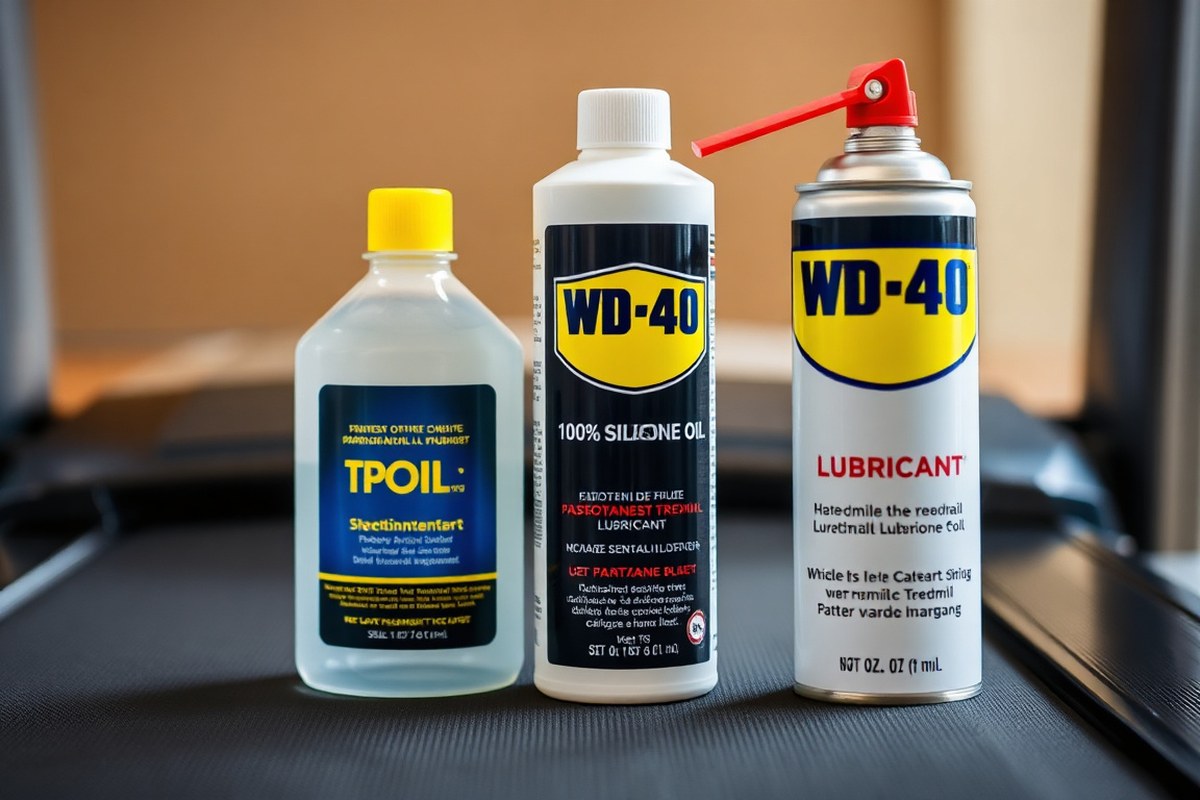
Use a 100% silicone lubricant designed specifically for treadmills. This type protects your belt and deck without breaking down or attracting dust.
Avoid using any household oils or general-purpose sprays. They can damage your machine and cause belt slipping or material wear.
Both liquid and spray forms of 100% silicone work well. Liquid silicone lubricant spreads evenly and lasts longer.
Spray is easier to apply, especially in tight spots. Silicone spray may need a bit more frequent application but is still safe for treadmill belts.
Waxes and oils not made for treadmills can contain harmful additives. These additives can damage the belt surface. They can also make the belt sticky.
Using anything but 100% silicone can lead to faster wear and expensive repairs. That makes a $10 to $20 bottle of proper silicone lubricant a smart, low-cost investment.
| Lubricant Type | Safety for Treadmill Belt | Ease of Application | Price Range |
|---|---|---|---|
| 100% Silicone Liquid | Safe and long-lasting | Moderate (needs spreading) | $8 to $20 |
| 100% Silicone Spray | Safe but may need more frequent use | Easy (sprays evenly) | $10 to $20 |
| Wax-Based Lubricants | Generally safe if approved by manufacturer | Moderate | Varies |
| General Household Oils | Not safe, causes damage | NA | Varies |
| Silicone Sprays Not 100% Pure | Can contain harmful additives | Easy but risky | Varies |
To apply, lift the treadmill belt carefully with one hand. Use about 5 milliliters of silicone lubricant for your treadmill. Spread it in a zig-zag pattern along the deck’s center.
This helps the belt glide smoothly. This method evenly coats the surface and prevents dry spots that cause noise or wear.
Using the right lubricant keeps your treadmill running quieter and extends belt life. Skipping proper lubrication often leads to belt slipping or costly replacements. Most manufacturers suggest applying lubricant before first use and reapplying after heavy treadmill use.
Never use general household oils or non-100% silicone sprays. They can ruin your treadmill belt quickly.
How Often Should You Oil Your Treadmill Based on Use and Manufacturer Guidelines
Lubricate your treadmill every 3 to 6 months or after 150 miles. Usage frequency changes how often you need to oil it. Heavy use means you oil sooner, while once-a-week users might wait 6 months.
A new treadmill needs lubrication after 40 hours of use. This is usually about three months. Regular lubrication keeps it running smoothly and prevents damage.
This gives the belt time to settle in before adding lubricant. Don’t oil it right out of the box unless the manual says so.
Check your treadmill’s manual before lubricating. Some brands recommend oiling every 130 hours or 3 months.
Using the right lubricant and schedule helps avoid wear and tear on the belt and motor. Skipping this can sometimes void your warranty if parts fail.
| Usage Time or Distance | Lubrication Frequency |
|---|---|
| 40 hours or 3 months | First oiling for new treadmills |
| 150 miles or 6 months | Typical oiling interval for moderate use |
| 130 hours or 3 months | Manufacturer recommended for some models |
| Every 3-6 months | General interval depending on use and climate |
| After signs of wear | Squeaking or belt hesitation means oil now |
Your treadmill’s use and model decide the exact interval. For example, if you run five days a week, oil it every 3 months. You can wait up to 6 months between lubrications when you run once a week.
A quick lubrication takes 5 to 10 minutes and costs just a few dollars for lubricant. After oiling, run the treadmill at low speed for 3 to 5 minutes. This helps spread the oil evenly under the belt.
Signs Your Treadmill Belt Needs Lubrication or Adjustment
When your treadmill belt needs lubrication, you’ll notice odd sounds and motion. Squeaking or grinding noises often mean there’s friction from insufficient oil. The belt might also feel jerky or stick as it moves, showing uneven glide.
Heat or a burning smell near the motor or belt area signals a lubrication problem too. A warm belt is normal.
But if it’s hot to the touch or smells like burnt rubber, stop using it. This heat means the belt or motor is struggling, and damage can follow.
- Squeaking or grinding sounds during use
- Jerky, uneven belt movement or sticking spots
- Belt slipping or lagging despite speed settings
- Burning rubber smell or unusual motor heat
- Difficulty lifting or sliding your hand under the belt
- Belt visibly dry or worn in spots when lifted
- Off-center belt tracking that drifts left or right
Checking your belt’s tension can help too. Belts that are too tight or off-center cause slipping and wear. Look for tension bolts near the rear roller.
Too much or too little pressure hurts performance. Using a screwdriver or Allen wrench to adjust these bolts helps fix tracking issues.
Try sliding your hand under the belt when it’s off. The belt may be too tight if it feels very stiff. Finding dry spots without oil means you need to apply more lubricant.
A slipping belt after oiling or strong heat smells can signal damage. Call a technician to prevent more problems.
Essential Supplies and Preparation Needed Before Lubricating Your Treadmill
Start by unplugging your treadmill from the electrical outlet. This step prevents any accidental startup and keeps you safe while working. Make sure the power cable is fully disconnected before you touch any part of the machine.
Next, you’ll need to clean the treadmill belt and deck. Dirt and dust between the belt and deck reduce lubrication effectiveness.
Use a soft cloth or a vacuum with a brush attachment to remove loose debris. Avoid wet cleaners unless the manufacturer allows it.
Gather these supplies before you begin lubricating:
- A bottle of treadmill-specific silicone lubricant
- Soft cloth or microfiber towel for cleaning
- Vacuum cleaner or handheld brush for removing dust
- Plastic gloves if you prefer to keep your hands clean
- User manual for your treadmill model
- A small flathead screwdriver if your treadmill needs belt lifting
Use lubricant made for treadmill belts; general oils can damage the machine. The lubricant usually costs between $10 and $20 for a 4-ounce bottle. Use just a thin layer of about 1 to 2 milliliters each time.
This small amount helps prevent leaks. Avoid adding too much to keep it neat. Applying too much lubricant leads to spills on the sides and the floor around your treadmill.
Always unplug your treadmill before cleaning or applying lubricant to avoid electric shock.
Before applying lubricant, inspect the deck for damage and clean any sweat or grime buildup. Let the treadmill sit for a few minutes after cleaning to dry fully. This helps the lubricant spread evenly without mixing with leftover moisture.
Differences in Lubricating Folding vs Non-Folding Treadmills
Both folding and non-folding treadmills need lubrication. But their designs affect how you access the belt.
Folding treadmills often have tighter clearance, needing careful lifting of the belt. Non-folding models usually offer easier access under the belt for oil application.
Accessing Belt on Folding Treadmills
Folding treadmills have parts that move and fold up, which limits space around the belt. You should stand at the side and gently lift the walking belt near its center. This helps avoid stressing hinges or folding mechanisms.
Be careful not to force the belt up too far. Usually, lifting the edge just enough to slide your finger under is enough to apply oil. Also, place the treadmill on a surface that can be cleaned before starting.
Accessing Belt on Non-Folding Treadmills
Non-folding treadmills have a fixed frame that leaves more room under the belt. Lift the belt’s side gently to apply lubricant. Don’t worry about parts moving out of place.
It’s easy to do. Stand to the side and lift the belt near where your feet land.
Unplug the treadmill first to keep things safe. After lifting, slide your finger under the belt to confirm access to the deck before oiling. This clear space lets you spread lubricant evenly.
Lubrication Application Tips per Treadmill Type
For folding treadmills, use about half to one ounce of oil. Apply it under the belt’s center. This helps the belt move smoothly.
Squirt a line of lubricant along the deck’s full length. Cover the area where your feet land each step. This keeps the belt running well.
For non-folding treadmills, follow the same amount and placement. But you can open the belt wider without damaging parts. Lubricate the center area evenly to reduce friction between the belt and deck.
Always use lubricant made for treadmills to avoid damage. Avoid dripping oil outside the deck area, especially on floor-friendly surfaces. Here is a comparison table showing key facts about lubricating folding vs non-folding treadmills:
| Aspect | Folding Treadmills | Non-Folding Treadmills |
|---|---|---|
| Access space under belt | Tighter, limited clearance | More open, easier to reach |
| Belt lift method | Lift near center carefully to avoid hinge stress | Lift side of belt near foot landing area |
| Lubricant amount | Half to one ounce under belt center | Half to one ounce under belt center |
| Risk during lubrication | Damaging folding parts if forced | Low risk of damage |
| Surface prep | Use easy-to-clean surface due to oil drips | Same prep recommended |
Proper belt lifting matches each treadmill frame and stops damage during lubrication. Spreading oil evenly across the deck makes running smoother. Put your treadmill on a stable, flat surface.
Always unplug the machine before working on it. Handle the belt carefully to avoid damage.
Common Lubrication Mistakes and How to Fix Them
Applying too much lubricant is one of the biggest mistakes you can make. Excess oil soaks into the treadmill belt and deck, causing slipping or a sticky mess. It also attracts dirt, which wears out parts faster and can clog the motor area.
Using the wrong product is another common error. Many people reach for WD-40, 3-in-1 oil, or cooking oil because they are easy to find. These oils don’t work well on treadmills and can actually damage the deck or belt materials.
WD-40 dries out quickly and leaves no real lubrication behind. It may break down the plastic or rubber components, leading to costly repairs. Stick to a treadmill-specific silicone-based lubricant made for your machine’s belt and deck surfaces.
- Use only treadmill lubricant recommended by the manufacturer or a known brand.
- Apply lubricant sparingly, about 1 to 2 tablespoons, depending on your belt size.
- Never spray WD-40, cooking oil, or general household oils on the treadmill.
- Wipe away old excess lubricant before applying new oil to prevent buildup.
- Check your treadmill manual for exact lubrication spots and frequency.
- When unsure, contact a professional technician instead of guessing lubricant types.
Cleaning off old lubricant helps avoid gumming up the belt and deck. Use a soft cloth to gently remove residue before adding fresh oil. Too much lubricant causes the belt to slip or squeak as it runs.
Correctly applying the right amount keeps your treadmill running smoothly. A thin layer spread evenly on the deck cuts friction and wear. It also keeps your belt moving quietly and extends the life of motor parts.
Running the Treadmill After Oiling: Distribution and Belt Check
After applying lubricant, run the treadmill at a low speed to spread it evenly. Stand safely on the side rails and let the belt move for a few minutes. This step prevents dry spots and keeps the belt running smoothly.
Starting the Treadmill at Low Speed
Begin at about 1 to 2 mph to avoid sudden movement that might displace the oil. This slow speed helps the lubricant spread evenly under the belt. You should always stand on the side rails to keep yourself safe during this process.
Raise the treadmill incline if your model allows it. This helps oil reach more parts of the deck. It spreads the oil better.
Keep the speed steady and watch the belt closely as it moves. Avoid stepping onto the belt immediately after oiling; ensure it runs evenly first.
Duration for Lubricant Distribution
Run the treadmill for 2 to 3 minutes at a slow speed. This lets the oil settle into the deck. Give it time to soak in.
This time is enough for the lubricant to cover the entire surface under the belt. Extending the run to about five minutes offers extra coating, improving protection.
Walk slowly side to side on the treadmill for better oil spread. This helps move the oil evenly across the deck. It improves distribution.
This motion helps spread oil directly where your feet contact and prevents slipping during use. Keep the speed slow, around 2 to 3 mph, while doing this step.
Confirming Belt Movement and Alignment
Watch the belt as it runs to ensure it tracks straight across the deck. Belt wobbling or shifting could mean it needs tightening or realignment. Check the belt if you notice these issues.
Fixing it keeps your workout safe. Use your Allen key to adjust belt tension evenly before starting any run.
Check that the belt does not move toward the edges. The running belt should stay centered to avoid wear and tear on the sides. Small misalignments often fix themselves after running the treadmill at low speed.
Let the treadmill run for a few minutes after oiling. This helps the belt settle.
Here’s a simple step-by-step process to run your treadmill after oiling:
- Stand on the side rails to stay safe.
- Set treadmill speed to 1-2 mph and start it.
- Run it this way for about 2-3 minutes.
- Lift incline to max if your treadmill allows it, then continue running.
- Optionally, hop on and walk side to side slowly for 1-2 minutes.
- Observe the belt for smooth, centered movement as it runs.
- Adjust belt tension with an Allen key if it tracks incorrectly.
- Turn treadmill off, then unplug it before any further adjustments.
Don’t stand on the belt during the first lubrication run. You risk slipping or uneven oil spread. Stay off until the process finishes.
When to Call a Professional for Treadmill Maintenance Instead of Lubricating Yourself
Call a professional if your treadmill shows noises or jerks after lubrication. These signs might mean worn parts, a damaged belt, or motor troubles. Lubrication alone won’t fix these; only expert repair can.
Also get help if your treadmill belt slips, wrinkles, or moves unevenly. This could mean the belt needs adjusting or replacing.
It’s unsafe to keep using a belt like this. So a pro should check it.
Skipping regular maintenance causes many problems that lubrication prevents. Dirt buildup or drying out can make the belt wear out fast. Proper lubrication keeps the belt sliding smoothly and cuts down heat from friction.
Try lubricating the belt first if it feels stiff or noisy. Only do this if the belt still runs well. Lubrication can often fix these problems.
Problems that continue after oiling mean you should call a technician. Trying repairs beyond lubrication might cause more damage or void your warranty.
Professional tuning costs usually range from $75 to $150 depending on where you live. They’ll check the belt, motor, and deck condition. The right tools and skills a pro has often avoid costly breakdowns later.
Some companies provide expert treadmill service in New Jersey and New York. NJ Fitness Equipment Repair and Fitness Equipment Repair Specialist LLC are examples. They can help with treadmill maintenance and repairs.
They can spot issues a quick DIY oiling misses. Paying for their work preserves your treadmill’s lifespan and safety.
Step-by-Step Action Plan for Oiling Your Treadmill
Follow these steps to oil your treadmill correctly. This will keep it running smoothly and prevent damage.
- Before you start: Gather all supplies like silicone lubricant and clean cloths. Make sure the treadmill is unplugged and cool.
- Day 1: Lift the treadmill belt carefully. Apply a thin line of silicone lubricant under it. Make sure the layer is even and thin. Check that the lubricant spreads evenly along the deck.
- After application: Plug in and turn on the treadmill. Walk slowly for 5 minutes to help spread the oil under the belt. Feel if the belt moves smoothly.
- Week 2: Inspect the belt edges for dryness or squeaks. Add a little more lubricant if needed. Avoid applying too much at once.
- Month 1: Review manufacturer guidelines. Adjust oiling frequency based on your treadmill use and belt condition.
- Quarterly: Check belt tension and alignment. Tighten or adjust if you notice slipping or uneven wear.
- Yearly: Schedule professional service if the belt or motor shows damage. Noisy operation means it’s time for a check. Get a technician to inspect and fix issues.
Frequently Asked Questions
How Much Silicone Oil Should I Use Each Time I Oil My Treadmill?
Use about 5ml of silicone treadmill oil each session. If you run over 10 hours weekly, double this amount to keep the belt smooth.
Can I Use Any Oil Besides Silicone on My Treadmill?
No, only 100% silicone lubricant is safe for treadmills. Other oils can damage the belt and deck, leading to costly repairs.
What Should I Do If I Notice Squeaking After Oiling the Treadmill?
Squeaking means the lubricant might be uneven or too little. Run the treadmill at low speed for 2-3 minutes to spread the oil evenly.
Is It Normal to Oil a Treadmill Before the Very First Use?
Yes, apply 5ml of silicone oil to a new treadmill deck before starting. This helps reduce friction and extends the belt’s life.
Can Lubricating My Treadmill Myself Save Me Money?
Yes, it costs about $30 for supplies to lubricate your treadmill. This is much cheaper than belt replacement or professional service.
Final Thoughts
Keeping your treadmill oiled helps it work longer and safer. Start by applying the right lubricant evenly under the belt. Check its movement after you oil to catch any issues early.