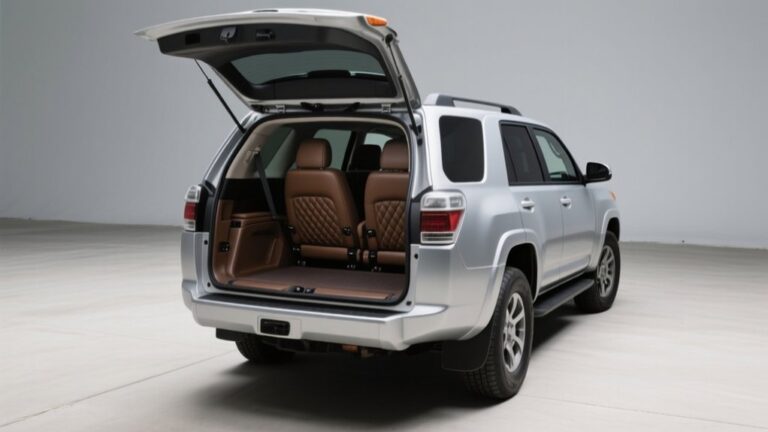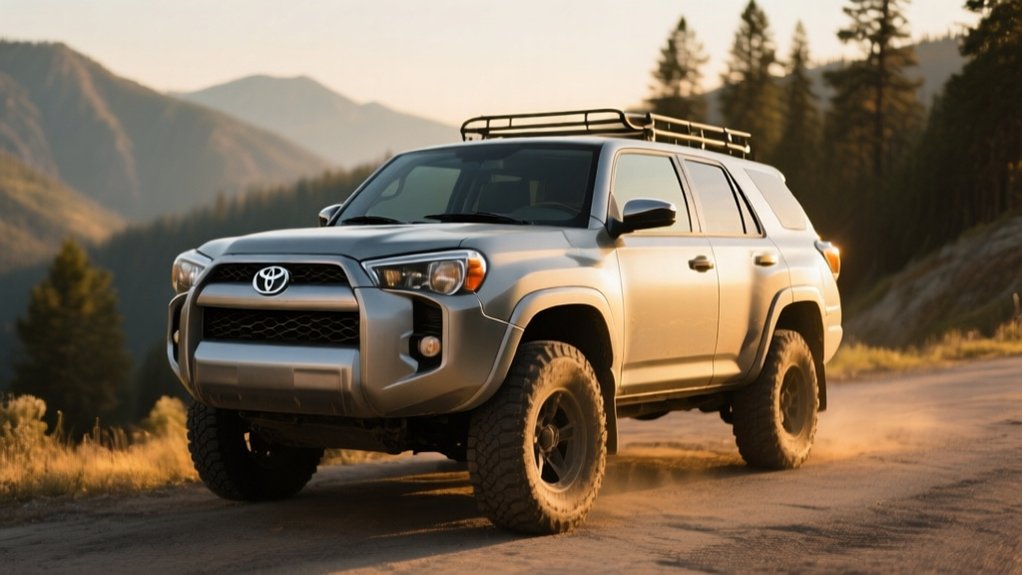
What Generation Is My 4runner – Meaning & More
You can identify your 4Runner’s generation by checking its model year, design features, and engine type. Each generation—from the compact first with a removable roof to the latest fifth with advanced off-road tech—has its own unique look and mechanical traits.
Knowing your generation helps with accurate repairs, parts fit, and performance upgrades.
It also impacts your vehicle’s value and appeal, whether you prefer the classic ruggedness or modern technology.
Exploring these details shows how your 4Runner fits into the broader lineup and helps you get the most out of your vehicle.
Key Takeaways
- The Toyota 4Runner has five distinct generations, each defined by design and mechanical features from 1984 to the present.
- Checking the Vehicle Identification Number (VIN) helps accurately identify your 4Runner’s generation and model year.
- First-generation 4Runners have a compact design with a removable fiberglass roof, while later generations feature enclosed, larger SUV bodies.
- Each generation varies in engine size, interior space, and off-road capabilities, influencing parts compatibility and maintenance needs.
- Knowing your 4Runner’s generation aids in selecting correct parts, modifications, and understanding its value and performance characteristics.
Identifying Your 4Runner’s Generation By Model Year
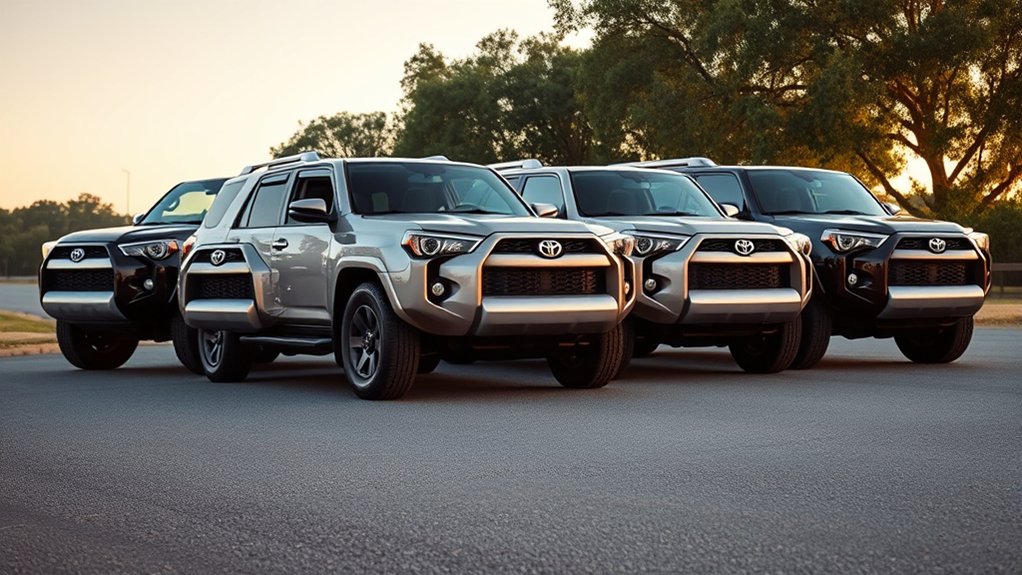
Although the Toyota 4Runner has changed a lot since it first came out in 1984, you can tell which generation it’s from by looking at the model year.
The 4Runner has five generations: first (1984-1989), second (1990-1995), third (1996-2002), fourth (2003-2009), and fifth starting in 2009 and still going today.
Each generation has its own features and design style. The fifth is known for its toughness and the TNGA-F platform.
Every 4Runner generation offers unique features, with the fifth standing out for durability and the TNGA-F platform.
To be sure which generation your 4Runner is, check the Vehicle Identification Number (VIN). It includes details like the model year.
Visual And Mechanical Features Defining Each 4Runner Generation
When you examine the visual and mechanical features of each Toyota 4Runner generation, you’ll notice how design and engineering evolved to balance ruggedness with comfort. Each generation showcases distinct visual features and mechanical upgrades that improve off-road capability and driving experience.
The first generation’s compact design with a removable fiberglass roof and a 2.4L engine emphasized rugged utility. Later generations shifted to larger, more aerodynamic SUV bodies.
Mechanical features advanced with engine sizes growing from 2.4L to 4.0L V6, enhancing power and off-road performance across generations.
The latest generation integrates advanced safety features and modern tech like a 14-inch touchscreen, maintaining toughness while increasing driver assistance and comfort.
These elements define each Toyota 4Runner generation’s unique character and capability.
Comparing The First And Second Generation 4Runners
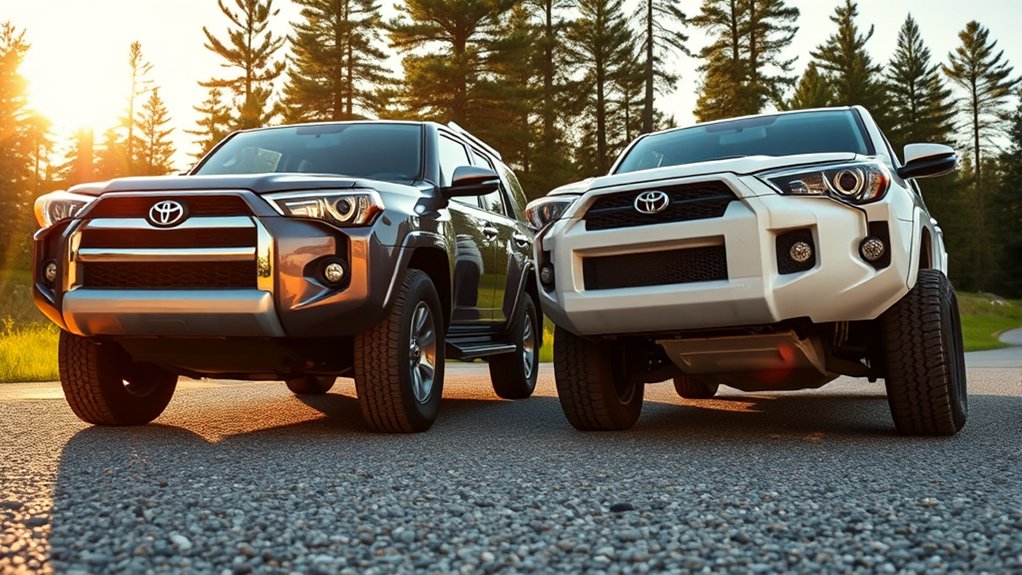
The first and second generation Toyota 4Runners show a clear evolution in design and features that’s easy to spot. The first generation, made from 1984 to 1989, is a compact SUV with a removable fiberglass top and basic interior, focusing on rugged off-road ability.
In contrast, the second generation, from 1990 to 1995, features a fully enclosed body and a more spacious interior, making it more comfortable and safer. You’ll also see upgraded interior materials and audio systems, along with an optional V6 engine for better performance.
Off-road capabilities improve too, with enhanced suspension and refined four-wheel-drive options. Comparing these generations shows how Toyota balanced toughness with increased comfort and power, adapting to changing driver needs without losing durability.
Key Differences Of The Third Generation 4Runner
The third generation 4Runner really brought a fresh look with a sleeker design, making it more stylish than before. Plus, it packed a more powerful V6 engine, which meant better performance on the road and off.
And if you’re into off-roading, you’ll appreciate the upgrades there too. It offered more versatility with both two- and four-wheel drive options, giving you more confidence wherever you take it. Overall, these changes really set the third gen apart from the earlier models.
Design Changes Overview
Although the third generation 4Runner kept its rugged appeal, it adopted a more rounded and aerodynamic design that marked a clear change from the boxier look of earlier models. This shift improved both looks and functionality, showing Toyota’s commitment to evolving the 4Runner’s design.
You’ll notice key updates that made the vehicle more comfortable and safer, while also offering more trim options.
The spacious interior grew, now fitting five people with an optional third-row seat, making it more family-friendly.
The sporty TRD Off-Road trim was introduced, focusing on better off-road capability without sacrificing comfort.
Safety features advanced, with driver and passenger airbags now standard, providing more protection than previous generations.
These design changes highlight the third generation Toyota 4Runner’s balance between ruggedness and refinement.
Engine and Performance
Power and capability define the third generation Toyota 4Runner’s engine and performance upgrades. You get a 3.4-liter V6 engine producing 183 horsepower and 217 lb-ft of torque, offering a good balance between power and efficiency. Its body-on-frame design boosts durability and off-road ability.
The optional full-time four-wheel drive system enhances traction when you need it most. The multi-link rear suspension improves ride comfort and handling, making every drive smoother. With a towing capacity of up to 5,000 pounds, it’s reliable for hauling heavy loads.
Off-Road Enhancements
Several key off-road improvements set the third-generation Toyota 4Runner apart from earlier models. You’ll notice better performance and capability thanks to refined enhancements made for rugged terrains.
Key upgrades include an increased ground clearance of about 8.1 inches, making it easier to navigate obstacles. Skid plates also protect vital components when driving over rough surfaces.
An optional locking rear differential paired with a full-time 4WD system offers superior traction and stability in tough conditions. These features, combined with a sturdy suspension and a powerful V6 engine, greatly boost the 4Runner’s off-road performance.
Why The Fourth Generation 4Runner Is A Fan Favorite
Four key attributes make the fourth generation 4Runner a fan favorite: its rugged body-on-frame design, reliable 4.0-liter V6 engine, spacious interior, and advanced off-road features. Produced from 2003 to 2009, this generation strikes a great balance between power and fuel efficiency with its 270-horsepower V6 engine, making it appealing to those who need dependable performance.
Its spacious interior comfortably seats up to seven passengers, making it practical for families and group adventures. Off-road capability is also a highlight, thanks to features like the locking rear differential and available 4WD systems, which help you handle challenging terrain with confidence.
Coupled with proven reliability and strong resale value, the fourth generation 4Runner has earned a loyal following. It’s a standout choice for enthusiasts who want durability and versatility in their vehicle.
What’s New In The Fifth Generation 4Runner?
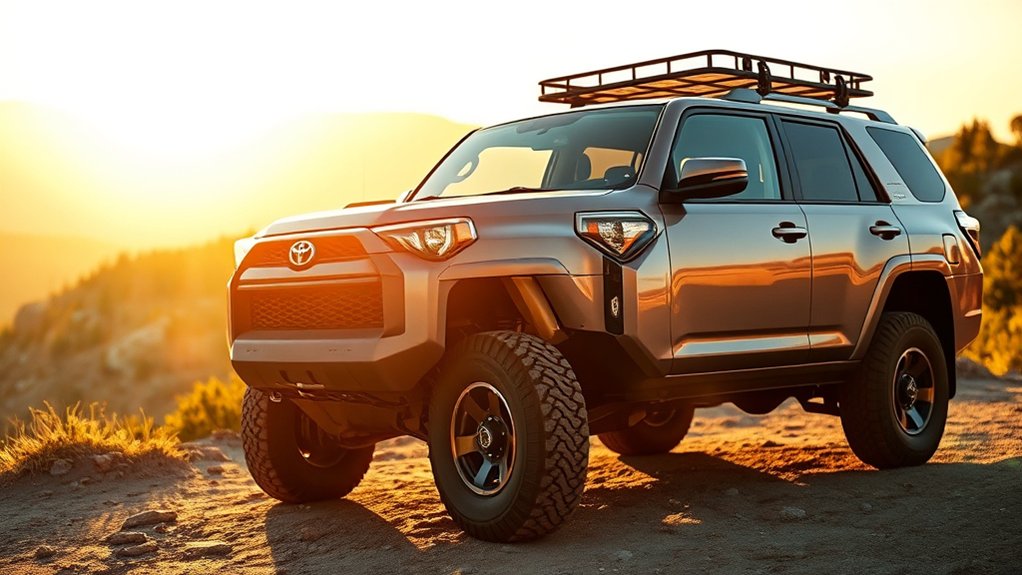
The fifth generation 4Runner, introduced in 2010, continues to build on its reputation for rugged durability while adding modern features. This Toyota 4Runner offers a great mix of power, comfort, and tech that appeals to everyday drivers and off-road fans alike.
Key updates include a strong 4.0-liter V6 engine that puts out 270 horsepower, paired with a five-speed automatic transmission for dependable performance. It also boosts off-road abilities with Multi-Terrain Select, Crawl Control, and a locking rear differential to handle tough terrains.
Inside, the 4Runner can seat up to seven passengers and now comes with modern tech like a touchscreen infotainment system and available navigation. These upgrades make the fifth generation 4Runner versatile, blending strength, utility, and convenience.
Using VIN And Tools To Confirm Your 4Runner’s Generation
Understanding the specific generation of your 4Runner helps you appreciate the features and improvements made over the years, like those in the fifth generation. To verify your Toyota 4Runner’s generation, start by checking the Vehicle Identification Number (VIN).
The fifth character in the VIN reveals the model year and generation. The first digit shows the manufacturing country, with “J” indicating Japan. You can use online tools to decode the VIN, which provide detailed specs, including the generation and model year.
Comparing this info with Toyota’s official generation charts helps you accurately identify your 4Runner’s generation. This method ensures you have precise knowledge of your vehicle’s lineage based on objective data rather than assumptions.
Why It Pays To Know Your 4Runner’s Generation For Repairs And Upgrades
Because each 4Runner generation has its own specifications and designs, knowing which one you own is key for choosing the right parts and upgrades.
The Toyota 4Runner has gone through five generations, each with different engines, suspension setups, and tech features. This knowledge really impacts your repairs, maintenance, and aftermarket mods.
Here’s why it’s helpful to know your 4Runner’s generation:
Understanding your 4Runner’s generation is crucial for proper repairs, maintenance, and choosing the right upgrades.
- It ensures parts will fit, helping you avoid costly mistakes during repairs or upgrades.
- It guides you in picking maintenance methods suited to your vehicle’s age and design.
- It helps you choose aftermarket mods that boost performance while keeping reliability intact.
Knowing your 4Runner’s generation saves you time, money, and frustration. It helps your vehicle run its best and keeps its value over time.
How Classic And Modern 4Runners Differ In Value And Appeal
You’ll see that classic 4Runners tend to attract folks who really appreciate simplicity, ruggedness, and that nostalgic vibe. Because of their timeless appeal, their prices often go up over time, making them a favorite for collectors or enthusiasts who love the old-school feel.
On the flip side, modern 4Runners catch the eye with their advanced tech and better performance. They’re perfect if you’re looking for up-to-date features and a more comfortable ride. Knowing what makes each type special helps you understand why both have their own fans and why each generation stands out in the market.
Classic Versus Modern Appeal
While both classic and modern 4Runners offer unique advantages, their appeal and value depend on what you prioritize. Classic 4Runners attract you with their nostalgic charm, rugged simplicity, and boxy look.
In contrast, modern 4Runners impress with advanced tech, boosted performance, and sleek design. Think about these differences:
- Nostalgic Value vs. Advanced Technology: Classic models focus on mechanical reliability, while modern ones have high-tech safety and driver assistance features.
- Aesthetic Preferences: You might prefer the vintage, utilitarian style of classic 4Runners or the contemporary look of modern models.
- Performance Capabilities: Modern 4Runners come with better powertrains and off-road tech like Multi-Terrain Select, making them great for adventure.
Ultimately, your choice depends on whether you value heritage and simplicity or innovation and performance.
Value Trends Over Time
As 4Runners age, their value trends differ a lot between classic and modern models. Classic 4Runners tend to appreciate because of their rugged build and off-road capabilities, while modern ones usually depreciate like most new vehicles. Still, they keep a strong resale value thanks to advanced safety features and tech.
Understanding these differences helps you get a better idea of long-term value and appeal. Classic models are often seen as nostalgic and reliable mechanically, making them popular with collectors. Modern 4Runners are more tech-focused and safety-conscious, appealing to practical buyers.
Market demand reflects this too. Classics are favored by enthusiasts, whereas newer models attract those looking for practicality and modern features. Overall, knowing how each type ages can guide your buying or selling decisions.
Frequently Asked Questions
What Are Common Maintenance Issues Unique to Each 4runner Generation?
You’ll find each 4Runner generation has unique maintenance concerns. The first struggles with rust and carburetor fuel delivery issues.
The second often faces head gasket failures in V6 engines.
The third commonly leaks rear axle seals.
Fourth generations risk transmission cooler failure, which can damage the transmission.
Finally, the fifth generation experiences premature wear in front suspension control arms, impacting ride quality.
Knowing these issues helps you catch problems early and keep your 4Runner reliable.
How Do Fuel Efficiency Ratings Vary Across 4runner Generations?
You’ll notice fuel efficiency varies quite a bit across 4Runner generations.
For example, the first-gen manages around 20 MPG city, while the second drops to about 16 MPG city due to a bigger V6 engine. Efficiency slightly improves in later models, with the fifth-gen averaging 17 MPG city and 21 MPG highway.
These shifts reflect engine upgrades and changing technology, so your 4Runner’s generation directly impacts your fuel economy.
Which 4runner Generation Offers the Best Aftermarket Upgrade Options?
You’ll find the 4th and 5th generations offer the best aftermarket upgrade options. The 4th generation (2003-2009) has extensive suspension, exhaust, and performance parts, making it ideal if you want powerful upgrades.
The 5th generation (2010-present) shines with off-road accessories like bumpers and skid plates, perfect for rugged customization. If you prefer simplicity and DIY ease, the 3rd generation also has solid support but fewer options than the later models.
Are There Notable Safety Feature Differences Between 4runner Generations?
Yes, you’ll notice significant safety differences between 4Runner generations. The 5th generation offers advanced features like Toyota Safety Sense™, including lane departure alerts and adaptive cruise control, which earlier models lack.
While the 4th generation introduced basic safety elements such as stability control and side airbags, the latest generation improves crash ratings and adds vehicle monitoring systems like the Multi-Terrain Monitor. This gives you better protection and visibility, especially off-road.
How Does Insurance Cost Differ by 4runner Generation?
In terms of insurance costs, you’ll find the 5th generation 4Runner usually costs less to insure thanks to improved safety features and crash ratings.
Older generations often come with higher premiums because repairs are pricier and safety tech is less advanced.
Keep in mind, specific trims like the TRD Pro might push your rates up due to their value and repair expenses.
Conclusion
Knowing your 4Runner’s generation isn’t just trivia; it’s essential. For example, nearly 70% of enthusiasts prefer the fourth generation for its rugged design and modern comfort.
By identifying your model’s generation, you can make smarter decisions about repairs, upgrades, and resale value.
Whether you own a classic or a newer model, understanding these differences guarantees you get the most out of your 4Runner both on and off the road.