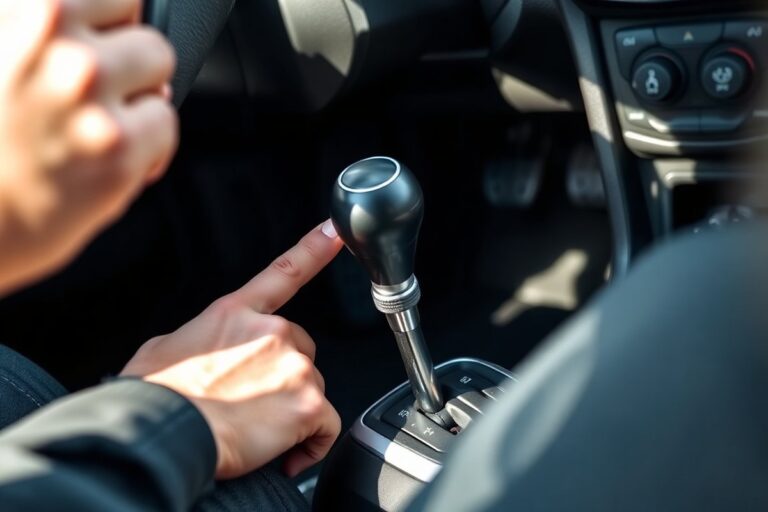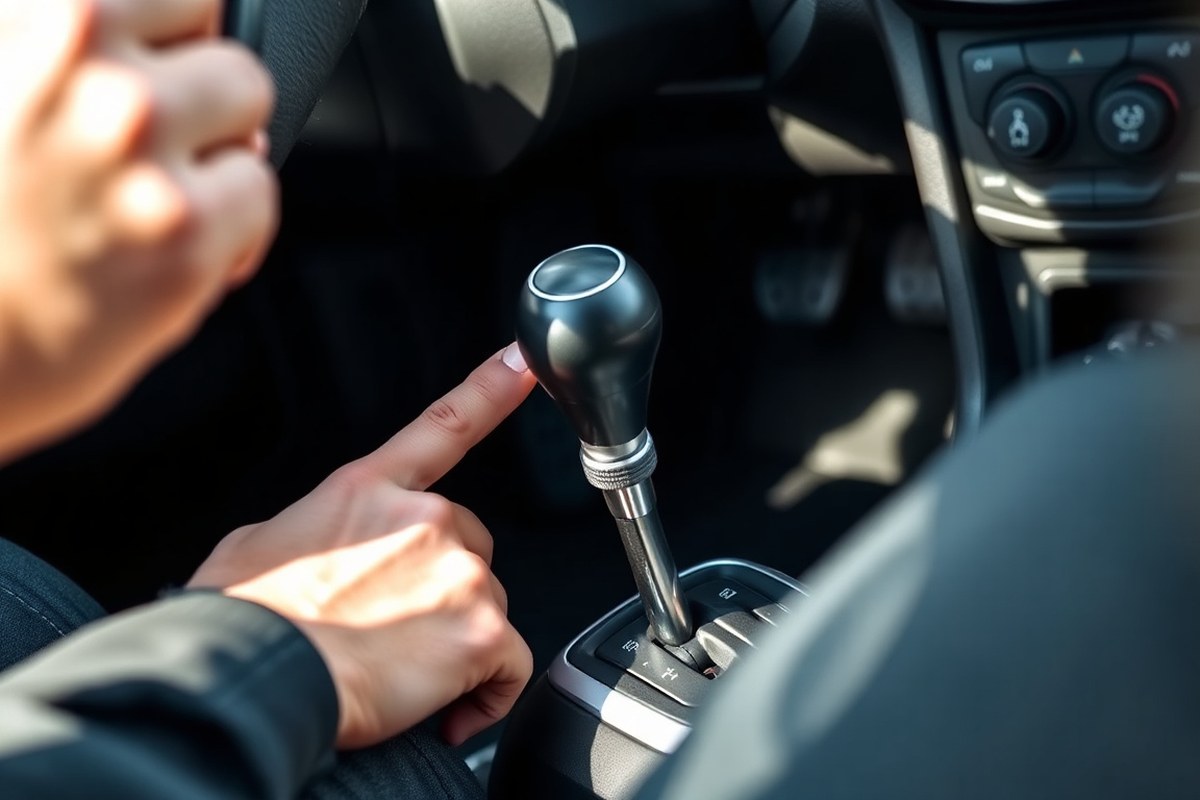
What Is a Manual Transmission? A Complete Guide That Explains How It Works
What is a manual transmission? It’s a system that lets you control your car’s gears by hand. Unlike automatics, you must use a clutch pedal.
You shift the gear stick yourself. This gives you more control over the vehicle’s power and speed.
Manual transmissions usually come with 5 or 6 gears. You choose which gear to use depending on your speed and road conditions. Changing gears manually helps improve fuel economy and can make driving more engaging.
To keep a manual running smooth, you change the gear oil often. Do this every 30,000 to 60,000 miles.
Aggressive driving or towing may call for more frequent oil changes. Proper care lets the transmission last well over 120,000 miles or more.
Key Takeaways
- Manual transmissions require you to operate a clutch and shift gears manually.
- They usually have 5 or 6 gears to match different driving speeds.
- Changing gears by hand gives better control over power and speed.
- You can improve your fuel economy by about 15% with a manual transmission.
- Gear oil should be changed every 30,000 to 60,000 miles under normal driving.
- Drive aggressively or tow often? Change your manual’s gear oil every 15,000 miles.
What Is a Manual Transmission and How It Differs from Automatic
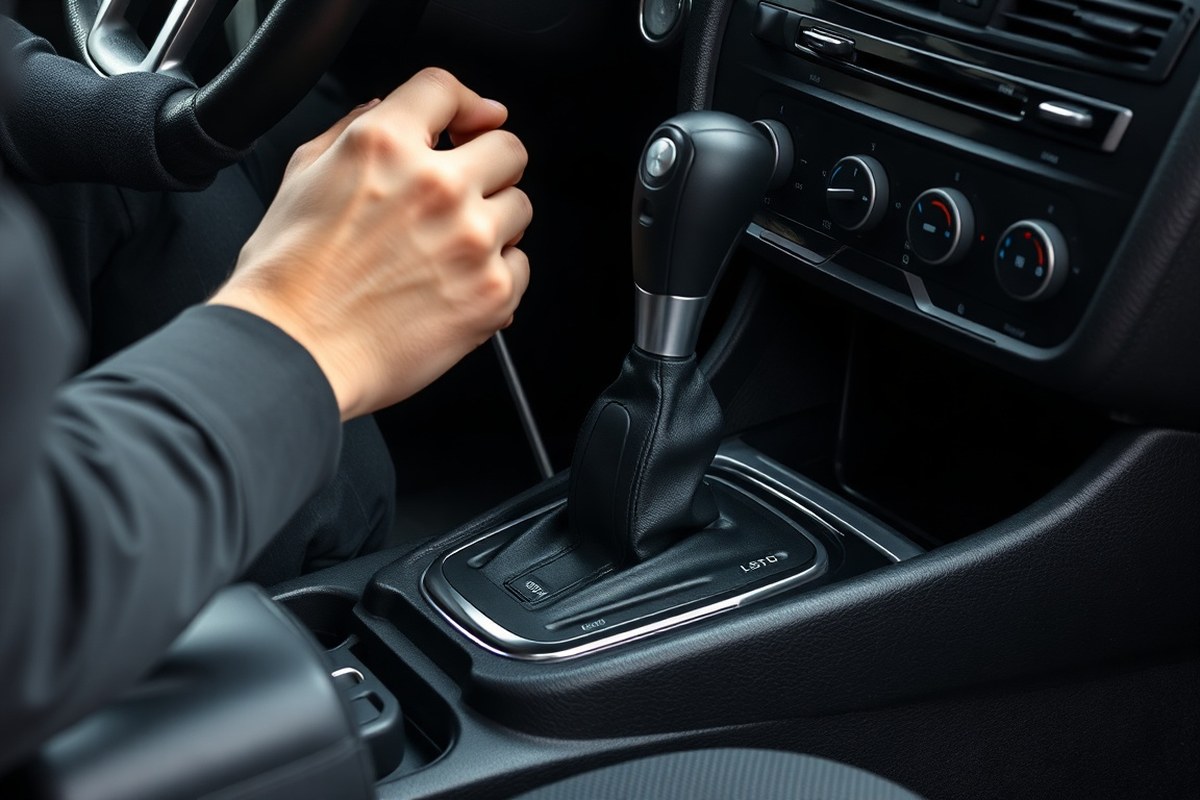
A manual transmission lets you change the car’s gears yourself. People also call it a stick-shift or standard transmission. You use a gear stick to pick gears by hand.
A clutch pedal connects or disconnects the engine. The system has three shafts with different-sized gears. These gears change the car’s speed and power.
Manual transmissions need the driver to use the clutch. You also have to move the gear lever by hand. Automatic transmissions handle these actions inside the gearbox using hydraulic fluid and computers.
Some automatics borrow the manual design but add a computer-controlled clutch. These are called automated manuals or dual-clutch transmissions.
Manual transmission uses gear oil for lubrication, not hydraulic transmission fluid like an automatic does. You should change the gear oil every 30,000 to 60,000 miles. This helps parts last over 120,000 miles with care.
You’ll find manuals mostly in base model cars with a 5-speed setup. But they’re less common today as automatics dominate the market.
How Does a Manual Transmission Work Step-by-Step

Power moves through a manual transmission using the clutch and gears. The engine connects to the wheels this way. The clutch controls how power flows.
You use the clutch pedal to momentarily disconnect engine power from the transmission. You pick the right gear using the shifter.
This controls power flow and wheel speed. Changing gears changes how fast the car moves.
Input and Output Shafts Function
The input shaft connects directly to the engine’s flywheel and spins when the engine runs. This shaft turns the countershaft, which has multiple gears for each gear ratio. The output shaft connects to the wheels and receives power when a gear is engaged.
When the countershaft and output shaft gears match, a collar locks them. This collar keeps both shafts linked. It holds the gears firmly in place.
This lets power flow from the engine to the wheels at the chosen gear ratio. In neutral, the input and countershaft spin. But the output shaft stays still because no gears are locked.
The Role of the Clutch Pedal
The clutch pedal controls a hydraulically operated clutch disc between the engine and transmission. You press the clutch to separate the engine power from the transmission. This allows you to stop power flow and shift gears smoothly.
Releasing the clutch lets the disc touch the flywheel again. This transfers power through the input shaft.
The engine’s power moves to the wheels. The clutch helps prevent grinding when you change gears by temporarily disconnecting the engine’s rotation.
Engaging Gears and Using Synchronizers
Synchronizers make the gear speeds match before they meet. This lets you shift smoothly and quietly. It stops noise and gear damage.
Moving the gear lever makes the synchronizer match gear speed to output shaft speed. This helps gears mesh well.
It prevents grinding sounds. Then it locks the gear in place using a collar.
To change gears, first press the clutch. Then move the gear lever.
Synchronizers adjust speed, and finally, release the clutch. This makes gear changes smooth and lets you control the power flow and vehicle speed precisely.
Here are the key steps to change gears smoothly in a manual transmission:
- Press the clutch pedal fully to disconnect engine power.
- Move the gear lever to the desired gear following the H pattern.
- Allow the synchronizers to match gear speeds by holding the lever briefly.
- Slowly release the clutch pedal to re-engage power transfer.
- Press the accelerator gently to match engine speed with the selected gear.
Never release the clutch too fast or the engine will stall or jerk.
Main Parts of a Manual Transmission and Their Roles
A manual transmission includes several key parts that work together during shifting. Each component has a specific job in controlling power and gear selection. Understanding these parts helps you know how the transmission changes your car’s speed and torque.
Clutch and Clutch Pedal
The clutch connects and disconnects the engine from the transmission. When you press the clutch pedal, it releases the clutch disc, stopping power flow. This action lets you shift gears without grinding or damage.
The clutch pedal itself uses a hydraulic system to operate smoothly. Pressing it disengages the clutch, and releasing it re-engages power transfer. This mechanical link is what gives you full control over gear changes.
Gear Sets and Shafts
Inside the transmission, gear sets are mounted on shafts to change speed and torque. The input shaft receives power from the engine via the clutch disc. The output shaft connects to the wheels, carrying adjusted power based on gear choice.
Multiple gear pairs provide different ratios for speed control. Selecting a gear locks the corresponding gears to the output shaft. This mechanical lock changes the rotation speed to either accelerate or slow the car as needed.
Selector Fork and Synchronizers
The selector fork moves gears into place during each shift. It slides gears along the shaft so the right gear pair engages with the output shaft. Without this fork, shifting gears manually wouldn’t be possible.
Synchronizers help match gear speeds before engagement. They prevent grinding by smoothing the connection between gears as you shift. This part ensures gear changes feel smooth and protects the transmission from damage.
Types of Manual Transmissions Compared with Pros and Cons
Manual transmissions come in a few types, each with unique mechanical setups. The sliding mesh transmission is an older type. Gears slide into place to engage.
It often lacks synchronizers. This makes shifting tricky and is mostly found in vintage or specialized vehicles.
Constant mesh transmissions keep all gears spinning and meshed. But only one gear is engaged at a time. This setup reduces gear wear and noise.
The synchromesh type builds on constant mesh. It adds synchronizers to match gear speeds.
This helps smooth gear engagement. This makes shifting smoother and is common in most modern manual cars.
Preselector transmissions use a different concept. Drivers use a lever to pick the next gear early.
Then, a separate control, like a pedal, makes the gear change. These were more common from the 1930s to the 1950s and rarely appear in today’s vehicles.
| Type | Gear Engagement | Smoothness | Common Use | Era or Vehicle Type |
|---|---|---|---|---|
| Sliding Mesh | Gears slide to engage | Low; no synchronizers | Vintage cars | Early 1900s, classic vehicles |
| Constant Mesh | Gears always mesh, one engaged | Medium; no synchromesh | Mid-1900s cars | 1950s vehicles |
| Synchromesh | Constant mesh with synchronizers | High; smooth shifting | Modern manual cars | Most vehicles after 1950s |
| Preselector | Gear pre-selected, engaged by control | Medium; assisted shifting | Classic and early automatics | 1930s-1950s |
Sliding mesh transmissions require the driver to match speeds manually. This can lead to grinding and slower shifts. In comparison, synchromesh transmissions make shifting easier and faster by equalizing gear speeds before engagement.
Today, almost all manual cars use synchromesh setups, often with five or six speeds. Preselector types and sliding mesh styles have mostly faded away, except for collectors or special uses. Choosing the type matters for driving feel, maintenance, and smoothness.
How Gear Ratios Affect Performance and Driving
The gear ratio in manual transmissions compares the teeth on two gears. It decides how engine power changes into wheel speed and torque.
Lower gear ratios increase torque while cutting down speed. Higher ratios improve speed but reduce torque instead.
Think of first gear as having a gear ratio of about 3.5:1. The engine turning 3,000 times per minute means the wheels turn slower. Gear ratios multiply or reduce the wheels’ speed compared to the engine.
This changes how the car accelerates and handles power.5 times, the output shaft spins once. This multiplies engine torque, helping the car start moving from a stop. Your engine makes 150 lb-ft of torque.
In first gear, this torque grows to about 525 lb-ft at the wheels. That extra torque helps the car start moving easier.
In contrast, sixth gear might have a ratio near 0.8:1. That means the output shaft spins faster than the engine. The engine runs at lower revolutions per minute (RPM), saving fuel and reducing noise.
But torque output is lower. So this gear is for cruising at high speeds where less pulling power is needed.
Each gear ratio is set to match different driving needs. Low gears multiply torque to overcome inertia at slow speeds or climbing hills.
High gears reduce engine effort for fuel efficiency on highways. The driver chooses the gear manually to balance speed and power.
Picture your engine running at 3,000 RPM in third gear. This gear has a 1:1 ratio. It means the wheels spin once for every engine turn.5:1, your wheels spin at 2,000 RPM (3,000 divided by 1.5).
Switch to second gear with a 2.5:1 ratio, and wheels slow to 1,200 RPM. Torque increases but speed drops, giving you more control.
Avoid riding the clutch when changing gears; it wears parts and wastes power.
Advantages and Disadvantages of Driving a Manual Transmission
Manual transmissions offer several benefits, especially if you enjoy control and mechanical efficiency. They let you decide exactly when to shift gears, which improves driving feel and performance. Enthusiasts appreciate this control in sports cars and tricky driving conditions like hills or track days.
Maintenance is simpler and usually cheaper. Manual gearboxes have fewer parts than automatics, so they need less upkeep.
Repairs tend to cost less. With proper care, manuals often last beyond 200,000 miles.
Still, manual transmissions come with downsides. Driving a stick takes more skill and attention, particularly in stop-and-go traffic. New drivers may struggle with clutch and gear shifting.
This can cause stalling or damage to the parts. It takes practice to get smooth coordination. Manuals are also less common in many new cars, which can limit your choices.
- More driver control over gear selection and engine power
- Generally lower purchase price and maintenance costs
- Simpler design leads to long-lasting, reliable operation
- Can improve fuel economy with proper shifting
- Steeper learning curve for new drivers
- Not as convenient in heavy traffic or urban driving
- Fewer new car models offer manual transmissions today
Manual transmissions remain relevant for people who value engagement and mechanical simplicity. They’re common in certain performance cars, commercial vehicles, and markets where maintenance costs matter most.
Many prefer manual for a hands-on driving feel. You can also save money on repairs this way.
Still, automatics provide easier operation and are improving in efficiency and technology. Your choice depends on what you want in a car. Thinking about your daily driving matters here.
Both types have their pros and cons. Manuals work well for those who like shifting gears.
They are good if you plan to keep your car long. This choice fits a hands-on driving style.
Proper Driving Techniques for Manual Transmission Cars
Driving a manual car means learning to use the clutch well. You also need to shift gears smoothly. These skills help you drive better.
Doing this right helps avoid stalls, jerks, or gear grinding. Practice timing your clutch and shifts to get a smooth ride every time.
Starting and Stopping Smoothly
To start smoothly, press the clutch all the way down before shifting into first gear. Gently release the clutch while slowly pressing the gas pedal. This balances power from the engine to the wheels and prevents stalling.
Stopping requires pressing the clutch before the car slows too much. This stops the engine from stalling when the car nearly stops. It’s key to feel the clutch’s bite point where it starts to engage.
Proper Gear Shifting Technique
Shifting gears smoothly means timing your clutch and shift lever movements right. Always press the clutch fully before moving the gear lever. Change to the next gear as your engine revs reach the right speed range.
Avoid shifting too quickly or letting the clutch out too fast. Both can cause jerks.
Pay attention to engine sounds and the speedometer to decide when to shift. This way, you protect the transmission and enjoy a comfortable ride.
- Press the clutch pedal fully to disconnect the engine power from the wheels.
- Move the gear lever to the desired gear position without forcing it.
- Release the clutch pedal slowly while pressing the gas pedal gently.
- Listen to the engine revs to time shifts between higher or lower gears.
- Press the clutch again whenever you want to change gears.
- Avoid resting your foot on the clutch pedal between shifts to prevent wear.
- Practice coordination to make shifts smooth and avoid jerks or grinding.
Using Rev-Matching for Smooth Downshifts
Rev-matching raises the engine speed before releasing the clutch. This matches the RPM to the lower gear’s speed. It makes shifting smoother.
This keeps the car from jerking or the gears from grinding. Drivers use this technique especially during downshifts while slowing or turning.
Press the clutch to shift to a lower gear. Then gently tap the gas to raise the RPM. Finally, release the clutch slowly.
Then, release the clutch smoothly to match engine speed with wheel speed. Many sports cars use rev-matching to improve control and reduce clutch wear.
Manual Transmission Maintenance, Lifespan, and Common Repairs
Manual transmissions need regular gear oil changes to stay smooth. You should change the oil every 30,000 to 60,000 miles under normal driving conditions. For heavy use like racing or work, change it every 15,000 miles.
This helps avoid wear and damage. Don’t wait too long to swap it out.
Clutch parts wear out faster than other components. Replacing a clutch can cost several hundred to over a thousand dollars, depending on your car. Common repairs include fixing worn synchros or replacing bearings.
These happen from rough shifts or old age. Regular checks can catch issues early.
- Change gear oil every 30,000, 60,000 miles for normal use
- Change gear oil every 15,000 miles for heavy or aggressive driving
- Replace the clutch when slipping or feeling weak
- Check for gear grinding, a sign of worn synchros
- Avoid riding the clutch to extend its life
- Inspect transmission mounts during service intervals
Different gear types inside vary, but maintenance is similar. Good driving habits help your manual transmission last longer. Avoid resting your foot on the clutch while driving.
Don’t keep your hand on the shifter either. This helps prevent unnecessary wear. These habits cause extra wear.
Most manuals last 100,000 to 150,000 miles with good care. Hear noises or have trouble shifting? Get it checked as soon as possible.
Early fixes can prevent bigger problems. Acting early can save you from expensive repairs. Use the right grade of gear oil for your model to protect the gears.
Check your owner’s manual for the correct gear oil type and change intervals.
How to Identify Manual Transmission Problems Early
Unusual noises or sensations are early signs of manual transmission trouble. Grinding or crunching sounds when shifting often mean the clutch isn’t disengaging fully. A dragging clutch or a slipping feeling during acceleration also signals clutch wear or failure.
Check these symptoms regularly to catch problems before they worsen. Worn clutch discs cause the engine to rev higher without increasing speed. Trouble shifting gears or a clutch pedal that feels soft may show hydraulic issues.
The clutch pedal might also feel spongy. These signs suggest a problem with the hydraulic system. Sometimes, a burning smell means the clutch is overheating from slipping.
- Grinding or crunching noises when changing gears
- Clutch pedal feels soft, spongy, or sticks
- Car revs rise but vehicle speed does not increase
- Difficulty shifting into or out of gear
- Burning smell while driving or after use
- Car creeps forward with clutch fully pressed
When these signs appear, consider a professional inspection soon. Clutch repairs often cost between $600 and $1,200, depending on your vehicle and labor rates.
Transmission repairs or rebuilds vary more, so an estimate is best. Delaying repairs can cause damage to the transmission or flywheel, raising costs.
You can test clutch wear by noting if the clutch engages too high on the pedal. Also, try shifting into first or reverse while stopped; any resistance may indicate problems.
Avoid riding the clutch or resting your foot on the pedal, which accelerates wear. Keeping an eye on these cues saves time and money in the long run.
Step-by-Step Action Plan for Mastering Your Manual Transmission Car
Take control of your manual transmission with these simple steps. Practice regularly to gain confidence and smooth shifting.
- Day 1: Learn the layout of the gear shift and clutch pedal. Know where first gear is and how the clutch feels pressed down.
- Day 3: Practice starting the car on a flat, quiet spot. Release the clutch slowly while pressing the gas, stopping when it stalls.
- Week 1: Drive in an empty parking lot. Shift between first and second gear until the transitions feel smooth and natural.
- Week 2: Try shifting into higher gears while driving on a quiet street. Notice the engine speed dropping when you shift up.
- Week 3: Practice stopping and starting on gentle hills. This helps you learn hill starts. Focus on not rolling back.
- Week 4: Add some traffic situations. Focus on clutch control, shifting on time, and reacting smoothly to stop-and-go traffic.
- After 1 Month: Check your car for clutch slipping signs or unusual noises. Adjust your technique if the car jostles or stalls.
- Ongoing: Keep following the maintenance schedule for clutch and transmission fluid changes. That helps your skills last longer.
Frequently Asked Questions
How Often Should I Change the Oil in a Manual Transmission?
Change manual transmission oil every 30,000 to 60,000 miles. Aggressive driving or heavy use may require changes every 15,000 miles for better protection.
Can I Tow a Trailer with a Manual Transmission Vehicle?
Yes, manual transmission cars can tow trailers. Use lower gears when climbing hills and avoid riding the clutch to prevent damage during towing.
Are Manual Transmissions Harder to Sell When I Trade in My Car?
Manual cars often have a smaller market. So they can be harder to sell or trade. Some buyers prefer automatics, which dominate the market now.
Why Do Some Sports Cars Still Use Manual Transmissions?
Sports cars use manual gearboxes for better control and driver engagement. They offer quicker gear changes and a more connected feel to the car.
Can You Learn to Drive Manual Transmission on Any Car Model?
Yes, you can learn on most manual cars, usually 5- or 6-speed models. Practicing in a simple, less powerful vehicle helps you build confidence.
The Bottom Line
A manual transmission gives you full control and a more engaging drive. Spend time practicing the clutch and gears in different conditions. Start today by finding a quiet spot to get comfortable with clutch release and shifting.