What Is A-trac On Toyota 4runner – Meaning & More
A-TRAC on your Toyota 4Runner keeps an eye on wheel slip and applies brake pressure to spinning wheels. This helps you stay in control while keeping engine power going.
It’s especially useful on slippery or rough terrain, like mud, snow, or uneven surfaces. A-TRAC prevents wheel spin and boosts traction, making off-road driving safer and more stable.
You can turn A-TRAC on or off manually, depending on the conditions.
Knowing how it works and manages grip can help you get the most out of your vehicle in tough environments.
Key Takeaways
- A-TRAC on Toyota 4Runner stands for Active Traction Control, enhancing traction by monitoring and controlling wheel slip.
- It applies brake pressure to spinning wheels instead of reducing engine power, improving grip on slippery or uneven surfaces.
- A-TRAC is ideal for off-road and low-traction conditions like mud, snow, and steep inclines to maintain stability.
- The system is manually activated via a dashboard button, with an indicator light confirming its operational status.
- Regular sensor checks and maintenance are essential to prevent issues like uneven grip and warning lights.
What Is A-TRAC And How Does It Work?
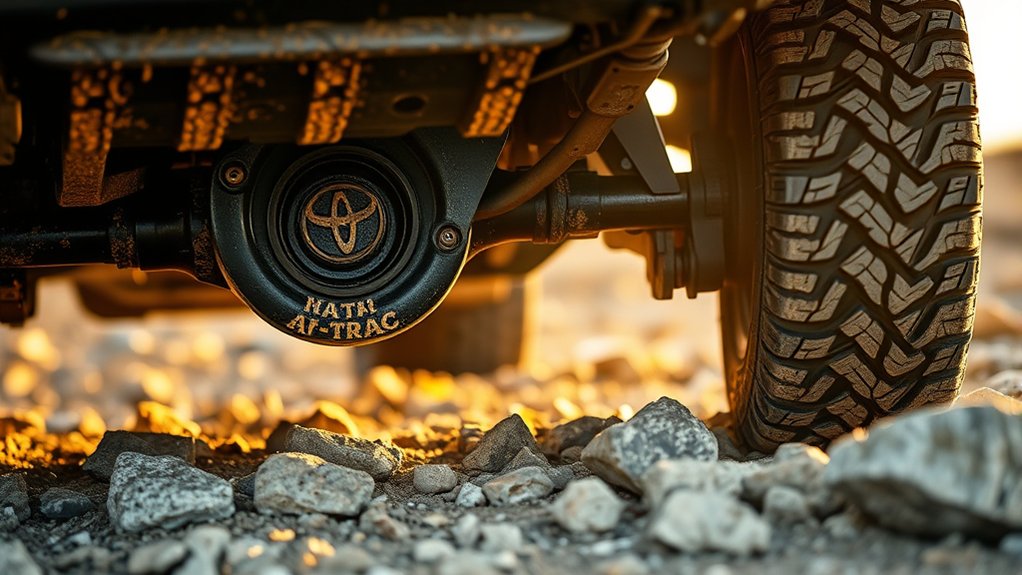
A-TRAC, or Active Traction Control, is a system that helps your Toyota 4Runner grip better on slippery or uneven surfaces. It keeps an eye on wheel speed sensors to spot any wheel slip.
When A-TRAC detects that one wheel is spinning faster than the others, it automatically applies brake pressure to that wheel. This redirects power to the wheels with better traction.
Unlike traditional traction control systems that cut engine power, A-TRAC selectively brakes individual wheels. This allows the engine to keep delivering power efficiently.
How Does A-TRAC Improve Traction In Mud, Snow, And Rough Terrain?
How does your Toyota 4Runner maintain grip when driving through mud, snow, or uneven terrain? A-TRAC keeps an eye on wheel spin and automatically applies brake pressure to the slipping wheel.
This forces torque to transfer to the opposite wheel with better traction, helping you keep your momentum. In slippery conditions like mud or snow, A-TRAC prevents wheels from spinning freely and wasting power.
On rough terrain, it boosts stability by balancing power distribution, making it easier to navigate obstacles. By acting quickly and precisely, A-TRAC helps your vehicle stay grounded and move forward.
A-TRAC enhances stability by evenly distributing power, helping your 4Runner confidently tackle tough terrain.
This reduces the chances of getting stuck and makes off-road driving safer and more efficient. It’s a system that automatically helps you maintain traction without any manual effort.
When Should You Use A-TRAC For Off-Road Driving?

You’ll want to engage A-TRAC when you’re dealing with low-traction situations, like mud, snow, or loose gravel. It’s really handy because it helps prevent your tires from slipping and keeps you moving smoothly.
It’s also a game-changer when you’re going up or down steep inclines and declines. A-TRAC helps you stay stable and maintain control, so you can focus on the trail instead of worrying about slipping.
Using A-TRAC at the right moments can really boost your 4Runner’s off-road performance and make your driving safer and more confident.
Low Traction Situations
Whenever your Toyota 4Runner encounters slippery surfaces like mud, snow, or loose gravel, engaging the A-TRAC system can really help improve traction and stability.
A-TRAC actively distributes torque between wheels, preventing any one wheel from spinning freely when traction is low. This is especially useful on uneven terrain where some wheels might lose grip.
By automatically transferring power to wheels with better traction, A-TRAC helps you stay in control and avoid getting stuck. It’s best to use it in off-road conditions where surface grip changes often, like wet dirt trails or icy roads.
It’s a good idea to activate A-TRAC before traction loss gets severe. Doing so helps ensure smoother, safer navigation through challenging low-traction environments.
Steep Inclines And Descents
Although steep inclines and descents pose big challenges to vehicle stability and control, engaging A-TRAC can improve traction and prevent wheel slippage on these tough terrains.
When you’re climbing a steep hill, A-TRAC helps by evenly distributing power to the wheels with grip, reducing the chance of losing momentum due to spinning tires.
On descents, it helps maintain stability by controlling wheel slip, allowing you to navigate safely without excessive braking.
You should activate A-TRAC in off-road conditions where surface traction varies and wheel slippage is likely, like loose gravel, mud, or wet rocks on slopes.
Using A-TRAC in these scenarios boosts your 4Runner’s ability to stay controlled and steady, making for safer and better performance on challenging slopes.
How Do You Activate And Deactivate A-TRAC On Your Toyota 4Runner?
Want to turn on A-TRAC on your Toyota 4Runner? It’s pretty straightforward. Just press the dedicated button, which is usually found on the dashboard or center console. Once you do that, the system kicks in automatically whenever it detects that you need some extra traction. You’ll also see an indicator light that shows whether A-TRAC is active or not.
If you need to turn it off, just press the same button again. The system will deactivate, and the indicator light will go off. That’s all there is to it—you’re good to go!
Activating A-TRAC System
The A-TRAC system on your Toyota 4Runner automatically kicks in when wheel slip is detected, but you can also turn it on or off manually using the vehicle’s controls. To activate A-TRAC, look for the dedicated button on the dashboard or center console.
Pressing this button will turn the system on, and an indicator light will confirm it’s active. A-TRAC helps improve traction by sending power to the wheels with the most grip, which is especially useful on slippery or uneven surfaces.
Here’s how to activate A-TRAC effectively:
- Make sure your vehicle is in 4WD mode.
- Press the A-TRAC button once to turn it on.
- Check for the dashboard indicator to confirm activation.
- Use it when driving off-road or on low-traction surfaces.
- Turn it off only when necessary for specific driving situations.
Following these steps will help you make the most of your 4Runner’s traction features.
Deactivating A-TRAC Mode
While activating A-TRAC helps improve traction in tough conditions, knowing how to turn it off is just as important for certain driving situations. To deactivate A-TRAC on your Toyota 4Runner, simply press the A-TRAC button on the dashboard or center console.
Turning off A-TRAC can be helpful when you’re on dry pavement or in conditions where traction control might limit wheel spin unnecessarily. This is especially useful during spirited driving or when using tire chains.
Keep in mind that disabling A-TRAC also turns off the traction control system. So, you’ll need to rely more on your driving skills and how the vehicle handles. Always assess the terrain and conditions before turning off A-TRAC to ensure safe and optimal vehicle performance.
Indicators And Controls
One key aspect of managing A-TRAC on your Toyota 4Runner involves understanding its indicators and controls. You activate A-TRAC by pressing the designated button, usually located on the dashboard or center console. When engaged, a specific indicator light illuminates on the instrument panel, confirming activation. To deactivate, simply press the button again, and the indicator will turn off, signaling that A-TRAC is no longer active. Being familiar with these controls guarantees you can quickly respond to varying driving conditions.
A-TRAC button location varies by model year. The indicator light typically shows a vehicle with skid marks. Activation is manual; it doesn’t engage automatically. The system deactivates if you turn off the engine. Warning alerts notify you of system malfunctions or limitations.
How Is A-TRAC Different From Other Toyota 4Runner Traction Systems?
Because A-TRAC actively manages power distribution between the wheels, it offers a clear advantage over other traction systems in the Toyota 4Runner. Unlike basic traction control that mainly applies brakes to slipping wheels, A-TRAC uses electronic sensors and the vehicle’s ABS to detect wheel spin.
Then, it transfers torque to the wheels with better grip. This targeted power delivery improves traction on uneven or slippery surfaces and boosts off-road capability. Other systems might rely solely on brake intervention or limited-slip differentials, which can be less effective in extreme conditions.
With A-TRAC, you get a more dynamic and responsive traction control that adapts to tough terrain. This makes it especially valuable for off-road driving where keeping momentum is key.
What Are Common A-TRAC Issues And How Can You Fix Them?
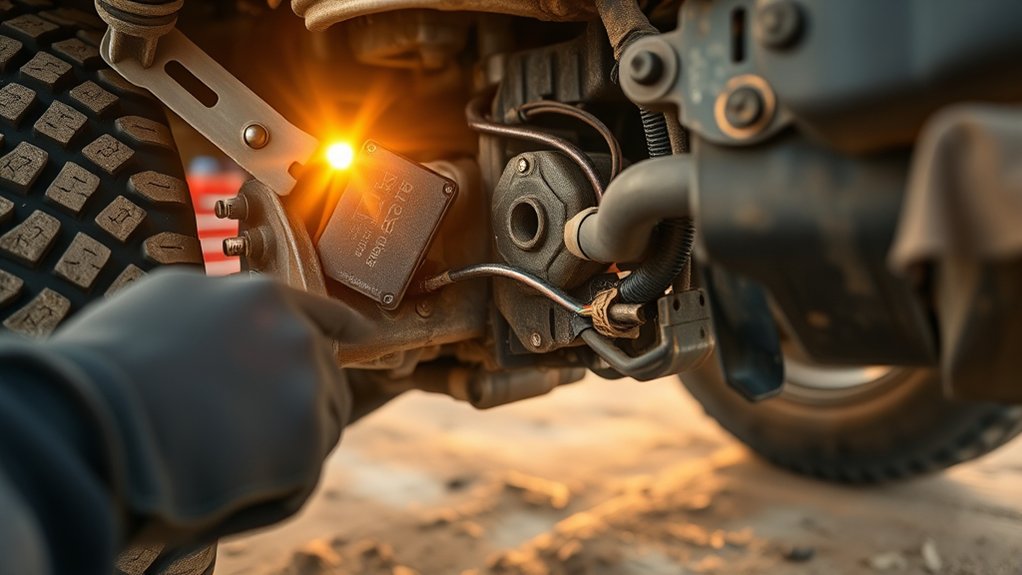
A-TRAC’s advanced system helps improve traction on rough terrain, but like any tech, it can have issues that affect how it works. You might notice uneven grip, warning lights, or strange noises while driving. Addressing these problems quickly keeps your 4Runner dependable off-road.
Common A-TRAC problems and how to fix them include checking for faulty wheel speed sensors—clean or replace them to get accurate readings. Worn brake parts, like pads or rotors, can cause uneven braking, so inspect and swap them out if needed.
Check wheel speed sensors and worn brake parts regularly to maintain smooth A-TRAC performance.
If the ABS system isn’t functioning right, it’s best to diagnose it with a scanner and then repair or recalibrate the ABS modules. Electrical issues are also common, so check wiring harnesses for corrosion or damage.
Sometimes software glitches cause problems, and updating the vehicle’s ECU to the latest firmware can fix those issues. Keeping an eye on these areas helps ensure your A-TRAC system runs smoothly.
Frequently Asked Questions
Does A-Trac Affect Fuel Efficiency on the Toyota 4runner?
A-trac doesn’t greatly affect your Toyota 4Runner’s fuel efficiency under normal driving conditions because it only activates when wheel slip is detected.
When engaged, it can cause a slight increase in fuel consumption due to added power to wheels for traction. However, since it’s used intermittently and mainly in low-traction situations, you won’t notice a big impact on your overall fuel economy during regular driving.
Can A-Trac Be Used on Paved Roads Safely?
You can use A-TRAC on paved roads safely, but it’s usually not needed. It’s mainly designed to improve traction on slippery or uneven off-road surfaces by managing wheel spin.
On dry pavement, using A-TRAC might cause slight driveline binding or unnecessary wear because the system works against the tires’ natural grip.
For everyday driving, it’s best to keep A-TRAC off and only turn it on when conditions really call for better traction.
Is A-Trac Available on All Toyota 4runner Models?
Imagine a ship with sails that adjust only on certain voyages. Likewise, A-TRAC isn’t available on all Toyota 4Runner models. You’ll find it primarily on the TRD Off-Road and TRD Pro trims, designed for rugged terrain.
If you go for the base or limited versions, A-TRAC probably won’t be included. So, when choosing your 4Runner, make sure to check the trim carefully. A-TRAC is part of specific off-road-focused packages.
Does A-Trac Require Special Maintenance or Servicing?
No, A-TRAC doesn’t require special maintenance beyond your regular Toyota 4Runner service routine. It’s an electronic system integrated with your vehicle’s traction control, so it doesn’t need extra servicing.
However, keeping your brakes and tires in good condition is essential because A-TRAC relies on them to work properly. Always follow Toyota’s recommended maintenance schedule to ensure the system functions effectively when you need it most.
How Does A-Trac Interact With Other 4runner Safety Features?
A-TRAC works with other 4Runner safety features like a well-coordinated team, boosting overall stability.
When you’re off-roading, it partners with traction control and ABS to prevent wheel slip and keep your grip.
This teamwork ensures balanced power distribution, helping you stay in control on slippery or uneven terrain.
You’ll notice smoother handling and more confidence because A-TRAC complements electronic aids, optimizing traction and braking systems for safer driving.
Conclusion
You might think A-TRAC is just another gimmick, but it really helps your Toyota 4Runner grip better on slippery or uneven surfaces.
It automatically sends power to the wheels with the most traction, helping you stay in control without having to do anything manually.
Whether you’re dealing with mud, snow, or rocky trails, A-TRAC makes you feel more confident and safe.
Once you try it, you’ll see it’s a smart, dependable feature—not just an unnecessary extra.