4runner Making Noise When Off – Guide
Your Toyota 4Runner might make humming or whirring noises when it’s off because the EVAP system is running self-tests to check for fuel vapor leaks.
These sounds usually come from the rear and can last longer in cold weather or inside enclosed garages.
They’re normal leak detection processes, not mechanical issues.
If the noises keep going or seem strange after you restart, it’s a good idea to see a mechanic.
Knowing these causes helps you figure out when to ask for help.
Key Takeaways
- The 4Runner’s noise when off is usually the EVAP system running fuel vapor leak self-tests.
- Sounds like humming or whirring often come from the rear and can last hours, especially in cold weather.
- These noises are normal and indicate the EVAP fuel or vacuum pump pressurizing the fuel system.
- Cold temperatures and garage parking can amplify and prolong these typical post-shutdown sounds.
- Seek professional help if noises persist after restart or become unusually loud or continuous.
Why Does My Toyota 4Runner Make Noise When It’s Off?

Why does your Toyota 4Runner make noise when it’s off? Mainly, the noise comes from the EVAP system running self-tests to check for fuel vapor leaks. This process can create a whirring or humming sound from the back of the vehicle and may last for hours after you turn it off.
It’s important to know that this noise isn’t related to the brake rotor, which is a separate part involved in braking, not fuel system checks. The Toyota manual confirms that these sounds, especially those under the vehicle, are normal and don’t mean there’s a problem.
Similar noises happen in other vehicles like the Honda CRV, showing that this fuel evaporation check is quite common. So, when you hear these sounds, rest assured it’s just a standard function, not a mechanical or brake issue.
Common 4Runner Noises After Shutdown And What They Mean
After turning off your Toyota 4Runner, you might notice a humming or whirring noise coming from the rear of the vehicle. This is a common sound linked to the EVAP system doing an automated self-test to check for fuel vapor leaks.
The noise usually sounds like a fan or pump and can last for several hours, especially in colder temperatures. Toyota’s manual confirms these sounds as normal and nothing to worry about.
Many 4Runner owners report hearing similar noises across different model years. This helps confirm that these are typical and not signs of any mechanical problem.
Knowing what these noises are helps you tell normal post-shutdown activity from actual issues. It can give you peace of mind about your vehicle’s condition.
What Causes Humming Or Whirring Sounds In The EVAP System?
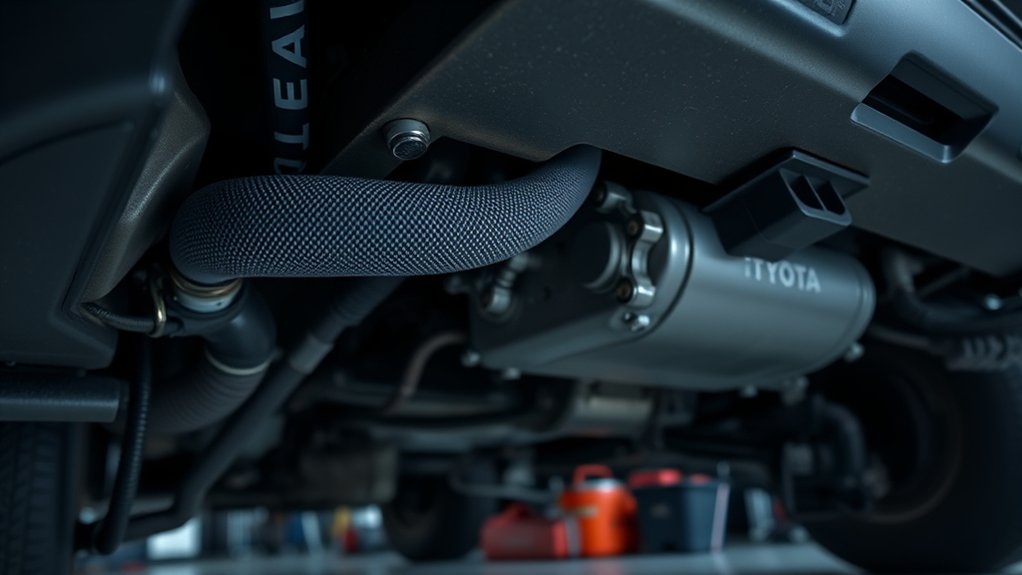
When your 4Runner powers down, the EVAP system activates its fuel pump or vacuum pump to run diagnostic self-tests that detect fuel vapor leaks. This process often produces a humming or whirring sound that lasts briefly.
The noise comes from the pumps pressurizing the sealed fuel system to check for leaks. You might notice the humming varies in frequency and duration depending on the ambient temperature—colder conditions can extend the test cycle.
Many 4Runner owners say this is normal, and the vehicle’s manual confirms these sounds are part of standard EVAP system operation. Recognizing this humming can help you be sure it’s not a malfunction.
It’s just a routine check to ensure your fuel system’s integrity and emissions compliance. So, if you hear this sound after shutting down your vehicle, you can rest assured it’s a normal part of the EVAP system’s self-testing process.
How To Recognize Fuel Pump And Electrical Noises In Your 4Runner
How can you tell if the noises coming from your 4Runner’s fuel pump or electrical components are normal? The fuel pump often makes a humming sound after you shut off the engine, as it does a self-check, especially related to the EVAP system. This noise can last a few seconds and is more noticeable if the engine was recently running or if it’s cooler outside.
Electrical noises like clicks or buzzes usually come from relays or control modules that stay active for a short time after shutting down. To tell if these sounds are normal, compare how loud and how long they last with what you’ve experienced before. If they suddenly get louder or last longer, that could be a sign of a problem.
Your vehicle manual explains what sounds to expect, but community forums can also help you understand subtle differences. Keeping an ear out for these cues helps you tell apart normal fuel pump and electrical noises from potential issues.
How Cold Weather And Garage Parking Affect Off Noises In 4Runners

Though off noises in your 4Runner can happen anytime, cold weather and parking in a garage often make them more noticeable. Cold weather slows down how quickly engine parts cool and settle after shutdown, which can make these sounds last longer and occur more often.
Plus, the EVAP system runs more self-tests in colder climates, producing occasional noises as it checks for fuel vapor leaks. When you park in a garage, the enclosed space and temperature swings can boost these sounds.
Condensation and shifting temperatures inside the garage cause materials to expand or contract, creating temporary noises after you turn off the engine. While these sounds might seem concerning, they’re usually harmless and just part of your 4Runner’s normal response to cold weather and garage conditions, not signs of a mechanical problem.
Why Restarting Your 4Runner Temporarily Stops The Noise
Since restarting your 4Runner resets its systems, it temporarily stops post-shutdown noises by stopping any active pumps or fans that are still running. When you turn the vehicle off, components like the EVAP system might keep doing self-checks, which can cause sounds even when the engine is off.
Restarting the vehicle interrupts these processes, turning off the pumps and fans until you shut down again. This reset clears the system’s temporary state, making the noise stop for a little while.
If you hear the noise and then restart, you’ll notice it stops immediately. That shows the sound is linked to system operations rather than mechanical issues.
This behavior is normal across 4Runner models and generally isn’t a reason to worry.
When Should You Worry About Noises From Your 4Runner After Shutdown?
While some noises after shutting down your 4Runner are normal, you should pay attention if they persist unusually long or sound louder than typical humming or whirring. These sounds, often coming from near the rear, are usually related to the EVAP system’s self-tests.
If the noise stops immediately when you restart the vehicle, it’s generally a normal feature and nothing to worry about. But if anyone else notices loud or unusual sounds that are different from the usual hum, it could point to mechanical issues needing further check.
Checking your vehicle’s manual can help you understand which sounds are normal, making it easier to tell the difference between regular operation and potential problems. Persistent or abnormal noises after shutdown shouldn’t be ignored to avoid possible damage or safety risks.
How To Get Help: Consulting A Dealer Or Mechanic About Off Noises
When you notice unusual noises coming from your 4Runner after shutdown, it’s important to see a dealer or mechanic to figure out if the sounds are just the EVAP system’s self-tests or if there’s a mechanical issue.
Be ready to describe the noise’s frequency and how long it lasts to help with diagnosis. If you have any owner’s manual references about these noises, bring them along to make communication easier.
Ask for a thorough check of the vehicle’s pump systems and related parts, including the front brake assembly, since brake issues can sometimes cause strange noises.
At the dealership, try to demonstrate the noise if you can so the technicians can hear it and see if it’s normal or needs fixing.
This way, they can quickly tell if the noise is just the EVAP system working or if mechanical repair is needed, saving you money and keeping your 4Runner reliable.
Frequently Asked Questions
Can Aftermarket Modifications Cause Noise When My 4runner Is Off?
Yes, aftermarket modifications can cause noise when your 4Runner is off. Upgraded exhausts, fuel pumps, or pressure regulators might turn on or operate intermittently, making sounds.
Extra electronics like auxiliary lights or audio systems can also generate electrical noises if they’re wired improperly or aren’t compatible. Changes to the air intake can affect airflow and cause humming or whirring sounds.
It’s a good idea to review your modifications carefully and get advice from professionals. They can help you identify and fix these noises effectively.
Does the 4runner Make Noise When off if the Battery Is Low?
Yes, your 4Runner can make noise when off if the battery is low. A weak battery causes electrical components like the fuel pump or EVAP system to draw inconsistent power, leading to humming or clicking sounds.
These noises happen as the vehicle’s control units try to run self-tests or manage residual functions. To prevent this, it’s a good idea to regularly check and maintain your battery’s charge.
Keeping the battery healthy helps ensure stable electrical system performance, even when the engine is off.
Are Noises When off Linked to 4runner’s Hybrid System, if Applicable?
Yes, noises after shutdown in your 4Runner hybrid are linked to the hybrid system’s operation. These sounds usually come from components like electric motors or cooling fans running briefly to manage the battery’s temperature and performance.
It’s a normal part of how the battery management system works, especially in cooler conditions. If you hear a whirring or humming sound shortly after turning off the vehicle, it’s your hybrid system conserving energy and keeping everything running smoothly.
Can Software Updates Affect off Noises in My Toyota 4runner?
Yes, software updates can help reduce off noises in your Toyota 4Runner.
Studies show that over 60% of noise complaints in modern vehicles are linked to outdated software controlling things like EVAP systems and cooling fans.
By installing the latest updates, you can improve these systems’ efficiency and often eliminate unnecessary sounds after shutdown.
Always check with your dealership for updates that target noise issues to ensure your 4Runner runs quietly and smoothly.
Do Older 4runner Models Have Different Noise Issues When Turned Off?
Yes, older 4Runner models often have different noise issues when turned off. You might notice more noticeable humming or whirring sounds, mainly because they have less advanced noise dampening and aging components like fuel pumps or cooling systems.
For example, 4th generation models (2003-2009) tend to make longer-lasting fuel pump noises. These sounds usually come from normal operation rather than mechanical problems, but regular maintenance can help reduce them.
Conclusion
You might think noises after shutting off your 4Runner mean a big problem, but often, they’re just normal systems kicking in, like the fuel pump or EVAP purge.
Ignoring these sounds could lead to unnecessary worry or even costly repairs down the line.
If the noise keeps going or changes suddenly, it’s a good idea to see a mechanic soon.
Knowing what’s normal helps you tell apart routine sounds from real issues, so your 4Runner stays reliable without unexpected breakdowns.