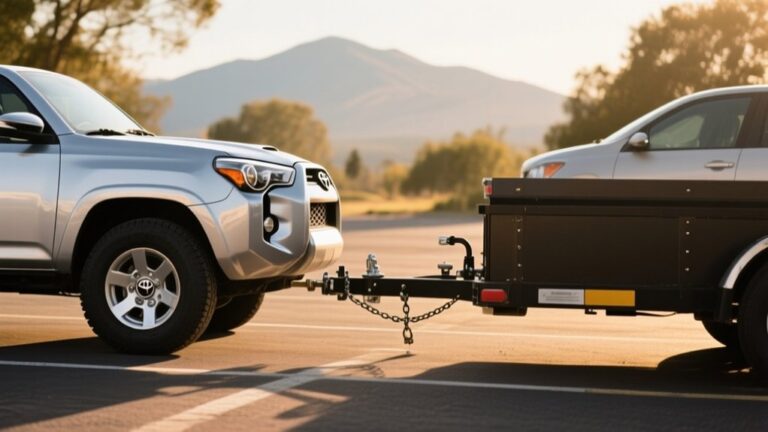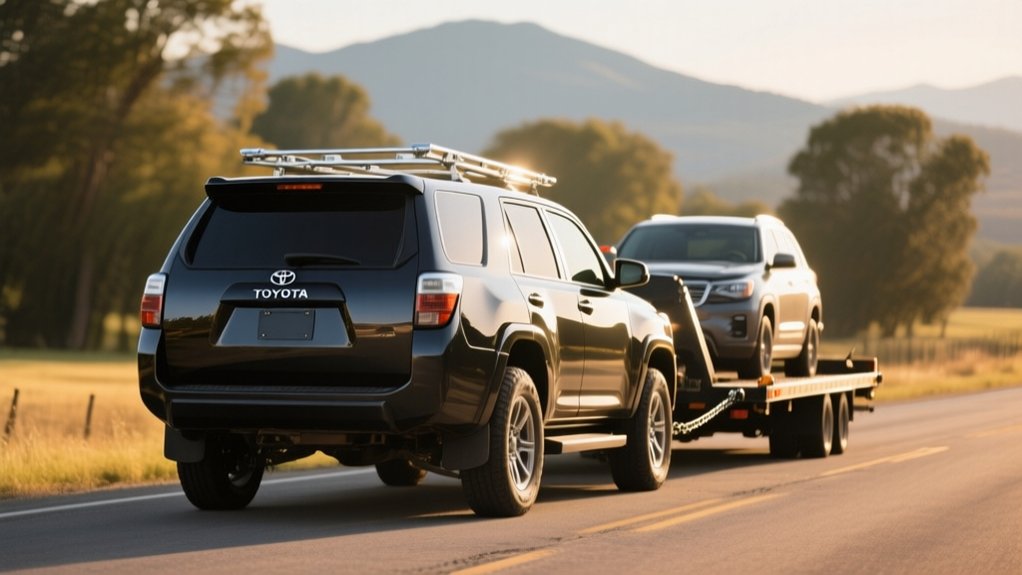
Can You Flat Tow A Toyota 4runner – Yes or No?
You generally can’t flat tow a Toyota 4Runner without risking transmission damage.
Most 5th Gen models, including the 2024 Off Road Premium, aren’t designed for flat towing because their automatic transmissions need the engine running for lubrication.
Some older 4WD models with manual transfer cases might allow flat towing in emergencies, but you need to take strict precautions.
Proper transfer case settings and drive shaft disconnection might be needed.
Understanding these specifics will help you figure out what’s safe for your 4Runner.
Key Takeaways
- Most 2024 Toyota 4Runner models, especially Off Road Premium, are not suitable for flat towing without modifications.
- Flat towing automatic transmission 4Runners risks severe transmission damage due to lack of lubrication.
- Older 4WD 4Runners with manual transfer cases can be flat towed in emergencies under strict conditions.
- Toyota strongly advises against flat towing all 5th Gen 4Runner models as per owner’s manuals.
- Using flatbed trailers or tow dollies is recommended to avoid transmission and drivetrain damage.
Can You Flat Tow a Toyota 4Runner? What You Need to Know
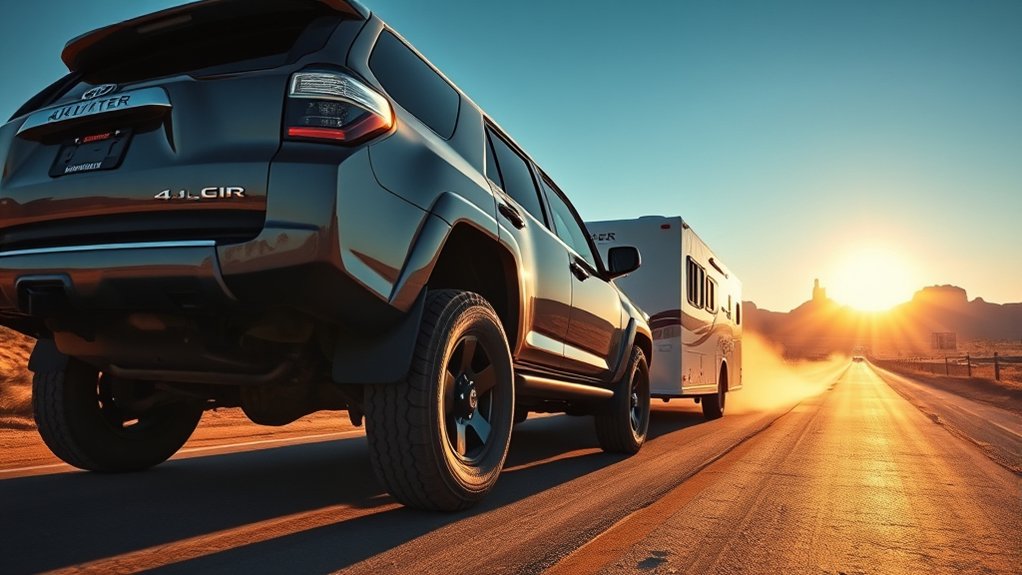
Can you flat tow a Toyota 4Runner without risking damage? Generally, no. The 2024 Off Road Premium and most 5th Gen 4Runners aren’t designed for flat towing because of transmission lubrication needs.
Flat towing a 4WD model with a manual transfer case is technically possible, but only in emergencies and under strict conditions. It’s limited to 50 miles at speeds below 18 mph with the transfer case in neutral.
Flat towing a 4WD manual transfer case model is only for emergencies, limited to 50 miles under 18 mph.
Automatic transmissions require the engine running to maintain proper lubrication. Towing without the engine on risks severe mechanical failure. To avoid damage, it’s better to use a flatbed trailer or tow dolly.
Flat towing without modifications or following these limitations can harm your 4Runner’s drivetrain. This can lead to costly repairs and serious damage.
Which Toyota 4Runner Models Can Be Flat Towed?
Understanding which Toyota 4Runner models you can flat tow requires careful consideration of the vehicle’s transmission and transfer case setup.
The 2024 4Runner Off Road Premium, which has an automatic transmission, isn’t recommended for flat towing without modifications because the engine needs to run to lubricate the transmission.
Older 4WD 4Runners with manual transfer cases can technically be flat towed, but only in emergencies and at low speeds. You need to keep the transfer case in neutral and the transmission in park.
The 2022 4Runner TRD Pro’s owner’s manual explicitly says flat towing isn’t allowed. Despite what some community members might claim, Toyota generally advises against flat towing all 5th Gen 4Runners due to potential mechanical risks.
Flat Towing and 4Runner Transmission Damage
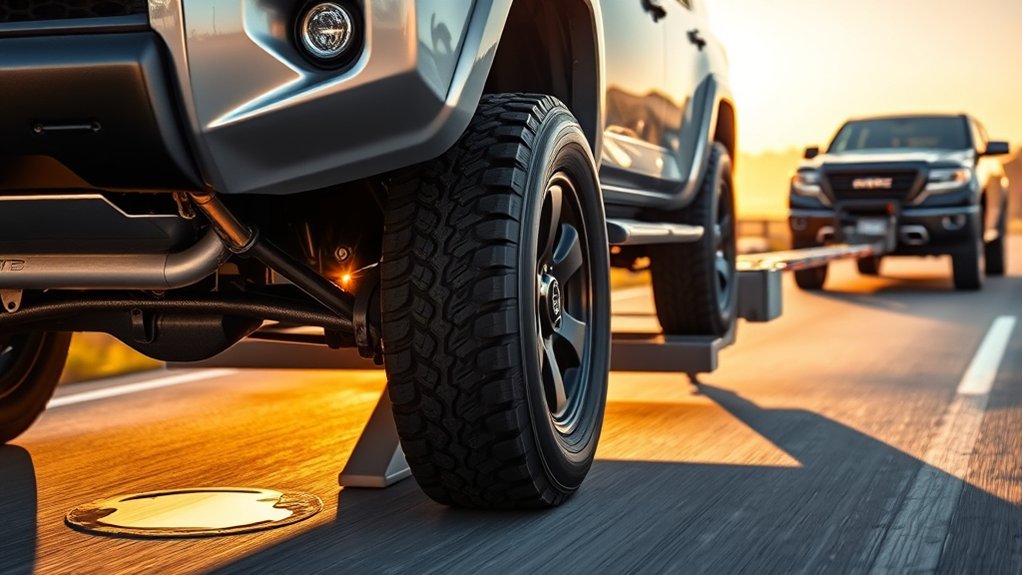
Because flat towing a Toyota 4Runner with an automatic transmission stops the engine from running, the transmission doesn’t get the lubrication it needs. This can cause serious internal damage.
The transmission pump relies on engine power to circulate fluid. Without it, friction increases, which can lead to faster wear or even failure.
Specifically, the 2024 4Runner Off Road Premium’s automatic transmission isn’t built for flat towing without modifications. Even if you put the transfer case in neutral, it doesn’t guarantee safe towing or prevent damage.
Some manual transfer case models allow limited flat towing under strict conditions—below 18 mph and for less than 50 miles. But Toyota generally advises against flat towing the fifth-generation 4Runner.
Always check your owner’s manual before trying to flat tow. Doing so can help you avoid costly transmission damage.
4Runner Transfer Case and Flat Towing Safety
While the automatic transmission’s lubrication challenges make flat towing risky, the 4Runner’s transfer case is key to towing safety.
For flat towing, you need to set the transfer case to neutral to disconnect the drivetrain.
But just putting the transfer case in neutral doesn’t guarantee safety because the output shaft may not get enough lubrication when the engine is off.
Manual transfer cases can be flat towed, but only in emergencies, at speeds under 18 mph and for less than 50 miles.
Relying only on the transfer case in neutral isn’t enough to protect the transmission’s internal parts from damage caused by poor oil circulation.
To avoid mechanical issues, it’s safer to use methods that engage the driveshaft or to use flatbed trailers or tow dollies instead of depending solely on the transfer case for flat towing.
What Modifications Are Needed to Flat Tow a 4Runner
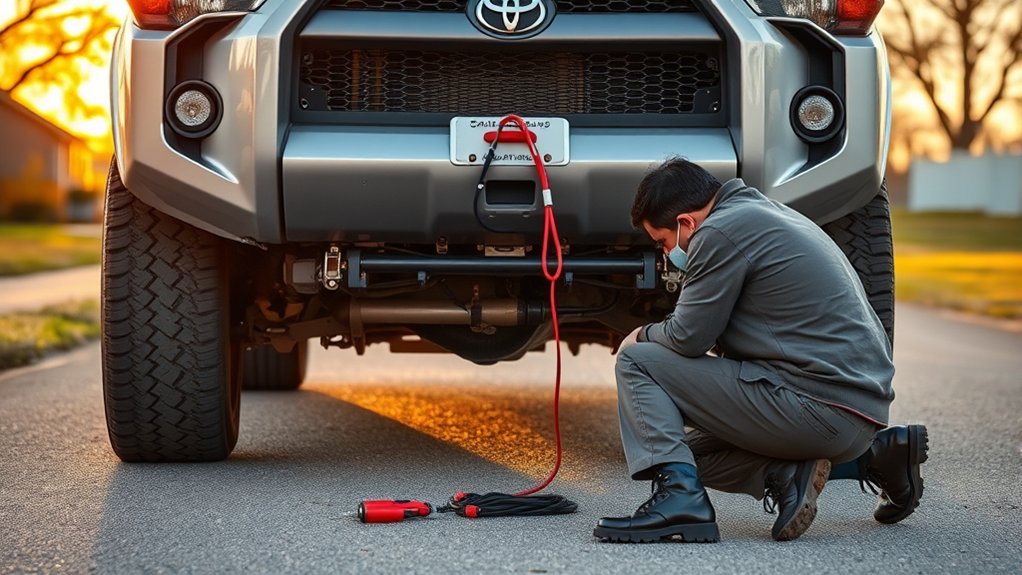
If you plan to flat tow a 2024 Toyota 4Runner Off Road Premium, you’ll need to make some specific modifications to prevent transmission damage. The main steps involve shifting the manual transfer case into neutral and disconnecting the rear driveshaft.
These actions help ensure the transmission isn’t forced to turn without proper lubrication, which can lead to costly repairs. Proper towing equipment and alignment are also crucial to keep everything safe.
Always check the owner’s manual for exact modification guidelines. Following these steps gives you peace of mind and confidence in your towing setup.
How to Safely Prepare Your 4Runner for Towing
Before you start towing your Toyota 4Runner, make sure to set the transfer case to neutral and put the automatic transmission in park. This helps protect the drivetrain during towing.
For longer trips, it’s a good idea to disconnect the rear driveshaft. This prevents mechanical issues and helps keep the transmission properly lubricated.
Always check your owner’s manual to confirm the specific towing instructions and limits for your 4Runner model. It’s the best way to stay within safe guidelines.
Before hitting the road, thoroughly inspect all towing equipment and connections. Make sure everything meets safety standards and complies with regulations.
While these steps prepare your vehicle for flat towing, using a flatbed trailer or tow dolly can often offer better protection.
Following these steps will help ensure your 4Runner is set up for safe, damage-free towing.
Alternatives to Flat Towing a 4Runner
How can you tow your Toyota 4Runner without risking transmission damage? Using a flatbed trailer is the safest bet since it keeps all wheels off the ground, which prevents any transmission or lubrication issues.
For 2WD models, a tow dolly that lifts the rear wheels can also work. Additionally, disconnecting the rear driveshaft before long-distance towing helps prevent damage by keeping the transfer case properly lubricated.
Professional towing services often have the right equipment and expertise to ensure your 4Runner is transported safely.
What Owners Say About Flat Towing Their 4Runners
While alternative towing methods like flatbeds and dollies are safer options, many Toyota 4Runner owners still consider flat towing despite manufacturer warnings.
Owners often share concerns about transmission damage, especially in automatics that need engine-driven lubrication during towing. Those with 4WD and manual transfer cases report limited success flat towing, mainly in emergencies or short distances, and stress the importance of setting the transfer case to neutral.
Community feedback consistently warns against long-distance flat towing to avoid mechanical failures. Owners strongly advise consulting the owner’s manual and doing thorough research before attempting it.
Frequently Asked Questions
What Is the Maximum Towing Speed When Flat Towing a 4runner?
You should never exceed 18 mph when flat towing a Toyota 4Runner. This strict speed limit helps prevent transmission damage since the engine isn’t running to lubricate essential components.
Furthermore, you should limit flat towing to emergency situations only, covering no more than 50 miles. Always verify the transfer case is in neutral and the transmission is in park before towing.
Exceeding these limits risks costly mechanical failure.
Can I Use a Weight-Distributing Hitch With a Flat-Towed 4runner?
No, you can’t use a weight-distributing hitch with a flat-towed 4Runner. Flat towing requires the 4Runner’s transmission and transfer case to be in neutral, so there’s no need for weight distribution through a hitch.
Weight-distributing hitches are meant for trailers, not vehicles being towed flat. Using one won’t protect your drivetrain and could cause damage.
Always follow Toyota’s guidelines to avoid mechanical issues.
How Does Flat Towing Affect My 4runner’s Warranty?
Flat towing your 4Runner can quickly put your warranty at risk. When you flat tow, the transmission and transfer case might not get the proper lubrication, leading to early wear or even failure.
Toyota’s warranty won’t cover damage caused by unauthorized towing methods, so you’d be on the hook for costly repairs. To keep your warranty intact, stick to recommended towing options like flatbed trailers or tow dollies that protect your drivetrain during transport.
Are There Any Special Insurance Considerations for Flat Towing?
Yes, you need special insurance considerations when flat towing. Your insurer may require endorsements or extra coverage to protect against liability and damages during towing.
Failing to notify them or towing against manufacturer guidelines could void your coverage. Be sure to document your towing setup carefully and confirm roadside assistance options.
Always check your policy details beforehand to make sure claims won’t be denied due to improper towing methods or missing insurance endorsements.
Can I Flat Tow a 4runner in Snowy or Icy Conditions?
Towing a 4Runner in snowy or icy conditions is like balancing on thin ice — it’s risky and demands caution. You can flat tow it only if the transfer case is in neutral and you strictly follow the owner’s manual.
The steering column might lock unpredictably, making control really difficult. For safety, it’s best to avoid flat towing in these conditions.
Instead, use a flatbed trailer or tow dolly to keep things stable and avoid damaging the transmission. Safety always comes first in tricky weather like this.
Conclusion
Yes, you can flat tow a Toyota 4Runner, but only specific models with a manual transmission or certain 4WD setups allow it without damage.
Flat towing can reduce transmission wear by up to 30% compared to other methods when done correctly. You’ll need to install a base plate, tow bar, safety cables, and possibly a supplemental braking system.
Proper preparation and understanding your model’s requirements guarantee safe, damage-free towing every time.