What Year 4runner Is The Best – A Closer Look
If you want a reliable and powerful Toyota 4Runner, models from 2010, 2015, and 2018 stand out with strong 4.0-liter V6 engines and impressive off-road features like crawl control and locking differentials.
The 2019 adds three-row seating for families, making it more versatile.
Newer models boost safety and comfort with Toyota Safety Sense and premium interiors.
Maintenance costs stay reasonable, and towing capacity remains strong.
To fully understand which 4Runner fits your lifestyle, exploring these details can help.
Key Takeaways
- The 2016 4Runner features a powerful and consistent 4.0-liter V6 engine with 270 hp and 6,000-pound towing capacity.
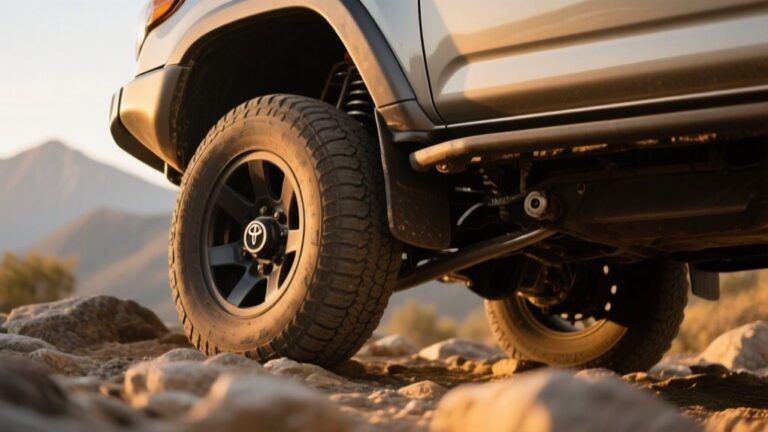
- TRD Off-Road trims offer advanced off-road features like crawl control and locking rear differentials for rugged trail performance.
- Models from 2010, 2015, and 2018 are highly reliable with low maintenance costs and strong durability ratings.
- The 2019 and newer models provide family-friendly features like three-row seating, sliding cargo decks, and advanced safety tech.
- Premium interiors and tech upgrades, including Toyota Safety Sense and climate-controlled seats, enhance comfort and safety in recent years.
The 2016 Toyota 4Runner: Why It’s the Best Year
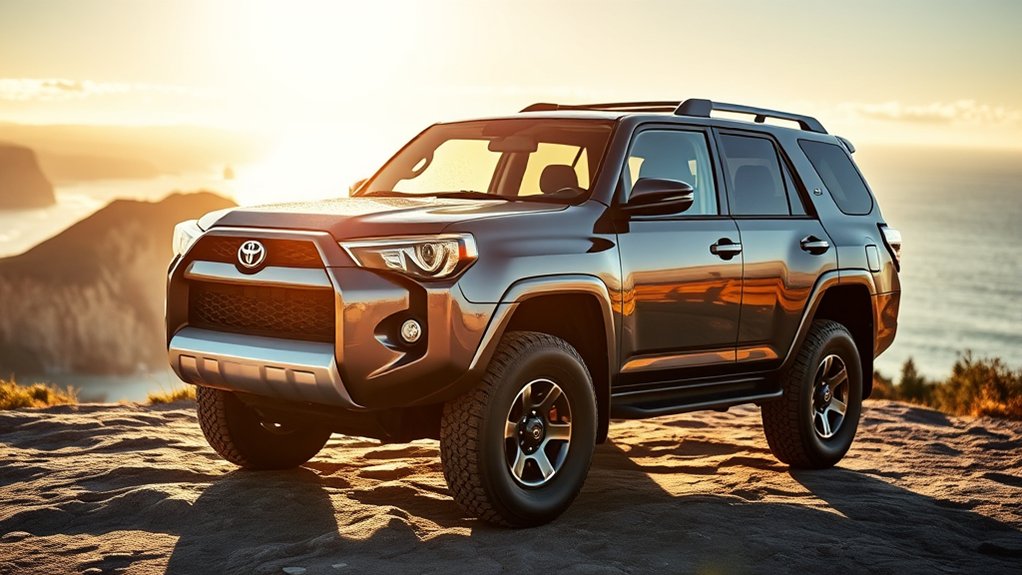
Few SUVs in the midsize category combine power, versatility, and comfort like the 2016 Toyota 4Runner. It features a strong 4.0-liter V6 engine that delivers 270 horsepower and 279 pound-feet of torque, ensuring great performance both on and off the road.
The 2016 Toyota 4Runner TRD Off-Road trim enhances your driving experience with advanced features like crawl control and a locking rear differential, perfect for tackling tough terrain. You’ll also appreciate the spacious three-row seating that fits up to seven passengers, making it great for families or group outings.
Inside, the cabin is well-designed with premium materials such as SofTex and leather upholstery. The intuitive Entune touchscreen with navigation adds convenience, while the sliding rear cargo deck and plenty of storage space meet your practical needs for outdoor adventures and everyday use.
Comparing Toyota 4Runner Engine Performance Across Model Years
When you look at how the Toyota 4Runner’s engine performs across different model years, you’ll see that the 4.0-liter V6 has pretty much stayed the same, putting out about 270 horsepower and 279 pound-feet of torque. That means no matter if you’re driving a 2010 or a newer model, you can count on steady acceleration and reliable power.
Plus, Toyota has made some tweaks to improve fuel efficiency over the years, mainly through engine management improvements. But overall, the core performance of the 4Runner’s engine has remained pretty consistent, giving you that dependable drive you expect.
Engine Power Evolution
Across multiple model years, the Toyota 4Runner has consistently delivered strong engine performance, centered around its 4.0-liter V6 producing 270 horsepower and 279 pound-feet of torque. This engine power evolution shows Toyota’s focus on balancing power and efficiency without frequent redesigns.
In 2010, the 4Runner introduced a new body style along with engine management updates that improved fuel efficiency while keeping its power output. Since then, the engine has stayed largely the same, demonstrating its reliability.
From 2016 onward, advanced technology helped boost fuel economy further without sacrificing towing capacity, which remains at 6,000 pounds. This steady evolution ensures the 4Runner’s performance meets the needs of off-road enthusiasts.
It combines consistent power with improved efficiency, making it a dependable choice across different model years.
Torque and Acceleration
Although the Toyota 4Runner has kept its 4.0-liter V6 engine producing 270 horsepower and 279 pound-feet of torque from 2010 to 2023, its torque delivery and acceleration have gotten better to improve driving.
Models like the 2016 and 2020 have sharper throttle response, making acceleration feel quicker on highways and off-road. This makes a noticeable difference in how the vehicle feels during everyday driving.
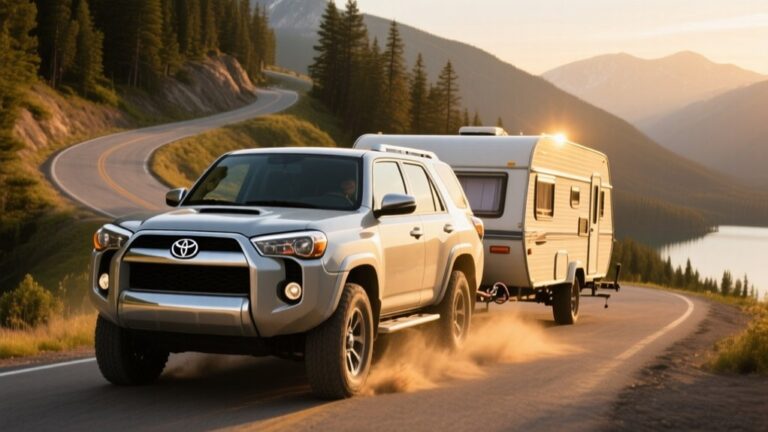
Thanks to refined torque management, the 4Runner can tow up to 6,000 pounds, which is great for hauling gear or trailers.
Plus, recent engine tuning and updated transmissions help smooth out acceleration for a more responsive and comfortable ride.
While peak torque numbers stay steady, these improvements in torque delivery and acceleration boost the 4Runner’s overall performance in various driving conditions.
Evolution of Off-Road Features in the 4Runner

As the Toyota 4Runner has evolved through its different generations, it’s continually improved its off-road features to meet the needs of adventurous drivers like you.
One major upgrade is the introduction of crawl control in TRD models. It manages throttle and braking to keep you steady on tough terrain, boosting off-road performance.
The tough 4-liter V6 engine gives you 270 horsepower and 279 pound-feet of torque, providing the power you need for rugged trails.
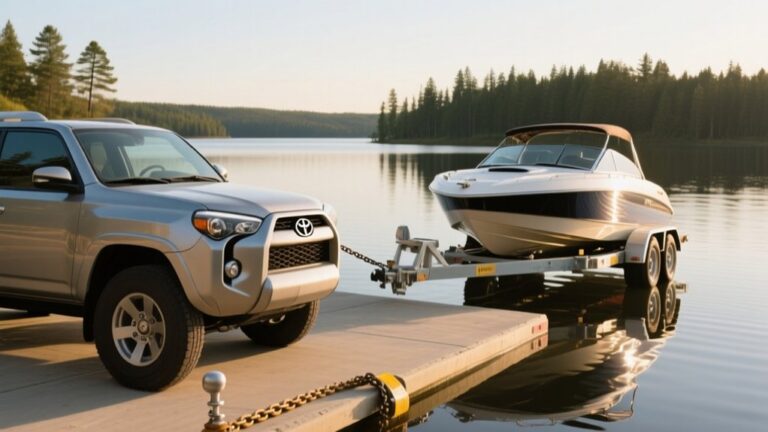
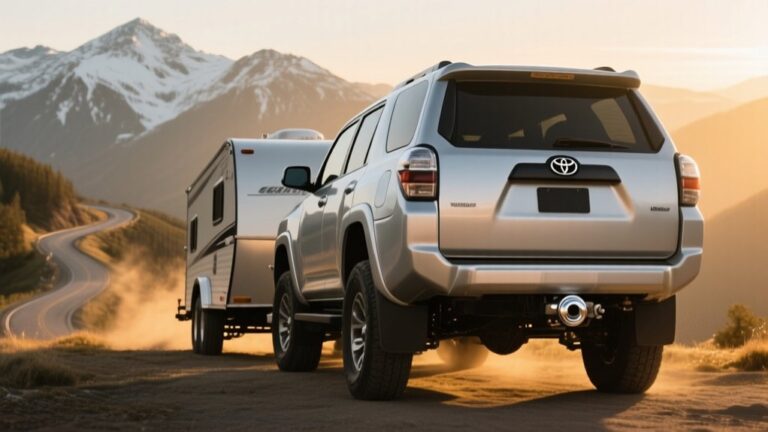
Plus, the 4Runner’s strong towing capacity of up to 6,000 pounds makes hauling gear during off-road adventures easier.
All these upgrades show Toyota’s dedication to blending mechanical strength with advanced technology, making the 4Runner a reliable choice for serious off-road fun.
Interior Comfort and Technology Upgrades in Recent 4Runners
When you step inside a recent 4Runner, you’ll notice the focus on comfort and advanced technology designed to enhance your drive. The interior feels more refined with premium materials like SofTex and perforated leather upholstery.
Reclining rear seats boost passenger comfort, making long rides more enjoyable. Technology upgrades include the Entune touchscreen system, offering Siri Eyes Free, HD traffic, and HD radio for seamless navigation and entertainment.
Climate-controlled front seats in the limited trim keep you comfortable during extreme temperatures. Plus, the backup camera makes reversing easier, helping you maneuver tight spaces with confidence.
These interior comfort and tech upgrades come together to create a modern, user-friendly cabin in the recent 4Runners.
Safety Improvements in Recent Toyota 4Runner Models
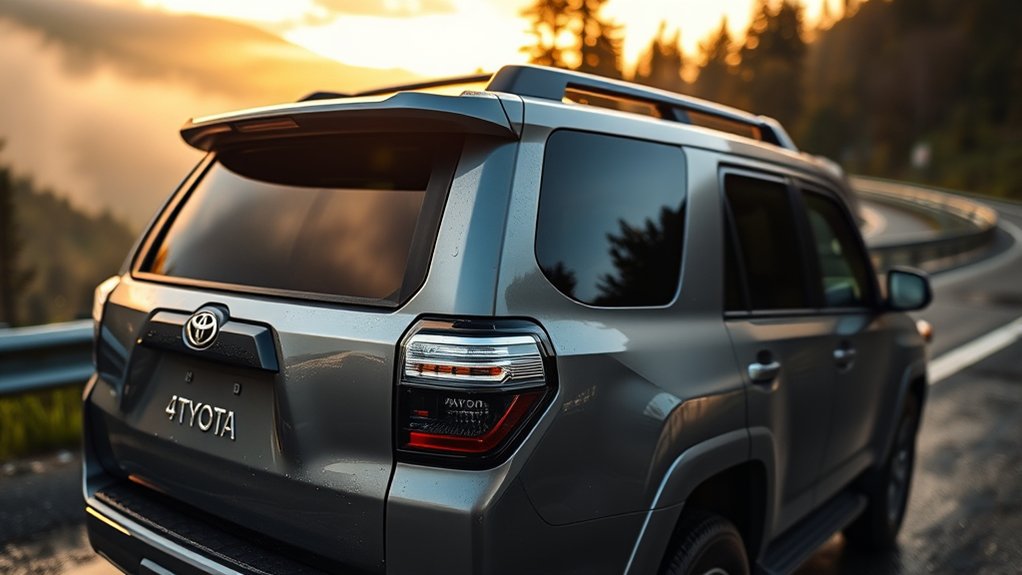
Recent Toyota 4Runner models have really stepped up their safety game. They come with the latest Toyota Safety Sense, which includes features like pre-collision warning and adaptive cruise control to help keep you safe on the road. Starting around 2020, they also added lane departure alert and automatic high beams, making driving even more convenient and secure.
All these safety upgrades are complemented by a strengthened body and advanced airbags, so you can feel confident knowing you’re better protected. Overall, these improvements make the newer 4Runner models much safer and more reliable than before.
Enhanced Safety Features
Although the Toyota 4Runner has long been known for its rugged capability, recent models have greatly improved safety features that boost driver confidence and passenger protection.
You’ll find the Toyota Safety Sense suite standard, which includes pre-collision systems and lane departure alerts to help prevent accidents. A backup camera also comes standard, giving you a clearer view when reversing and reducing blind spots.
Adaptive cruise control improves highway safety by maintaining a safe distance from other vehicles. Stability and traction control systems have been refined to enhance handling in different conditions, making off-road driving safer.
Plus, side-impact door beams and multiple airbags provide increased protection for everyone on board. Whether you’re navigating city streets or rugged trails, these features help ensure peace of mind.
Advanced Driver Assistance
Three key advanced driver assistance features in recent Toyota 4Runner models significantly boost safety and driver confidence. The latest Toyota 4Runner includes Toyota Safety Sense, which offers pre-collision systems, lane departure alerts, and adaptive cruise control to help prevent accidents.
You’ll also benefit from blind-spot monitoring and rear cross-traffic alert, enhancing your awareness in tricky driving situations. A backup camera now comes standard, making reversing safer by improving visibility.
Plus, advanced airbag systems, including driver and passenger knee airbags, provide extra protection during collisions. The Entune infotainment system combines these safety features with easy-to-use navigation, encouraging safer driving habits.
Best 4Runner Years for Towing and Heavy-Duty Use
When choosing a 4Runner for towing and heavy-duty work, some model years stand out because of their power, capacity, and useful features. The 2015, 2017, and 2019 models all can tow up to 5,000 lbs, making them solid options for tough jobs.
The 2020 4Runner steps things up with a strong 4.0-liter V6 engine that delivers 270 horsepower and 278 lb-ft of torque. This makes it great for towing and off-road adventures.
Plus, the 2019 model offers advanced safety features that help boost confidence when towing. Some years also add extra utility, like a three-row option or sliding rear cargo deck, to increase cargo space and versatility.
All these factors make these specific years especially good choices for demanding towing and heavy-duty use.
Reliability Ratings and Maintenance Costs by 4Runner Year
If you’re looking for long-term reliability and manageable maintenance costs, certain 4Runner model years really stand out. The 2010, 2015, and 2018 models each strike a good balance of durability and affordability, backed by strong reliability ratings.
The 2010 model is known for minimal maintenance issues, making it a solid choice for those who want reliability. The 2015’s robust 4-liter V6 engine requires fewer repairs, which helps keep costs down.
The 2018 4Runner benefits from improved engineering, lowering maintenance costs even further. On average, annual maintenance costs are around $500, which is quite reasonable for midsize SUVs with solid capabilities.
| Year | Reliability Ratings | Maintenance Costs (Annual) |
|---|---|---|
| 2010 | High | Moderate |
| 2015 | Very High | Low |
| 2018 | Very High | Lowest |
Which 4Runner Years Offer the Best Value for Families?
What makes certain 4Runner model years stand out as the best value for families? If you’re looking for a Toyota SUV that balances space, safety, and comfort, the 2019 4Runner is a top pick with its three-row seating for up to seven passengers.
The 2017 model adds advanced safety tech through Toyota Safety Sense, which enhances protection for your loved ones. For convenience during family outings, the 2020 version’s sliding rear cargo deck is a practical upgrade.
Models from 2015 to 2022 hold strong resale value, making them smart used car purchases for long-term reliability. Meanwhile, the 2021 4Runner offers premium interiors and climate-controlled seats, boosting ride comfort.
These years provide a great mix of features and value for families.
Choosing the Right 4Runner Year for Your Adventure and Family Needs
How do you choose the right 4Runner year that balances adventure-ready features with family-friendly comfort? If you want a midsize SUV with solid off-road capabilities, models from 2010 to 2020 are great options. These come with a 4-liter V6 engine that delivers 270 horsepower and 279 pound-feet of torque.
For family trips, the 2017 4Runner introduced a three-row option, seating seven and offering plenty of cargo space for gear and luggage. From 2014 onward, features like the Entune touchscreen and backup camera improve safety and convenience.
Higher trims from 2016 to 2020 add luxury touches like climate-controlled seats and leather upholstery, making long drives more comfortable. Ultimately, focus on what matters most—whether rugged adventure or family utility—to pick the best 4Runner year for you.
Frequently Asked Questions
What Are the Common Cosmetic Issues in Older 4runner Models?
In older 4Runner models, paint fading and clear coat peeling from sun exposure are common issues. Rust often develops around the wheel wells and undercarriage, especially in salty climates.
Inside, you might notice cracked dashboards and worn upholstery, particularly on seats and armrests. Headlights can become foggy or yellowed, making it harder to see clearly.
Plastic trim pieces like door handles and window switches tend to show wear or breakage due to age and frequent use.
How Do Fuel Economy Ratings Vary Across Different 4runner Years?
Fuel figures don’t change much across different 4Runner years. You’ll see models from 2010 to 2023 generally get around 16-17 mpg in the city and 19-22 mpg on the highway.
These steady numbers come from the reliable 4.0-liter V6 engine, which prioritizes power over fuel savings. Even with some updates in 2020, the fuel efficiency stayed pretty much the same.
If you’re looking for better mileage, consider competitors that are lighter or have hybrid options instead.
Are There Any Special Edition 4runners Worth Collecting?
Yes, you’ll find several special edition 4Runners worth collecting. The 2010 Trail Edition is notable for its off-road upgrades and unique style.
The 2015 TRD Pro is popular for its rugged features like upgraded shocks and skid plates. The 2020 Nightshade Edition has a sleek, blacked-out look that stands out.
Then there’s the 2021 Venture Edition, which includes exclusive gear like a Yakima roof rack. These editions mix performance, style, and rarity, making them pretty collectible.
What Aftermarket Upgrades Are Popular for 4runners?
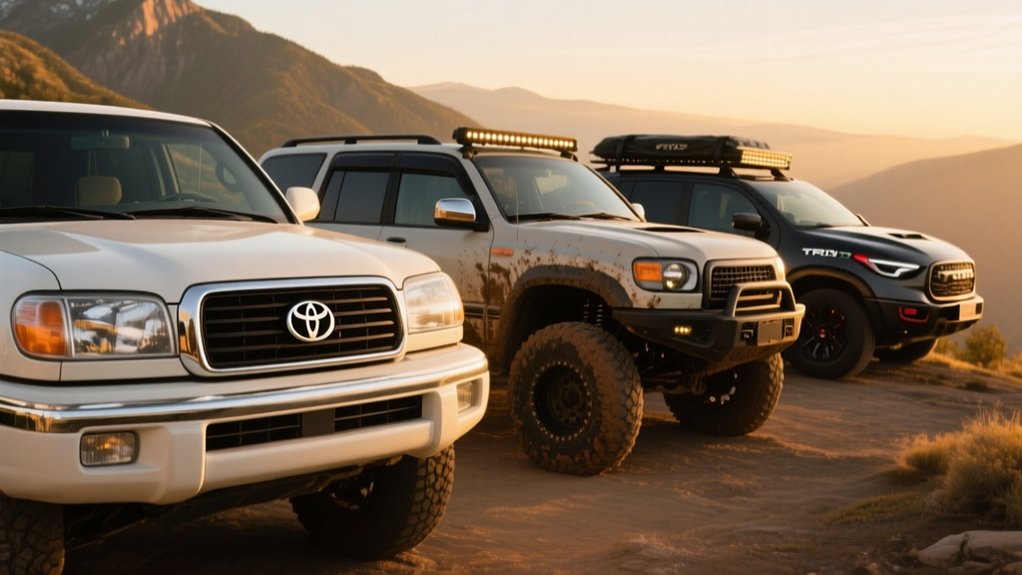
You’ll find suspension lifts are popular for boosting off-road ability and ground clearance, usually adding 2 to 3 inches. Many people upgrade to all-terrain tires like BFGoodrich or Nitto for better traction.
Roof racks and cargo baskets are great for carrying more gear on your adventures. Adding LED light bars improves night visibility, making off-road trips safer.
Custom exhaust systems can elevate engine performance, increasing horsepower and torque. These mods make your 4Runner more capable and versatile for whatever you take on.
How Do Insurance Costs Differ by 4runner Model Year?
Insurance costs for your 4Runner dance up and down like a rollercoaster depending on the model year. Newer models often carry higher premiums, around $1,400 annually, because of advanced tech and safety features.
Older versions can be cheaper, near $1,200, but they might lack some modern protections. Features like driver-assistance systems in recent years can actually lower your rates by reducing accident risk.
Always get specific quotes to see how your model year affects your wallet.
Conclusion
When choosing the best 4Runner year, you’ll find each model offers its own strengths, like different chapters in a well-written book.
The 2016 stands out for balanced performance and features, but newer models bring advanced safety and tech.
Older years may appeal for reliability and value.
Consider your priorities—whether it’s towing, off-road, or family comfort—to pick the 4Runner that fits your adventure and lifestyle perfectly.