Why Is 4runner Mpg So Bad – Real Reasons
Your 4Runner’s poor MPG comes from several factors. Its boxy shape creates high aerodynamic drag, which makes it harder for the vehicle to move efficiently through the air.
The outdated 5-speed transmission struggles to optimize fuel use, causing the engine to work harder and burn more gas.
Toyota builds it tough and heavy, adding weight from durable parts and 4WD components that demand more fuel.
Larger tires and incorrect tire pressure also lower efficiency, making the engine work even harder.
Plus, aggressive driving and lack of maintenance can significantly impact gas mileage.
Understanding these core issues can help you grasp why your 4Runner drinks more fuel than expected.
Key Takeaways
- The 4Runner’s boxy design and flat surfaces increase aerodynamic drag, reducing fuel efficiency, especially at higher speeds.
- Its outdated 5-speed transmission causes higher RPMs and limits fuel optimization, leading to slower acceleration and poor MPG.
- Heavy-duty materials and added weight from 4WD components significantly increase fuel consumption compared to lighter SUVs.
- Larger, heavier tires and improper tire pressure further decrease MPG by raising rolling resistance and engine workload.
- Aggressive driving, high speeds, and lack of regular maintenance negatively impact fuel economy more than fuel grade differences.
Why The 4Runner’s Boxy Shape Hurts Its MPG

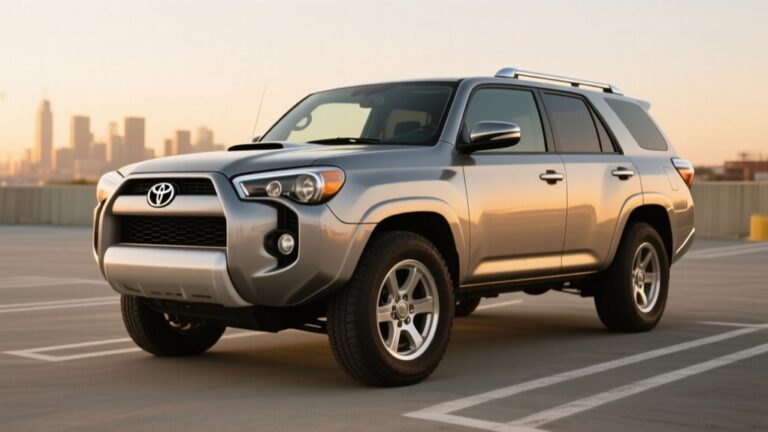
Although the 4Runner’s boxy shape boosts its rugged look, it also lowers fuel efficiency by creating more air resistance. Its flat surfaces and wide wheelbase cause higher aerodynamic drag compared to sleeker vehicles like the Camry.
This extra drag makes the engine work harder, especially when you’re on the highway, which uses more fuel. The flat windshield and roof add to this drag, making MPG worse.
Increased drag forces the engine to consume more fuel, especially at highway speeds, lowering overall MPG.
Keep in mind, the 5th generation 4Runner weighs about a thousand pounds more than earlier models, which also hurts fuel economy. Larger tires and aftermarket mods can make things worse by increasing resistance even more.
In the end, the boxy design is all about ruggedness and off-road ability. But those benefits come with a trade-off: lower fuel efficiency.
How The 4Runner’s Old 5-Speed Transmission Lowers Fuel Economy
So, you’re stuck with a 5-speed transmission that’s been around since 2005. Because it’s pretty much the same design as back then, the gear ratios are a bit outdated compared to newer models. That means your 4Runner isn’t quite as snappy or efficient on the road.
This older transmission design also affects how your vehicle accelerates. You’ll find yourself revving higher at certain speeds, which isn’t great for fuel economy. Especially on the highway, you might notice it burning more fuel than newer vehicles with more advanced transmissions. Overall, it makes it harder for your 4Runner to match the smooth, fuel-efficient performance you’d get with a modern setup.
Outdated Transmission Design
When you compare the Toyota 4Runner’s 5-speed transmission to the more advanced 8-speed and 10-speed systems in its competitors, its limitations become clear. This outdated transmission design dates back to 2005, and while it was effective then, it falls short today.
You’ll notice slower acceleration. It takes 8.0 seconds to go from 0 to 60 mph, compared to just 6.6 seconds in vehicles like the Ford Bronco. More importantly, this design struggles to optimize fuel efficiency at highway speeds, leading to higher fuel consumption for a heavy SUV like the 4Runner.
Without modern gearing options, the transmission can’t adapt well to different driving conditions. This further lowers your overall mileage. In short, the 4Runner’s outdated transmission design is a big reason why its MPG lags behind more modern competitors.
Limited Gear Ratios
Because the Toyota 4Runner sticks with a 5-speed transmission from 2005, it limits how well the engine can perform at different speeds. These limited gear ratios make it harder to optimize fuel efficiency, especially on highways where more gears help the engine run at lower RPMs.
Compared to modern SUVs with 8- or 10-speed transmissions, the 4Runner’s outdated gearing leads to higher fuel consumption. The fewer gears mean the engine can’t always operate at its most efficient point.
This limited gearing sacrifices fuel economy for more torque, which can impact overall MPG. Vehicles like the Ford Bronco or newer SUVs with more gears tend to get better mileage on the highway.
Impact on Acceleration
Although the Toyota 4Runner’s 5-speed transmission was advanced for its time, it struggles to deliver efficient acceleration by today’s standards. This older transmission keeps the engine revving at higher RPMs during acceleration and highway driving, which hurts fuel economy.
You’ll notice slower 0-60 mph times—around 8.0 seconds—compared to competitors like the Ford Bronco, which benefit from more gears and achieve quicker acceleration. The limited gear ratios prevent the engine from operating in its ideal power band, leading to poor gas mileage.
Since the 5-speed design dates back to 2005, it can’t match the efficiency of modern 8- or 10-speed transmissions that better manage engine load and speed. As a result, you’re stuck with sluggish acceleration and increased fuel consumption.
Why Toyota Builds Tough 4Runners That Use More Gas
You’ll see that Toyota really focuses on making the 4Runner reliable and tough. They use heavy-duty parts and sturdy materials to ensure it can handle rough terrains and last a long time.
But here’s the thing: all that durability and strength add extra weight to the vehicle. And because it’s heavier, it tends to burn more gas compared to lighter, less rugged cars. So, basically, Toyota’s priority is building a tough, dependable SUV—even if it means a bit more fuel consumption.
Prioritizing Reliability Over Efficiency
When Toyota designs the 4Runner, it focuses on reliability and durability, even if that means sacrificing fuel efficiency. They use heavier, more durable materials like steel instead of lighter options, which adds weight and hurts gas mileage.
The outdated 5-speed transmission also hurts fuel economy, especially on highways. Modern multi-speed transmissions help optimize engine performance, but the 4Runner sticks with the old design.
Plus, its boxy shape increases air resistance, making it less efficient. These choices show Toyota’s commitment to building a tough, dependable SUV that performs well off-road, but it results in poorer gas mileage compared to competitors focused on fuel economy.
If you want a rugged, reliable vehicle, you’ll need to accept its less efficient fuel consumption.
Heavy Duty Components Added
Because Toyota equips the 2020 4Runner with heavy-duty 4WD components, it ends up carrying an extra 300 to 400 pounds compared to lighter SUVs. These heavy-duty parts, like a reinforced drivetrain and rugged suspension, are meant to boost durability and off-road ability.
This added weight directly affects fuel efficiency, making the 4Runner use more gas than lighter, less tough vehicles. When you drive a 4Runner, you’re balancing toughness against fuel economy.
The extra mass takes more energy to move, especially during acceleration and climbing. So, while these heavy-duty components help the 4Runner handle tough conditions, they also make it less fuel-efficient. That’s why Toyota’s focus on durability impacts the miles per gallon.
Durable Materials Increase Weight
Although the Toyota 4Runner’s durability appeals to drivers seeking reliability, it uses heavy, high-quality materials like steel, which greatly increases its overall weight. These durable materials add significant mass compared to competitors that choose lighter metals or plastics to improve fuel efficiency.
Because of this extra weight, the 4Runner needs more energy to accelerate and maintain speed, which directly lowers its miles per gallon (MPG). The robust 4WD components add an extra 300-400 pounds, making this effect even more noticeable.
The durable materials and sturdy build make the 4Runner tough and reliable, especially off-road. But they do come at the cost of fuel economy. Understanding this trade-off helps explain why the 4Runner’s MPG ratings are lower than many other SUVs.
How Heavy 4WD Parts And Big Tires Impact Your 4Runner’s MPG
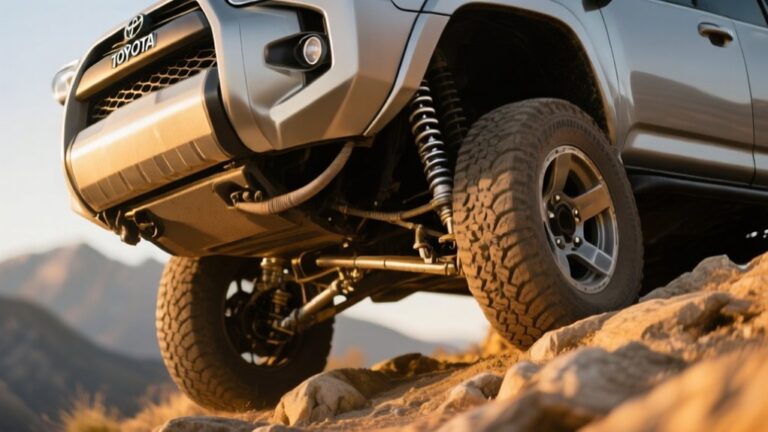
Heavy 4WD components and oversized tires add a lot of weight to your 4Runner, which directly cuts into fuel efficiency. The extra 300-400 pounds from drivetrain parts and bigger tires make the engine work harder.
This increased weight boosts rolling resistance and rotational mass, causing your MPG to drop compared to 2WD models. Larger tires can also lower your MPG by 2-3 miles per gallon if you don’t recalibrate your gear ratios properly.
All of this means your 4Runner will likely get worse gas mileage when you add heavy 4WD parts and big tires. Understanding these factors helps explain why your fuel economy takes a hit.
How Tire Pressure And Size Affect 4Runner Fuel Efficiency
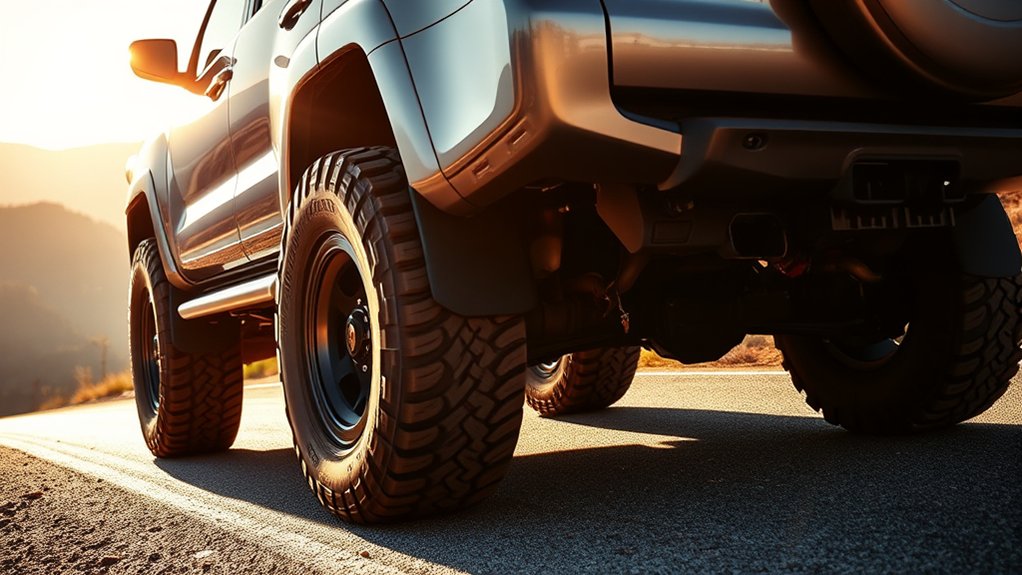
When you keep your 4Runner’s tire pressure at the right level, you’ll see a noticeable boost in fuel efficiency. Proper pressure, around 35 to 40 psi, helps reduce rolling resistance, which directly improves your MPG.
Under-inflated tires at about 25 psi create more drag, making your engine work harder and lowering mileage. On the other hand, over-inflating beyond 45 psi doesn’t offer extra benefits and can make your ride less comfortable.
Tire size also impacts fuel economy. Larger tires add rotational weight, which can cause your engine to burn more fuel. Choosing lighter tires or keeping them well-inflated can help counteract these effects.
Remember to check your tire pressure regularly to keep it at the recommended level. Avoid over- or under-inflating and stick to the manufacturer’s suggested tire sizes and types for the best balance of performance and fuel efficiency.
How Driving Habits Can Improve Or Tank Your 4Runner’s MPG
Beyond keeping your tire pressure and size in check, your driving habits really impact your 4Runner’s fuel economy. Driving at higher speeds, like 75 mph, can drop your MPG to around 16-17.
Sticking to speeds between 60-65 mph often bumps it up to about 21 MPG. Aggressive acceleration and high RPMs also hurt your fuel efficiency, so smooth, conservative driving helps boost mileage.
Frequent short trips under three miles aren’t great either because the engine doesn’t fully warm up, which increases fuel use. By moderating your speed, avoiding rapid acceleration, and consolidating trips, you can improve your 4Runner’s mileage.
Paying attention to these habits can help you save on fuel costs and keep your vehicle running efficiently over time.
Does Premium Fuel Help Your 4Runner’s Gas Mileage?

Although some drivers believe premium fuel can improve their 4Runner’s gas mileage, most find that using 87 octane delivers similar MPG results without the higher cost. The small differences in fuel economy rarely justify paying extra for premium fuel.
Instead, focus on factors that truly affect your mileage. Driving habits and acceleration patterns impact fuel efficiency more than fuel grade.
Monitoring your tachometer can help optimize engine performance regardless of whether you use premium fuel. Your 4Runner’s weight and load also have a bigger influence on MPG than switching to premium fuel.
While premium fuel might boost performance in certain conditions, for everyday driving, 87 octane offers comparable gas mileage. Unless your vehicle specifically needs premium fuel, upgrading probably won’t give you a noticeable improvement in MPG.
When To Inspect Your 4Runner For MPG Problems
Switching fuel grades may have minimal impact on your 4Runner’s gas mileage, but keeping an eye on your vehicle’s condition matters more for maintaining fuel efficiency.
You should schedule inspections every 5,000 to 7,500 miles to catch issues like dirty oxygen sensors, clogged fuel injectors, or worn spark plugs early. These parts directly affect fuel delivery and consumption, so timely checks help prevent big drops in MPG.
If you notice sudden declines in mileage or engine misfires, don’t wait—get an inspection right away to diagnose the problem. Regular inspections also help prevent costly repairs by catching maintenance issues early, keeping your 4Runner running smoothly.
Staying proactive with inspections maximizes your fuel economy and helps your vehicle perform at its best for longer.
Frequently Asked Questions
Can a Dirty Oxygen Sensor Cause My 4runner’s MPG to Drop?
Yes, a dirty oxygen sensor can cause your 4Runner’s MPG to drop. When it’s dirty or not working right, it sends wrong data to the engine control unit, messing up the fuel-to-air mixture.
This causes inefficient combustion and your fuel economy takes a hit. You might also notice rough engine performance or see a check engine light come on.
Cleaning or replacing the sensor can fix the issue and bring your MPG back up. It’ll improve both fuel efficiency and how your vehicle runs overall.
Do Clogged Fuel Injectors Affect the 4runner’s Fuel Efficiency?
Clogged fuel injectors act like a blocked artery, restricting fuel flow and forcing your 4Runner’s engine to work harder. Yes, they do affect fuel efficiency by disrupting the perfect air-fuel mix, causing rough idling and sluggish acceleration.
You’ll notice your MPG drop as the engine strains. Regular cleaning or replacement keeps injectors clear, maintaining peak performance and preventing costly repairs.
Don’t ignore them if you want to save fuel and avoid engine issues.
How Do Malfunctioning Spark Plugs Impact 4runner Gas Mileage?
Malfunctioning spark plugs reduce your 4Runner’s gas mileage by causing incomplete combustion and engine misfires. When spark plugs don’t fire properly, your engine has to work harder and burns more fuel, dropping your MPG by 2-3 points.
This inefficiency can really disrupt the air-fuel mixture, especially in heavier 4WD models. Regularly checking and replacing spark plugs helps ensure peak combustion.
Can Misaligned Tires Reduce My 4runner’s MPG?
Yes, misaligned tires can reduce your 4Runner’s MPG by up to 10%. When your tires aren’t properly aligned, they wear unevenly and increase rolling resistance, making your engine work harder.
This misalignment also often leads to incorrect tire pressure, which can further lower fuel efficiency.
Does a Faulty Fuel Pump Decrease 4runner Fuel Economy?
Think of your fuel pump as the heart of your 4Runner’s fuel system. If it falters, your fuel economy takes a hit.
A faulty fuel pump can’t deliver consistent fuel flow, forcing your engine to work harder and guzzle more gas. You’ll notice rough idling and reduced power, clear signs your MPG is suffering.
Regularly checking your fuel pump helps catch problems early. This keeps your 4Runner running efficiently and saves you money at the pump.
Conclusion
You’ve seen how your 4Runner’s boxy shape and heavy 4WD parts act like anchors, dragging down its MPG. Its old transmission and big tires also contribute to the fuel consumption, while driving habits and tire care can either hurt or help your gas mileage.
Think of your 4Runner as a thirsty beast. Tame it with smart maintenance and mindful driving to keep your MPG from running dry.