How Locksmiths Open Car Doors Explained: 9 Proven Methods with Expert Tips
How locksmiths open car doors explained usually means you need fast, damage-free help. Locksmiths use special tools and skills to unlock your car safely without keys. They work fast, often opening your door within minutes of arriving at your spot.
One common way is using a slim jim. It is a thin metal strip. You slide it between the window and weather stripping.
It catches the locking mechanism lever to get the door without harming seals or paint. You want the hook to catch the lever correctly, which takes practice and care.
Locksmiths often arrive in 20 to 30 minutes, depending on your location and time of day. After they finish, you can get back on the road quickly. You don’t have to worry about damage.
There are no extra costs either. Always call a pro if you’re unsure about handling the lock yourself.
Key Takeaways
- Locksmiths typically unlock car doors within 5 to 15 minutes on site.
- The slim jim is the most common tool for non-destructive car entry.
- You need to turn the tool hook 90 degrees to catch the lock lever.
- Lockouts usually cost between $100 and $250, varying by complexity.
- Calling early can save time and prevent damage to your vehicle.
- Professional locksmiths avoid harming your weather stripping and paint.
1. How Locksmiths Open Car Doors Without Keys

Locksmiths open car doors without keys by using precise, non-damaging techniques. They first confirm the customer’s authorization and then identify the vehicle’s lock type. Choosing the right method helps avoid damage and ensures quick access.
One safe method wedges the door open just a little. This lets a thin tool slip inside. It helps get the door quickly.
This lets locksmiths press the unlock button or pull the interior handle from outside. It works well on newer cars with electronic locks and prevents scratches or dents.
Locksmiths also use air wedges in many cases. Small inflatable bags gently push the door away from the frame. They create a small opening.
This space lets tools get inside. By applying air pressure carefully, they avoid bending or breaking the door panel or weather seals.
- Confirm your identity and vehicle ownership to ensure authorization.
- Inspect the car’s door and lock type to pick the safest method.
- Insert an air wedge carefully between the door and frame to create a slight gap.
- Slide a long-reach tool through the gap toward the interior unlock button or handle.
- Manipulate the tool to press the unlock control or pull the door handle gently.
- Open the door slowly once the lock disengages to avoid damage.
- Check the door edges and seals afterward to confirm no harm occurred.
This process usually takes a few minutes, depending on the car’s make and lock style. Locksmiths avoid brute force methods because those can bend metal, damage paint, or break glass. When cars have advanced or digital locks, the technique often skips the mechanical lock cylinder altogether.
Knowing these steps helps you understand the care locksmiths take during an emergency lockout. Locksmiths use skills and special tools to unlock doors fast.
They work without damaging your car’s paint or function. That’s why you can trust them.
2. The Most Common Tools Locksmiths Use to Unlock Cars
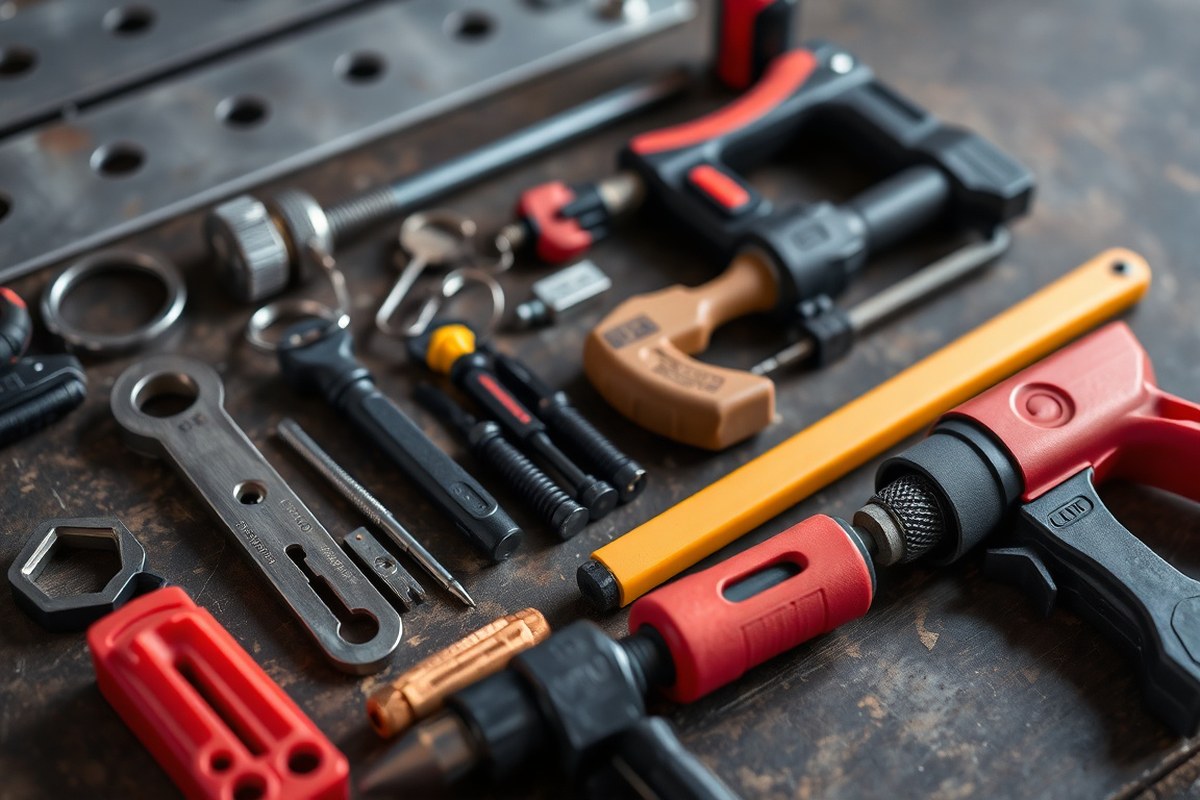
Locksmiths rely on different tools based on the car’s lock type and model year. Older cars often use mechanical linkages unlocked by a slim jim. Newer cars need electronic or cable-based tools like air wedges combined with long reach tools.
Slim Jim and Long Reach Tools
The slim jim is a flat steel tool inserted between the window and weather stripping. It hooks onto mechanical linkages inside the door to unlock it manually. This tool works best on older cars with vertical rods.
It may damage window seals or wiring if used carelessly. Handle it with care to reduce risks.
Long reach tools are rods or hooks. They extend into the door through a small gap.
Locksmiths pair these with inflatable air wedges to create that gap safely. Proper technique keeps the door and weather stripping intact while manipulating door locks.
Lock Picking and Decoder Devices
Lock picks are ideal for cars with exposed physical key cylinders. These picks manipulate the lock pins like traditional house locks.
These tools have a low damage risk. They usually take 5 to 15 minutes to work.
Lishi tools combine picking and decoding functions specifically for modern lock types. These tools let locksmiths see inside the lock’s mechanism.
This helps unlock it without a key. They cause very little risk of harm and are fast when used by professionals.
Electronic Devices and Programming Tools
For newer cars, locksmiths use electronic devices. These connect to the vehicle’s power lock system.
These tools let them unlock doors remotely and program new keys or fobs. Electronic tools are important as newer cars rely more on electronic security than mechanical locks.
These devices may take a few minutes or longer. Time depends on the car’s system complexity.
They avoid physical damage but require specialized knowledge. Locksmiths often carry a range of programming tools for various makes and models.
Air Wedges and Other Accessories
Air wedges are inflatable devices used to create a small gap between the door and frame. They allow insertion of long reach tools without damaging weather stripping. This method carries a very low risk and is preferred for new cars with sensitive trim.
Other accessories include jiggler keys and multi-car opening tools shaped for specific vehicles. Multi-car tools reach linkages where simple slim jims won’t work. Having the right tool prevents unnecessary damage and speeds up the unlocking process.
| Tool | Best For | Risk of Damage |
|---|---|---|
| Slim Jim | Older Cars | Medium |
| Big Easy (Air Wedge + Long Reach) | Most Cars | Low |
| Air Wedge | New Cars | Very Low |
| Lock Picks | Traditional Locks | Low |
| Lishi Tools | Modern Locks | Very Low |
This table shows the right tools for different cars and their risk levels. Using the wrong tool can scratch, dent, or break internal parts. Locksmiths choose tools carefully to protect your vehicle.
Always watch for damage around the door when a slim jim is in use. Improper handling can harm wiring or seals.
3. Step-by-Step Locksmith Process for Safe Car Door Entry
Step-by-Step Locksmith Process for Safe Car Door Entry
Locksmiths first verify who owns the car before they get the door. They check the type of vehicle lock and choose a method that avoids damage. Using the right tools and steps, they open the door safely and securely.
Verifying Ownership and Authorization
Before unlocking, a locksmith asks for proof that you own the car. This protects you and the locksmith from legal problems. They might request your driver’s license and car registration.
Without confirming ownership, a locksmith won’t proceed. This step might take a few minutes but ensures the process is legal and clear. It stops unauthorized people from gaining entry to your vehicle.
Inspecting Car Lock Type and Condition
The locksmith checks the vehicle’s make, model, and lock system. Locks differ a lot by year and design. They look for electronic locks, deadlocks, or keyless entry features.
They also examine the door’s condition and nearby parts like airbags. This helps them avoid causing damage during opening. Certain cars need special tools to avoid setting off alarms or airbags.
Selecting and Applying the Appropriate Technique
Choosing the right method matters for your car’s safety. The locksmith picks a technique based on the lock type and your car’s features. For example, smart keys need special tools to avoid damage.
They use tools like slim jims, wedges, or electronic pick guns carefully. This process involves small movements to avoid bending or breaking parts. Some techniques need creating a tiny gap in the door to work effectively.
- Verify your identity and car ownership documents.
- Inspect the car’s door, lock, and electronic systems.
- Pick the safest opening method based on the lock type.
- Insert tools gently to avoid scratching or bending.
- Get the door with precise pressure and movements.
- Confirm the door can open without resistance.
- Remove tools carefully and check the lock’s condition.
Finalizing Entry and Ensuring Lock Integrity
Once the door unlocks, the locksmith opens it carefully to avoid damage. They check the lock to ensure it still works smoothly. If needed, they clean or lubricate the lock before leaving.
Good locksmiths take extra care so you don’t need costly repairs later. You should notice no scratches or dents. The lock should function just like before the service.
4. How Modern Cars Challenge Locksmiths’ Traditional Methods
Modern car locks come with features that make opening them a real challenge. Many cars now have keyless entry or push-to-start systems.
These systems don’t use traditional keys or visible locks. So locksmiths can’t rely on old tools or methods.
To handle keyless cars, a locksmith needs specialized tools like electronic programming devices. These devices can communicate with the car’s security system to gain entry. Locksmiths also learn to decode the car’s signals to unlock doors without damaging electronics.
Locksmiths use a special slim jim for push-to-start cars. They also use auto lock picks made for electronic systems. These tools help get the car quickly and safely.
Sometimes, they use a device that copies the key’s electronic code to open the door. This process requires skill and up-to-date knowledge about new car models.
Because every car model and system differs, locksmiths assess each situation before choosing their method. They often work with a kit full of tools made for various lock types. This variety helps them open modern cars quickly and safely, avoiding damage to expensive electronics.
This specialized work takes extra time and training. Locksmiths keep up with changing technology by updating their tools and skills regularly. Opening a door can take just a few minutes.
The tricky part is knowing how the car’s system works. This knowledge is what really matters most.
Costs for opening modern locks can be higher than traditional ones. For example, a car lockout in a city like Phoenix averages around $179. That price reflects the locksmith’s expertise and the equipment needed for newer vehicles with electronic locks.
5. How Long Does It Take to Open a Locked Car Door?
Unlocking a car door usually takes between 5 and 20 minutes. The exact time depends on the car’s make, model, and lock type. Older cars with manual vertical locks take less time to open.
Locksmiths use inflatable wedges and long reach tools for this. These tools speed up the process significantly.
Newer cars often have electronic or transponder keys. These require extra steps, like decoding the key code or programming a replacement key.
This can stretch the time to 30 or 45 minutes. Locksmiths might do two jobs back to back: get the door and cut a new key.
Emergency locksmith services tend to work faster when you need quick access. Locksmiths bring tools for common car locks with them. They can open simple locks in under 10 minutes.
These tools are designed for quick and easy access. However, during busy hours, it may take longer to get to you and start the work.
Broken keys or damaged locks add extra time. Removing a broken key inside the lock can take 10 to 20 minutes. The time depends on the type of tool needed.
Each case varies based on the key break. The locksmith must work carefully to avoid damaging the lock or door mechanism.
Keep in mind that rushing a lock opening can damage your car. So let the locksmith take enough time to do it right.
6. Costs and What to Expect When Hiring a Locksmith
Hiring a locksmith to open your car door usually costs between $50 and $200. Several factors affect the price, like the type of lock. The time of day and the job’s difficulty also matter.
These all change how much you pay. Emergency calls at night or on holidays cost more due to higher demand and quick response.
Locksmiths charge extra for same-day or emergency service. These fees cover their travel and the urgency of the situation. You pay more when the locksmith takes longer to unlock.
Complex electronic or combination locks usually need extra time. So, expect a higher price for those jobs.
Here’s a table showing typical locksmith charges for unlocking car doors:
| Service Type | Cost Range (USD) | Notes |
|---|---|---|
| Standard Car Door Unlock | $50 – $100 | Mechanical lock, regular hours |
| Electronic or Combo Lock Unlock | $120 – $200 | More complex tool use, possible longer time |
| Emergency Service (Night/Weekend/Holiday) | +$50 – $100 on top | Higher rates for urgent response |
| Locksmith Struggling Over 1 Hour | Up to $179 or more | May happen if lock is damaged or stuck |
Lost keys or damaged locks often raise the cost. Locksmiths often use wedges or power lock actuators. These tools require more skill to use well.
They also take more time to work properly. This can add to the price but often beats paying for a tow to a dealer.
Before you hire, ask for a price estimate that includes emergency fees or potential extra charges. Clear details help avoid surprises and explain why some cases cost more than others. A good locksmith will outline what they expect clearly on the call or visit.
7. What to Do If You’re Locked Out: Practical Steps Before Calling
First, check all the doors and windows before trying anything else. Sometimes a door or trunk might be unlocked, saving you time.
Also, try your key fob buttons again; batteries can fail. But a fresh press might get the car.
Look carefully along each door frame and window seal. Avoid pulling or pushing hard on glass or trim to prevent damage.
It’s common to miss a slightly open window or door handle. So double-check every side of the car.
Here’s a quick checklist you can follow before calling a locksmith:
- Try unlocking the car again with your remote or spare key
- Check every door, including the trunk and rear hatch
- Look for any unlocked windows or slightly open doors
- Seek help from passersby or nearby business staff
- Remember your location and important details for the locksmith
- Dial 911 immediately if a child, pet, or at-risk person is trapped inside.
- Avoid trying to force entry yourself to prevent damage
Call a professional locksmith if you don’t find an unlocked entry point. They have the right tools and skills for damage-free entry. Good locksmiths can usually get your car open within minutes without hurting the paint or lock.
A child, pet, or vulnerable person locked in a car needs quick help. Call emergency services right away to keep them safe. Time and safety matter most in those cases.
For normal lockouts, expect to pay $50 to $150 for a locksmith. The price depends on the time and your location.
8. Common Mistakes and Risks of DIY Car Door Opening Attempts
Many amateurs try to unlock car doors with unsafe tools like coat hangers or tire irons. These tools often bend or break inside the lock, causing more damage. Locksmiths usually fix these issues by replacing or realigning bent linkages inside the door.
Another common error is inserting wires or rods at the wrong angle. To open the door handle safely, you must insert the wire horizontally through the door side.
Incorrect methods scratch paint, crack weatherstripping, or even trigger airbag sensors. This can lead to repairs costing hundreds more than professional entry services.
- Bending or breaking lock rods and linkages
- Scratching outer paint or damaging door edges
- Cracking or dislodging weatherstripping
- Triggering airbag sensors inside the door panel
- Damaging electronic lock components on newer cars
- Wasting time and increasing frustration with failed attempts
Locksmiths carefully tease apart bent rods, realign lock mechanisms, and reseal weatherstripping. If airbags are triggered, specialized equipment resets or replaces sensors.
On newer models, locksmiths avoid damaging electronic parts by using correct tools and methods. Professional unlocks typically take five to fifteen minutes and come with a damage guarantee.
Don’t use hard wires or sharp tools to open your car. They often cause costly damage.
Trying to force open locked doors often leads to door panel removal and internal fixes. This process costs $100 to $300 or more, depending on the damage.
Professionals can prevent this by applying proper pressure and using tools designed for the job. Following the right steps saves money and preserves your car’s finish and electronics.
9. Advanced Locksmith Techniques When Standard Tools Don’t Work
When usual tools don’t work, locksmiths use advanced techniques. These include lock picking, decoding, and transponder key programming. They help open the car safely and quickly.
These methods let them open tough locks without damage. They also create or reprogram keys on site to get you back on the road quickly.
Lock Picking and Using Lishi Tools
Lock picking lets locksmiths open car doors by manipulating the lock’s pins. It works best on mechanical locks without electronic chips or security features. Lishi tools are thin, specialized picks that help precisely feel and set each pin.
Lock picking requires skill and patience to avoid damaging the lock cylinder. It is often faster than drilling or forcing the lock. Lishi tools show pin positions through feedback.
Locksmiths use this info to open car doors safely. This usually takes only a few minutes.
Follow these steps for picking a car door lock with Lishi tools:
- Insert the Lishi pick gently into the lock’s keyway.
- Feel each pin’s binding pressure as you lift it.
- Set pins one by one by applying controlled torque.
- Check pin positions repeatedly using the tool’s gauge.
- Turn the lock cylinder once all pins are aligned.
- Remove the pick and test the door handle.
- Repeat or adjust if the lock doesn’t open immediately.
Key Decoding and Extraction
Decoding means reading the lock’s pin or wafer configuration without a key. Locksmiths use decoding tools or extract broken keys to figure out the cut pattern. This is useful when the key is lost or snapped inside.
Extraction tools help remove broken keys carefully. Afterward, locksmiths measure or scan the lock to cut a new key matching the exact pattern. This method saves replacing the entire lock when the key is unavailable.
The decoding process steps include:
- Insert an extraction tool to remove broken key parts.
- Use a decoder or gauge to read pin depths or wafer settings.
- Record the cut depths accurately for each pin position.
- Cut a new key based on the decoded measurements.
- Test the new key in the lock for proper operation.
- Adjust cuts slightly if the key feels stiff or won’t turn.
On-Site Transponder Key Programming
Transponder keys have electronic chips that send security codes to the car. Locksmiths carry special programming devices to sync new or replacement keys. This lets the car recognize and start with the new key.
Programming a transponder key saves you a trip to the dealership. A locksmith checks your key and car system first. Then they program the chip key in 20 to 40 minutes.
This ensures the car will recognize your key. Costs vary but usually run between $100 and $250, depending on your car model.
Here’s how a locksmith programs a transponder key on site:
- Connect the programming device to the car’s OBD-II port.
- Identify the car’s make, model, and year in the device software.
- Clear old key data if needed to add the new key.
- Place the new transponder key near the ignition or device.
- Follow device prompts to program the key’s chip.
- Test the programmed key by starting the car.
- Confirm all keys work, then disconnect the programming tool.
Step-by-Step Action Plan When You’re Locked Out
Here’s a simple plan to follow before and after calling a locksmith. These steps help save time and avoid damage to your car.
- Right after you notice you’re locked out: Check all doors and the trunk carefully. Sometimes one door or the trunk may be unlocked.
- Within 5 minutes: Look for a spare key at home or with a trusted friend. Having a spare can avoid locksmith fees.
- Before calling a locksmith: Gather your car details like make, model, and year. This information helps the locksmith prepare the right tools.
- Call a local licensed locksmith immediately: Ask about their services and arrival time. Confirm they handle your car type and lock system.
- During locksmith arrival: Stay nearby and provide proof of ownership when asked. This speeds up the process and avoids legal issues.
- After the car is unlocked: Test every door and the ignition to ensure everything works. If you see any damage, report it right away.
- Within 24 hours: Consider getting a replacement key or a keyless entry fob. This reduces the risk of future lockouts.
Frequently Asked Questions
What Are the First Steps Locksmiths Take Before Opening a Car Door?
Locksmiths start by confirming you own the vehicle. They check your ID and car details to avoid unauthorized entry. This step keeps your car safe and legal.
How Do Locksmiths Avoid Damaging Modern Car Locks?
Locksmiths use non-invasive tools and software for modern locks. They study the car’s specific system before trying entry. This careful approach reduces accidental damage risks.
Can Locksmiths Create New Keys If They Open a Car Door?
Yes, locksmiths often decode the lock to make a new key. This helps if your keys are lost or broken. They use key programming tools for transponder keys.
What Do Locksmiths Do If Traditional Tools Don’t Work on a Car Door?
They rely on advanced techniques like air wedges and pick guns. Sometimes, they use electronic tools for keyless entry systems. These methods require more skill and time.
Why Shouldn’t You Try Opening Your Car Door Yourself?
DIY attempts often damage locks or windows, costing more later. Locksmiths have special tools and training for safe entry. Calling a pro avoids costly mistakes and frustration.
Wrapping Up
Locksmiths use precise skills and tools to safely open your car doors. Knowing the right steps prepares you for a quick solution. Don’t hesitate to call a professional if you’re stuck outside your car.