
How Long Do Car Batteries Typically Last: A Complete Guide with Practical Tips
Wondering how long do car batteries typically last? Most last between 3 and 5 years under usual driving conditions.
This range depends a lot on the battery type, climate, and how you drive. Heat and frequent short trips, for example, can wear out a battery faster.
Lead-acid batteries, the most common kind, often last around 3 to 5 years. Advanced types like AGM and lithium batteries can last longer with good care. You should watch for warning signs when the battery gets old.
It helps avoid getting stuck with a dead battery. Check for slow starts or dim lights as clues.
Checking your battery regularly and avoiding lots of short trips can help stretch its life. Keep an eye on how your car starts, especially in very hot or cold weather. Good maintenance and daily habits make a noticeable difference.
Key Takeaways
- Car batteries typically work for about three to five years. This depends on how they’re used and weather conditions. Hot climates often shorten battery life compared to cooler areas.
- Lead-acid batteries typically wear out faster than AGM or lithium types.
- Hot climates and short trips can shorten battery life significantly.
- Test your battery yearly after 3 years to catch issues early.
- Cold weather increases starting power needs, stressing weak batteries.
- Regular maintenance and less short-trip driving extend battery life.
How Long Do Car Batteries Typically Last in Years and Miles

Car batteries usually last between three and five years under typical conditions. You can expect them to last 40,000 to 60,000 miles. How well they perform depends on your driving habits.
Different driving styles affect battery life. Batteries often fail sooner in hot climates.
Taking many short trips also wears them down. Short trips don’t let batteries fully recharge.
In places with milder weather, batteries often last closer to five years. Cold weather slows down chemical aging inside batteries. But extreme cold can cause failure at start-up.
The engine needs more power in cold starts. Expect a battery lifespan of about 3 years in hot places.
Locations like South Africa have heat that shortens battery life. Frequent short drives also lower battery lifespan.
Some battery types, like AGM or lithium-ion, can last longer when cared for properly. These might reach six years or more, especially if you drive regularly and avoid deep discharges. Most car batteries wear out slowly over time.
They lose capacity gradually rather than fail suddenly. This affects your engine starting and electrical systems.
Key Factors That Influence Car Battery Lifespan
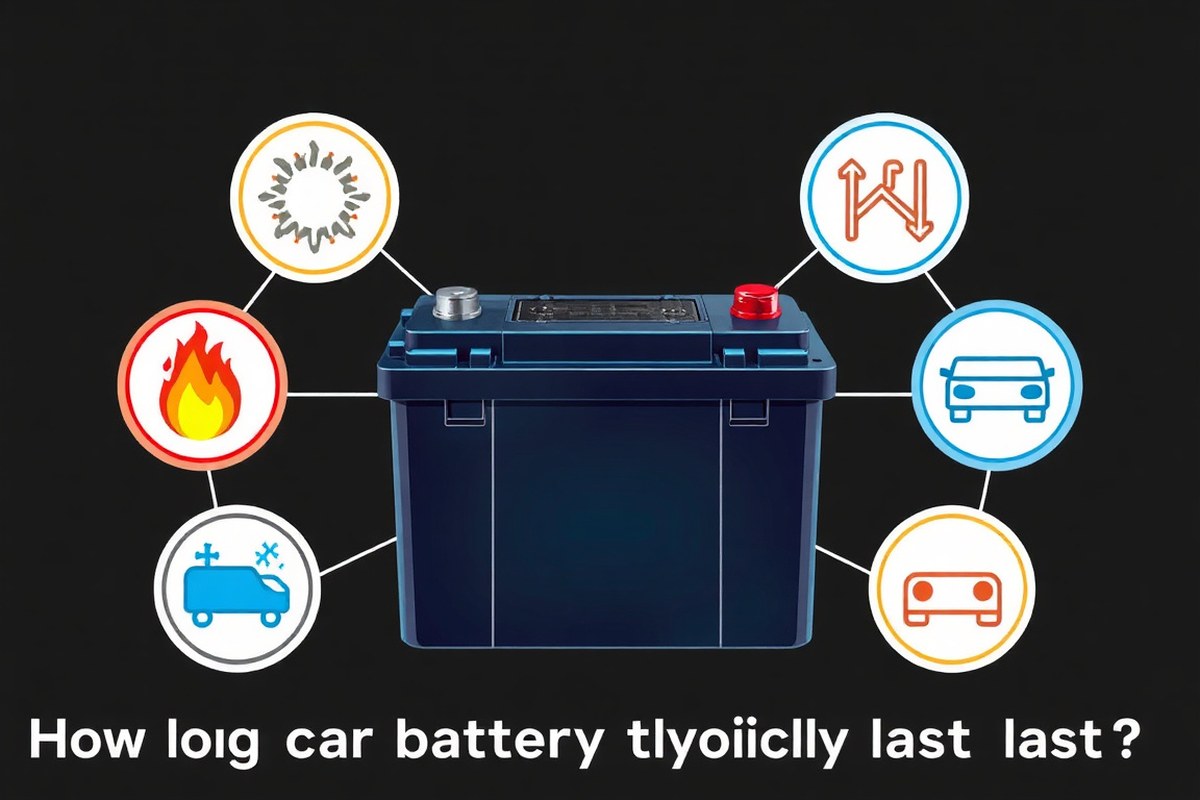
High temperatures are one of the main factors that shorten battery life. Heat speeds up the chemical reactions inside, which can wear out the battery faster. In areas where summer heat goes above 85°F, batteries weaken faster.
They may only last 2 to 3 years. The usual lifespan is 3 to 5 years.
Cold weather also affects battery performance, but differently. Low temperatures reduce the battery’s ability to provide enough power to start the engine. This doesn’t usually kill the battery right away.
But it causes more heavy power draws. That stresses the battery over time. Keeping your battery clean and fully charged helps reduce this effect in cold climates.
Vibration from rough roads or a loose battery hold-down can damage the internal parts. Constant shaking can cause plates inside the battery to crack or wear unevenly. Check the battery to make sure it is tight in its tray.
If it moves, it can get damaged. Keeping it firm avoids this kind of wear.
Your typical driving habits influence battery lifetime a lot. Short trips prevent the battery from fully recharging because the alternator doesn’t run long enough.
This leads to repeated partial discharges that shorten battery life. Longer drives at highway speeds help keep your battery healthy by fully charging it.
Using electrical accessories like lights and stereo takes extra power. This adds load to your battery while the engine runs. That can wear down the battery quicker.
Modern cars with many electronic devices may demand more from a standard battery. Vehicles with heavy electrical use need stronger batteries.
Upgrading to an AGM or improved flooded battery lasts longer. These types handle more load better.
Never leave your car unplugged or unused for weeks. It causes deep discharge that kills batteries faster.
Comparing Different Battery Types and Their Lifespans
You’ll find several common types of car batteries, each with different costs and lifespans. Standard flooded lead-acid batteries cost the least. They usually last 3 to 5 years.
These batteries wear out faster than others. Improve flooded batteries and AGM types last longer but cost more upfront.
Flooded batteries need basic maintenance, like checking water levels during service. AGM batteries handle tough conditions well. They work better with start-stop and regen systems.
These do better in advanced engines. Lithium batteries cost more but last longest.
They also weigh less, which helps. Their lifespan is about 3 to 5 years.
| Battery Type | Typical Price | Common Warranty | Typical Lifespan |
|---|---|---|---|
| Flooded (SLI) | $100, $160 | 24, 36 months | 3, 5 years |
| EFB | $150, $220 | 36 months | 4, 6 years |
| AGM | $180, $350 | 36, 48 months | About 5 years or more |
| Lithium (LiFePO4) | $300, $1,000+ | 3, 5 years | 3, 5 years |
Cost usually reflects the battery’s technology and lifespan. You drive a newer car with start-stop tech. Spending more on AGM or EFB batteries is smart.
These batteries last longer in those cars. They handle the extra electrical load better and last longer with less maintenance.
The flooded lead-acid battery still fits most traditional cars. It works fine if you monitor it regularly and live in a mild climate. Lithium options suit high-performance or electric vehicles but come with a much higher price tag.
How Driving Habits and Trip Length Affect Battery Life
Starting your car uses a lot of power and drains the battery. The alternator needs enough time to recharge the battery fully after each start. Drives shorter than 10 miles don’t allow enough recharging and wear the battery faster.
Usually, a 20 to 30-minute drive lets the alternator recharge your battery completely. This driving time means your battery can regain the energy used during startup.
Plan to take longer drives now and then, like 30 minutes on the highway. These longer trips help restore the battery’s full charge.
Aggressive driving and excessive idling also reduce battery life. Stop-and-go traffic or running a lot of electrical accessories puts extra strain on the battery.
Cars that often take short trips and use many accessories wear out batteries faster. Battery replacements are needed sooner in these cases.
- Combine errands to reduce the number of starts.
- Take a longer drive at least once a week, about 30 minutes.
- Avoid running accessories like the radio or heated seats with the engine off.
- Limit idling time to reduce unnecessary battery drain.
- Consider an AGM battery if your driving has lots of stop-and-go.
Cars in hot climates with short trips suffer faster battery corrosion too. Parking your car for weeks causes the battery to lose charge slowly on its own. Keeping batteries fully charged extends their life and helps avoid unexpected failures on the road.
Signs Your Car Battery Is Failing and Needs Replacement
A failing car battery shows clear signs before it dies completely. Watch for slow engine cranking, dim lights, or warning lamps. You can test your car’s voltage at home.
A professional check works too. Both show when to replace the battery.
Physical and Visual Warning Signs
Slow cranking or a clicking noise means the battery is weak. These sounds show it can’t start the engine well. Dim headlights or flickering interior lights at idle also signal your battery is losing power.
The battery or charging system light on your dash may turn on. It means you need a battery check soon.
You jump-start your car more than once in a short time. The battery likely needs to be replaced. In hot climates like Texas, extreme heat speeds battery wear.
So keep a closer eye on these signs. Frequent visits to recharge the battery indicate it’s slipping fast.
Checking Voltage with a Multimeter
You can check your battery’s health with a basic multimeter for about $15-$25. The testing process is simple and takes only a few minutes.
Look for a resting voltage around 12.6 volts or higher with the engine off. This means the battery is fully charged.
When your engine is running, the voltage should read between 13.7 and 14.7 volts. Use the following steps to test your battery voltage:
- Turn off the car and all accessories like lights and radio.
- Set the multimeter to DC voltage, usually 20V range.
- Attach the red lead to the battery’s positive (+) terminal.
- Attach the black lead to the negative (, ) terminal.
- Read the voltage on the multimeter display.
- Voltage reads below 12 volts. This shows the battery is weak or failing.4 V, the battery is weak and losing charge.
- Start the engine and test again; voltage should be above 13.7 V.
Resting voltage drops below 11 volts. That means the battery is very low or dead.9 volts, the battery is considered dead and needs immediate replacement.
When to Visit a Mechanic
See a mechanic if you see warning lights on your dashboard. They can test the battery and charging system.
Slow cranking or repeated jump-starts also mean you need a diagnostic check soon. Professionals use load testers that show how well the battery performs under real conditions.
Schedule a test around your battery’s third year, then every six months after year four. A mechanic can confirm if weak cranking voltage under 9.6 volts means it’s time to replace your battery. This prevents getting stranded with a battery that fails unexpectedly.
Never ignore the battery warning light. It may signal a failing battery or alternator problem. Prompt checks save you from surprise breakdowns.
Routine Maintenance Tips to Extend Car Battery Life
Cleaning your battery terminals regularly prevents corrosion that can block the electrical flow. Use a mix of baking soda and water with a wire brush to scrub terminals gently. Wearing gloves and eye protection keeps you safe from acid or debris.
Check the battery case for cracks, bulges, or leaks. Physical damage often signals an unhealthy battery that may fail soon. Make sure the hold-down clamp is tight to stop vibration, which can cause internal damage.
Fluid levels matter for non-sealed lead-acid batteries. Look for clear or slightly amber fluid covering the plates inside. If levels are low, add distilled water up to the recommended mark, don’t overfill or use tap water, which can harm the battery.
- Clean terminals every three months using baking soda and water
- Inspect battery case and clamps monthly for damage or looseness
- Check fluid level in non-sealed batteries every two months
- Use a maintenance charger during winter or extended storage
- Avoid short trips under 15 minutes regularly
- Park in shade during summer to reduce heat stress
Winter care means keeping your battery fully charged, as cold reduces its ability. A maintenance charger can help when you don’t drive often. In summer, parking out of direct sun keeps the battery cooler and slows down chemical wear.
Short trips don’t allow your alternator enough time to fully recharge the battery. Try combining errands to get at least 15 minutes of driving. That gives your battery a proper recharge and lowers wear.
Safe Procedures for Jump-Starting a Dead Car Battery
Jump-starting a dead car battery requires careful steps to avoid damage or injury. Use jumper cables to connect your battery to a working one safely. Follow a clear sequence and stay cautious around the battery and engine parts.
Preparing the Cars and Tools
First, park the working car near the dead vehicle so cables can easily reach both batteries. Turn off both engines and remove the keys. Get a set of jumper cables ready, making sure they are clean and free of damage.
Check both car batteries for leaks, cracks, or corrosion on terminals. Any visible damage means you should not try to jump-start the battery.
Wear safety glasses and gloves if you have them. Keep metal objects away from battery terminals to prevent sparks.
Connecting Jumper Cables Correctly
Attach jumper cables in the right order to avoid sparks or electrical shorts. Follow these steps exactly to connect the cables properly without risking injury or vehicle damage.
- Start by connecting a red clamp to the dead battery’s positive (+) terminal.
- Connect the other red clamp to the positive (+) terminal of the live battery.
- Connect one black clamp to the negative (−) terminal of the live battery.
- Put the black clamp on an unpainted metal part of the dead car. Make sure it is not near the battery or any moving parts.
Do not connect the last black clamp to the dead battery’s negative terminal. This step reduces the chance of sparks near battery gases.
Starting the Dead Battery Vehicle Safely
Start the engine on the working car first and let it run for a few minutes. This charges the dead battery slightly before you try to start the other vehicle.
Try starting the dead car. You might need a few tries. Don’t crank longer than 5 seconds each time.
Let the car rest between attempts. After three failed tries, switch the key off. Wait about one minute before trying again.
Once the dead car is running, keep both engines on for about 5 minutes. This helps the dead battery gain some charge before disconnecting the cables.
Disconnecting and Post-Jump Checks
Remove jumper cables in the reverse order you connected them to avoid sparks. Start by unclamping the black clamp from the metal surface on the dead car.
First, take off the black clamp from the live battery. Then remove the red clamp from the live battery.
Lastly, remove the red clamp from the dead battery. Keep cables away from moving engine parts during removal.
Drive the revived vehicle for at least 15 to 20 minutes after jump-starting. This gives the battery time to recharge. A weak start later could mean your battery or alternator needs a mechanic’s check.
When and How to Replace Your Car Battery Right
Replace your car battery if the engine cranks slowly. Batteries often last between three and five years, so consider replacement around that age.
Extreme hot or cold weather. Frequent short trips, can shorten battery life even more.
Choosing the right battery means matching your car’s size, type, and power needs. Check your owner’s manual for recommended battery group size and cold cranking amps (CCA).
Higher CCA is better in cold climates. But don’t pick a battery that’s too big or it might not fit securely.
You can install a battery yourself if you have basic tools and follow safety steps. Turn off your car and all electronics. Remove the negative (black) terminal first, then the positive (red).
After installing, connect the positive terminal first and then the negative. Holding a rag below terminals helps avoid sparks.
Hiring a technician, like a AAA service tech, ensures the right battery is installed correctly. This option costs around $70 to $200 total, including battery price and labor. You gain peace of mind and avoid damage from wrong installation or battery choice.
Remember to wear gloves and eye protection during installation to avoid acid burns. Take the old battery to a recycling center or auto parts store.
Don’t throw it in the trash. Not handling it properly can hurt the environment and cause safety risks.
Always disconnect the negative terminal first and reconnect it last to prevent short circuits and sparks.
Adjusting Battery Care by Climate and Seasonal Conditions
Car batteries react differently to heat and cold. Your battery lasts shorter in hot climates and struggles to start in winter. Adjust how you care for it to keep it working longer all year.
Maintaining Batteries in Hot Climates
Heat can push under-the-hood temperatures past 200 degrees Fahrenheit. This stress speeds up battery wear and evaporation of electrolyte fluid.
Check fluid levels monthly and top off distilled water if you can. Avoid batteries with extra high cold-cranking amps here; they might not last longer.
Keep the battery case clean from dirt and corrosion. Dirty terminals cause resistance and more heat build-up.
Winter Battery Care Tips
Cold temperatures slow chemical reactions inside the battery. This cuts its power and can leave you with a no-start situation.
Make sure your battery is fully charged before the season starts. A fully charged battery freezes at about -76°F. But a half-charged one may freeze at 32°F.
Park in a garage or sheltered spot to lower cold exposure. Use a battery blanket or warmer if your region hits below 0°F regularly.
Seasonal Driving Adjustments to Protect Battery
Short trips in winter drain the battery because the alternator can’t recharge it fully. Take at least one 20-minute drive weekly at highway speeds.
In hot weather, avoid parking in direct sun for long periods. Use a sunshade under the hood to reduce temperature stress.
- Regularly inspect battery terminals for corrosion or looseness
- Keep battery clean and dry to lower heat damage
- Run the engine periodically if you don’t drive daily
- Test battery voltage with a multimeter every few months
- Replace batteries every 3-5 years, sooner in hot climates
- Use an insulated battery cover during winter months
- Follow manufacturer warranty guidelines; some exclude climate damage
Warranties may not cover damage from extreme weather. Know your brand’s terms and keep maintenance records to avoid surprises.
Step-by-Step Action Plan to Care for Your Car Battery
Follow these steps to keep your car battery healthy and lasting longer. Check results along the way to catch problems early.
- Before You Drive: Inspect the battery terminals for corrosion or loose connections. Clean or tighten them until shiny and tight.
- After Every Month: Test the battery voltage with a multimeter. It should read around 12.6 volts when the car is off.
- Every 3 Months: Check the battery case for cracks or bulges. Replace the battery if you see any damage or leaks.
- During Cold or Hot Seasons: Park in a garage or shaded spot to avoid extreme temperatures. This reduces battery stress and wear.
- Every 6 Months: Drive your car for at least 20 minutes without stopping. This charges the battery and prevents sulfation.
- At Battery Age 3 Years: Have a professional perform a load test on the battery. Replace it if the test shows weak performance.
- If Car Struggles to Start: Use safe jump-starting steps or call a mechanic for help. Avoid repeatedly draining the battery.
- When Battery Reaches 4-5 Years: Plan battery replacement to avoid breakdowns. Match the new battery type to your car and climate.
Frequently Asked Questions
What Kills Car Batteries Quickly?
Extreme temperatures and frequent short trips kill batteries fast. Heat causes fluid evaporation, and short drives don’t fully recharge the battery. Also, leaving lights or electronics on when the car is off drains the battery quickly.
How Do I Know If My Car Needs a New Battery?
Your car needs a new battery if it struggles to start. Dim headlights, slow engine crank, or a check engine light can also signal battery issues. Testing the battery voltage can confirm if replacement is necessary.
Is $300 Too Much for a Car Battery?
$300 is on the higher end but can be normal for advanced batteries. Prices depend on battery type, brand, and vehicle requirements. Basic lead-acid batteries often cost less, while AGM or lithium types cost more.
What’s the Average Cost to Replace a Car Battery?
The average cost to replace a battery usually ranges from $100 to $250. Labor fees can add to this if you have it done at a shop. Costs vary by vehicle type and battery technology.
How Long Do Electric Car Batteries Typically Last?
Electric car batteries usually last about 15 to 20 years with normal use. They lose range slowly over time instead of failing suddenly. Regular maintenance helps extend their lifespan.
Before You Go
Most car batteries last between three and five years with proper care. Watching for signs and keeping up maintenance helps you avoid surprises. Start by checking your battery voltage this week to see how your battery is doing.




5 Comments