
Are Mitsubishi Good Cars? Reliability, Costs, and Model Comparisons That Matter
Are Mitsubishi good cars? The short answer is yes, they are reliable and affordable.
They often last beyond 200,000 miles when maintained well. Mitsubishi models offer strong durability compared to many other brands.
Owning a Mitsubishi usually means lower repair costs, with average annual expenses around $535. This is below the industry average, helping save money in the long run. You get dependable vehicles without paying too much for repairs.
To pick a good Mitsubishi, choose newer models. Avoid certain years like 2018 Eclipse Cross or 2022 Outlander. These models had known issues you might want to skip.
These years had more recalls and issues. A careful choice will give you better peace of mind on the road.
Key Takeaways
- Mitsubishi ranks 6th in reliability among 32 car brands according to RepairPal.
- Average annual repair costs for Mitsubishi vehicles are $535, below the industry average.
- The 2023 Mitsubishi Mirage starts under $16,300, a top budget-friendly choice.
- Avoid the 2018 Eclipse Cross and 2022 Outlander due to higher recall rates.
- The Outlander Sport is a reliable SUV with an MSRP around $23,700.
- Many Mitsubishi vehicles last over 200,000 miles with regular care.
Are Mitsubishi Cars Reliable Compared to Other Brands?

Mitsubishi ranks as the 6th most reliable car brand, according to RepairPal.com. They score 4.0 out of 5 for dependability, which beats many other brands.
Their average annual repair cost is about $535. This is below average for similar vehicles.
This ranking matters because it weighs complaint severity, repair costs, recalls, and complaint spread. Mitsubishi’s lower-than-average repair costs mean you spend less on upkeep compared to some rivals.
Toyota repair costs tend to be higher. Toyota is known for lasting a long time.
Many Mitsubishi vehicles last beyond 200,000 miles with proper care. Models like the Outlander and Outlander Sport show strong durability in user reports. This longevity aligns well with the brand’s reputation for solid construction and strong parts.
Annual maintenance and minor repairs on a Mitsubishi cost $500 to $600. This covers basic upkeep each year. Costs include oil changes and brake pads.
They also cover tire rotations and sensor fixes. Mitsubishi maintenance costs less yearly than Honda or Toyota. It is more affordable to keep up.
You can also expect a longer powertrain warranty, often 10 years or 100,000 miles, from Mitsubishi. This is more generous than the 5-year/60,000-mile warranty offered by competitors such as Toyota.
This warranty lowers repair costs over time. It helps with engine and drivetrain repairs.
Mitsubishi vehicles are lighter and nimble, contributing to less wear on suspension and drivetrain parts. This feature might prevent big repair bills. Heavier SUVs and trucks often have these costs.
Mitsubishi might lack some advanced safety features. Toyota and Honda models often have more tech updates.
Which Mitsubishi Models Are Most Reliable and Worth Buying?
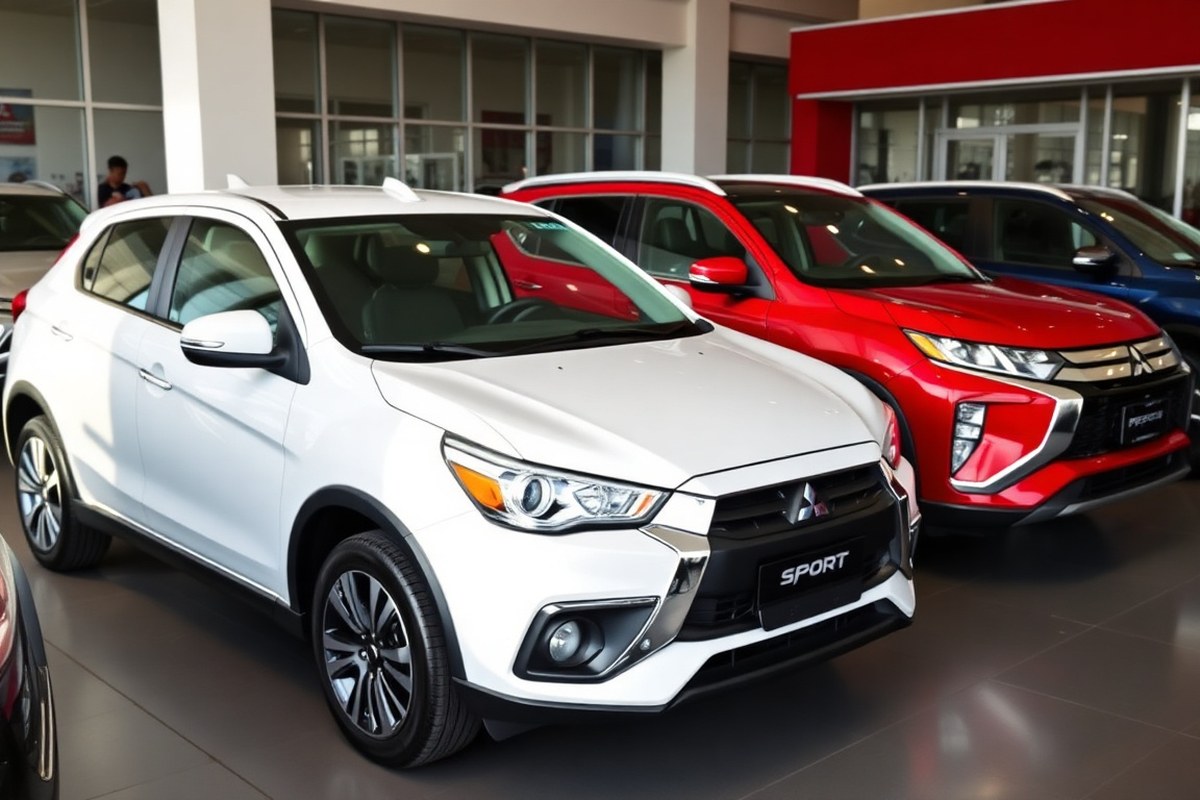
Mitsubishi offers several models known for reliability, especially in recent years. The Mirage and Outlander Sport rank highest, with good scores and fewer recalls than some others. The Outlander SUV has more recalls to watch out for.
Model years around 2022 have the highest number. You should be extra careful with those versions.
Compact cars like the Mirage are often more reliable than SUVs. This is true if you keep up with maintenance. Regular updates also help them last longer.
Still, newer Outlander Sport models hold up well in the compact crossover segment. Avoid Outlander models from 2022 to skip expensive fixes and issues linked to recalls.
| Rank | Vehicle | Best Year | Score | Rating | Recalls |
|---|---|---|---|---|---|
| 1 | Mitsubishi Mirage | 2024 | 83 /100 | Excellent | 2 |
| 2 | Mitsubishi Outlander Sport | 2024 | 80 /100 | Excellent | 6 |
| 3 | Mitsubishi Outlander | 2024 | 74 /100 | Good | 24 |
| 4 | Mitsubishi Eclipse Cross | 2024 | 73 /100 | Good | 3 |
Choose a model year with a high score and low recalls for better dependability. Use this quick checklist to decide:
- Pick 2024 or newer Mitsubishi vehicles if possible.
- Check the recall history online on sites like NHTSA or the manufacturer.
- Consider usage: compact cars for city driving. Outlander Sport for light off-road or family use.
The older Lancer and the Evolution versions have a following for sporty reliability. However, these are less common now and harder to find in good shape. Newer crossovers like the Eclipse Cross also score well but watch for minor recalls.
Always verify recall repairs have been completed on used Mitsubishis before buying to avoid unexpected costs.
How Affordable Are Mitsubishi Cars to Buy and Maintain?
Mitsubishi vehicles fit buyers watching their budget with low prices and good gas mileage. The 2024 Mirage costs less than $18,000, making it very affordable. For SUVs, the Outlander and Eclipse Cross cost around or under $30,000.
Routine maintenance on Mitsubishi models tends to cost less than average. You should budget $400 to $600 yearly for oil changes and other basic care. This includes tire rotations and brake inspections.
Regular upkeep helps keep your car running well. Spare parts are priced competitively, especially for popular models like the Outlander, keeping repair bills manageable.
Fuel efficiency is a strong point for Mitsubishi. The Mirage delivers excellent mileage ideal for city driving. The Eclipse Cross gets 25 mpg driving in the city.
Its highway mileage is 28 mpg. This performance is solid for compact SUVs.
| Model | MSRP Starting Price | Fuel Economy (mpg) | Estimated Annual Maintenance Cost |
|---|---|---|---|
| Mitsubishi Mirage | Under $18,000 | 36 city / 43 highway | $400 to $500 |
| Mitsubishi Outlander | About $30,000 | 24 city / 30 highway | $500 to $600 |
| Mitsubishi Eclipse Cross | Near $30,000 | 25 city / 28 highway | $450 to $600 |
Total ownership costs also consider insurance, warranty coverage, and fuel prices. Mitsubishi’s powertrain warranty helps reduce future repair risks. Models like the Outlander PHEV use less fuel around town.
This can save you money on gas overall. It’s a good pick if you mostly drive locally.
Spare parts prices stay affordable compared to other brands, which benefits owners with no dealer nearby. Labor costs are also lower in many repair shops, balancing out some maintenance expenses. You may spend less over time with Mitsubishi compared to some rivals.
Savings come from lower fuel and repair costs. That makes Mitsubishi a smart buy long term.
What Safety Features and Crash Ratings Do Mitsubishi Models Have?
Mitsubishi models come with solid safety features and have earned strong crash test ratings. Their safety technology includes active systems like forward collision mitigation and passive protections such as airbags.
Some recent recalls addressed safety system updates. So checking your vehicle’s recall status is a smart step.
Standard and Available Safety Technologies
Many Mitsubishi vehicles come equipped with forward collision mitigation as a standard feature. This system detects vehicles ahead and alerts you to potential crashes. Models like the Outlander also offer lane departure warning and blind-spot monitoring.
Passive safety equipment includes multiple airbags, reinforced frames, and seatbelt pretensioners. These help reduce injury risks in a crash. On newer models, adaptive cruise control is often included for highway safety and convenience.
Crash Test Ratings from IIHS and NHTSA
The Mitsubishi Outlander earned the Insurance Institute for Highway Safety’s Top Safety Pick award. It scored “Good” in most crash categories and had a “Superior” rating for front crash prevention. The NHTSA also gave Mitsubishi SUVs strong overall star ratings.
These scores indicate good occupant protection in frontal, side, and rollover crashes. Choosing a car with high test scores helps you feel safer.
These scores show how well a car protects you and your family. They increase your confidence in crash safety.
Recent Safety Recalls and Fixes
Mitsubishi issued some recalls recently related to safety systems like airbags and brake components. These recalls typically involve free repairs at authorized dealers. You can check your vehicle’s recall status by entering its VIN on official government websites.
Addressing recalls promptly ensures your safety systems work as designed. Recall repairs usually take just a few hours.
They don’t cost you anything. The car maker pays for the fix.
What Are Common Problems with Mitsubishi Vehicles and How to Handle Them?
Mitsubishi cars have a few common problems you should know. Older models tend to show transmission and engine issues more often. Simple maintenance and early repairs can keep your car running well and cut down expensive fixes.
Typical Transmission Problems and Warning Signs
Some older Mitsubishi vehicles face transmission failures or shifting troubles. You might notice rough shifting, slipping gears, or delayed acceleration. These symptoms often start small but worsen quickly if ignored.
To handle this, check your transmission fluid every 30,000 miles. Low or dirty fluid can cause parts to wear fast. You should schedule a professional inspection quickly when you see leaks or hear grinding noises.
Engine Issues to Watch for in Mitsubishi Cars
Engine stalling, overheating, and oil leaks are known problems in some Mitsubishi models. Act fast when your car hesitates during acceleration or the temperature gauge climbs too high. Overheating can lead to engine damage or costly repairs.
Regularly check coolant levels and oil changes every 5,000 to 7,500 miles. Seal leaks early to avoid bigger issues. It’s time to see a mechanic if your engine oil smells burnt or puddles appear underneath.
Maintenance Tips to Prevent Common Problems
Mitsubishi cars generally need less maintenance than many brands. Still, routine care helps you avoid pricey repairs. Follow the manufacturer’s schedule for oil changes, brake checks, and fluid top-offs.
Here’s a checklist for basic upkeep to prevent common issues:
- Inspect transmission fluid and change as advised
- Check and replace engine oil regularly
- Monitor coolant level and radiator condition
- Listen for abnormal engine or transmission noises
- Look for oil or transmission fluid leaks under the car
- Keep tires inflated and aligned
- Replace worn brake pads and rotors early
Simple care usually costs less than $200 each year. It helps extend your car’s life by thousands of miles.
Differences in Older vs Newer Mitsubishi Models
Older Mitsubishi cars often have mechanical issues not common in new models. Newer vehicles benefit from improved engine design and better transmission technology. They also include advanced monitoring systems that detect failures early.
Still, no car brand is perfect. Even newer Mitsubishis can experience electrical glitches or wear-related parts breakdown after 100,000 miles. Keeping an eye on white or bluish exhaust smoke helps detect engine problems early.
Knowing When to See a Professional Mechanic
Minor issues you can handle yourself become expensive if delayed. Always get professional help when:
- Transmission slips repeatedly or won’t shift gears
- Engine overheats despite coolant refills
- Warning lights stay on after a restart
- Loud knocking or strange sounds persist
- Visible leaks continue after you’ve topped fluids
Professional checks can cost $100 to $300 but stop bigger repairs down the road. You save money by catching problems early instead of waiting for breakdowns.
Don’t ignore early warning signs like slipping gears or overheating. Catching issues early saves you money and hassle.
How Does Mitsubishi Compare to Toyota and Honda in Reliability and Value?
Mitsubishi offers a strong warranty that beats many competitors but is shorter than Toyota and Honda’s. Mitsubishi covers powertrain for 10 years or 100,000 miles. Bumper-to-bumper coverage lasts 5 years or 60,000 miles.
Toyota and Honda offer 5 years or 60,000 miles on powertrain. Their bumper-to-bumper coverage is 3 years or 36,000 miles. That longer bumper-to-bumper on Mitsubishi means fewer repair costs early on.
When comparing ownership costs, Mitsubishi has lower annual repair expenses. The average yearly repair cost for Mitsubishi is about $535. Toyota and Honda cost closer to the industry average of $652.
That difference can add up to real savings over time. This matters more if you keep the car many years.
Toyota and Honda usually keep higher resale values. This offsets some of their higher maintenance costs.
Mitsubishi’s value shines for budget buyers who want lower repair bills and a strong warranty. The 2024 Mitsubishi Mirage costs less at first. It also stays cheap to maintain over time.
On the downside, Mitsubishi doesn’t have the same reputation for reliability as Toyota or Honda. Some buyers worry about quality because Mitsubishi ranks 6th in reliability, slightly behind these leaders.
Choosing between these brands depends on priorities. Mitsubishi pros include its longer warranty and lower repair costs. The cons are lower resale value and sometimes weaker overall quality.
Toyota and Honda boast strong reliability, broader model choices, and higher resale value. Their cons are higher initial prices and repair costs.
For a clear picture, check these warranty terms side by side: Mitsubishi’s 10/100k powertrain vs. Toyota/Honda’s 5/60k powertrain, and Mitsubishi’s 5/60k bumper-to-bumper vs. 3/36k for Toyota and Honda. Mitsubishi lowers the chance of paying repair bills in early years. It offers strong coverage here.
Toyota and Honda hold value better for resale. They also have proven reliability over time.
Think about how much you plan to use the car. Mitsubishi saves money on repairs and warranty if you drive less. It’s good for budget-friendly entry models.
For long-term reliability and resale, Toyota or Honda might be better choices. They are more established brands. Knowing these differences helps you make the right call for your budget and needs.
What Mitsubishi Models Offer Hybrid, Electric, and Off-Road Options?
Mitsubishi offers plug-in hybrid vehicles and strong off-road SUVs. Their lineup includes the Outlander PHEV, which balances electric-only driving and hybrid power. Their SUVs, like the Pajero, are built to handle rugged terrain well.
Mitsubishi Hybrid and Electric Vehicles
The Mitsubishi Outlander PHEV is the main hybrid in the lineup. It delivers 38 miles on pure electric power before using the gas engine.
This SUV combines a 2.0- or 2.4-liter gas engine with twin electric motors. The later 2.4-liter version is generally more reliable and efficient.
Mitsubishi’s goal is for half of its sales to be electric or hybrid by 2030. This reflects their growing focus on greener cars.
Off-Road Capabilities of Mitsubishi SUVs
The Mitsubishi Pajero, also known as Montero or Shogun, has a strong reputation off-road. It features a strong four-wheel-drive system for rugged trails.
Its body-on-frame design and advanced 4WD make it great for serious off-roading. This SUV can handle rough terrain and steep inclines confidently.
Besides the Pajero, the Outlander has good off-road ability. It features all-wheel drive and decent ground clearance. You can handle moderate off-road trails with it.
Comparing PHEV and Gas Options
Choosing between a plug-in hybrid and gas-only depends on your driving needs. The Outlander PHEV saves fuel on short trips with its 38-mile electric range.
For longer drives or rough terrain, gas power adds flexibility and range. The 2.4-liter engine pairs well with electric motors for balanced power.
Daily city driving with occasional off-road use suits the PHEV well. Frequent off-roading calls for a gas-powered Pajero or Outlander with 4WD.
These models handle rough terrain better than others. They offer stronger performance off the road.
How Long Do Mitsubishi Cars Typically Last with Proper Maintenance?
Mitsubishi cars often reach anywhere between 150,000 and 200,000 miles with proper care. Many owners drive their Lancers and Outlanders past these numbers. They often report no major problems.
These cars can be very reliable over time. Maintenance matters a lot in reaching these milestones.
It keeps parts working well. It also helps avoid costly damage later on.
Regular oil changes every 5,000 to 7,500 miles protect your engine from wear and tear. Check tire pressure monthly and rotate tires every 6,000 to 8,000 miles to avoid uneven wear. Keep fluids like coolant and brake fluid topped off and replace filters on time.
Following the owner’s manual schedule is worth it. It can add years to your car’s life. Keeping up with maintenance pays off.
Outlander and Mirage models last longer than most cars. They have strong builds and reliable engines. This adds to their lifespan.
These vehicles also come with a 10-year/100,000-mile powertrain warranty, helping with repairs if they arise. For commuters driving 8,000 to 10,000 miles a year, repairs are fewer.
Proper upkeep and timely service help a lot. Visit a trusted mechanic or dealership.
Skipping early maintenance like oil and brake checks is risky. It often leads to bigger repair bills later. Regular checks save you money.
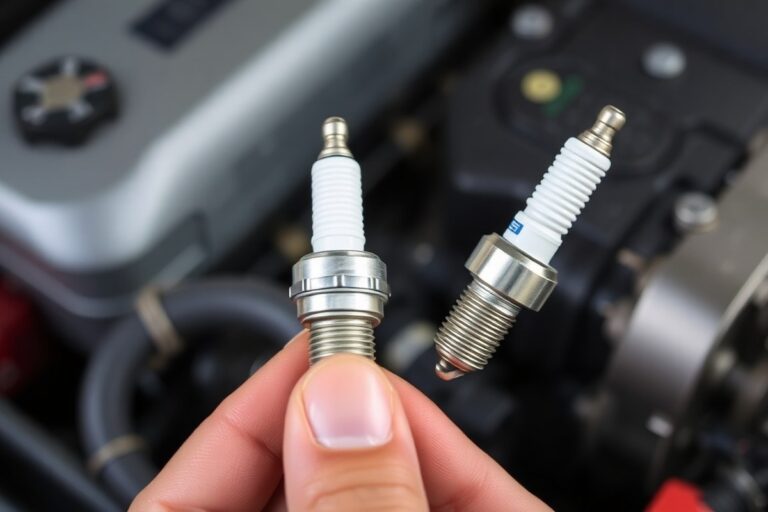
Mitsubishi Lancer owners advise changing spark plugs every 30,000 miles. They also recommend inspecting belts and hoses during oil changes. This keeps the car running well.
The Outlander benefits from regular transmission fluid changes around 60,000 miles to keep shifts smooth. These small repairs usually cost between $100 and $200.
They help your car stay strong longer. Such spending protects your car’s future.
Road conditions and driving habits influence how long your Mitsubishi lasts. City driving with lots of stops can wear brakes and tires faster.
Highway miles are easier on the engine but pay attention to cooling systems during hot weather. Staying ahead on maintenance helps avoid breakdowns and keeps your ride safe and comfortable.
Where and How to Find Good Deals on Mitsubishi Cars Near You
Start your search for Mitsubishi cars by checking local dealerships. They often have new models and certified pre-owned vehicles with warranties. Visiting a dealership helps you test drive, inspect the vehicle, and ask questions directly.
Used Mitsubishis can be a good buy if you check them carefully. Use online platforms like Autotrader, Cars.Use websites and local listings in your zip code like 15560. Compare prices and check what options you can find nearby.
This helps find the best deals close to you. These websites show detailed photos, vehicle history reports, and sometimes dealer reviews.
When buying a used Mitsubishi, inspect the vehicle closely. Look for any signs of rust, mismatched paint, or frame damage. Check the tires’ condition and tread depth, as uneven wear can signal alignment problems.
Test all the electronics in the car. Check the touchscreen display carefully. Make sure Apple CarPlay and Android Auto features work.
- Check under the hood for leaks and worn belts or hoses.
- Review the service history and confirm regular oil changes.
- Take it for a test drive on different road types and listen for unusual noises.
- Verify the powertrain warranty status, which Mitsubishi offers for a long time.
- Ask if the car has any open recalls. For example, airbag problems on a 2014 Outlander. Knowing recalls helps you avoid safety issues.
- Consider hiring a trusted mechanic to do a thorough inspection before buying.
Know the car’s market value before negotiating price. Check online listings of Mitsubishi vehicles first. This helps you get a fair deal.
Start below the average asking price, then meet somewhere in the middle. For new or certified used cars, ask about warranty extensions or dealer incentives.
Buying from online marketplaces can save time but requires more caution. Always request a vehicle history report and clear photos, and arrange an independent inspection. For private sellers, meet in public places and take someone with you for safety.
Your Quick-Start Plan for Buying a Mitsubishi
Follow these steps to pick a Mitsubishi that fits your needs and budget. Each step helps you avoid common mistakes and get the best deal.
- Before you start: Decide what you want, SUV, sedan, hybrid, or electric, to narrow your choices.
- Day 1: Check reliability ratings for your Mitsubishi model. Read owner reviews. Make sure it suits your needs.
- Day 2: Set a budget for the car. Add costs for insurance and maintenance. Stay within your means.
- Week 1: Visit local dealers and look for certified pre-owned Mitsubishi cars to ensure good condition.
- Week 1: Take test drives to try the car. Notice how it handles. See if you like the controls.
- Week 2: Compare dealer prices, warranty offers, and financing options to find the best overall deal.
- Week 3: Arrange an independent inspection if buying used to catch hidden issues before purchase.
- After purchase: Follow the maintenance schedule closely to keep your Mitsubishi running well for years.
Frequently Asked Questions
Are Mitsubishi Cars Expensive to Insure?
Mitsubishi cars usually cost less to insure than luxury brands. Their lower repair costs and good safety ratings help keep insurance affordable for most drivers.
Do Mitsubishi Vehicles Hold Their Value Well?
Mitsubishi models generally depreciate faster than Toyota but slower than some brands. They offer solid value if you buy new for the warranty and fuel economy benefits.
Can You Get Good Mitsubishi Service After Purchase?
Even though Mitsubishi stopped selling new cars in the US, dealers still honor warranties. You can get parts and repairs from many certified shops and independent mechanics.
Do Mitsubishi Cars Have Good Resale Demand?
Mitsubishi SUVs and crossovers attract buyers who want affordability and style. Models like the Outlander have steady resale interest, especially among budget-conscious shoppers.
Is Mitsubishi a Good Choice for First-Time Buyers?
Mitsubishi cars are great for first-time buyers due to low price and warranty perks. They offer easy-to-drive models with decent features for a practical daily ride.
Wrapping Up
Mitsubishi cars offer reliable options with good features for the price. Take the time to research and test drive before buying. Start by checking local listings for models that fit your budget and preferences.


One Comment