
Car Seat How Long Good: Complete Guide to Lifespan, Safety & Expiration
Car seat how long good is a common question for parents and caregivers. Most car seats last between 6 to 10 years from the manufacture date. This range depends on the brand, model, and how you use the seat daily.
Start by checking the label or sticker on the seat for the exact expiration date. It’s important to follow this date because plastic and parts weaken over time. Using a seat past its date can reduce safety during travel.
Keep in mind that no law immediately bans expired seats. But safety experts recommend replacing them at the set date. Protecting your child means picking a good car seat.
You also need to know when to upgrade it. This helps keep your child safe.
Key Takeaways
- Check your car seat’s label for the expiration or manufacture date first.
- Most infant and convertible car seats expire between 6 and 10 years.
- Brands like Graco expire at 7 to 10 years depending on the model.
- Maxi-Cosi seats often last longer, around 8 to 12 years.
- Plastic parts can weaken, so don’t use a seat past its expiration date.
- Car seat laws don’t instantly ban expired seats, but safety advice is strict.
How Long Are Car Seats Good for and Why They Expire

Car seats usually last between 6 and 10 years from their manufacture date. Infant car seats typically expire after about 6 years. Convertible and rotating car seats often last around 8 years.
Some all-in-one and harness booster seats last up to 10 years. This depends on the brand. Check your seat’s label for exact info.
The main reason car seats expire is that their materials weaken over time. Plastics in the shell can become brittle and crack. Straps and padding may lose strength and no longer protect your child properly.
Heat, cold, and sunlight wear out car seats faster. Daily use adds to this wear. This can make the seat less safe in crashes.
Safety rules and technology also change over time. Newer seats might have better crash protection or meet tighter standards. This means older seats may not offer the best safety anymore.
Car seat makers set expiration dates for a good reason. They help you know when to replace the seat. Don’t use a seat past that date.
On average, car seats expire 6 to 8 years after they were made. But some brands allow up to 12 years. Maxi-Cosi seats often have the longest lifespan, about 8 to 12 years.
Baby Trend seats usually expire after 6 years. Check your seat’s label or plastic base to find the exact date for your model.
Materials like plastic frames, webbing, and buckles weaken with time and exposure to varying temperatures. Long periods in hot cars can dry out the straps. Heat also makes plastic parts weak and easy to break.
This lowers the seat’s safety. These changes reduce how well your car seat can protect your child during a crash.
How to Find and Interpret Your Car Seat’s Expiration Date
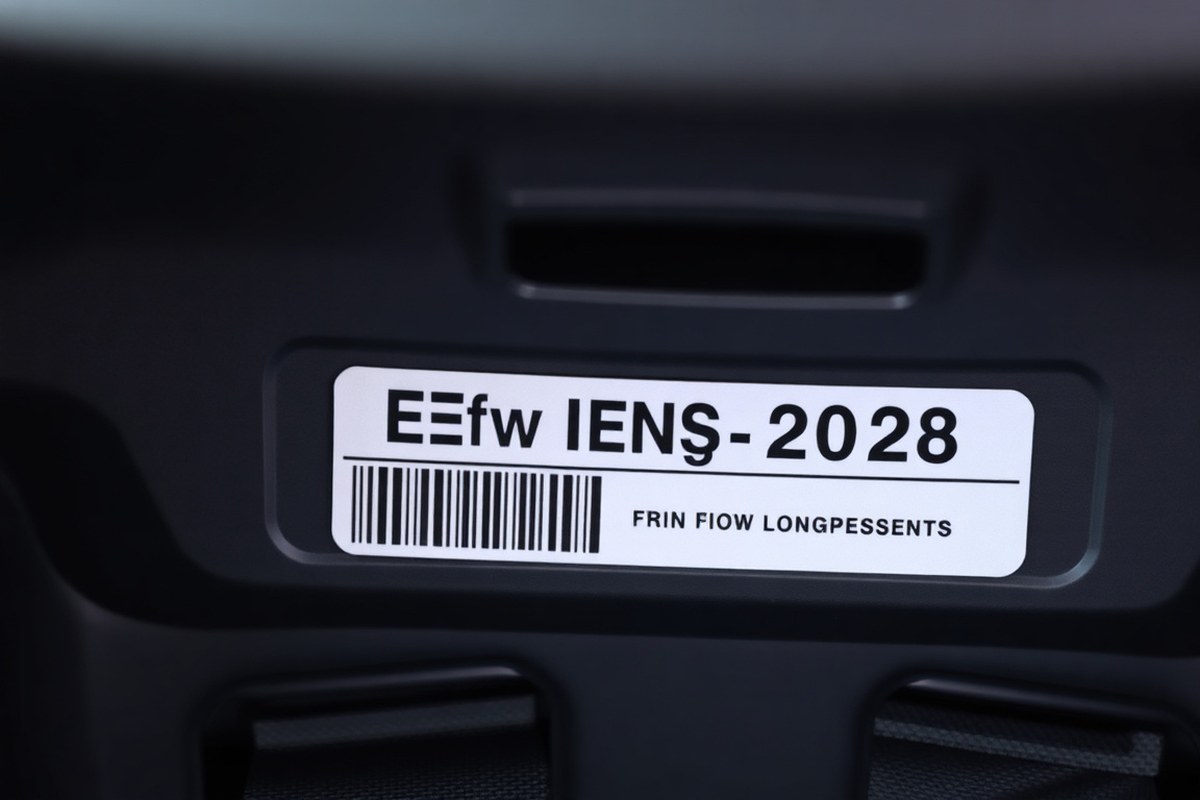
Finding your car seat’s expiration date is key to keeping your child safe. You usually find it on a label attached to the seat. It can also be in the manual that came with it.
You can take steps to find your seat’s age. This helps check if it is still safe to use.
Where to Look on Different Seat Types
Expiration dates often appear on a sticker or printed label on the seat itself. Check the bottom or back of your infant or convertible car seat first. Booster seats may have the date on the side or bottom, near the harness slots.
Don’t forget to check car seat bases too. Their expiration date is usually on a label or stamped on the base’s underside. Every part needs checking to ensure all components are safe and current.
Decoding Date Formats and Labels
Expiration labels usually show an “Expiration Date” or “Use By” date. Some labels list the “Date of Manufacture” (DOM) instead. Look for the DOM on the seat.
Add the seat’s lifespan to this date. Lifespan is often 6 to 10 years.
Dates might be in different formats depending on the manufacturer. Look for dates in MM/DD/YYYY or MM-YYYY format. The date could be stamped directly onto the plastic shell or printed on a label.
What to Do If the Date Is Missing
Write down the model and serial number when no expiration date shows. These details help you get more info.
You can contact the manufacturer directly and ask about your seat’s expiry. Many brands provide expiration info based on these numbers.
Another option is checking online at the manufacturer’s website for your model’s lifespan. Avoid using any car seat if you can’t confirm its age or safety status. Your child’s safety depends on using a seat within its valid timeframe.
Follow these steps to find your car seat’s expiration date:
- Look for a label on the bottom, back, or side of the car seat and base.
- Check if the label shows an expiration date or date of manufacture.
- Note the date of manufacture if you find it on the seat. Check the seat’s good-for years in your manual.
- Calculate the expiration by adding the lifespan to the manufacture date if needed.
- Review your car seat manual for any expiration info if the label is unclear.
- Write down the model and serial numbers if no date is on the seat.
- Contact the manufacturer or visit their website to confirm the expiration date based on the numbers.
- Do not use the seat if you cannot confirm its expiration. Avoid using it if it has already passed the date.
Keep your car seat manual and store it safely, expiration details live there too. Without it, confirming your seat’s safe use gets harder.
Typical Lifespans of Infant, Convertible, and Booster Car Seats by Brand
Car seat lifespans vary quite a bit depending on the brand and model. Most seats last between 6 and 10 years.
But some can expire sooner or later. Checking your specific seat’s expiration date helps you avoid using it past its safe lifespan.
Infant, convertible, and booster seats all have different limits. For example, some infant seats last about 6 years.
Certain convertible seats can last closer to 10. Booster seats usually expire within this range but often have their own manufacturer rules.
| Brand | Typical Lifespan (Years) | Notes |
|---|---|---|
| Chicco | 6-10 | Varies by model and manufacture date, check label |
| Graco | 7-10 | Most models last closer to 10 years |
| Britax | 6-10 | Expected lifespan depends on model and manufacture date |
| Typical Infant Seats | ~6 | Usually expire sooner than convertibles or boosters |
| Convertible Seats | 6-10 | Can last for multiple children if well cared for |
| Booster Seats | 6-10 | Also expire; check your model’s date specifically |
Some car seat models last longer than others. Always check the expiration label on your car seat. Make sure your seat isn’t expired before using it.
It shows the exact date the manufacturer recommends retiring the seat. Older seats, even if they look fine, may have weakened parts that don’t protect your child.
The tradeoff in choosing a longer-lasting model is generally the price and weight. Seats that last closer to 10 years may cost more or be heavier. Choose a seat that fits your lifestyle and be sure to track the expiration date.
Environmental and Usage Factors Affecting Car Seat Longevity
Heat and cold can seriously weaken a car seat’s parts over time. Plastic shells become brittle in hot cars during summer. Cold winter temperatures also cause brittleness.
This can affect the safety of the car seat. This brittleness isn’t always visible. But it makes the seat less safe in a crash.
Sunlight speeds up material breakdown too. UV rays degrade the plastic and fade the fabric’s colours. You often park your car in direct sun.
Tiny cracks may then appear on the seat’s surface. These cracks reduce the seat’s strength without showing obvious damage.
Frequent use makes wear and tear worse. Buckling and unbuckling the harness stresses the seat. Taking it in and out adds more stress.
Cleaning the seat regularly also wears it down. Over months and years, padding compresses and metal parts can lose their tightness, which affects safety.
Humidity and spills cause another problem. Dampness breaks down foam padding faster. Food or drink stains attract dirt and bacteria.
This damage looks bad on the car seat. It may also weaken the foam inside. That reduces protection during a crash.
Cleaning agents can harm fabric and plastic too. Harsh chemicals used to remove stains might erode materials or cause fading. Use mild soap and water to clean the seat.
Let it air dry fully afterward. Do not use harsh cleaners that can damage the seat.
You live where temperature changes a lot. Expect your car seat to age faster. The plastic expands and contracts, which wears it down more quickly.
Leaving the car seat in your vehicle all the time causes daily temperature changes. These changes reduce the seat’s lifespan. You should remove it when not in use if possible.
You can help by limiting how long your child’s seat stays in extreme conditions. Try storing it indoors when not needed, especially during hot summers or cold winters. Use sunshades in your car to block UV rays and lower interior temperature.
The frequency of use and environmental exposure together decide how quickly your seat ages. Heavy daily use paired with strong sun or cold can shorten its safety window by years. Knowing this helps you watch for warning signs and replace the seat before it becomes unsafe.
Can You Safely Use a Secondhand or Hand-Me-Down Car Seat?
You can use a secondhand car seat safely if it meets certain checks. It must not be expired, damaged, or involved in a crash. Following a detailed checklist helps you spot problems and keep your child safe.
Inspecting for Visible Damage and Wear
Look over every part of the car seat carefully. Check for cracks in the plastic shell or broken pieces. Frayed or weakened straps can’t hold your child securely.
Test the buckle and harness for proper function. They should click easily and hold tight without slipping. Check the padding and fabric for tears.
Also, look for fading from sun damage. Fading can weaken the safety of the car seat.
Checking Manufacturer and Recall History
Find the model number and manufacture date on the car seat label. Use this info to check online for recalls.
Visit the manufacturer’s website. You can also check the National Highway Traffic Safety Administration (NHTSA).
Never use a car seat that’s under recall unless it has been repaired by the manufacturer. Make sure you have all the original parts.
This includes inserts and harness pads. Using unapproved replacements might reduce safety.
Confirming Expiration and Accident Status
Look for the expiration date on the car seat label or manual. This typically ranges from 6 to 10 years after manufacture, depending on brand and model. Don’t accept a used seat without proof it hasn’t passed this date.
Ask the seller if the seat has ever been in a crash. Even a minor accident can reduce safety because damage might not be visible. Without a clear, honest history, avoid using the seat.
- Check for cracks, missing parts, and ripped fabric.
- Test harness tightness and buckle operation.
- Verify model, manufacture date, and recall status online.
- Confirm the car seat hasn’t expired by date on label or manual.
- Get a full history about accidents or impact damage.
- Ensure all original parts and approved inserts are included.
Following these steps takes time but costs nothing if you’re examining a used seat yourself. A full inspection usually takes 15 to 20 minutes.
Researching online can add a few minutes more. Skipping these checks puts your child at risk.
Never use a car seat if you aren’t certain about its accident history or expiration date.
Do Car Seat Bases and Booster Seats Also Expire?
Infant car seat bases expire too. They usually last 6 to 10 years. This matches the seat’s own lifespan.
Check both your infant seat and base for expiration dates. They have separate ones if the base detaches.
Manufacturers print expiration dates on labels. Look on the bottom or side of each part.
Booster seats also have expiration dates, typically around six years from the date of manufacture. These dates ensure the seat still meets current safety standards and hasn’t degraded over time.
Find the expiration date on a sticker or molded date. It’s usually on the back or underside of the booster seat.
Infant bases have shorter lifespans. They contain complex parts like latches and locks. These components can wear out or become less reliable after years of use.
Booster seats last longer than bases. They mostly have plastic and padding inside.
Check the expiration dates well before your child outgrows a seat or base. Expired parts can be less safe, failing to protect your child properly in a crash. Can’t find an expiration date?
Visit the brand’s website or contact customer support. Using an expired base or booster can be unsafe. Some states also don’t allow it.
Store car seat bases and boosters in dry, cool places. Avoid direct sun and heat. Such conditions can accelerate aging and shorten their lifespan.
Check parts like straps and buckles often. Watch closely for damage near expiration.
Impact of Accidents on Car Seat Safety and When to Replace
Car seats are designed to handle one crash impact and should be replaced after any accident. Even if your car seat looks fine, hidden damage could reduce its safety. Manufacturers usually recommend replacing the seat after a crash, regardless of visible damage or injury.
Inspecting for Structural Damage and Airbag Involvement
Check the car seat carefully for cracks, broken parts, or bent metal after a crash. These signs often mean the seat can no longer protect your child properly. Check if an airbag deployed during the accident.
This usually means replacing the car seat. Airbags can cause serious damage to the seat.
Look for:
- Cracks in the plastic shell or frame
- Torn straps or buckles that don’t latch correctly
- Broken or loosened attachments and connectors
- Visible deformation where the seat mounted
- Airbag deployment nearby during the crash
- Missing labels or instruction booklets
Replace the car seat right away if it shows any damage. Also replace it if the airbag deployed.
Invisible damage may exist. So don’t risk reusing the seat if the crash was severe.
Manufacturer and Safety Standards Recommendations
Most car seat makers say to replace the seat even after a minor crash. Minor means no visible vehicle damage and no airbags deployed. The seat’s instructions usually explain when replacement is required after an accident.
Car seats meet federal safety rules like FMVSS 213. But they aren’t tested for multiple impacts.
Many manufacturers design seats to absorb energy from only one collision. Always check for current recalls that can affect safety and replacement instructions.
Steps to Safely Replace After an Accident
First, read your car seat’s manual for crash replacement rules and contact the manufacturer if unsure. Remove the damaged seat carefully.
Keep the straps and base intact. This helps avoid hazards when disposing of it.
After replacement, install the new seat exactly as the manual and your vehicle instructions say. Have a certified child passenger safety technician check the installation. They can make sure the seat fits properly and is safe.
- Keep documentation of the crash and seat inspection
- Contact manufacturer for possible replacement programs
- Dispose of the old seat safely, following local recycling rules
- Register the new seat with the manufacturer
- Schedule a professional check of the new installation if possible
Following these steps helps ensure your child always rides in a safe and reliable car seat.
Legal and Safety Considerations for Using Expired Car Seats
No law explicitly bans using an expired car seat in most places. You won’t get arrested or fined just for using a seat past its expiration. Using an expired car seat can cause trouble if stopped.
Police may question its safety. This can lead to fines or warnings.
Expired car seats can break more easily in crashes. They might not protect your child well. That makes accidents much more dangerous.
Plastic and straps weaken with time and exposure to heat and sunlight. Crashes can damage internal parts you cannot see.
An older seat might look fine but be unsafe. This hidden damage can be very risky.
Always check your car seat’s expiration date before use to avoid hidden safety risks.
Some places don’t ban expired car seats. Still, you could break other child safety laws. Following general rules is safer for your child.
These laws say you must use an appropriate, safe car seat. Using one past its expiry can count as unsafe.
Enforcement varies by state or province. Some police officers might insist on a current car seat to avoid liability.
Most parents won’t face fines or penalties for an expired seat alone. If your child’s seat is expired during a stop, you risk a ticket. Officers might cite improper use.
This can happen even without a crash. Some insurance companies may also refuse claims if the seat is expired after a crash. The risk to your child’s safety outweighs the chance of a fine.
Always check the seat label for expiration before buying it. Do the same before installing a car seat. This helps keep your child safe.
The expiration date is often 6 to 10 years after manufacture. Don’t use any seat older than that, even if it looks good. Instead, get a new or certified replacement seat to secure your child properly.
Safe Disposal and Recycling Options for Expired Car Seats
Throwing an expired car seat in the trash or donating it can be unsafe. It might still have old parts that don’t meet safety rules anymore. You want to be sure no one else uses a car seat that’s past its prime.
Many stores and manufacturers help recycle or trade in old car seats. Try calling your local Target or Walmart to ask.
Ask if they have car seat recycling programs. These programs take old seats apart safely or recycle materials properly.
You may need to take the seat apart first. This helps if no recycling programs are nearby.
Take off straps and padding before tossing the hard plastic parts into recycling bins. That keeps materials like metal and plastic out of landfills.
Look for community events about car seat safety too. They often offer chances to safely get rid of expired car seats. This avoids the risk of someone else trying to use them.
Follow these steps to dispose of your expired car seat responsibly:
- Check the seat’s label for the expiration date to confirm it’s no longer safe.
- Contact local stores like Target or Walmart to inquire about trade-in or recycling programs.
- Search online or call your city recycling center to find if they accept car seats.
- Attend community car seat safety events that may offer collection services.
- Remove fabric, straps, and foam padding to separate recyclable and non-recyclable parts.
- Dismantle and place plastics and metal parts in the appropriate recycling bins.
- Dispose of fabric and foam in regular trash if no special recycling exists.
- Never donate or resell expired seats, as using them risks child safety.
How to Keep Your Car Seat Safe and Know When to Replace It
You want to protect your child with the safest car seat possible. Follow these steps to check your seat’s age, condition, and safety.
- Today: Find the expiration date on your car seat label or manual. It usually says 6 to 10 years from the manufacture date.
- This week: Inspect the seat for cracks, worn straps, or missing parts. If you see damage, plan to replace it right away.
- After use: Keep the car seat clean and dry. Avoid harsh chemicals that can weaken materials.
- Before every trip: Check that the seat is properly installed in your vehicle. A loose seat won’t protect your child.
- After an accident: Replace the car seat. Even minor crashes can weaken it, making it unsafe.
- Every year: Review the seat’s age and condition. Compare it to the expiration date and usage tips.
- When buying secondhand: Ask for the car seat’s history and check for recalls. Avoid seats with unknown crash history.
- When expired or damaged: Dispose of the seat safely. Use recycling programs or cut straps to prevent reuse.
Frequently Asked Questions
What Should You Do If You Lose Your Car Seat’s Manual?
Check the manufacturer’s website for a digital copy of your manual. It helps find expiration and installation guidelines easily.
Can Extreme Weather Shorten a Car Seat’s Lifespan?
Yes, heat and cold can wear down materials faster. Store the seat properly to avoid damage from weather.
How Often Should You Clean a Car Seat to Keep It Safe?
Regular cleaning is good but won’t extend its life significantly. Avoid harsh chemicals that can weaken the seat’s fabric or plastic.
Can Car Seat Straps Weaken over Time Without Use?
Straps can degrade slowly even if unused, especially from sun exposure. Inspect straps yearly for frays or stiffness before use.
Is It Safe to Use a Car Seat Past Its Listed Expiration Date?
It’s not recommended due to worn-down materials and missing safety updates. Use the expiration date as your safety guideline.
Final Thoughts
Car seats don’t last forever and safety can decrease with age or damage. Check your seat’s date and condition regularly to keep your child safe. Start by locating the expiration date and inspecting the seat today.



One Comment