Why Can I Smell Petrol in My Car? 9 Clear Reasons and What to Do
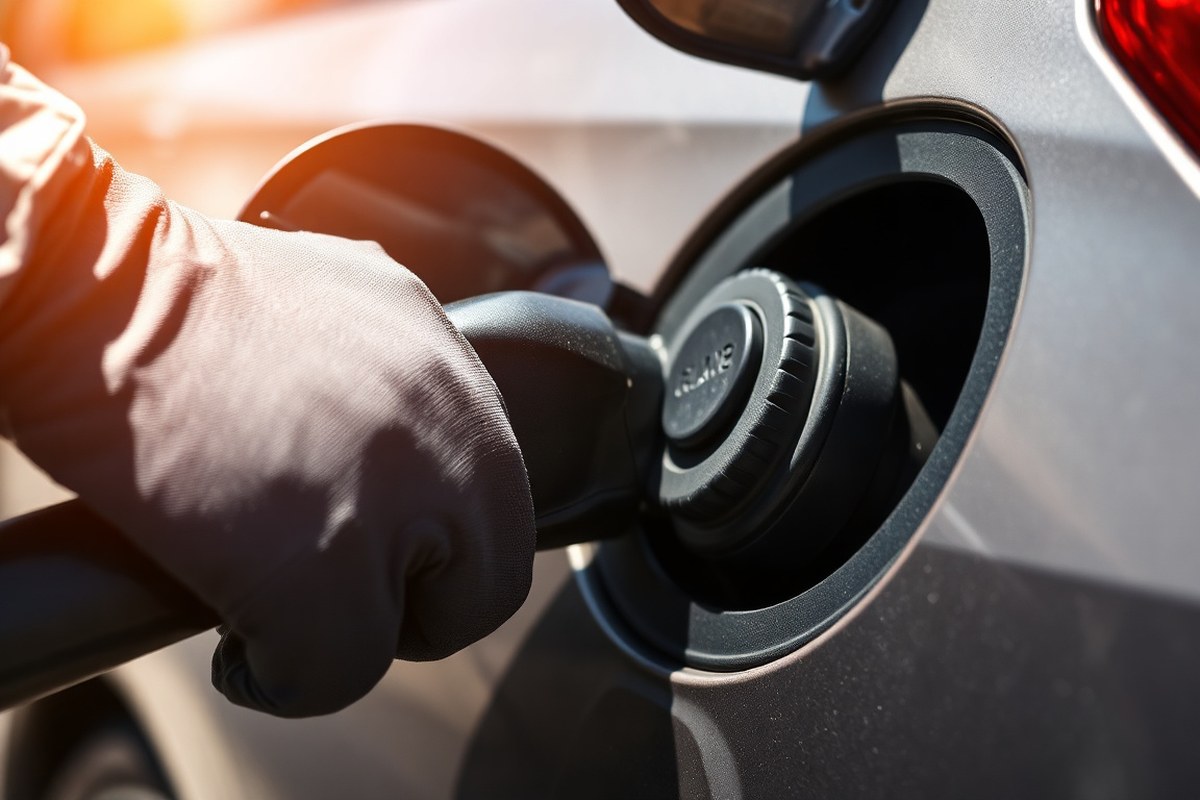
Smelling petrol in your car usually means fuel vapors are escaping. Most of the time, this comes from a loose or damaged petrol cap.
It can also happen because of leaks or faulty fuel system parts. This smell is unpleasant and can indicate danger or wasted fuel.
Check your petrol cap first to ensure it’s tight and the seal is intact. Next, look under your car for wet spots or stains that show a fuel leak. Don’t ignore any dashboard warning lights related to the engine or fuel system.
Listen for unusual sounds like hissing, which can mean a fuel system problem. Fuel vapors are flammable and harmful to breathe. Fix leaks or worn parts promptly to stop the smell and protect your car.
Key Takeaways
- Always tighten your petrol cap until it clicks after refueling.
- Replace a cracked or old petrol cap promptly to prevent vapor leaks.
- Inspect under your car regularly for wet spots or fuel stains.
- Watch for dashboard warning lights related to the engine or emission system.
- Listen for engine misfires or unusual noises that may signal spark plug issues.
- Have your fuel system inspected if you notice stalls or poor acceleration.
1. Why You Can Smell Petrol Inside or Around Your Car

Petrol smells inside your car usually come from fuel vapors entering the cabin. These vapors can leak from damaged fuel lines, faulty gaskets, or loose seals. When petrol escapes and evaporates, it creates that strong, noticeable odor.
The smell often appears most when the car is running or just after refueling. That’s because fuel system pressure rises, causing small leaks or vapor escapes to get stronger. You might smell petrol after driving or when parked on warm days.
Heat makes fuel vapors stronger. That’s why the smell feels worse in heat.
Where you smell petrol can point to different problems. Front smells often mean fuel injectors or line leaks.
Smells inside could mean a loose fuel cap or an emission system issue. Underneath hints at dripping fuel leaks.
Vapors can get inside your car through door seals or vents. The smell stays strong if vapors keep coming in. That’s why the cabin can smell like petrol.
Check your gas cap first if petrol smell happens inside the car while driving. Make sure it’s tight and sealed well. A loose cap lets vapors out, which easily seep into the interior.
Fuel leaks or vapor leaks often worsen over time and can lead to safety hazards. Fixing cracked lines or seals usually costs $100 to $500. It depends on the part and labor needed.
Always get a quote before repairs. It helps to catch these issues early by noticing where and when the smell appears. This way, repairs can prevent bigger problems and keep you safe from harmful fumes.
2. How a Loose or Faulty Petrol Cap Causes Fuel Smells
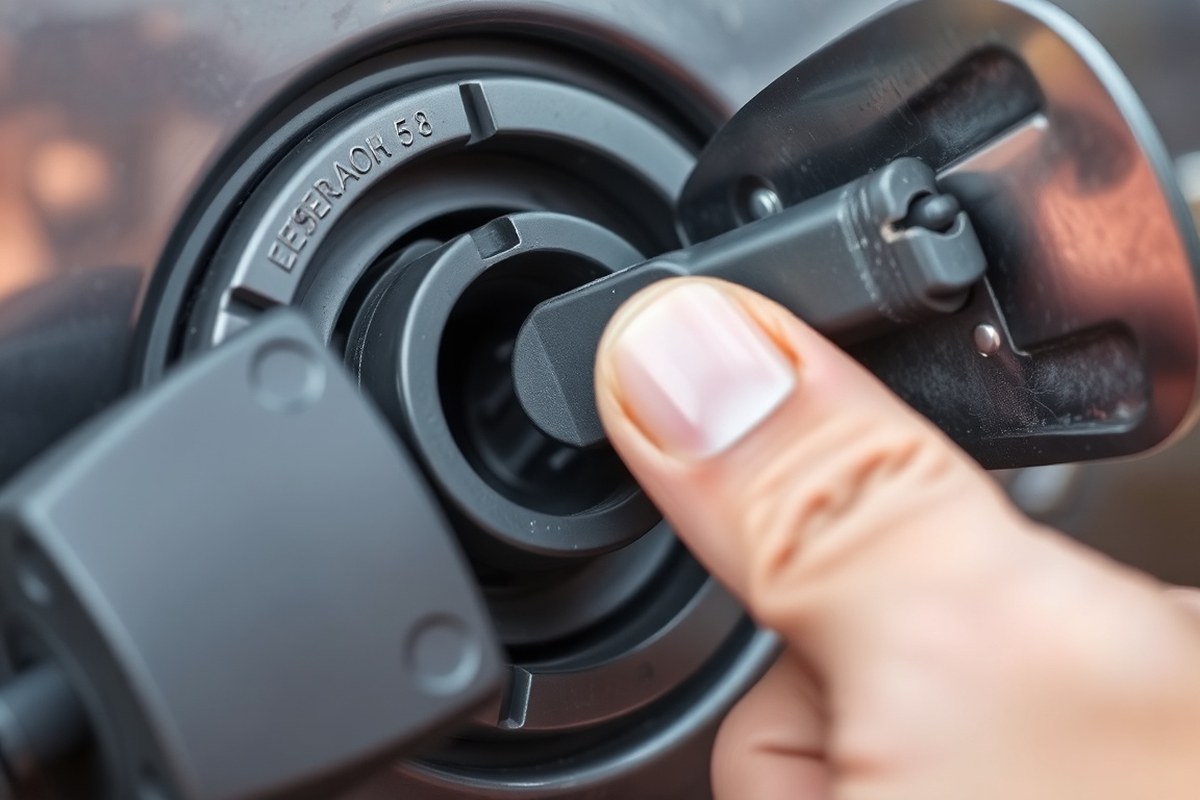
A loose or faulty petrol cap lets fuel fumes escape, causing petrol smells inside your car. The cap seals the fuel tank and stops vapors from leaking out. Damaged threads, worn seals, or improper closing often lead to these problems.
Checking Your Petrol Cap Seal and Tightness
Check first if the cap is tight and properly sealed. A loose cap won’t hold vapors in, letting smells leak into the cabin. Also inspect the rubber seal and threads for wear or damage.
Follow these steps to check your petrol cap:
- Open your car’s fuel door and remove the petrol cap.
- Look for cracks, tears, or hardened rubber on the seal.
- Check if the threads on the cap and filler neck are clean and undamaged.
- Replace the cap if you see cross-threading or broken parts.
- Put the cap back and tighten it firmly until you hear a click or feel resistance.
- Start the car and check if the petrol smell has lessened or gone.
Never ignore a loose cap. It can lead to fuel contamination or engine warning lights.
Replacing a Damaged Gas Cap: What to Buy
A faulty petrol cap costs about $10 to $40 to replace, depending on make and model. Most auto parts stores carry universal or brand-specific caps that fit your car. A sealed cap with a good rubber gasket is best to prevent leaks.
Pick a cap made for your vehicle’s model year to ensure proper thread fit. Some newer cars need caps with pressure control valves. So check your owner’s manual first.
Signs a Faulty Cap Triggered the Petrol Smell
Smelling petrol right after filling often means your cap isn’t tight. The cap might not seal well.
This lets fuel vapors escape. You may also notice the engine warning light on your dashboard.
Other signs are trouble closing the cap and a broken or missing seal. You might notice the smell fades after you tighten it.
A loose or bad cap is an easy fix if the check engine light appears. Try this before more costly repairs.
3. Spark Plugs and Their Role in Petrol Smell Inside Cars
Loose or worn spark plugs can cause petrol smells inside your car. When a spark plug is loose, it fails to seal the combustion chamber properly. This lets unburned fuel vapors leak out, creating that petrol odor inside your vehicle.
Symptoms Indicating Spark Plug-Related Petrol Smell
A faint fuel smell appears when you start your car. It fades after a few minutes. This often means spark plugs have problems.
A rough engine idle or trouble starting can also appear with loose or worn plugs. Pay attention if your car uses more fuel than usual or the engine misfires during driving.
Check your spark plug wires and coils too, since damaged connections make this worse. The petrol smell usually shows up inside the cabin. You might also notice it near the engine bay.
Sometimes, it comes from the footwells. Loose spark plugs let unburned gas escape.
This causes the fuel smell you notice. The odor fades as the engine warms up.
Recommended Spark Plug Replacement Intervals
Replace spark plugs every 30,000 to 90,000 miles. The exact time depends on your car’s plug type.
Check your vehicle’s owner manual for the exact schedule. Driving beyond this range can cause plugs to wear out and lead to fuel vapor leaks.
Regular replacement keeps combustion efficient and seals tight. Notice fuel smells or poor performance early?
Get a mechanic to check the spark plugs sooner. Cold weather and frequent short trips can also increase how fast spark plugs wear out.
How to Tighten or Replace Spark Plugs Safely
Use a spark plug socket with a torque wrench to check tightness. You want to tighten plugs to your car maker’s specifications, usually around 10 to 15 ft-lbs.
But always confirm with your manual. Overtightening can damage threads or plugs, while under-tightening causes leaks and poor combustion.
Replacing spark plugs takes about 30 to 60 minutes using these steps:
- Disconnect the negative battery cable for safety
- Remove ignition coils or wires carefully
- Use a spark plug socket and extension to unscrew old plugs
- Check new plugs for proper gap per your manual’s specs
- Install plugs by hand, then tighten with a torque wrench
- Reattach ignition coils or wires firmly
- Reconnect negative battery cable and start the engine
After replacing, the petrol smell should go away quickly during startup. Listen for engine smoothness and watch fuel efficiency improve.
A persistent fuel smell needs more testing. Other fuel system parts might be the cause.
4. Fuel Injector Leaks and Faulty Fuel Pressure Regulators
Leaking fuel injectors often cause a strong petrol smell near the front of your car. You might notice rough idling, poor acceleration, or decreased fuel efficiency if an injector is leaking. Look under the hood for wet spots near the injectors.
Check around the fuel rail for gasoline residue. These signs can show a leak.
The fuel pressure regulator controls how much petrol flows to the engine. A bad regulator lets too much fuel enter the engine. This causes a strong petrol smell near the engine bay.
It can affect engine performance. A faulty regulator may cause black smoke from the exhaust.
You could also see lower fuel economy. These symptoms show the regulator needs fixing.
Injector leaks and pressure regulator problems are safety hazards. Fuel spraying on hot engine parts can ignite, causing a fire risk. Detect liquid fuel leaks or a strong petrol smell?
Don’t drive your car. Have a licensed mechanic check it right away.
Repairing or replacing a fuel injector or regulator usually costs a few hundred dollars. The exact price varies by car model and labor rates.
Quick fixes prevent bigger damage and maintain fuel efficiency. After repair, the petrol smell should disappear, and engine performance will improve noticeably.
5. The Evaporative Emission (EVAP) System and Petrol Odors
Locating Your Car’s EVAP Components
Your EVAP system captures petrol vapors from the fuel tank and stores them. It stores these vapors in a charcoal canister to prevent smells inside the car. The system then feeds the vapors back into the engine to burn them safely.
The charcoal canister is near the fuel tank or rear wheels. It sits under the car’s rear section. Vapor lines run from the fuel tank to the canister.
They continue from the canister to the engine. The petrol cap seals the system to help it keep vapors from escaping.
Common EVAP Fault Symptoms Causing Petrol Smell
A common EVAP fault that causes petrol smell is a cracked or leaking charcoal canister. This leak releases fuel vapors inside or around your car. Another issue is faulty vapor lines that let vapors escape into the engine bay or cabin.
Often the Check Engine Light comes on with an EVAP problem. When the light appears, the car stores codes showing where the fault lies. A loose or damaged petrol cap can also cause EVAP faults and petrol smells.
The smell usually stays even after refueling spills dry out. Vapors escape and you smell petrol without seeing any leaks. This indicates the EVAP system isn’t trapping vapors as it should.
Reset and Repair Options for EVAP System Issues
You can sometimes clear an EVAP fault by tightening or replacing the petrol cap. Resetting your car’s computer may turn off the Check Engine Light if the fault clears. However, diagnosing the exact EVAP failure often needs a diagnostic scanner.
To check small EVAP faults yourself, follow these steps to inspect and reset the system:
- Check that the petrol cap is tight and in good condition, replacing it if broken.
- Look under the car near the fuel tank for the canister. Check the canister for cracks or any damage.
- Follow vapor lines from the tank to the canister and engine. Check for cracks or loose spots along the lines.
- Use an OBD-II scanner to read any stored error codes related to the EVAP system.
- Clear codes from the scanner first. Then drive the car for several days. Watch if the light returns.
- The Check Engine Light comes back or petrol smell stays. Get professional testing done.
Deep EVAP problems like leaking valves or failed purge solenoids require special equipment for pressure testing. Repair costs vary. Fixing or replacing the canister usually costs $100 to $300 or more.
Don’t drive with a strong petrol smell. Check the EVAP system and ask a mechanic.
6. Recognizing Fuel Leaks and How to Inspect Your Car
Fuel leaks often happen where fuel lines connect. They also occur around the fuel tank. You can find leaks near the fuel injectors too.
These areas see wear from heat, movement, and age, causing cracks or loose fittings. Spotting a leak means checking places where petrol could drip or pool under your car.
Start by parking your car on a clean, flat surface. Avoid ignition or sparks nearby since petrol vapors are flammable. Then, crouch down and shine a flashlight under the car.
Look for wet spots or shiny stains on parts of your car. Check especially near the fuel tank and along fuel lines. Also, look beneath the engine for any stains or discoloration.
- Check the fuel tank and its seams for cracks or rust
- Inspect visible fuel lines and connections for wetness or smell
- Look under the engine bay for any dripping fuel
- Examine the area around fuel injectors and pressure regulators
- Check the petrol filler neck and surrounding seals
- Smell the wet spot cautiously to confirm petrol presence
- Record any spots or stains and their locations for reference
Don’t drive the car if you find a fuel leak. This helps reduce the risk of fire. Stop and get the leak checked as soon as possible.
Move the vehicle to a well-ventilated, safe place outdoors. Clean small drips carefully with a rag soaked in water, avoiding flames or sparks.
Call a mechanic to fix the leak promptly. Repair costs vary, usually between $100 and $600, depending on the leak location and part damage.
Sometimes leaks are too small to see but still cause petrol smells. Fuel can vaporize before pooling on the ground. Mechanics use special tools to find fuel line leaks.
They also check inside the fuel tank for leaks. This helps catch problems that are hard to see. Spotting fuel leaks early cuts the chance of fire.
It also saves you money on bigger repairs later. Check fuel lines often to catch leaks early.
7. Why Your Car Smells Like Petrol from the Exhaust
A petrol smell from the exhaust often means engine problems. It can be from misfires or poor fuel burning. These issues cause unburned fuel to exit the exhaust.
Misfires happen when the spark plugs fail to ignite the fuel-air mix correctly. Unburned petrol stays in the cylinder.
It then leaves through the exhaust pipe. This causes a strong fuel smell and rough running.
A bad oxygen sensor also leads to petrol odors from the tailpipe. This sensor monitors how much oxygen is in the exhaust gases. A bad sensor sends wrong signals to the engine computer.
This can make the engine run too rich. It uses more fuel than air. This rich mixture causes incomplete burning and leaves raw fuel in the exhaust, creating the smell.
Cold starts can add to the problem. When the engine is cold, the catalytic converter isn’t hot enough. It can’t clean all the raw fuel yet.
This causes fuel vapors to pass through. Extra fuel escapes as vapors through the exhaust pipe. This creates a strong petrol smell outside.
The smell lasts until the converter heats up. This usually lasts a few minutes, depending on how cold the engine and outside temperature are.
Even a well-maintained car can have some petrol odor at startup. But a strong or continuous smell signals trouble. A bad O2 sensor can cost between $150 and $300 to replace, excluding labor.
Fixing misfires may need new spark plugs or injectors. You might also need new ignition coils. Repairs usually take a couple of hours and costs vary.
Breathing exhaust with a petrol smell is unhealthy. It contains carbon monoxide and hydrocarbons. These fumes pose health risks if inhaled often.
Avoid running your engine in closed spaces and get the issues checked. Stop your car if the petrol smell is strong or lasts.
Have a diagnostic test done right away. This prevents danger to health and car damage.
8. Safety Precautions When You Smell Petrol in Your Vehicle
Smelling petrol inside your car calls for quick, careful action to stay safe. Petrol vapors are flammable and harmful if inhaled for long. Driving with a strong petrol smell risks fire or health problems.
When you notice the petrol odor, your first step is to stop driving. Find a safe spot to park away from traffic and buildings. Keep windows open to air out the car, improving ventilation and reducing vapor buildup.
Check for obvious leaks under your vehicle without touching anything hot or spark-producing. Sometimes you may see wet spots or smell stronger near the fuel tank or engine.
The smell gets worse. Don’t try to drive any more.
- Pull over safely: Stop the car at the nearest safe space.
- Turn off the engine: Stop fuel flow and reduce ignition risks.
- Ventilate the car: Open all windows and doors to clear fumes.
- Exit the vehicle: Get all passengers out to fresh air immediately.
- Inspect around the car: Look under the vehicle for fuel leaks from a distance.
- Do not smoke or use open flames: Avoid anything with sparks near the car. Stay clear of open flames.
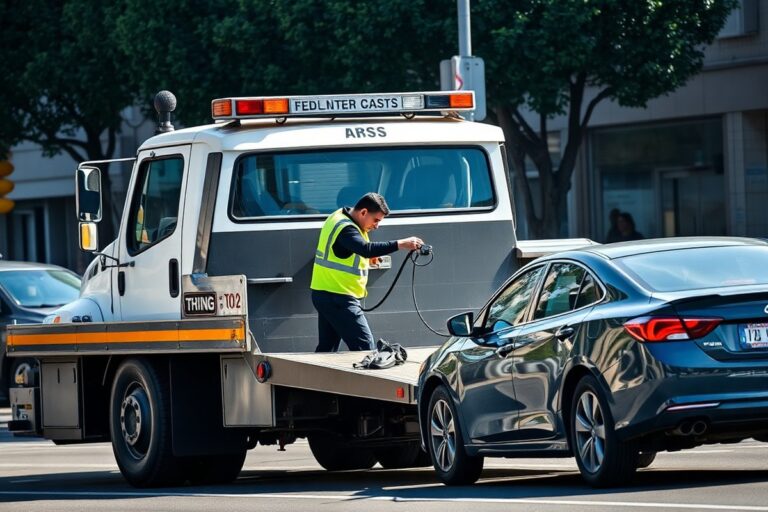
- Call for help: Get a tow service or mechanic if you find a leak. Call if the smell won’t go away.
- Call emergency services: If fuel pools or the smell is strong indoors, call for help fast. Get professionals right away.
Never ignore a petrol smell. The risk of fire or explosion grows the longer you wait.
Driving with a fuel smell may seem safe at first. But it often hides leaks.
A leak means petrol could ignite from a small spark. It’s safer to avoid using the vehicle until a mechanic checks it.
Getting your car inspected quickly can cost around $50 to $150 for a diagnostic test. Repair costs vary a lot depending on the leak source. Fixing fuel odors early avoids bigger damage and unsafe situations.
9. When to Call a Mechanic and How to Prepare for Repairs
Strong, persistent petrol smells or visible fuel leaks need a mechanic’s attention. Also, warning lights on the dash, rough engine running, or trouble starting signal a bigger problem. Stop driving and get professional help to prevent fire risks or engine damage.
Some repairs vary widely in cost. A simple faulty petrol cap fix might be $20 to $50. Fuel injector or EVAP system repairs typically cost between $100 and $400.
More serious fuel line or engine repairs can cost $500 or more. The final price depends on parts and labor needed. Costs vary by problem and location.
Before you visit the mechanic, note exactly when the smell appears and what else happens. Mention if you noticed the smell after refueling, during driving, or idling. Tell others if you saw fuel puddles near the car.
Mention if you smelled gas inside or outside. Also report if the check engine light came on.
- Describe the petrol smell’s timing and strength
- Say if you saw any fuel leaks or puddles
- Mention dashboard warning lights or engine issues
- Note recent fuel-ups or how you filled the tank
- List car model, year, and mileage
Clear, honest details help your mechanic find the issue faster. Mechanics use special diagnostic tools to check the fuel system and engine.
Expect the inspection to take 30 minutes to an hour. They’ll explain the needed repairs and costs before starting work.
Step-by-Step Action Plan to Fix a Petrol Smell in Your Car
Follow these steps to find and fix the petrol smell safely. Check if the smell goes away after each step.
- Before you start: Park your car outside and turn off the engine. Check if you smell petrol in or around the car.
- Day 1: Inspect the petrol cap for tightness and damage. Replace if loose or cracked, then see if the smell lessens.
- Day 2: Look under the car for any signs of fuel leaks or wet spots. Stop driving if you find a leak and schedule repairs.
- Day 3: Have a mechanic check the fuel injectors, spark plugs, and pressure regulator. Ask for a full fuel system check.
- Day 4: Request a test of the EVAP system to find any leaks or faulty parts. Confirm the mechanic fixes any issue found.
- Day 5: After repairs, drive your car and check if the petrol smell returns. If it does, repeat inspections or get a second opinion.
- After 1 week: If no smell returns, clean the car’s interior and air filters. This helps remove any leftover petrol odor.
Frequently Asked Questions
Why Do I Smell Petrol Only When I Park My Car?
The petrol fumes may leak and build up when parked. Check for leaks around the fuel tank or pipes near where you parked.
Can Old Fuel Cause a Petrol Smell Inside My Car?
Yes, stale fuel can emit a strong petrol smell inside your car. It may clog injectors or cause poor combustion, so consider refilling with fresh petrol.
Could the Fuel Filter Cause a Petrol Smell Inside the Car?
A clogged or leaking fuel filter might leak fuel vapors causing smells. Inspect the fuel filter and replace it if damaged or old.
Does a Cracked Fuel Line Cause Petrol Smell in the Cabin?
Yes, cracks in fuel lines can leak fumes that enter the car cabin. Examine visible fuel lines under your car for damage or wet spots.
Can a Bad Charcoal Canister Make My Car Smell Like Petrol?
A faulty charcoal canister in the EVAP system can release petrol odors. Have this part checked if the smell lingers despite other fixes.
The Bottom Line
Petrol smells in your car mean fuel is escaping somewhere. Fixing it quickly keeps you safer and stops damage. Start by checking your petrol cap and looking for leaks today.