Where Is the Emergency Brake: A Complete Guide to Location, Use, and Maintenance
Wondering where is the emergency brake in your car? It’s usually a hand lever or a foot pedal.
Most cars have a hand lever between the front seats. Some have a pedal on the far left side of the footwell.
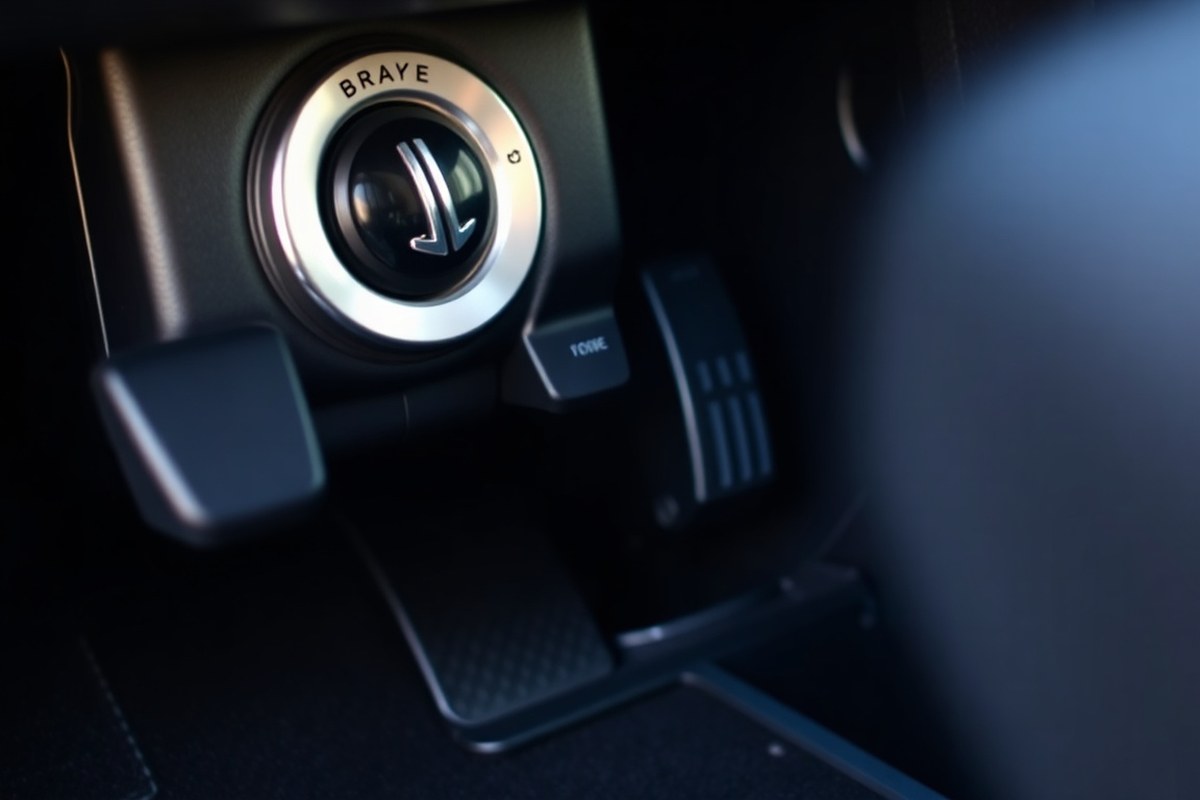
Your newer car might have an electronic parking brake button. It is often near the gear shift.
Always check near the center console first, especially in automatics. Knowing this helps you find it fast when you need it.
Manual cars usually have a lever brake by the driver’s seat. Sometimes it’s on the floor near the door.
Before you use it, locate the brake and practice pulling it softly. That way, you avoid surprises during an emergency.
Key Takeaways
- The emergency brake is usually a hand lever between seats. Or it can be a foot pedal on the left.
- New cars may use a button for an electronic parking brake near the gear shift.
- Manual cars typically have a lever near the driver’s seat or on the door side.
- Locate the emergency brake before driving to know exactly where it is.
- Practice engaging the brake gently to understand how much pressure it needs.
- Never assume the emergency brake is only for emergencies; it helps park securely.
Where Is the Emergency Brake Located in Your Vehicle?

Your car’s emergency brake is usually easy to find. But its location depends on your vehicle type. Most cars have one of three common parking brake styles.
They use a hand lever, a foot pedal, or an electronic button. These are the typical designs you’ll find. Knowing where yours is helps you act fast during parking or emergencies.
Manual transmission cars often have a hand lever near the driver’s seat, between the front seats. Automatic cars may have a hand lever near the driver’s side. Sometimes the parking brake is a foot pedal on the far left.
You’ll find it in the driver’s floor area. Electric parking brakes appear as buttons or switches near the gear shift or center console.
| Car Type | Emergency Brake Location | Type |
|---|---|---|
| Manual Transmission | Between front seats near driver | Hand lever |
| Automatic Transmission | Between front seats or far left pedal area | Hand lever or foot pedal |
| Electric Vehicles or Newer Models | Button or switch near gear shift | Electronic parking brake |
Find a handle labeled “Parking Brake” near the middle console. Or, look for a pedal left of the regular foot pedals. These marks help you spot the parking brake fast.
Some electric systems have a button with a “P” symbol. Check your car’s owner’s manual to find exact brake details.
It tells you clearly where and how it works. That’s the best place to look.
Learning your brake’s location is simple but important. A hand lever usually clicks about six times when pulled fully. This helps keep your car from rolling on a hill.
The clicks mean it’s holding tight. A foot pedal requires pressing down firmly until it locks in place.
Electronic brakes activate with a button press and may include an automatic hold feature. Each design works well but feels different when using it.
What Types of Emergency Brakes Exist and How They Work
Lever-Style Emergency Brakes Explained
Lever-style emergency brakes are common in many cars, especially older models. The lever sits between the driver and passenger seats. You pull it up to engage a cable that mechanically tightens the rear brakes.
These brakes work independently of the main hydraulic brake system. The cable directly moves small brake shoes or pads in the rear wheels. This mechanical connection ensures the emergency brake still works if the main brakes fail.
Pulling the lever increases tension on a steel cable. That cable moves the brake shoes inside rear drum brakes. It also controls the clamps on rear disc brakes.
This helps stop the car when you pull the emergency brake. The tension prevents the wheels from turning.
Foot Pedal Parking Brakes Usage
Some cars have an emergency brake pedal on the driver’s left side. Press down once to set it, and again to stop it. This pedal works with cables, like a hand brake lever does.
The pedal pulls cables connected to the rear brakes, independently locking them in place. It offers the same mechanical safety backup as a lever but frees up center console space. This style often suits vehicles with automatic transmissions.
Pressing the pedal activates brake shoes or pads in the rear wheels, preventing rolling. The emergency brake’s mechanical action stays separate from the hydraulic system. This keeps your main brakes free of extra wear.
How Electronic Parking Brakes Function
Electronic parking brakes replace the manual lever or pedal with a switch or button. Pressing the brake activates electric motors to pull brake cables. These motors also control the rear wheel brake calipers.
This helps the car hold still on a hill or in an emergency. Some systems engage automatically when shifting into park.
This brake setup works separately from the main hydraulic brakes. It uses electric motors instead of a mechanical cable. That makes it different but still reliable.
Sensors confirm the brakes are fully engaged, and some models adjust tension automatically. The electronic parking brake can activate quickly in emergencies.
For example, the system might unlock when you start driving or press the accelerator. This helps prevent driving with the brake engaged by mistake. Electric emergency brakes cost more to fix after breaking.
They are easier to use and work smoothly every time. They also connect well to other safety features in the car.
Always release the emergency brake fully before driving to avoid damage to brakes and rotors.
When and Why You Should Use the Emergency Brake
Always set the emergency brake before shifting to park to prevent your car from rolling. Use it every time, even on flat ground, to protect your transmission and brakes. The parking brake locks your wheels in place, keeping the vehicle secure.
Engaging the Emergency Brake When Parking
Start by pressing the main brake pedal to stop the vehicle. Then, pull the emergency brake handle or press the parking brake button firmly. After that, shift the gear into park.
On a manual, use first gear instead. This locks the transmission.
This order reduces stress on the transmission by holding the car with the parking brake first. Many drivers shift to park before setting the brake. This can cause the car to rock slightly.
Always set the brake first. That movement puts unnecessary weight on the transmission parts.
- Use your foot to press the main brakes fully.
- Engage the emergency brake completely until you feel it lock.
- Shift the gear lever into the park position or first gear.
- Turn off the engine once the car is secure.
Using the Brake During a Brake System Failure
The emergency brake can stop your car if the main brakes fail. Press it gently and slowly. Don’t pull hard.
That can lock the wheels and make you lose control. This brake works independently, using cables or electric motors to slow the wheels.
Use the emergency brake carefully in emergencies. Especially if brake fluid leaks or the pedal sinks to the floor. The parking brake will bring your vehicle to a controlled stop when your primary brakes cannot.
Situations to Always Use the Parking Brake
Engage the emergency brake every time you park, even on flat surfaces. It keeps your vehicle secure and prevents rollaways caused by slight slope or wind. This habit also reduces wear on your transmission components over time.
Use the parking brake on hills or steep inclines to lock the wheels firmly. On declines, it prevents your car from rolling downhill. Parking without the brake can lead to accidents or costly damage to your vehicle’s drivetrain.
How to Properly Engage and Release the Emergency Brake
Use the emergency brake properly to avoid damage and keep it working well. Hand and pedal brakes need physical effort.
Electronic ones work with a button press. This difference changes how you engage and release each type.
Engaging the brake means applying it to stop your car from moving. To release it, let the brake go fully. This stops wear on parts.
It also prevents damage from happening. Partial release or driving with the brake partly on raises heat and damages pads quickly. Electronic brakes usually release when you start driving.
Check your manual to confirm. Watch the dashboard for alerts too.
The following steps show how to apply and release the three main types of emergency brakes. Getting these steps right helps keep your brakes in good shape. Skip or rush any step, and you risk costly repairs or brake failure.
- For hand-lever brakes: Pull the lever up firmly until it clicks or feels locked. To release, press the button on the lever’s end, then lower it completely.
- For pedal brakes: Press down firmly until you hear a click. The pedal should stay down after that. Release by pushing the pedal down again until it springs back fully.
- For electronic brakes: Press the brake pedal, then push the electronic brake button. Release by pressing the button again while stepping on the brake pedal.
- Check that the brake fully engages without slipping or partial hold. It should feel secure.
- Confirm the brake fully releases before driving; the vehicle should roll freely without dragging.
- Use the brake regularly to keep parts from corroding or seizing.
- Avoid pulling the brake just a few clicks. It may cause partial hold and uneven wear.
- Watch for dashboard alerts while releasing electronic brakes. Listen for strange sounds as well. Stop and check if needed.
What Happens If You Drive with the Emergency Brake Engaged?
Driving with the emergency brake engaged can seriously harm your car. The brake cable locks the rear wheels, so your car can’t move freely. This causes excessive friction and heat, which quickly wear down brake pads and hardware.
You might notice your car feels sluggish or like it’s dragging. The engine may sound louder as it works harder to overcome the stuck brakes.
A burning smell or smoke from rear wheels shows the brake is stuck. You should check the emergency brake right away.
Common symptoms of driving with the emergency brake on include:
- Slower acceleration and reduced power
- Burning rubber or chemical smell
- Smoke near rear tires
- Dashboard light showing the brake is engaged
- Unusual brake noises or squealing
- Car pulls to one side when driving
- Overheated rear brakes
Ignoring these signs risks severe damage. The brake pads and rotors wear unevenly, causing your brakes to perform poorly.
Overheating can damage the brake fluid and wheel bearings, creating safety hazards. In worst cases, excessive heat might start a fire in the wheel area.
Repairs vary based on how long you drove with the brake on. Quick fixes may just replace brake pads, costing $100 to $300 per axle.
Damage to rotors or drums can cost between $300 and $800 to fix. In some cases, overheating harms wheel bearings or brake lines, which means more expensive repairs.
Always check that the emergency brake is fully off before driving. This helps you avoid expensive repairs and safety risks.
Drive carefully and watch for warning signs. Your car feeling odd or smelling burning means you should stop and check brakes. Prompt action can prevent damage and keep you safe.
Common Emergency Brake Mistakes and How to Fix Them
Many drivers don’t set the emergency brake before shifting into park. This puts all the pressure on the transmission to hold the car. Over time, the transmission parts can wear out faster and cost hundreds of dollars to fix.
Some don’t use the emergency brake at all, thinking it’s only for emergencies. But using it every time you park prevents the brake cable from seizing up. Your parking brake cable needs regular use to stay flexible and effective.
The brake cable can become misadjusted if you don’t use it properly. A loose or tight cable affects how well the brake holds the car. You might need to adjust the lever or pedal if it pulls too much or little.
- Set the emergency brake first, then shift into park to protect your transmission
- Pull, push, or press the brake firmly until it sticks for a solid hold
- Release the brake by pushing down on the pedal (if pedal type) and let go slowly
- Use the emergency brake every time you park to keep the cable flexible and prevent sticking
- Check for loose or tight cable feel and get it adjusted during regular brake inspections
- Apply gentle movement carefully to free the brake if it sticks. Avoid forcing it hard
- Contact a mechanic if the brake won’t release, as this may signal cable issues or rust
Try rocking your car gently when your emergency brake sticks or won’t release. Sometimes moving the vehicle a bit loosens the brake cable. Forcing the brake can break the cable or damage components, leading to costly repairs.
Regular brake inspections often check emergency brake cable condition. Ask the technician to check your parking brake system during a tire rotation. Proper care keeps your emergency brake working well and your wallet safer.
How to Maintain and Adjust Your Emergency Brake System
Keep the emergency brake reliable by checking and adjusting it regularly. Inspect the brake cables, levers, and pads every six months or 6,000 miles. Adjustments usually clear out slack and keep the brake tight for safe parking and emergencies.
Regular Inspection Points for Emergency Brakes
Look for any loose cables or worn brake pads during your inspection. The brake lever or pedal should feel firm, not spongy or overly loose. Check under the car for rust or debris that might block the brake parts.
Test the emergency brake on a slight incline to see if it holds the car steady. If the car rolls or the brake lever pulls too far, the system needs maintenance. Make sure the brake warning light on the dashboard turns off after releasing.
Simple Adjustment Techniques for Hand and Foot Brakes
Adjusting your emergency brake keeps tension on the cables and prevents slippage. You can do this with basic tools and a little time in your driveway. Follow these steps to adjust a hand or foot-operated emergency brake cable.
- Locate the adjustment nut under the hand lever or near the foot pedal.
- Loosen the locknut with a wrench to free the adjustment nut.
- Turn the adjustment nut clockwise to tighten the cable.
- Pull the brake lever or press the pedal to test tension.
- Repeat adjustments until the lever pulls firmly with 3-4 clicks or the pedal feels firm.
- Tighten the locknut against the adjustment nut to secure it.
- Test the brake on a hill or incline to ensure it holds the vehicle.
- Check the cable and lever again for any excessive slack or stiffness.
This simple adjustment takes about 15 to 30 minutes at home. Avoid overtightening, which can cause brake drag or cable damage.
When to Schedule Professional Brake Service
Call a mechanic if your emergency brake feels weak despite adjustments. Strange noises, unusual smells, or a warning light signal deeper problems. Professionals can check cable conditions, replace worn parts, or service electronic parking brakes.
Brake service costs vary but expect $70 to $150 for a parking brake adjustment or inspection. Some situations need hydraulic brake work, which is more expensive. Don’t delay service if the brake does not hold on slopes or feels inconsistent.
Emergency Brake Differences in Automatic, Manual, and Electric Vehicles
Manual and automatic vehicles handle emergency brakes differently mostly because of their transmission setup. In a manual car, you use the emergency brake when parking. This avoids stressing the clutch or first gear in the transmission.
It helps keep your car’s parts from wearing out too soon. Automatic cars usually rely more on the parking pawl inside the transmission. But you still need the emergency brake to secure the vehicle fully, especially on slopes.
Electric vehicles don’t have a traditional transmission. Many use a gear within the electric motor instead. This gear connects to a parking pawl like in regular cars.
It makes sure the car stays still when parked. Some EVs have electronic parking brakes. You activate them with a button or switch.
This makes parking easier and quicker. These brakes automatically adjust tension and often include safety features to prevent rolling.
Newer vehicles with electronic parking brakes tend to lack the classic hand lever or foot pedal. These systems free up cabin space and reduce driver effort. However, they still require regular service to check cables, sensors, and brake lines to ensure reliability.
| Vehicle Type | Emergency Brake Design | Use Differences | Maintenance Notes |
|---|---|---|---|
| Manual Transmission | Traditional hand lever or foot pedal | Always use on steep slopes and parking | Check cables and adjust tension regularly |
| Automatic Transmission | Hand lever or electronic push-button | Use parking brake plus transmission pawl | Regular service to avoid corrosion or stiff cables |
| Electric Vehicles (EVs) | Electronic parking brake or parking pawl | Activated by button; may auto-apply on parking | Service sensors and lines based on manufacturer |
Drivers switching to vehicles with electronic parking brakes should practice using the button and screen prompts. The brake sometimes auto-releases when driving, so you must watch the indicators. Knowing how to manually engage it in an emergency ensures safer control if electronics fail.
Always confirm your electronic parking brake has fully engaged before leaving the vehicle.
When to Call a Professional for Emergency Brake Problems
Emergency brake problems can signal serious safety issues. You need professional help if the brake won’t engage or release properly. A warning beep or flashing brake icon means the system needs checking.
Some simple fixes like tightening a loose cable can be done at home. However, complex issues usually require a technician’s tools and expertise. Don’t try to repair worn brake pads or replace cables without proper training.
Use this quick checklist to choose between calling a pro or fixing it.
- The emergency brake does not hold the car on a slope.
- The brake lever or pedal feels unusually loose or spongy.
- You hear grinding or scraping sounds when using the brake.
- The brake warning light or icon starts flashing.
- Cables are frayed, rusted, or visibly damaged.
- The brake stops working despite adjustments at home.
- You cannot fully release the emergency brake lever or pedal.
Emergency brake adjustment or replacement usually costs between $100 and $300. Prices vary by vehicle and the repair’s scope. Brake pad replacement or cable repair often needs specialized tools and takes an hour or more.
Good brakes keep your car still when parked. The emergency brake must engage firmly every time.
Poor adjustments cause slipping, noises, or dashboard warnings. Always consult a licensed mechanic when problems persist after your checks.
Step-by-Step Action Plan to Use and Maintain Your Emergency Brake
This quick plan helps you locate, use, and care for your emergency brake safely.
- Today: Find your emergency brake in your car. Check the area between your front seats, under the dashboard, or near the foot pedals. Pull or press it gently to confirm it works.
- This week: Practice engaging and releasing the brake while parked. You’ll feel a steady resistance when pulling up and smooth release when letting go.
- Next week: Test your emergency brake on a gentle slope. Engage it fully, then see if the car stays still without the foot brake. This shows proper function.
- Every month: Check for unusual noises or loose parts around the brake handle or pedal. Listen for clicks when setting the brake; they signal it’s working properly.
- Every 6 months: Inspect the brake cables or electronic controls for rust, wear, or damage. You should adjust the emergency brake or call a pro when slack appears.
- When driving: Avoid using the emergency brake while moving. Leaving the emergency brake on by accident means you need to release it quickly.
- As needed: Have a trusted mechanic check or adjust your emergency brake during regular service visits. This keeps it reliable and safe.
Frequently Asked Questions
Where Is the Emergency Brake in Older Cars?
In older cars, it’s often a stick lever under the dashboard. Look just below the steering wheel to find it. This design is less common in newer models.
Why Do Some Cars Have a Pedal Emergency Brake?
Some cars use a pedal brake on the floor to the left of the other pedals. It saves space compared to a hand lever. Many trucks and SUVs feature this type.
Can the Emergency Brake Be Electronic?
Yes, many modern cars use an electronic parking brake button. It replaces the traditional lever or pedal with a switch. This system is easier to use on steep hills.
Is the Emergency Brake Located Differently in Manual vs. Automatic Cars?
Usually, it’s in the same spot near the driver’s seat regardless of transmission. However, the mechanism might look different, like a lever or pedal. Both designs aim for easy reach.
Where Is the Emergency Brake Cable Routed in Vehicles?
The cable usually runs from the brake lever or pedal to the rear brakes. It’s hidden under the car, often along the frame. This connection locks the rear wheels in place.
Key Points to Remember
Your emergency brake is usually easy to find and use once you check your vehicle. Take time to practice and check it often to keep it ready. Start by locating your brake today and give it a pull to feel it work.