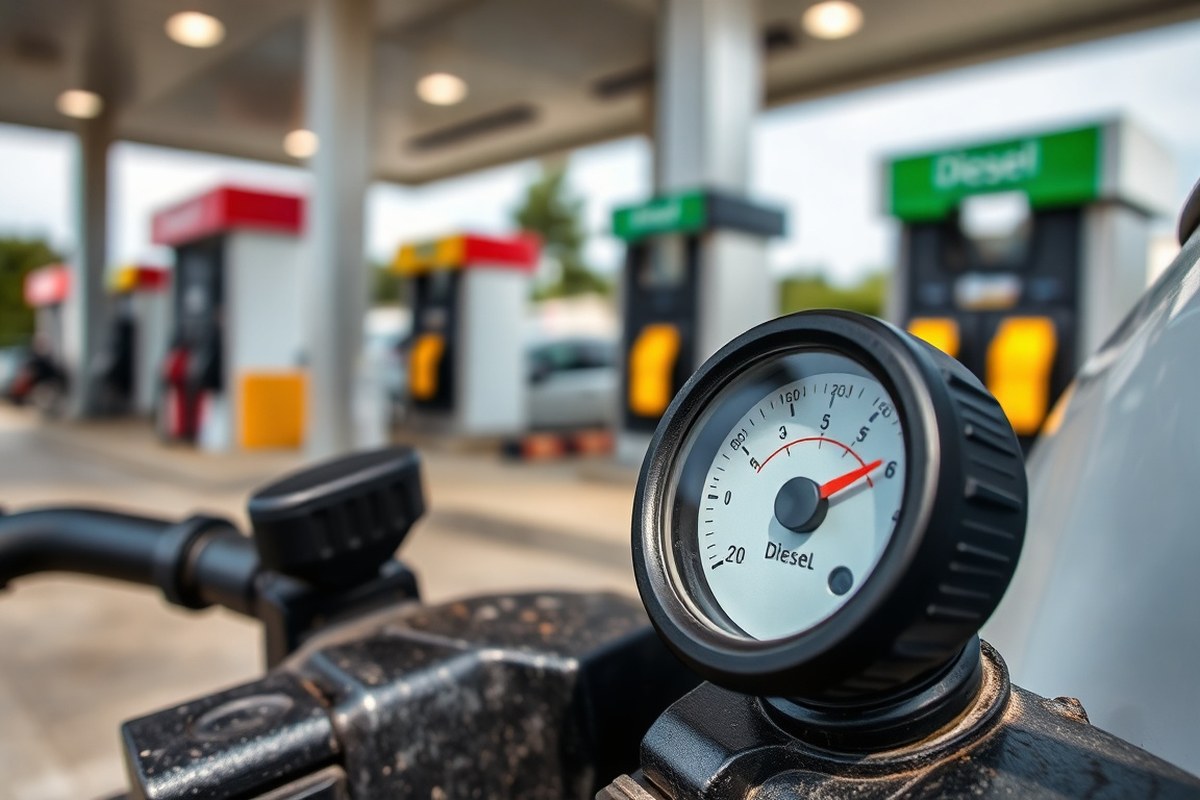
Does Gas and Diesel Mix or Separate? What Actually Happens to Your Fuel
Does gas and diesel mix or separate when they end up in the same tank? They can mix together, but they don’t blend into a single perfect fuel. Instead, they create a suspension or thin mixture.
It mostly stays combined but has different properties. These differences affect how it behaves and separates.
This mix isn’t stable or good for engines. Gasoline and diesel have very different chemical traits. They also burn in different ways.
Even a small amount of the wrong fuel harms engine performance. So don’t ignore a mix-up at the pump.
The first step is to avoid running the engine if you suspect fuel mixing. Monitor for rough running or loss of power. Get a professional to check the tank and fuel system to prevent bigger damage.
Key Takeaways
- Gasoline and diesel form a loose mixture, not a fully blended fuel.
- Diesel has a much higher flash point, making it less volatile than gasoline.
- A small gas splash (under 1%) in a diesel tank usually causes minimal immediate damage.
- Diesel contamination above 2% in gasoline can lower octane and harm engine function.
- Mixing fuels reduces efficiency and increases engine wear risks.
- Stop the engine immediately if you suspect fuel mix-up to limit damage.
Do Gasoline and Diesel Mix or Separate in a Fuel Tank?

Gasoline and diesel fuels do not fully mix in a tank. They form a temporary blend called an emulsion.
But this is unstable and starts to separate over time. Diesel is denser, so it tends to settle below gasoline in the tank.
Because diesel weighs more, it sinks to the bottom under the lighter gasoline. This means a tank with both fuels may have layers rather than one smooth mix. However, inside dark fuel tanks, this layering might not be easy to see.
Diesel and water separate clearly because water is polar. Diesel is not polar. They act differently when mixed.
Gasoline and diesel share some chemical traits but do not mix well chemically. Adding 2% diesel to gasoline lowers octane by one point.
This shows the fuels interact slightly. They don’t fully mix.
If you add diesel to a 20-gallon gas tank, it sinks. Diesel settles at the bottom due to weight difference. Gas stays above it.
You might find roughly 15 percent diesel to 85 percent gasoline can remain mixed under movement. But still separates when still. Pooling of diesel and gasoline can harm your engine.
Diesel in gas engines causes problems and vice versa. Uneven fuel feeding is risky.
This partial separation makes removing one fuel from the other tricky without special filtering. Draining the tank doesn’t fully separate mixed fuel. Some fuel remains mixed at the boundary layer.
It’s not a guaranteed fix. Diesel’s heavier nature affects fuel delivery, causing poor combustion if mixed into gasoline systems.
Why Gasoline and Diesel Have Different Chemical Properties
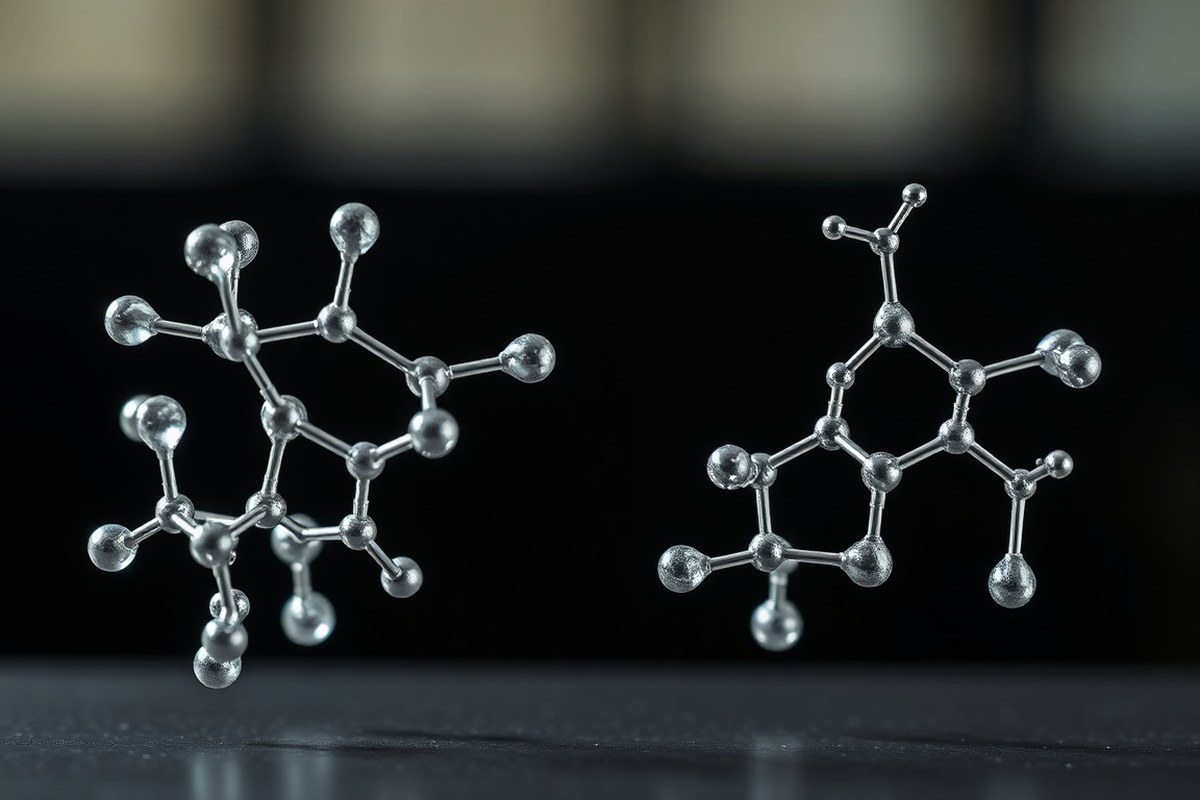
Chemical Composition Differences
Gasoline and diesel have very different hydrocarbon structures. Gasoline mostly contains smaller molecules between 4 and 12 carbon atoms. Diesel contains bigger chains ranging from 12 to 20 carbons.
These longer chains in diesel make it thicker and less volatile than gasoline. Gasoline’s shorter molecules evaporate more quickly, which suits spark ignition engines.
Fuel Density and Flash Point Variations
Gasoline is lighter, with a density of 0.72 to 0.77 kg/L at 15°C. Diesel is denser, between 0.82 and 0.86 kg/L at the same temperature. This difference affects how each fuel flows and burns.
The flash point of diesel fuel is much higher than gasoline. It usually ranges from 52 to 96°C. Diesel needs heat and pressure to ignite. Gasoline ignites at much lower temperatures near -40°C, making it more volatile and easy to vaporize.
How Mixing Affects Fuel Properties
Adding just 1% gasoline lowers the diesel’s flash point by 20°C. This changes how the fuel behaves under heat. Small gasoline amounts affect diesel’s safety. This makes the blend easier to ignite but unstable for diesel engines.
Lower flash point leads to early ignition in diesel engines. This premature combustion causes knocking sounds and engine damage.
It wears out engine parts faster. Gasoline also reduces diesel’s lubricating ability, which can harm fuel pumps and injectors.
Combustion Differences in Engines
Diesel engines rely on compression to ignite the fuel. Gasoline engines use spark plugs. Gasoline’s volatility means it ignites too early under diesel conditions, causing inefficient combustion.
Diesel fuel burns slower and steadier, which suits high compression engines. Adding gasoline disrupts this process, leading to misfires or incomplete combustion and engine damage over time.
Why Gas and Diesel Don’t Truly Mix
The polarity and chemical structures cause gasoline and diesel to separate over time in a tank. They don’t form a uniform mixture like gasoline blends or ethanol blends do.
This separation can cause inconsistent fuel delivery and engine performance problems. Diesel and gasoline have very different physical and chemical traits.
Mixing them is not good for fueling vehicles. It also risks problems during storage.
Never try to blend gasoline and diesel intentionally. Even small amounts of contamination risk expensive engine damage.
Symptoms of Gasoline in a Diesel Engine
Gasoline contamination in a diesel engine leads to rough running and unusual noises. You’ll notice knocking sounds and excessive smoke from the exhaust. These signs reflect serious risks to the engine’s fuel system and performance.
Common Mechanical Symptoms
The engine may vibrate or shake while running due to improper combustion. The diesel engine might also struggle to start or stall unexpectedly. Power loss is another clear sign that gasoline has mixed with diesel fuel.
Knocking noises are caused by gasoline’s different ignition properties. These noises are often louder and more frequent than normal diesel knock. Rough idling is a common symptom because the fuel mixture isn’t burning evenly.
Exhaust and Emissions Changes
You might see unusual smoke colors like white or blue coming from the exhaust. This smoke results from incomplete or abnormal combustion in the engine. The exhaust may also smell different, often stronger or sharper than usual.
Excessive smoke signals fuel-related issues affecting emissions hardware. Gasoline contamination causes unburnt fuel to foul the catalytic converter. This leads to higher emissions and possible engine codes or warning lights.
Fuel System Issues
Gasoline lacks the lubrication diesel fuel provides, causing early fuel system wear. The fuel filter can clog more quickly due to debris from contaminated fuel. This blockage reduces fuel flow and starves the engine of necessary fuel.
The fuel pump risks seizing or wearing out from increased friction. Injectors might clog or spray fuel incorrectly, causing poor engine performance. Catching contamination early often means just draining the tank and replacing the filter.
- Vibrating or shaking engine
- Difficulty starting or stalling
- Knocking or unusual engine noises
- White or blue smoke from exhaust
- Strong or unusual exhaust smell
- Clogged fuel filter and reduced fuel flow
- Fuel pump wear and injector problems
Ignoring these symptoms risks severe engine damage. Repair costs rise from a few hundred dollars to several thousand, depending on damage. Early detection leads to cheaper fixes like filter changes and fuel flushes.
Symptoms of Diesel in a Gasoline Engine
Diesel contamination in a gasoline engine causes noticeable problems quickly. You’ll likely see hard starts, reduced power, and unusual exhaust smoke. These symptoms result because gasoline engines can’t properly ignite diesel fuel.
Ignition and Combustion Problems
Gasoline engines rely on spark plugs to ignite fuel. But diesel fuel needs heat and pressure to burn.
Diesel fuel doesn’t vaporize well in gasoline engines, making starting difficult and causing misfires. This leads to engine knocking and irregular combustion patterns that can harm engine parts.
Here’s what to watch for:
- Hard or slow starting
- Loud knocking noises during running
- Engine misfires or stalling
- Loss of smooth power delivery
- Irregular idle speed
These signs mean the engine can’t burn diesel right. This upsets combustion timing and engine balance.
Performance and Emission Issues
Diesel fuel in a gasoline engine reduces power and slows acceleration because diesel doesn’t combust fully. Partial combustion also creates excessive smoke from the exhaust, which can look gray or black. This waste lowers fuel economy significantly and contributes to pollution.
Expect these changes:
- Lowered fuel efficiency compared to normal operation
- Visible smoke coming from the tailpipe
- Reduced engine responsiveness
- Poor acceleration and sluggish driving feel
Those effects happen as the engine wastes fuel and produces more emissions due to improper ignition.
Fuel Delivery and Filter Impact
Diesel’s thicker nature clogs fuel filters faster in gasoline engines. This leads to fuel starvation, making your engine sputter or stall suddenly. Injectors designed for gasoline may also get damaged by diesel’s different lubrication needs.
Common issues include:
- Clogged fuel filters needing early replacement
- Injector clogging or failure over time
- Potential damage to fuel pump components
- Increased maintenance costs
Cleaning or replacing filters and injectors may be necessary after diesel contamination to restore engine health.
Risk Levels and Damage from Fuel Mixing by Contamination Percentage
Small amounts of gasoline in diesel fuel are usually tolerated without much risk. Less than 1% contamination, like a cup of gas in diesel, usually won’t cause damage right away. It might not show problems for some time.
Still, check your fuel to be safe. Still, it’s best not to repeat this error often, because damage builds up over time.
Higher contamination levels change the situation quickly. Around 5% to 10% gasoline in diesel can lower the fuel’s quality and cause engine trouble. A 10% gas mix lowers diesel’s octane by 5 points.
This drop can cause engine knocking. You will also notice worse performance. Deposits can form on valves and pistons, which leads to expensive repairs.
| Gasoline Contamination in Diesel | Damage Risk | Typical Symptoms | Action Needed |
|---|---|---|---|
| < 1% (a cup in a full tank) | Low | Usually none initially | Monitor fuel use, avoid repeating |
| 1% to 5% | Moderate | Rough running, reduced power | Check fuel system; consider cleaning |
| 5% to 10% | High | Engine knocking, deposits forming | Drain tank; flush system; use cleaner |
| > 10% | Severe | Engine failure likely | Immediate fuel removal and repair |
“Safe dilution” depends on your tank size and contamination. Catching the problem early lets you drain the tank. Then refill it with the right diesel fuel.
This fixes most issues quickly. Adding fuel system cleaner after flushing removes leftover residues that can cause damage. This step can restore performance and save repair costs.
Taking no action at contamination above 5% puts parts at risk of harm. Fuel lines, injectors, and pumps may suffer rough wear. Fixing or swapping these parts can cost hundreds to thousands.
The repair work may take several days. Labor adds to the total price.
Avoid starting your engine if gas is over 5% in diesel. This action keeps big damage from happening fast. Turn off your vehicle and call for help.
Immediate Steps to Take After Accidentally Mixing Fuels
Don’t start your engine if you put gas in a diesel tank. Starting can cause serious engine damage. Call for help before driving.
Starting spreads the wrong fuel through the system. It may cause more damage to injectors, pumps, and filters.
Call a tow service to bring your vehicle to a qualified mechanic right away. They will handle the fuel system safely. Attempting to fix the problem yourself can risk spills or fire.
The mechanic will drain the entire fuel tank and fuel lines first. This removes the contaminated fuel before it causes damage. They flush the system with clean fuel first.
Then, they use a special solvent to clear leftover fuel. This removes traces of the wrong fuel.
- Do not start or crank the engine at all
- Have the vehicle towed to a professional mechanic
- Mechanic drains the entire fuel tank and fuel lines
- Fuel system is flushed and cleaned thoroughly
- Fuel filters are replaced as needed
- Fuel injectors and pumps are inspected for damage
- Use only recommended fuel after cleaning
Replacing fuel filters is common because contaminated fuel can clog or damage them. Inspections catch worn injectors or pumps early. The mechanic checks how bad the contamination is.
They may repair or replace damaged parts. The engine symptoms guide their work.
The cost depends on how much fuel got mixed and your vehicle model. A simple drain and flush might cost a few hundred dollars.
More damage to injectors or pumps can increase repair bills. Acting quickly limits harm and keeps costs down.
Can Gasoline and Diesel Be Separated or Filtered After Mixing?
Once gasoline mixes with diesel, you cannot effectively separate them. The two fuels blend too well for simple settling or filtering to work. Modern fuel formulas are designed to mix evenly, unlike older versions that might have layered.
Some online tips suggest filtering or waiting for diesel to float above gasoline. These methods don’t work because gasoline and diesel have similar densities now.
Both fuels mix at the molecular level. So filtration or skimming won’t remove gasoline from diesel.
Even advanced filters won’t reliably clear gasoline from diesel. Fine particles or contaminants can be caught, but liquid fuels themselves stay mixed. Separating them would require complex chemical processes not practical for vehicles or tanks.
One option is fully draining the mixed fuel and refilling with the correct type. This avoids damage caused by the wrong fuel in engines or storage tanks. Depending on the tank size, draining can cost $50 to $200 if done professionally.
Modern diesel fuel needs lubricity to protect engine parts. Gasoline reduces that lubricity and can harm fuel pumps or injectors. Mixing fuels makes it impossible to restore diesel’s protective qualities by filtering or settling.
Heating the fuel won’t separate gasoline from diesel either. Both fuels have similar boiling ranges and will evaporate together. This means methods like distillation require refinery equipment, impossible for typical vehicle owners.
Some fuel additives claim to fix mixed fuel problems. Most of these are ineffective at separating fuels, though they might reduce engine damage slightly. Relying on additives risks engine failure or costly repairs if the mixture remains untreated.
The best practice after mixing gasoline and diesel is to avoid trying to separate them yourself. Empty the tank, clean fuel lines, and replace filters before refilling. Professional service helps protect the engine and fuel system from lasting harm.
Common Myths About Mixing Gasoline and Diesel
Mixing small amounts of gasoline in diesel isn’t great. But it rarely causes major damage. Even tiny gasoline traces left on a nozzle can contaminate diesel.
Diesel engines may run rough. But often no immediate failure happens when the mix is slight.
Some think adding gasoline to diesel helps prevent gelling in winter. This is a myth.
Gasoline has a lower cetane rating than diesel, which means it reduces ignition quality. Instead of stopping gel, it can cause poor engine performance and hardness starting in cold weather.
People often imagine diesel always sinks below gasoline because of density differences. Diesel usually is denser, but the two fuels mix rather than separate quickly.
Over time in a tank, they form a blend instead of layering distinctly. So this belief doesn’t hold in practical terms.
- Ignore tiny gasoline contamination only if the fuel quantity is very small.
- Use diesel-specific anti-gel additives instead of mixing fuels in winter.
- Check fuel samples visually; a milky or cloudy mix signals contamination.
- Do not rely on gravity to separate fuels once mixed in a tank.
- Have a mechanic inspect the vehicle if symptoms like knocking or hesitation appear.
- Clean contaminated tanks and replace filters after significant mixes to avoid damage.
- Label fuel containers properly to prevent accidental mixing during refills.
Never assume small amounts of gasoline in diesel won’t cause issues. Monitor engine performance closely.
Ignoring contamination is risky if the amount grows beyond a fraction of the tank. Problems worsen as gasoline lowers diesel’s cetane number, affecting ignition timing. Avoid mixing fuels intentionally for winter or any purpose.
Diesel’s higher density means it tends to settle. But turbulence and temperature changes quickly redistribute the blend.
This means you can’t count on clear separation for easy cleanup or fuel recovery. Mechanical filtration or tank cleaning is necessary after contamination.
How to Avoid Fuel Type Mix-Ups at the Pump
Check the fuel pump label before you start filling your tank. Gasoline and diesel nozzles usually vary in size and shape.
Diesel nozzles are thicker to fit larger tank openings. This design helps stop mixing fuels at the pump.
Look at the color of the pump handles. Diesel pumps often have green or black handles while gasoline pumps are red or yellow. This color coding can help you avoid grabbing the wrong nozzle quickly.
Use physical checks like touching the nozzle tip to the filler neck before pumping. That helps confirm the nozzle fits properly and reduces spills. Avoid forcing a nozzle that doesn’t fit easily, as this indicates the wrong fuel type.
Keep these simple checks in mind at every fill-up:
- Read the pump label carefully, double-check “Diesel” or “Unleaded.”
- Match nozzle size and shape with the vehicle’s fuel neck.
- Note handle colors to confirm fuel type before pumping.
- Stay focused, avoid distractions when fueling your vehicle.
- Use a fuel cap with a clear label or different color.
- Consider adding small stickers near your fuel door as reminders.
For vehicles used by many drivers, post a clear sign near the fuel door. This sign should note the correct fuel type and warn about mixing. It helps remind everyone and lowers the risk of mistakes.
Check your fuel cap for clear fuel type markings. Replace it if it does not show the fuel type.
These cost around $15 to $30 at auto parts stores. Adding this simple update saves costly repairs later from fuel contamination.
Step-by-Step Action Plan for Handling Mixed Gasoline and Diesel Fuel
Trouble from mixed fuel calls for quick, steady steps. Follow these actions to limit damage and check your vehicle’s health.
- Immediately after discovery: Stop using the vehicle to prevent engine damage. Check for symptom signs like rough idling or difficulty starting.
- Within a few hours: Drain the fuel tank fully. This removes the contaminated fuel and avoids spreading harmful effects.
- Same day: Replace the fuel filter and fill the tank with the correct fuel. This ensures clean fuel reaches your engine.
- Next day: Inspect spark plugs (gas engine) or glow plugs (diesel). Replace any that look damaged or fouled by fuel contamination.
- Within 48 hours: Start the engine. Listen carefully for unusual sounds. Watch for strange behaviors.
- After one tank of new fuel: Check engine for rough running. Notice any loss of power. Look for ongoing problems. Seek professional help if these continue.
- When unsure at any stage: Contact a professional mechanic. They can diagnose and fix issues before more serious damage occurs.
- Ongoing: Avoid future mix-ups by labelling your fuel containers and double-checking at the pump.
Frequently Asked Questions
Will 1 Gallon of Gas Hurt a Diesel Engine?
One gallon of gasoline in diesel fuel usually won’t cause major damage if caught early. You should drain and flush the tank quickly to avoid fuel system wear or injector issues.
Is It Okay to Mix Diesel and Gasoline in Your Fuel Tank?
Mixing diesel and gasoline isn’t a good idea for your engine’s health. Gasoline lowers diesel’s lubricity causing pump and injector damage over time.
How Can You Tell If Diesel Is Mixed with Gasoline Accidentally?
Engines running rough, losing power, or making knocking sounds can signal fuel mix-ups. Also, check your fuel smell or color if you suspect contamination.
Will Diesel Fuel Sit on Top or Below Gasoline in the Tank?
Diesel is heavier and usually sinks below gasoline after mixing. However, in engines, fuel pumps blend them, so both fuels circulate together.
What Happens When You Put Diesel into a Gasoline Engine?
Diesel in a gas engine clogs spark plugs and causes hard starting or stalling. The thick diesel won’t burn right, so clean your fuel system soon.
The Bottom Line
Gasoline and diesel usually separate in a tank but never mix well chemically. Mixing fuels quickly causes engine problems.
So stop usage and drain the tank if this happens. Act fast and follow the right steps to protect your vehicle and avoid costly repairs.