How Much Does A Toyota 4runner Weigh – Facts & Figures
A Toyota 4Runner usually weighs between 4,400 and 4,800 pounds, depending on the trim level, drivetrain, and added features like 4WD or luxury options.
Heavier trims tend to be more durable and safer, but they can also impact fuel economy, acceleration, and braking.
You can tow up to 5,000 pounds with the right equipment and expect a payload capacity of about 1,500 to 1,700 pounds.
Knowing these weight details helps you find the right balance of performance, efficiency, and safety for your needs.
Key Takeaways
- The Toyota 4Runner typically weighs between 4,400 and 4,800 pounds depending on model and equipment.
- 4WD versions and higher trims like Limited add weight due to extra features and components.
- Weight affects towing capacity, which can reach up to 5,000 pounds when properly equipped.
- Heavier weight impacts fuel economy, with trim-specific MPG ranging from 16/19 to 17/21.
- Extra weight improves durability and safety but may reduce acceleration and increase braking distance.
How Much Does a Toyota 4Runner Weigh?
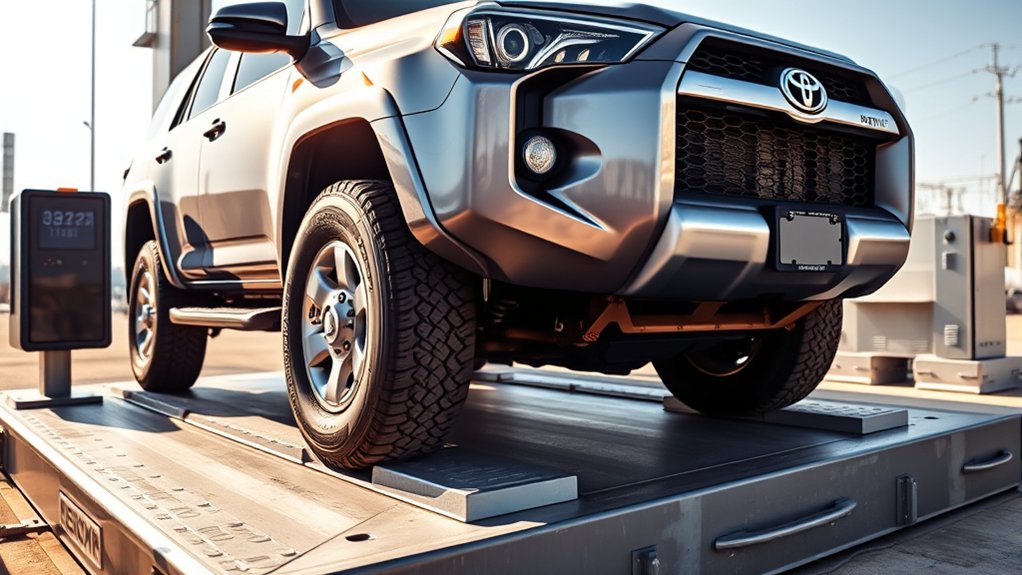
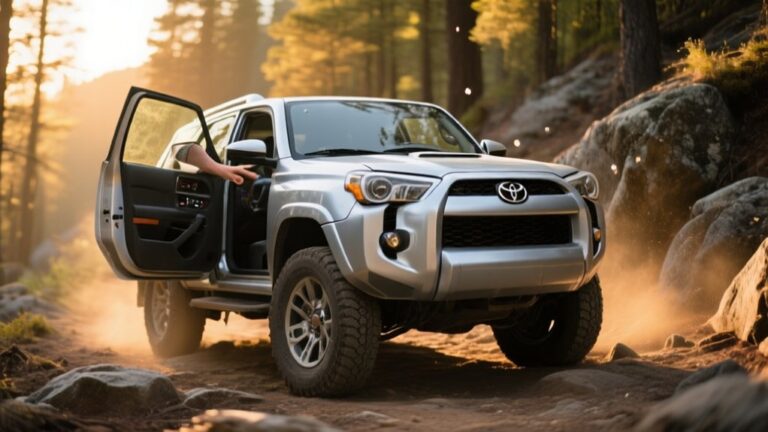
Wondering how much a Toyota 4Runner weighs? Usually, this midsize SUV weighs between 4,400 and 4,800 pounds.
The exact weight depends on things like its body style, engine size, and any added equipment. Knowing the curb weight helps you understand its towing ability, fuel economy, and how it handles on the road.
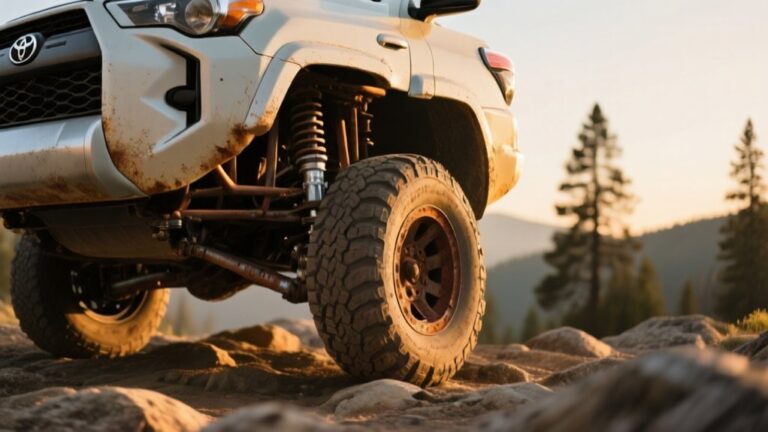
The 4Runner’s sturdy frame and off-road features make it heavier than some similar SUVs. This extra weight boosts durability and stability but can also affect acceleration and braking.
When planning trips or adding modifications, keeping the weight in mind is a smart move for safety and performance.
Toyota 4Runner Weight Differences by Trim Level and Features
Several factors influence the weight differences across Toyota 4Runner trim levels and features, affecting how the vehicle performs and handles. When choosing your 4Runner, you’ll notice weight variations mainly due to added equipment and design elements.
- Trim Level Complexity: Higher trims like the Limited add luxury features, which increase weight compared to base trims.
- Drivetrain Options: 4WD models typically weigh more than 2WD versions because of extra components.
- Safety and Tech Features: Advanced safety packages and infotainment systems also add to the overall weight.
- Material Choices: Some trims use heavier materials for durability, which influences the curb weight.
Understanding these differences helps you pick a 4Runner that balances weight with your driving needs and preferences.
Towing and Payload Capacity of the 4Runner
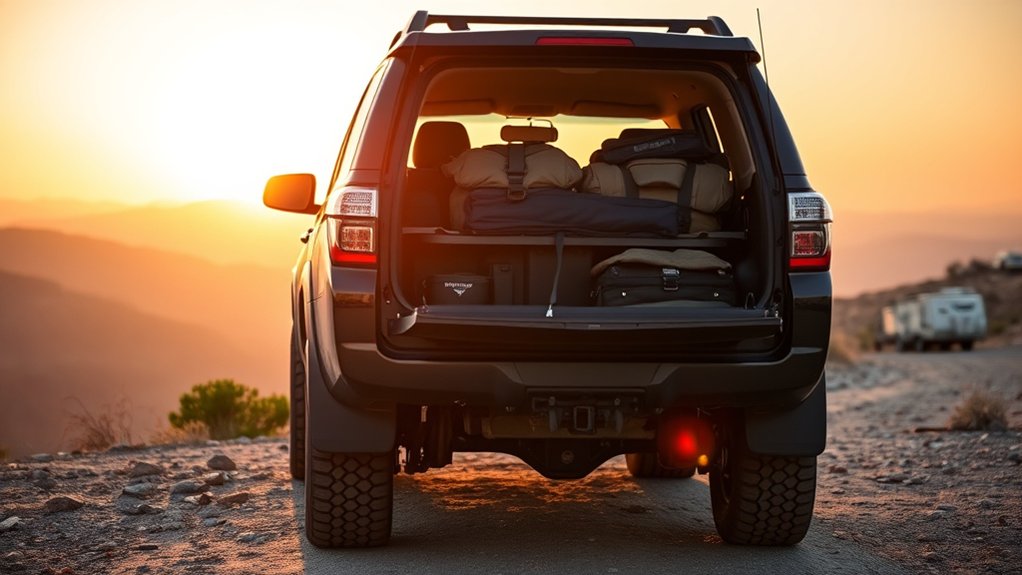
If you’re thinking about towing or carrying a heavy load with the 4Runner, it’s a good idea to know its maximum towing limits and payload capacity. That way, you can make sure you’re not overloading it, which could cause damage or mess with the vehicle’s performance.
The 4Runner is equipped with some handy towing safety features that help keep everything secure and stable while you’re on the road. So, whether you’re pulling a trailer or packing it full of gear, you can do so confidently, knowing you’re within the safe limits.
Maximum Towing Limits
The Toyota 4Runner can tow up to 5,000 pounds when properly equipped, making it a capable option for hauling trailers, boats, or campers. To get the best towing performance, you should consider some important factors that impact safety and capacity.
First, check if your 4Runner has a trailer brake controller installed. This helps you stay in control when towing heavier loads. Next, choose the factory tow package, which includes upgraded cooling and hitch components for better reliability.
The 4.0L V6 engine and available 4WD system provide steady power and traction during towing. Also, make sure to properly distribute trailer weight to prevent sway and keep your vehicle stable on the road.
Following these tips will help you tow safely within the 4Runner’s maximum limits.
Payload Weight Capacity
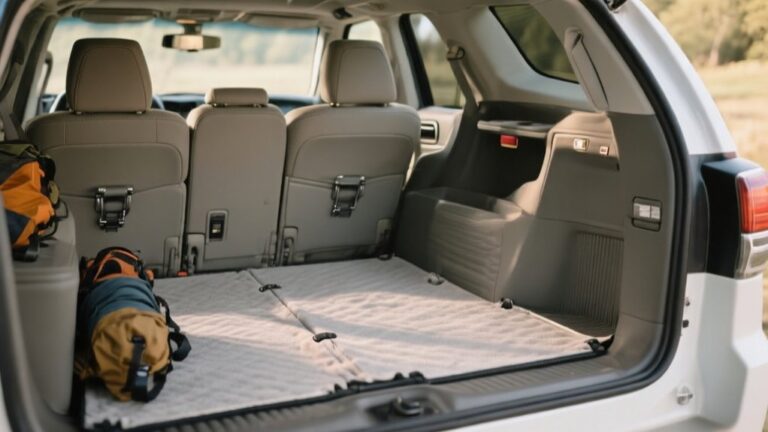
While towing capacity is important, understanding your Toyota 4Runner’s payload weight capacity helps you manage the combined weight of passengers, cargo, and accessories inside the vehicle. Payload capacity varies by model year and trim but generally ranges between 1,500 and 1,700 pounds. Exceeding this limit can compromise safety and vehicle performance.
Here’s a quick comparison to help you visualize your payload:
| Payload Component | Typical Weight (lbs) |
|---|---|
| Passengers (4 adults) | 600 |
| Cargo & Gear | 700 |
| Accessories (roof rack, etc.) | 200 |
Balancing these weights guarantees your 4Runner operates safely and efficiently, letting you enjoy your adventures without worry. Always check your specific model’s manual for exact figures.
Towing Safety Features
Because towing and payload demands vary widely, Toyota equips the 4Runner with advanced safety features designed to keep you in control and secure. These systems help manage the vehicle’s stability and braking while towing heavy loads, ensuring safer drives.
Key towing safety features include:
- Trailer-Sway Control. It automatically detects sway and applies brakes selectively to stabilize your trailer.
- Downhill Assist Control. Maintains low speeds on steep declines, preventing trailer fishtailing.
- Integrated Brake Controller. Syncs trailer brakes with the 4Runner’s brakes for smoother, controlled stops.
- Backup Camera with Trailer Guides. Helps you align and maneuver trailers precisely when hitching or parking.
How 4Runner Weight Affects Fuel Economy
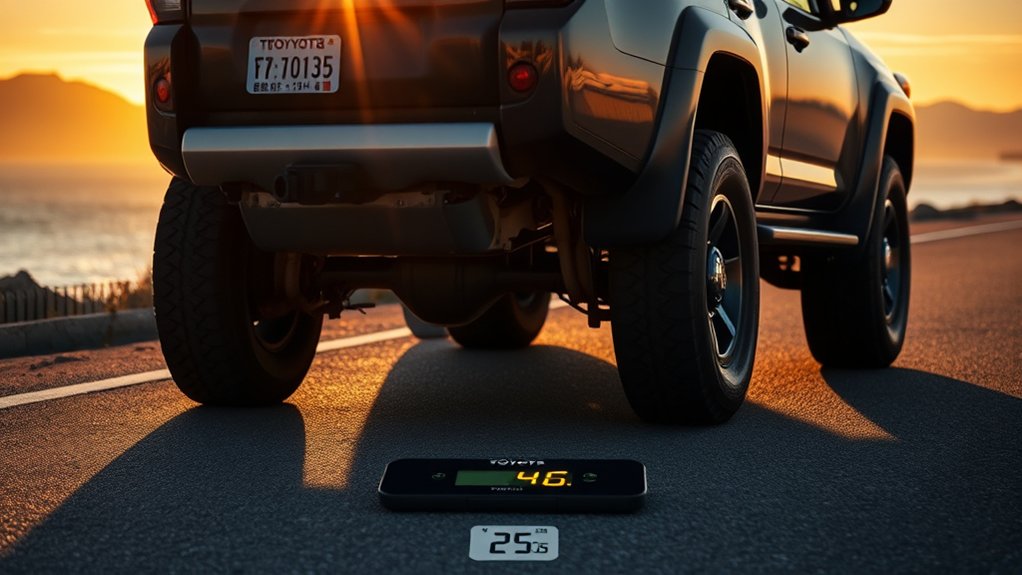
Since your Toyota 4Runner carries a lot of weight, you’ll notice it directly affects fuel economy by needing more engine power to move. Heavier weight increases fuel consumption, especially during acceleration and uphill driving. Understanding this can help you manage your fuel efficiency better.
| 4Runner Model | Curb Weight (lbs) | Estimated MPG (City/Hwy) |
|---|---|---|
| SR5 | 4,400 | 16 / 19 |
| TRD Off-Road | 4,560 | 16 / 19 |
| Limited | 4,740 | 17 / 21 |
As weight goes up, fuel economy drops a bit. Reflecting on load management and driving habits can help you optimize your mileage.
How Weight Influences 4Runner Safety and Handling
When you think about the 4Runner’s weight, it’s clear that it’s pretty important for safety. The extra heft helps create a sturdy frame, which is great in a crash because it offers better protection. So, in a way, the weight works in your favor when it comes to keeping you safe.
But here’s the thing—while that weight boosts safety, it can also make the vehicle a bit trickier to handle. You might notice it’s not as nimble when you’re taking tight turns or navigating rough terrain. It’s all about finding the right balance, so you get the best of both worlds: solid protection and good control.
Impact On Crash Safety
Although the Toyota 4Runner’s weight adds to its rugged build, it directly affects how the vehicle handles in a crash and on the road. Heavier vehicles like the 4Runner generally offer better protection in collisions because of their mass, but this weight also affects crash dynamics.
Here’s how weight impacts crash safety:
- Momentum: The 4Runner’s mass means it carries more momentum, making it less likely to be pushed around in a collision.
- Structural Integrity: The added weight helps support a stronger frame, which improves crash absorption.
- Stopping Distance: More weight requires longer braking distances, which can influence crash avoidance.
- Crash Force Distribution: The vehicle’s mass helps spread out forces during a crash, lowering the risk of occupant injuries.
Understanding these factors helps you see how weight and safety are balanced in the 4Runner.
Effect On Maneuverability
The 4Runner’s weight doesn’t just affect its crash safety; it also plays a big role in how it handles on the road. When you drive a heavier SUV like the 4Runner, you’ll notice more stability at higher speeds and on uneven terrain.
But that extra weight can make sharp turns feel less responsive and increase braking distances. Understanding this balance helps you adapt your driving style for better safety and control.
| Positive Effect | Emotional Impact |
|---|---|
| Improved stability | Confidence in control |
| Better traction | Assurance on rough roads |
| Increased safety margin | Peace of mind |
This balance between weight and maneuverability means you can trust your 4Runner in many conditions. Just remember to stay cautious during quick maneuvers.
Comparing the 4Runner’s Weight to Similar SUVs
Since weight affects performance and fuel efficiency, comparing the Toyota 4Runner’s weight to similar SUVs helps you see where it fits in the midsize SUV segment. The 4Runner usually weighs between 4,400 and 4,800 pounds, making it one of the heavier options.
Here’s how it compares to its competitors:
- Ford Explorer: Around 4,400 pounds, a bit lighter, which can mean better fuel economy.
- Jeep Grand Cherokee: About 4,500 pounds, similar in weight but with more luxury features.
- Honda Passport: Roughly 4,500 pounds, balancing weight and efficiency.
- Chevrolet Blazer: Close to 4,300 pounds, the lightest here, which helps with agility.
Tips for Managing Your 4Runner’s Weight and Performance
When you want to get the most out of your Toyota 4Runner’s performance, managing its weight is key. Start by removing unnecessary items from your vehicle to cut down on excess load. Carry only what you need, because extra weight impacts acceleration, braking, and fuel economy.
Make sure to regularly check your tire pressure. Underinflated tires increase rolling resistance and put more strain on the engine. You might also consider lightweight aftermarket parts like aluminum wheels to reduce overall weight without sacrificing durability.
If you often tow, ensure your hitch and trailer weight stay within the recommended limits. This helps prevent handling issues on the road. Lastly, keep your 4Runner in good shape with regular maintenance. Clean air filters and fresh oil improve engine efficiency and help counteract the effects of added weight.
Frequently Asked Questions
What Is the Engine Size of the Toyota 4runner?
The Toyota 4Runner typically comes with a 4.0-liter V6 engine. This engine delivers a solid balance of power and efficiency, producing around 270 horsepower and 278 lb-ft of torque.
If you’re looking for a capable SUV that handles both on-road comfort and off-road challenges, this engine size offers reliable performance. You’ll appreciate its durability and smooth acceleration, making it a strong choice for daily driving and adventurous trips alike.
How Often Should I Service My Toyota 4runner?
You should service your Toyota 4Runner every 5,000 to 7,500 miles or about every six months, whichever comes first.
Regular maintenance like oil changes, tire rotation, and brake inspection keeps it running smoothly and helps extend its lifespan.
Always check your owner’s manual for specific intervals because driving conditions can affect how often you need service.
Staying on top of maintenance helps you avoid costly repairs and makes sure your 4Runner stays reliable.
What Are the Common Issues With Older 4runner Models?
You’ll notice common issues with older 4Runner models include worn suspension components, rust on the frame, and failing head gaskets.
You’ll also face oil leaks, especially from valve cover gaskets, and occasional transmission troubles.
Keep an eye out for electrical glitches and timing chain wear, too.
Staying proactive with maintenance can help you avoid costly repairs.
Knowing these issues helps you keep your 4Runner reliable and running strong for longer.
Does the 4runner Come With Advanced Safety Features?
Yes, the 4Runner comes equipped with advanced safety features, especially in recent models. You’ll find Toyota Safety Sense, which includes adaptive cruise control, lane departure alert, and automatic emergency braking.
These systems actively help you avoid collisions and stay in your lane. While older models might lack some tech, newer 4Runners prioritize safety.
What Is the Resale Value of a Toyota 4runner?
Think of a Toyota 4Runner’s resale value like a sturdy oak; it holds strong over time.
You can expect it to retain around 60-65% of its original price after five years, thanks to its reliability and rugged reputation.
This means when you sell, you won’t feel like you’re losing out much. Its durability and demand keep its value climbing, making it a smart choice if you care about long-term investment.
Conclusion
You should know that the Toyota 4Runner’s weight varies from about 4,400 to 5,000 pounds depending on the trim and features.
This difference can really impact your fuel economy, towing capacity, and handling. Heavier models tend to tow more but might give you slightly lower mileage.
Understanding these variations helps you make smarter choices for performance and efficiency.
It ensures your 4Runner meets your specific needs without compromising safety or your driving experience.