Should I Buy A 4runner With 250k Miles – Full Story
You can buy a Toyota 4Runner with 250,000 miles if it has a solid maintenance history and passes a thorough inspection. Its durable body-on-frame build and simple V6 engine support longevity, often reaching 300,000 miles with proper care.
Watch out for common issues like head gasket leaks, rust, and worn suspension parts.
Prioritize consistent upkeep and rust prevention to ensure reliability.
Understanding these factors will help you make a well-informed decision about this high-mileage SUV.
Key Takeaways
- Toyota 4Runners with 250k miles can be reliable if well-maintained and regularly serviced, especially with consistent oil changes and fluid checks.
- Inspect for common high-mileage issues like head gasket failure, suspension wear, and rust, which can be costly to repair.
- A complete and documented maintenance history is essential to assess the vehicle’s overall condition and longevity potential.
- Regular rust prevention, undercarriage inspections, and storage conditions significantly impact the ongoing durability of high-mileage 4Runners.
- Always have a trusted mechanic perform a thorough inspection before purchase and be prepared to walk away if the vehicle shows major damage or neglect.
What Makes the Toyota 4Runner Known for Longevity

Although many SUVs struggle with durability over time, the Toyota 4Runner stands out because of its body-on-frame construction, which makes it tough and great for off-road adventures. This design really boosts its durability, making it a top choice for those needing a rugged SUV.
Its reliable V6 engine also helps it last a long time, often reaching up to 300,000 miles with proper care. Just remember to keep up with regular oil changes, fluid checks, and rust inspections, especially if you drive on salted roads.
The simple powertrain design reduces potential issues, so consistent maintenance is key. Overall, the 4Runner’s durability and reliability give it a reputation for long-lasting performance.
Can a 4Runner Still Be Reliable After 250,000 Miles?
The Toyota 4Runner’s reputation for durability naturally raises the question of whether it can remain reliable after reaching 250,000 miles. The answer largely depends on maintenance.
A well-maintained 4Runner, especially with its proven V6 engine, can go well beyond this milestone and still be dependable. Regular oil changes, fluid services, and timely repairs—like fixing head gasket issues—are key to keeping it running smoothly.
Durability also depends on checking for rust, especially if the vehicle has been exposed to salted roads, to ensure the structure stays solid. While 250,000 miles is a lot, many 4Runners have hit 300,000 miles or more, showing they can last long when cared for properly.
Focus on the vehicle’s maintenance history and current condition to get the best idea of its reliability moving forward.
Verifying a 4Runner’s Maintenance History
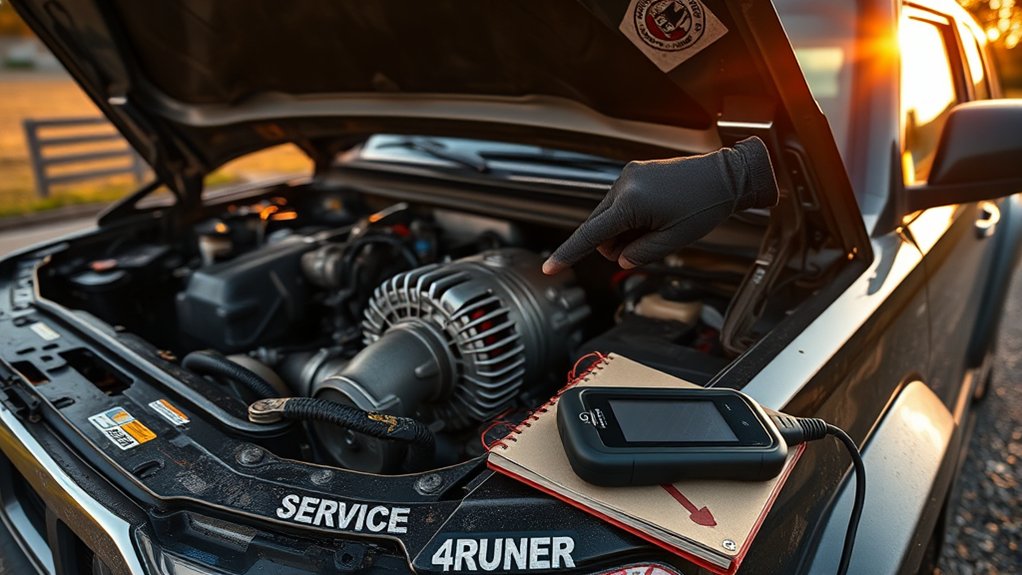
How can you confidently assess a 4Runner with 250,000 miles? Verifying the maintenance history is key to understanding its true condition. Focus on these important points:
First, check for documented regular oil changes and fluid services. This shows the vehicle has been cared for consistently.
Next, review records of major repairs like head gasket replacements or suspension work. These can impact the truck’s reliability.
Also, look for signs of rust prevention, especially if the vehicle was driven on salted roads. Rust can cause serious issues over time.
Finally, see if the maintenance history is complete. Well-documented service records often mean the vehicle was better maintained.
A 4Runner with clear records that’s been properly cared for is more likely to perform reliably and hold its value.
Focusing on these factors helps you make a smart choice without guessing about a high-mileage vehicle.
Maintenance Checks Before Buying a High-Mileage 4Runner
Where should you focus when inspecting a high-mileage 4Runner before buying? Start with a thorough check of the suspension and underbody to spot wear or signs of off-road use. Pay close attention to rust, especially on the frame, since it can compromise structural integrity, particularly in salt-exposed areas.
Review the maintenance history carefully. Consistent oil changes and fluid services are key to the vehicle’s longevity. Examine the V6 engine’s condition and service records, as this reliable powertrain greatly affects performance and resale value.
While you won’t explore common problems here, knowing the engine’s upkeep can hint at potential issues down the line. By concentrating on these areas, you’ll better assess whether this high-mileage 4Runner is a sound investment or a risky purchase.
Common Problems to Watch for in 250k Mile 4Runners
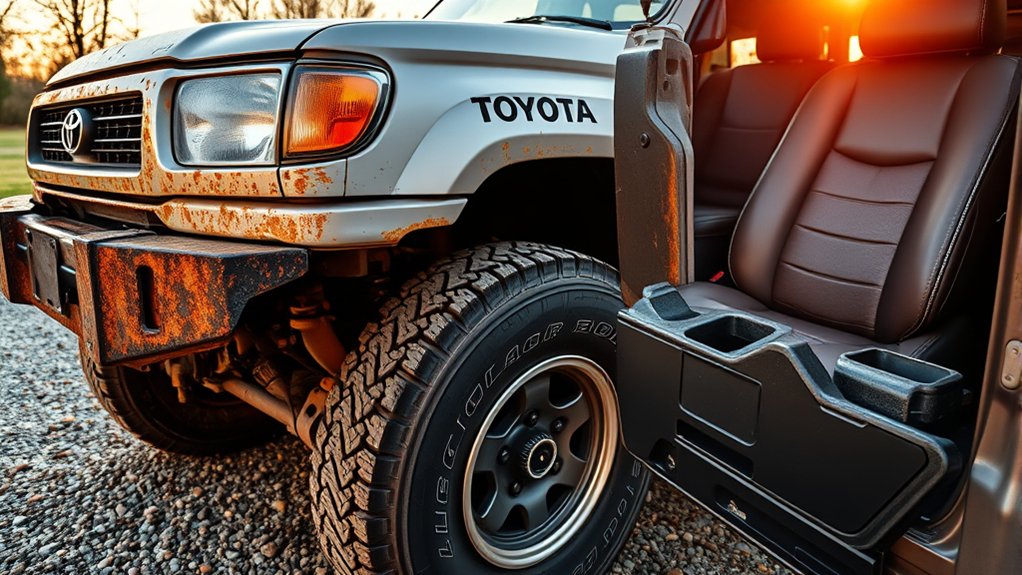
After checking the suspension, underbody, and maintenance records, you’ll want to identify common problems that tend to affect 250k mile 4Runners. These issues can impact reliability and repair costs.
Head gasket failures, especially in V6 engines, are frequent and can be costly to fix. Look for signs like coolant leaks or overheating to catch these early.
Suspension components often show wear from off-road use, so inspect shocks, bushings, and ball joints carefully.
Rust can weaken the frame and undercarriage, so thoroughly check these areas even if the exterior looks clean.
Maintenance history is crucial; verify regular oil changes, timing belt replacements, and fluid services to ensure the vehicle’s longevity.
Being aware of these common problems helps you make a more informed decision before buying a high-mileage 4Runner.
Rust Prevention Tips for High-Mileage 4Runners
Three key strategies can greatly reduce rust formation on your high-mileage 4Runner, helping preserve its structural integrity and value.
First, regularly inspect the undercarriage and frame for signs of rust, especially if you drive in areas with salted roads. Catching rust early lets you act before it spreads.
Second, apply rust-proofing treatments to vulnerable spots and sealants to improve protection against moisture.
Third, wash the vehicle frequently, focusing on the underbody, to remove salt and debris that accelerate rust buildup.
Additionally, address paint chips promptly, as exposed metal invites rust.
Storing your 4Runner in a garage or covered area further limits exposure to moisture and harsh weather.
Best 4Runner Model Years for High-Mileage Durability
When choosing a high-mileage 4Runner, knowing which model years are the most durable can help you make a smarter choice. Some models are known for their reliable performance and easier maintenance, which is key for longevity.
Here are some to consider:
Models known for durability that stand out for high-mileage reliability and easier maintenance
- Third-generation (1999-2000): Known for rugged simplicity, making maintenance straightforward and durability solid.
- Fourth-generation (2003-2009): Offers a strong V8 engine option and solid construction, perfect for high-mileage use.
- Late fifth-generation (2017-2021): Combines modern tech with great reliability scores, supporting long-term durability.
And no matter what year you pick, regular maintenance like oil changes and fluid services is essential to keep your 4Runner reliable at high mileage.
Choosing from these years can give you a better shot at owning a durable, high-mileage 4Runner that lasts over time.
Owner Insights on High-Mileage 4Runner Use
Selecting the right 4Runner model year gives you a good starting point, but hearing from owners about their real-world experiences helps you know what to expect at high mileage. Owners who keep up with regular maintenance tend to be very satisfied, especially when they stay consistent with fluid changes and rust prevention.
The 4Runner’s body-on-frame build makes it durable enough for long-term use, even in tough off-road conditions. Staying proactive with maintenance and connecting with owner communities can provide ongoing tips to keep your vehicle running smoothly.
| Aspect | Owner Insight | Impact on High Mileage Use |
|---|---|---|
| Maintenance History | Regular oil changes are key | Helps extend engine life |
| Preventative Maintenance | Fluid services and rust treatments | Prevents costly repairs |
| Durability | Body-on-frame design | Supports long-term use, off-road |
In short, proactive care and community advice are your best tools for getting the most out of a high-mileage 4Runner.
When to Walk Away From a High-Mileage 4runner Deal
How can you tell if a high-mileage 4Runner isn’t worth the investment? Pay close attention to key red flags before committing. Walk away if:
- The maintenance history shows irregular oil changes or skipped fluid services. This can put the engine at risk.
- You spot significant signs of rust on the frame or underbody. Rust can weaken the vehicle’s structure over time.
- Suspension components look worn or damaged. That might mean costly repairs are just around the corner.
- The vehicle needs major repairs like head gasket replacement. This often indicates past neglect or serious mechanical issues.
Even with 250k miles, a well-maintained 4Runner can last longer. But ignoring these warning signs increases your chances of problems later.
Prioritize thorough inspections and don’t hesitate to walk away if these conditions aren’t right. Protect your investment from costly surprises.
Frequently Asked Questions
How Does Fuel Economy Change With a 250K Mile 4runner?
With 250,000 miles, your 4Runner’s fuel economy will likely dip slightly, averaging around 16-19 MPG combined.
If you stay on top of regular maintenance like oil changes and tire care, you can keep your fuel efficiency close to the original rating.
But engine wear, worn tires, or poor alignment can bring your mileage down even more.
Your driving style also matters—a smoother approach can help you get better gas mileage despite the high mileage.
Are There Specific Tires Recommended for High-Mileage 4runners?
Think of your tires as the 4Runner’s shoes—they need to fit the terrain and mileage demands.
For high-mileage 4Runners, look for durable all-terrain tires from trusted brands like BFGoodrich, Goodyear, or Michelin.
Stick to the common size 265/70R17, but double-check your model’s specs to be sure.
Remember, rotating your tires every 5,000 to 7,500 miles and maintaining proper tire pressure will help extend their lifespan.
This also keeps your ride smooth and efficient on the road.
What Aftermarket Upgrades Improve Performance in Older 4runners?
You can improve performance in older 4Runners by upgrading the suspension with aftermarket kits to elevate ride quality and off-road capability. Installing a cold air intake boosts engine airflow, increasing power and fuel efficiency.
A performance exhaust system adds horsepower and torque while delivering a more aggressive sound. Adjusting gear ratios in the differential helps with larger tires for better off-road power delivery.
Modern infotainment upgrades also enhance your driving experience.
How Does Insurance Cost Vary for a 4runner With 250,000 Miles?
Insurance costs for a 4Runner with 250,000 miles can be higher because of potential repair risks and age-related concerns. You might pay less for liability coverage but more for extensive and collision coverage since the vehicle’s value drops.
That said, its strong reliability and safety ratings can help keep premiums lower. To find the best rate, compare quotes from multiple insurers and look for discounts tied to a clean driving record and good vehicle condition.
Can a 4runner With 250K Miles Handle Off-Road Towing?
Yes, a 4Runner with 250k miles can handle off-road towing if you stay on top of maintenance.
Studies show Toyota’s V6 engine often exceeds 300,000 miles with proper care, proving its durability.
You’ll want to regularly check transmission fluid, brakes, suspension, and underbody wear to keep towing stable.
High mileage doesn’t automatically mean poor towing performance; it really depends on how well you’ve maintained the vehicle over time.
Conclusion
Buying a 4Runner with 250,000 miles isn’t a leap into the unknown but a calculated step on a well-traveled path. With its legendary durability, thorough maintenance checks become your compass, guiding you past common pitfalls and rust traps.
Think of it as a seasoned traveler—experienced but needing careful attention. If the history’s solid and wear manageable, this high-mileage runner can still deliver reliable adventures.
Otherwise, know when to turn the key and walk away.