What Happens If You Overfill Your Gas Tank: A Complete Guide That Explains Risks, Costs, and Prevention
What happens if you overfill your gas tank? Filling past the automatic shut-off risks fuel overflow and damage.
The gas pump stops at about 95% full, which leaves room for fuel expansion. Adding more gas beyond this can flood the vapor system and cause problems.
Overfilling often triggers the check engine light and makes your car run rich. This condition wastes fuel and harms emission controls. You should avoid topping off your tank to keep your vehicle healthy and emissions legal.
After overfilling, watch for gas smells and a check engine light with specific error codes. If this happens, stop driving to prevent costly damage. Scanning for trouble codes can help identify issues early.
Key Takeaways
- Stop fueling once the pump clicks off to prevent overfilling.
- Overfilling causes fuel to flood the EVAP system and damage parts.
- The check engine light might show codes related to the fuel vapor system.
- A repair can cost anywhere from $300 to over $800 for the charcoal canister.
- Topping off your tank offers no savings but risks expensive repairs.
- Drive at highway speeds for about 25 miles to clear fuel vapor issues.
What Happens When You Overfill Your Gas Tank
When fuel passes the automatic shutoff, it fills the vapor space. This space is inside the tank and meant for vapor only. Extra fuel takes up this vapor area quickly.
This reduces the empty space that allows gasoline to expand safely as it warms up. Pumping gas after the nozzle clicks pushes liquid fuel into the EVAP system.
This system is not made to hold liquid fuel. It can cause damage if filled with liquid gas.
Yes, gas can overflow or spill if you keep pumping past the automatic shutoff. The nozzle’s safety mechanism prevents spills by stopping flow when the tank is full. Topping off after the click risks fuel spilling out of the filler neck.
Spilled fuel creates a mess and can catch fire. This is a serious safety hazard.
The fuel tank needs vapor space to handle temperature changes. Gasoline expands roughly 6% for every 10°F increase in temperature.
Overfilling squeezes out this vapor space, which can cause increased pressure inside the tank. This pressure affects seals and valves, leading to potential leaks or damage.
Overfilling usually doesn’t change engine performance immediately. The engine burns fuel mixed with air. So small changes in tank fill don’t directly affect running.
Fuel vapors entering the engine’s intake cause a rich running condition. This triggers the check engine light and rough idling over time. It’s a sign of engine trouble.
Stop pumping as soon as the nozzle clicks to fill the tank correctly. This fills the tank up to its designed capacity. It avoids overfilling problems.
This leaves enough room for fuel expansion and proper vapor handling. Overfilling upsets the fuel system’s balance and stresses its parts.
This issue worsens with frequent overfilling or in older vehicles. It can lead to costly repairs.
Why Overfilling the Gas Tank Is Harmful to Your Vehicle
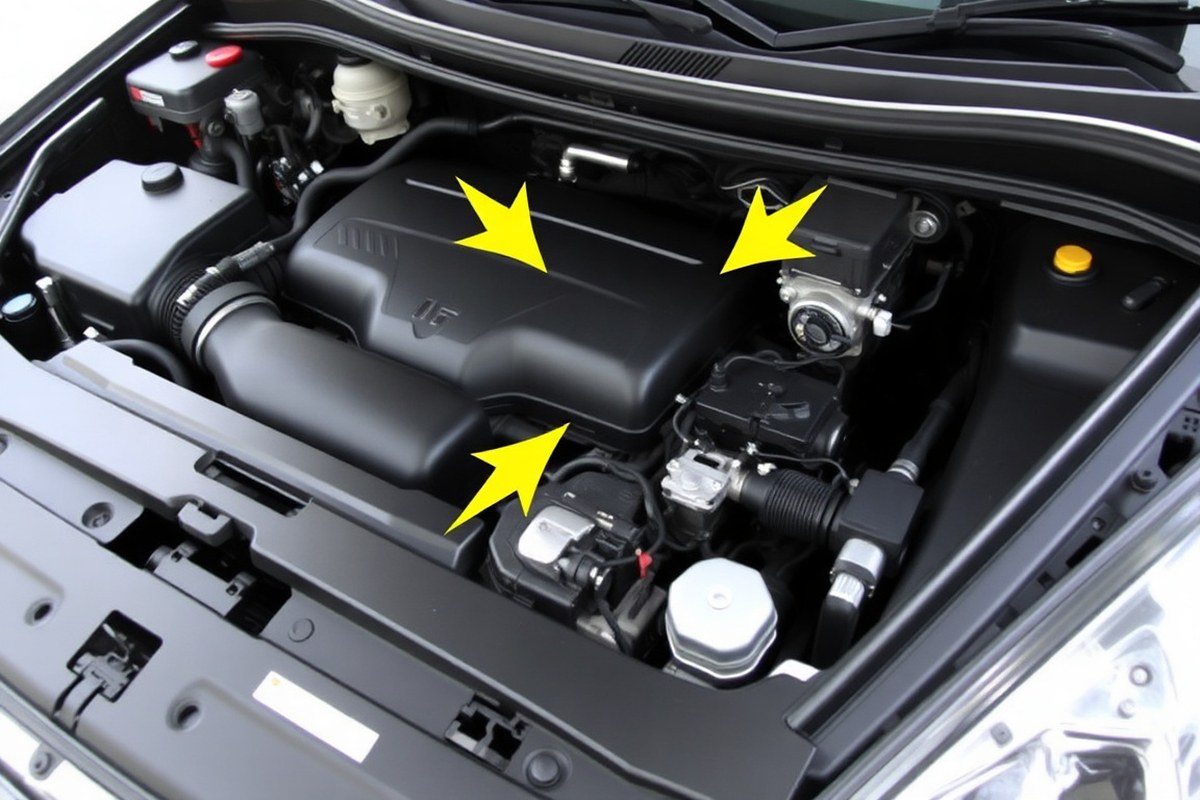
Excess liquid gasoline can soak the charcoal canister, part of your car’s EVAP system. This can cause the canister to fail because it’s designed to handle vapors, not liquid fuel. When saturated, the canister can stop working, leading to spillage and triggering the check engine light.
Damage to the EVAP system can be expensive to fix. Repairs often cost between $200 and $1,500. This is usually for a new charcoal canister.
The purge valve can also suffer damage, causing rough idling or engine misfires. These happen because the system cannot properly control fuel vapors, upsetting the engine’s air-fuel balance.
Overfilling can make excess pressure inside the tank. This may lead to small leaks or even deform the fuel tank over time. A deformed tank can weaken and cause dangerous fuel leaks, which risk fire and environmental pollution.
Liquid fuel entering the vapor system also harms emissions and the environment. Gasoline vapors pollute the air, so the EVAP system limits their release. When liquid overwhelms it, more fumes escape, increasing air pollution.
Engine problems appear when excess fuel enters places it shouldn’t. You might notice the engine running rough, misfires, or sluggish starts. These symptoms often relate to a faulty purge valve damaged by liquid fuel.
Avoid topping off your gas tank to protect the EVAP system and prevent leaks.
Recognizing Symptoms That Indicate You Overfilled Your Gas Tank
Overfilling your gas tank shows clear signs you shouldn’t ignore. A check engine light may come on quickly.
You might notice a strong fuel smell or even small leaks. Your engine could also run rough or stall, signaling trouble from too much fuel.
Common OBD-II Codes Related to Overfilling
The check engine light often signals a problem after overfilling. A common error code is P0442. It means a small leak exists.
The leak is in the evaporative emissions system. These codes happen because excess fuel damages seals and parts in the EVAP system.
To see these codes, use an OBD-II scanner connected to your car. This tool reads stored codes that help diagnose overfill damage. Spotting P0442 or similar codes means you need to check your fuel system fast.
Physical Symptoms: Fuel Odor and Leaks
Overfilling your tank can cause fuel to spill. It can also saturate the EVAP system. This often causes a strong gasoline smell around your car.
This odor often comes from the fuel tank area or near the gas cap. You may also spot wet spots or small leaks under your vehicle.
Check for these physical signs after refueling. Look for stains, pooling fuel, or damaged rubber seals around the filler neck. Clean up spilled fuel carefully and avoid driving if you smell strong gas inside the cabin.
- Strong gasoline smell near the fuel tank or gas cap
- Visible wet spots or fuel leaks under the car
- Damaged or loose gas cap seals
- Stains around the filler neck area
These symptoms suggest fuel overflow or EVAP system damage needing prompt attention. Treat fuel leaks seriously due to fire hazards.
Engine Performance Issues from Overfilling
Overfilling can flood the fuel lines or injectors, hurting engine performance. Your car may hesitate to start, stall unexpectedly, or run roughly. Fuel efficiency can also drop noticeably after topping off too much.
These issues seem like general fuel problems. But they come from liquid fuel reaching vapor areas.
Engine struggles after filling can mean trouble. Look for rough idling and hesitation when you accelerate.
Checking for Damage to the Fuel Tank and EVAP System
Damage from overfilling often hits the EVAP system’s seals, valves, and charcoal canister. These parts handle fuel vapors, so liquid fuel overload can cause cracks or clogs. A professional inspection can find leaks or cracked hoses causing fuel vapors to escape.
Check the gas cap often for cracks or warping. Damaged caps let vapor out and trigger warning lights.
Repairs vary and can cost from under $100 for seals to several hundred for canister replacements. Catching damage early reduces repair bills.
Steps to Take Immediately After Overfilling Your Gas Tank
When you overfill your gas tank, acting fast helps avoid fire risks and car damage. Gas vapors can light up easily, so removing spills is key. Waiting before starting your car also lowers the chance of damage.
- Stop fueling immediately. Leaving the pump on risks more spills and fumes. Turn it off as soon as you notice overfilling.
- Wipe up any spilled fuel. Use a cloth or paper towels on the ground and around the filler neck. Avoid using anything that can create sparks.
- Let vapors clear out before you start your car. Wait at least a few minutes. This reduces the fire risk and helps the evaporative system handle the extra fuel.
- Check for strong gasoline smells near or inside your car.You can still smell gas after several minutes. Avoid driving. Get cleaning done or checked by a pro.
- Do not “top off” your tank after overfilling. Most automakers advise against topping off, as it floods the system and may cause damage.
- Watch for engine trouble signs after driving. Hesitation or poor running may mean fuel system issues caused by overfilling. Have a mechanic inspect if these appear.
- Get a professional inspection if your car won’t start.Your car might not start or smell funny after filling. These issues usually need a mechanic’s help. They stop bigger problems from happening.
Cleaning up spilled gas quickly lowers fire dangers right away. Waiting a few minutes stops vapors from igniting when you turn on the engine. Most overfill problems go away if you wait before starting your car.
Fix small leaks and spills quickly. This helps prevent bigger issues later.
Your car runs fine after filling? Skip topping off the tank. Watch how the car performs over time.
You smell gas or notice engine trouble. Get your car checked right away.
Repair costs from overfills can add up if ignored. Getting help early saves money and keeps you safe.
How Overfilling Gas Affects the EVAP Emission Control System
Your vehicle’s EVAP system controls harmful fuel vapors from escaping. It uses a charcoal canister filled with activated carbon to trap these vapors. This helps lower pollution by stopping gasoline fumes from leaving the tank into the air.
When you overfill your gas tank, liquid fuel can flood this charcoal canister. The canister is designed to absorb vapors, not liquid gasoline. Fuel soaking the charcoal damages its ability to trap vapors and may clog the system’s sensors.
Overfilled fuel in the EVAP system causes error codes like P0442 or P0455. These codes flag leaks or damage detected in the emission control parts. Problems include poor fuel economy, increased pollution, and the check engine light staying on.
Repairing EVAP damage can run between $200 and $600 or more, depending on parts. Replacing the charcoal canister is the most common fix. It can cost more if sensors are damaged too.
Damaged sensors add to the overall repair price. Ignoring the issue leads to more repairs and possible fuel system problems.
Never top off your tank past the pump’s automatic shutoff. It keeps the EVAP system safe.
Can Overfilling Your Gas Tank Cause Engine and Fuel System Problems?
Overfilling your gas tank can push extra fuel into the fuel delivery system. This excess fuel may flood the fuel rail and reach the engine cylinders. Too much unburned fuel can cause engine misfires.
It also fouls spark plugs over time. These issues hurt your car’s performance.
Fuel flooding clogs the combustion process by making the air-fuel mix too rich. Spark plugs coated with unburned gasoline misfire or fail to ignite properly. This lowers engine efficiency, leads to rough idling, and can increase your emissions.
An overfilled tank leaves less air space inside. This harms the EVAP system’s ability to handle vapors. It can lead to fuel vapor problems.
Excess fuel can seep into the air intake, contaminating it and causing performance problems. This contamination disrupts air flow and may damage sensors that control engine combustion.
The fuel pump and fuel filter also face harm if too much gasoline floods the system. Fuel suppliers design pumps and filters for specific pressure and flow rates. Filling too much makes the pump work harder.
It can clog fuel filters or make them fail early. This damages your fuel system.
Long-term engine issues can develop from repeated overfilling. Consistently fouled spark plugs and clogged fuel lines hurt fuel efficiency and engine power. Fixing these troubles can cost you hundreds.
Replacing spark plugs alone can run from $100 to $200. These repairs add up fast.
Extreme cases might push raw fuel deep into the cylinders, risking engine damage. Contaminated air intake can also lead to more costly repairs if intake valves or sensors fail. Preventing overfills protects your engine’s fuel delivery and combustion systems.
Financial Impact: Repair Costs from Overfilling Your Gas Tank
Repair costs from overfilling your gas tank can add up fast. Key parts like the charcoal canister and purge valve often need replacement. These fixes usually cost hundreds of dollars, making prevention a much cheaper choice.
Charcoal Canister Replacement Costs
The charcoal canister traps fuel vapors and prevents pollution. Overfilling your tank floods it, damaging the canister.
Replacing this part commonly costs between $300 and $800. But prices can reach $1,500 with labor included.
Different car models and labor rates affect final bills. Cheap repairs might not last if the whole system shows wear. Expect to pay more for high-end or hard-to-reach canisters.
Purge Valve and Solenoid Repair Expenses
The purge valve controls fuel vapor flow from the charcoal canister to the engine. Overfill damage can cause this solenoid valve to fail. Replacing it costs between $200 and $500, including parts and labor.
This valve is electric and more delicate than the canister. It plays a big role in fuel efficiency and emissions. Fixing it quickly can avoid bigger system failures later on.
Catalytic Converter Repair or Replacement
Flooded vapors might affect the catalytic converter by upsetting fuel mixtures. While less common, an overfill can cause converter damage. Replacing this expensive part often costs thousands, depending on the vehicle.
The converter cleans exhaust pollution, so damage triggers warning lights. Repairing the converter is pricier and takes more labor than EVAP parts. Watch for symptoms like rough running and poor mileage as signs to check it.
Diagnostic and Labor Fee Estimates
Diagnosing EVAP system issues usually starts with a smoke test. This test and basic diagnostic fees range between $100 and $200. Labor costs add up depending on how complex the repair is.
Simple valve replacements might only take around an hour. More extensive EVAP repairs can take several hours. Labor charges vary widely by shop and location, influencing total repair price.
| Component | Estimated Cost Range (Parts + Labor) 2026 |
|---|---|
| Charcoal Canister Replacement | $300, $800 |
| Purge Valve Solenoid Replacement | $200, $500 |
| Vent Valve Replacement | $150, $400 |
| EVAP Smoke Test / Diagnosis | $100, $200 |
Considering these costs, fixing an overfill issue can become expensive quickly. Avoid topping off to keep your tank safe and your repair bills low. Repair bills can easily surpass any small savings that come from overfilling.
Why Topping Off Your Gas Tank Is a Myth That Costs You Money
Many people believe topping off their gas tank saves money by adding extra fuel. The truth is, topping off does not give you usable extra gas. When you pump past the first automatic shut-off, extra fuel drains away.
It usually goes into the vehicle’s emission system or evaporates. This helps prevent overfilling.
Fuel expands when the temperature rises, which matters when topping off. On hot days, extra gas can overflow or create pressure inside the tank. This pressure can harm the fuel pump.
It can also cause fuel to leak near the gas cap. That’s why upkeep is important. Cold weather reduces expansion but doesn’t eliminate the risks of topping off.
Automakers say not to top off your tank. Ventilation and emission systems expect a certain fuel level. Overfilling can mess these up.
Overfilling disrupts these systems and may cause mechanical failures. Repairing a damaged fuel pump or emission parts can cost hundreds of dollars. Staying within the pump’s first click saves money long-term.
Some states have laws banning topping off to reduce harmful fuel vapors. These vapors contribute to air pollution and health risks.
Gas stations may even fine customers caught topping off to protect local air quality. Being mindful of these rules avoids legal trouble and helps the environment.
Stop fueling as soon as the nozzle clicks off. Topping off can cause leaks, damage, and fines.
Trying to add more gas after the pump stops doesn’t save money. It just wastes fuel. Avoid topping off your tank.
You’ll only save money by stopping at the first shut-off and avoiding costly fixes later. Fuel systems are built to work best without overfilling. So trust the pump’s signal every time.
How to Prevent Overfilling Your Gas Tank Every Time You Fill Up
Stop filling your tank as soon as the nozzle clicks off automatically. That click means your tank has reached the right level. Don’t try to add more after the automatic shutoff triggers.
Watch the Automatic Shutoff Mechanism
The gas pump nozzle has a sensor inside. It stops fuel flow at the right point. This helps avoid overfilling your tank.
This stops the tank from overfilling. When you hear or feel the click, release the lever immediately.
Sometimes the click happens quickly once the fuel reaches a certain height inside your tank. This mechanism prevents spills and protects your car’s fuel system. Trust the pump’s signal rather than guessing.
Avoid Pressing the Pump Lever After Shutoff
It’s tempting to squeeze in extra fuel after the pump clicks off, but don’t do it. Adding more fuel after shutoff risks overfilling. Extra fuel trapped in the filler neck can cause leaks or damage later.
Keep your hand off the lever once the pump stops. The nozzle might be broken and keep pumping. Stop it yourself right away.
Don’t wait for it to shut off. Pay attention and don’t multitask while filling up.
Understand Your Vehicle’s Fuel Capacity and Behavior
Know the size of your gas tank. Your fuel gauge shows an estimate.
But the best cue is the pump’s automatic shutoff. Don’t rely on the gauge alone since it can lag behind or vary by make.
Every car handles fuel expansion differently. Allow space for gas to expand as it warms after filling. Most vehicles are designed to work well if you stop once the pump clicks off.
Consider Temperature and Fuel Expansion
Cold weather affects your fuel and tank. Gas contracts in cold, so the tank may seem less full.
When warmed, the fuel expands. So overfilling on a cold day can cause pressure and leaks later.
Try to refuel in moderate temperatures if you can. Avoid filling to the brim in very cold environments. Give your gas room to expand safely.
- Stop pumping as soon as the nozzle clicks off.
- Don’t press the lever after the automatic shutoff.
- Know your vehicle’s tank size and fuel gauge limits.
- Fill in moderate temperatures when possible.
- Don’t top off your tank beyond the first shutoff.
- Watch for leaks or drips around the filler neck.
- Keep your attention focused while fueling to avoid errors.
Step-by-Step Action Plan to Fix Overfilled Gas Tank Issues
Follow these steps right after overfilling your gas tank. They help reduce damage and check if your car is working fine again.
- Immediately after filling: Do not top off the tank any further. Stop fueling once the nozzle clicks off to avoid extra fuel.
- Within an hour: Check for any fuel smells inside and outside your car. Notice a strong smell? Keep doors open and avoid driving.
- Same day: Inspect under the car for fuel leaks. Wet spots or puddles near the gas tank or undercarriage need prompt attention.
- Next day: Start the engine and listen for rough idling or unusual noises. Smooth running means no immediate engine damage.
- Within 48 hours: If you spotted leaks or engine issues, visit a mechanic. They can test your EVAP system and fuel lines for damage.
- After repair: Keep an eye on your gas gauge and fuel smells for a week. Problems come back? Schedule another inspection right away.
- Ongoing: Always stop fueling at the first click to avoid repeats. This habit prevents costly repairs and safety risks.
Frequently Asked Questions
What Should I Do If I Accidentally Overfill My Gas Tank?
Stop filling immediately and avoid driving right away. Overfill fills the EVAP system too much.
Let your car sit. Drive carefully to cut damage risk.
Can Overfilling My Gas Tank Cause a Fuel Leak?
Yes, overfilling can cause fuel leaks through the vapor recovery system. This happens because excess fuel extends beyond the tank’s safe capacity and may spill out.
How Soon Will the Check Engine Light Come on After Overfilling Gas?
The check engine light may appear within minutes to a few miles of driving. A rich fuel mixture or EVAP system errors trigger the warning quickly.
Is Overfilling My Gas Tank a Common Cause of Engine Problems?
Overfilling can cause engine trouble but is less common than other issues. Problems arise mainly if fuel saturates EVAP components, which affects performance.
Can Overfilling My Gas Tank Shorten the Life of My Car’s Fuel Pump?
Yes, constant overfilling can stress the fuel pump by causing vapor lock or damage. Fuel pumps rely on gasoline cooling and lubrication, so excess fuel vapor is harmful.
Before You Go
Overfilling your gas tank harms your vehicle’s fuel system and costs money to fix. Avoid topping off so this problem doesn’t happen again. Check your car carefully if you ever do overfill and act fast to protect it.