Car Shudders When Idling: 9 Clear Causes and How to Fix Them
Your car shudders when idling because the engine isn’t running smoothly. This happens when parts wear out or get dirty.
Spark plugs, vacuum lines, or engine mounts can cause it. Fixing a rough idle often starts with simple cleaning or replacing small, cheap parts first.
Check the throttle body. Clean it for about $15. See if that stops the shaking.
High fuel trims usually point to vacuum leaks. So inspect hoses and the PCV valve carefully. The shudder feeling worse in gear but smooth in neutral means engine mounts or torque converter may cause it.
Key Takeaways
- Clean the throttle body first with a $15 cleaner to reduce idle shudder.
- Inspect vacuum hoses and the PCV valve for leaks causing lean fuel conditions.
- Replace spark plugs if your car has more than 70,000 miles to prevent misfires.
- Check engine mounts for cracks or ruptures after five to ten years of use.
- Feel smoother idle in neutral means mounts or torque converter might need repair.
- Look for black dust in the transmission fluid as a sign of torque converter wear.
1. Why Does a Car Shudder When Idling?

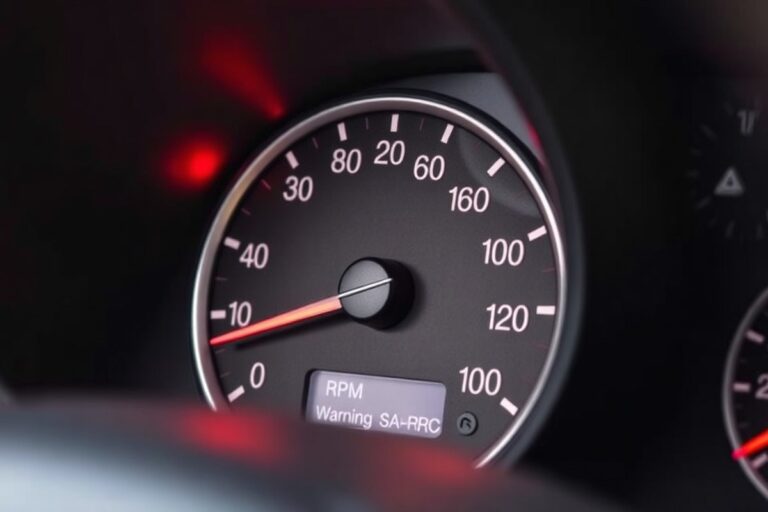
A car shudders when idling because the engine is not running smoothly at low speeds. This usually happens when engine speed drops below 1,000 RPM.
The engine can’t keep a steady power output at that speed. The shaking feels like a vibration through the seat, steering wheel, or even the floor.
Idling means the engine runs at a low, steady speed. It provides just enough power to keep running without moving. At idle, the engine uses less fuel and air than driving.
This makes it more sensitive to fuel, spark, or air issues. These problems cause uneven combustion in the engine cylinders.
That leads to a rough idle. You feel a shuddering.
The shaking often stops when you accelerate because the engine speeds up and runs more smoothly. Higher RPM means the engine cycles through its power strokes faster, which evens out power delivery.
Driving increases engine load and fuel flow. This helps worn spark plugs or weak mounts affect the engine less.
Generally, a mild shake is normal on smaller engines with three or four cylinders. What matters is if it has gotten worse or comes with warning lights.
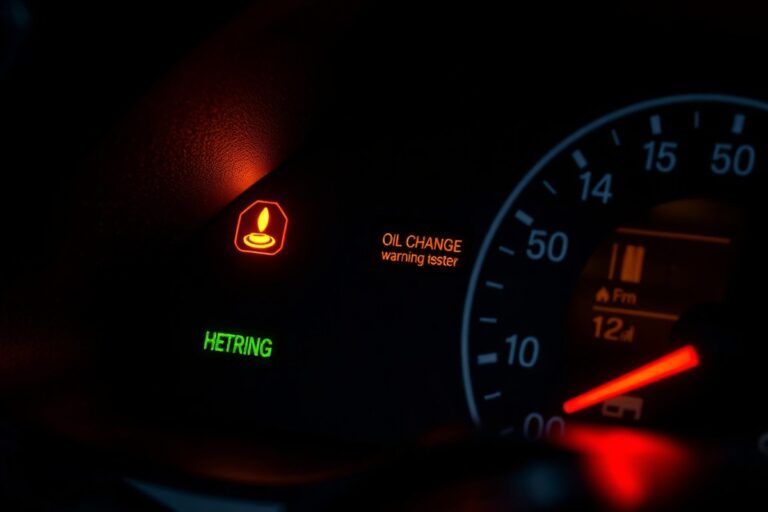
Flashing check engine lights paired with shaking signals a serious problem. You should stop driving and get professional help to avoid damage.
If the engine struggles to idle, it shakes or changes speed. It can’t keep the idle RPM steady. The engine tries to balance fuel, air, and spark.
Worn parts keep it from doing this evenly. Common causes include bad spark plugs, vacuum leaks, and worn engine mounts.
Engine mounts last about five to 10 years, depending mainly on driving habits. When mounts wear, the engine moves more than it should, sending vibrations through the car frame. This makes idle shudder worse, especially when stopped or parked.
Troubleshooting idle shudder means paying attention to sound, smell, and how the vibration feels. Rough idle combined with a hissing noise can mean a vacuum leak. A rhythmic shake might point to misfiring cylinders.
Dirty fuel injectors or a bad ignition coil cause rough idling. The shaking often stops when you accelerate.
2. How Vacuum Leaks Lead to Idle Shuddering

Your car shudders at idle when a vacuum leak lets unmetered air enter the engine. This disrupts the air-fuel mixture, causing rough, unstable idling. Identifying leaks early helps keep your engine smooth and stops shaking.
Common Vacuum Leak Locations
Vacuum leaks often occur where rubber hoses connect to the intake manifold or throttle body. Old, cracked hoses or loose connections are frequent culprits. Parts like the brake booster hose and PCV valve hose also commonly develop leaks.
Leaks may also happen around vacuum-operated components like the EGR valve or intake manifold gasket. These spots wear over time or if the engine overheats. Check these areas carefully during inspection.
Detecting Leaks Using DIY Methods
You can find vacuum leaks without special tools by listening. Spray soapy water or carb cleaner around suspect areas. Watch for bubbles or changes in engine sound.
A hissing sound or change in engine idle means a leak is present. This method works well in a quiet, well-ventilated space.
Here’s a simple step-by-step checklist to detect leaks yourself:
- Start the engine and let it warm up to normal idle temperature.
- Look under the hood for cracked or disconnected vacuum hoses.
- Use a spray bottle with soapy water and spray around hose connections and gaskets.
- Watch for bubbles forming, which indicate escaping air.
- Spray carburetor cleaner lightly near suspected leaks; listen for engine speed changes.
- Feel for escaping air with your hand, but be careful around hot engine parts.
- Write down or mark the exact leak locations for repair.
Never spray flammable liquids near hot engine parts. Allow the engine to cool slightly first.
Effects on Fuel Trim and Engine Performance
A vacuum leak lets the ECU detect less vacuum than normal. This causes the engine to lean out the air-fuel mixture. Lean air-fuel mixture can cause rough running.
The ECU adds fuel to compensate, but this adjustment can’t fully correct the imbalance. The result is rough, shaky idle and possible stalling.
The issue gets worse when the engine idles at low RPM. It becomes more sensitive to air-fuel mixture changes. This leads to noticeable rough running at idle.
Your car shaking only while stopped could mean vacuum leaks. The engine runs fine while moving but shakes when idle.
This is common with vacuum leaks. Ignoring leaks leads to poor fuel economy and engine wear.
3. Spark Plugs and Engine Misfires Causing Rough Idle
Worn or fouled spark plugs cause incomplete combustion that makes your engine misfire. This misfire leads to rough idling and vibrations in your car at rest. Checking and replacing spark plugs on time prevents these problems and keeps your engine running smooth.
Signs of Failing Spark Plugs
When spark plugs wear out, the engine misfires with uneven power delivery. You might hear a popping or sputtering sound, or feel your car shake more at idle. Fuel economy often drops, and acceleration can get sluggish or jerky.
Bad plugs don’t produce enough spark, causing fuel to burn poorly or not at all. Over time, deposits or damage on plug tips worsen this and increase rough idling. Watch for these signs before your check engine light comes on.
Related Ignition Components to Check
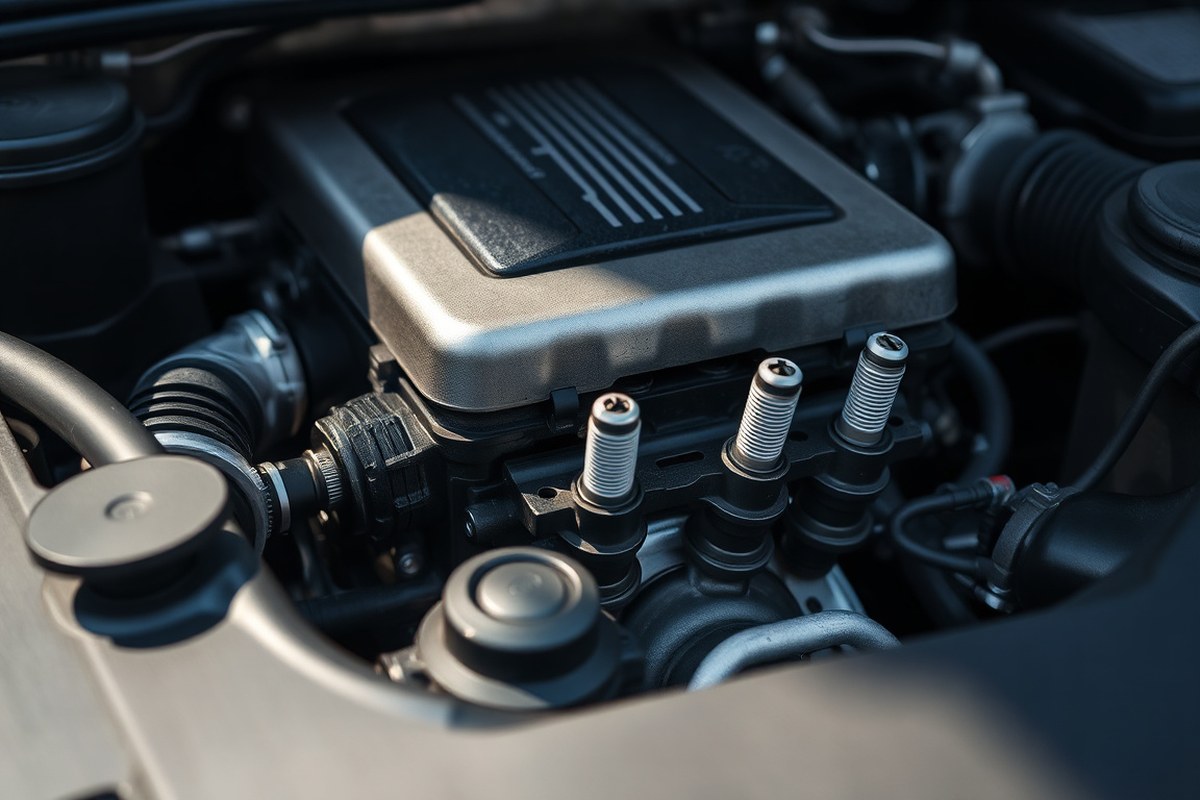
Spark plugs are a key part of the ignition system but they are not alone. Damaged spark plug wires, worn coil packs, or a bad distributor cap can also cause misfires. These parts carry or create the spark needed to ignite the fuel-air mix.
Loose or corroded connections can lower spark energy and cause the engine to run unevenly. You should visually inspect these parts and test resistance with a multimeter if you can. Replacing faulty cables or coils often fixes rough idle.
- Check spark plug wires for cracks or burns
- Test ignition coils for proper function
- Look for corrosion on connectors and terminals
- Inspect distributor cap and rotor (if equipped)
- Check spark plugs for fouling, wear, and gap size
- Scan for misfire trouble codes (e.g., P0300)
When to Replace Plugs and Coils
Most spark plugs last about 70,000 miles before they start failing. If your car has high mileage or rough idle symptoms, swapping plugs is a good first step. It takes about an hour and costs $30 to $70 for plugs on a 4-cylinder engine.
Ignition coils typically last longer but should be replaced if misfires continue after new plugs. Coil replacement costs $50 to $150 each and takes one to two hours. Always replace plugs and coils as a pair to avoid repeat problems.
4. Engine Mounts: How Worn Mounts Contribute to Shuddering
Engine mounts hold your car’s engine firmly to the frame. They absorb vibrations and prevent the engine from moving too much when running. Without good mounts, vibrations from the engine become more noticeable inside the car.
Worn or broken engine mounts cause your car to shudder especially when idling. You’ll feel shaking when parked or waiting at a stoplight.
This happens because the engine shifts slightly. The mounts no longer cushion the vibrations well.
Sometimes, worn mounts make the vibration feel constant, not just during acceleration. They don’t cause the engine to misfire.
But they make the normal engine shaking worse. You might also hear clunking sounds when shifting gears if mounts are bad.
Engine mounts usually last between 5 and 7 years depending on driving conditions. Harsh roads or heavy loads wear them out faster.
Replacing mounts costs between $200 and $600 at a shop. The price depends on your car model and labor rates.
You can check for worn mounts by looking for cracks or broken rubber around the mount. Press the engine gently.
Excessive movement shows mounts might be loose or damaged. Tightening bolts won’t fix worn rubber, so replacement is required to stop the shudder.
Good mounts make the engine feel steady at idle with only slight vibrations. Vibration easing after mount replacement means the problem is fixed. Letting mounts wear out too long can stress other parts like the transmission or exhaust system.
5. The Throttle Body and Idle Air Control Valve Effects
5. The Throttle Body and Idle Air Control Valve Effects
The throttle body controls air entering the engine when you don’t press gas. Carbon buildup in this part can block airflow and cause rough idling. The idle air control valve adjusts airflow to keep your engine steady at idle.
Cleaning the Throttle Body
Carbon deposits build up around the throttle plate and housing over time. This restricts airflow during idle, causing a low or uneven idle speed that leads to shaking. Cleaning the throttle body removes this buildup and restores smooth airflow.
Follow these steps to clean the throttle body safely:
- Park the car on a flat surface and let the engine cool.
- Open the hood and locate the throttle body. It’s usually between the air filter and the intake manifold.
- Disconnect the air intake hose connected to the throttle body.
- Spray throttle body cleaner onto a clean cloth or directly inside the throttle body.
- Use the cloth or a soft brush to wipe off carbon deposits carefully.
- Open the throttle plate gently to clean the edges and inner surfaces.
- Let the cleaner evaporate fully before reconnecting the air intake hose.
- Start the engine and let it idle to check for improvement.
Cleaning usually takes 30 to 60 minutes. No special tools beyond throttle body cleaner and basic hand tools are needed. Carbon buildup is common in engines with 50,000 miles or more.
Wear gloves and eye protection when using throttle body cleaner. Avoid spraying sensors or electrical parts.
Symptoms of a Failing Idle Air Control Valve
The idle air control valve manages a small airflow at idle. It helps keep the engine running smoothly.
A dirty or bad idle air control valve can’t keep idle speed steady. You might notice your car’s idle surges, drops unusually low, or the engine nearly stalls.
Common signs of a failing IAC valve are sudden idle speed changes. Your engine might vibrate roughly when idling. It can also stall when you stop the car.
Some cars show a check engine light with diagnostic trouble codes related to the IAC system. Older vehicles usually have a separate IAC valve. Newer models may use an electronic throttle control instead.
Resetting the Idle Settings
After cleaning or replacing throttle components, the car’s computer may need to relearn idle settings. This helps the engine control module find the right air-to-fuel balance for smooth idling. Without resetting, you might still experience rough idle or shaking.
To reset idle settings:
- Turn the ignition key to the ON position without starting the engine.
- Press the gas pedal fully to the floor and hold it for 10 seconds.
- Release the gas pedal slowly.
- Start the engine and let it idle for about 5 minutes without touching the pedals.
- Turn off the engine and wait for 2 minutes.
- Start the engine again to check if idle smoothness improved.
This process may vary by make and model. Consult your owner’s manual for exact instructions.
Sometimes you need a scan tool to clear IAC error codes. It can also help reset the sensors if problems keep happening.
6. Fuel System Problems That Trigger Idle Shaking
Fuel contamination or blockages disrupt the air-fuel mixture your engine needs. Clogged fuel injectors spray uneven fuel amounts, causing your engine to shake at idle. Dirty or blocked fuel filters reduce flow, starving the engine of fuel and triggering unstable idling.
Testing fuel injectors starts with checking for rough idling or engine hesitation. You can clean injectors by adding cleaner to your gas tank. Do this every 3,000 to 5,000 miles.
It helps keep injectors clean and working well. Tougher clogs might need professional ultrasonic cleaning.
This service takes about one hour. The cost is usually $50 to $100.
Failing fuel pumps or filters often cause weak acceleration and hard starts. A whining noise from the fuel tank can signal a bad pump. Fuel filters generally need replacing every 20,000 to 40,000 miles.
A clogged filter can cost $20 to $50 to replace. Regular changes help prevent problems.
- Run a fuel injection cleaner every few thousand miles to prevent clogs
- Listen for engine hesitation or sputtering at idle
- Check fuel pump noise or weak fuel pressure (requires a gauge)
- Replace fuel filters as part of routine maintenance
- Have injectors professionally cleaned if problems persist
Fuel injector issues cause uneven fuel delivery, directly affecting idle smoothness. Filters and pumps that fail to deliver steady fuel pressure create poor engine response and shaking. Keeping these parts clean and replaced on schedule helps maintain a steady idle and engine performance.
7. Transmission and Torque Converter Issues Affecting Idle Smoothness
Transmission problems can cause vibrations when your car is stopped or idling. The torque converter, part of an automatic transmission, can fail and cause shuddering.
Its lock-up clutch helps save fuel by linking engine and transmission. It works only at certain driving speeds to improve efficiency.
The torque converter lock-up clutch engages between 20 and 60 mph to eliminate slippage. When the clutch’s friction material wears or delaminates, it causes a fine tremor or shudder. This shudder feels like a steady vibration, not a sudden jerk.
It happens mainly in automatic transmissions like GM’s 6T40 or 6T45. In 78% of cases, torque converter clutch wear causes it.
At idle, transmission-related shudders often happen if the torque converter causes mild misfires or uneven load. You might notice vibrations through the steering wheel, seat, or floor when stopped in Drive.
You should suspect these problems if shudder happens without acceleration. Also check if engine codes show transmission errors.
To check for transmission or torque converter problems, follow these steps. The timing and costs can change depending on your car model.
| Step | What to Do | Estimated Cost/Time | Expected Result |
|---|---|---|---|
| OBD-II Scan | Read trouble codes related to transmission | Free at auto parts store, 5-10 minutes | Detect possible torque converter faults |
| Visual ATF Pan Check | Look for black dust from clutch plate delamination | Under 30 minutes, minimal cost for drain plug | Confirm worn clutch material in transmission fluid |
| Torque Converter Replacement | Replace clutch plate or whole converter | $500-$1500, 3-5 hours labor | Stop shudder and restore smooth idle/vibration-free drive |
Observe the ATF pan when you change the fluid or filter. Black dust often means torque converter clutch wear. Known failures appear around 85,000 miles, plus or minus 12,000 miles, especially on certain GM parts.
Think transmission issues if the idle shudder is steady or fine. It must also happen without acceleration and not feel like a jerk. Ignoring these symptoms can lead to worsening transmission damage, so act quickly.
8. Safety: When Is It Safe to Drive with a Shuddering Idle?
Shuddering at idle isn’t always dangerous, but it signals a problem. Driving short distances usually is okay unless shaking suddenly worsens. Watch how the vibration feels.
Notice if it gets worse when you accelerate. Also, check if it spreads when you turn on accessories.
Some warning signs need immediate attention. Severe shaking can happen. Look for a flashing Check Engine light.
Engine stalling, overheating, power loss, or odd noises matter too. Stop driving safely if you see these signs. Get professional help right away.
To drive as safely as possible while your car shudders, avoid heavy acceleration and long trips. Keep speeds moderate and use less power-consuming features like air conditioning. This helps reduce stress on the engine and transmission, lowering the chance of sudden failure.
- Check if shaking eases in Neutral but worsens in Drive
- Watch for changes in idle speed or engine noise
- Note if vibration grows during warm-up or when using the A/C
- Stop driving if the engine stalls or the Check Engine light blinks
- Listen for knocking, rattling, or grinding sounds
- Limit driving to short, cautious trips while arranging repairs
- Use a diagnostic scan tool to check for stored trouble codes
Don’t ignore a flashing Check Engine light. It often signals urgent engine problems requiring immediate service.
Keep in mind, shuddering at idle often means parts are out of sync or wearing out. Many fixes cost under $200 and prevent costly damage. Don’t assume all shakes are okay.
Trust what your body tells you. Stop driving if serious symptoms appear. Careful observation and timely repairs can keep you safe and save money.
9. Step-by-Step Diagnosis and Fix Checklist for Idle Shudder
Start with simple checks to save time and money. Some issues like loose battery terminals are easy to fix and can cause shaking at idle. You’ll need some basic tools for this check.
Bring a digital multimeter and an OBD2 scanner. Also grab screwdrivers and a flashlight to see hard parts.
Using an OBD2 scanner helps you read engine codes that point to misfires or sensor faults. Codes in the P0300-P0308 range usually mean engine misfires, which cause rough idle. Follow this checklist step-by-step to find your engine’s shake cause.
Work through each item carefully. This helps you focus on the real problem.
- Check for loose battery terminals. Turn off the engine, then open the hood. Use your hands or a wrench to tighten the terminals securely. Loose connections can cause the engine to shake by disrupting electrical flow.
- Use an OBD2 scanner to read fault codes. Plug in the scanner under the dashboard. Turn the ignition on without starting the engine and read any stored codes. Look specifically for P0300-P0308 codes indicating misfires.
- Listen and record engine sounds. Use a sound check app like PulsCar to record 30 seconds of the engine idling. This can help identify irregular shaking or noises that suggest specific problems.
- Inspect spark plugs and wires. Remove and check spark plugs for wear or carbon buildup. Replace any old, fouled, or cracked plugs and inspect wires for cracks or corrosion. Bad plugs often cause idle misfires.
- Look for vacuum leaks.Spray a bit of carb cleaner or starter fluid on the intake. Do this around the manifold and vacuum lines. Keep the engine running during this test. Idle smooths or changes when you spray the fluid. This means the engine has a leak waiting for repair.
- Check engine mounts. With the engine running, watch or feel for excessive movement around the mounts. Worn mounts allow the engine to vibrate more and cause a shaky idle.
- Clean the throttle body and idle air control valve. Remove dirt and carbon buildup using throttle body cleaner. This helps maintain proper idle speed and reduces roughness caused by restricted airflow.
- Examine the fuel system if problems persist. Check fuel filters for clogging and fuel injectors for proper spray pattern. Dirty or failing fuel parts can cause uneven fuel delivery and idle shaking.
The total time depends on your skill level and the vehicle. Basic checks take under 30 minutes. Spark plug or fuel system work can take 1-2 hours.
Parts like spark plugs or filters usually cost $10-$40 each. Cleaning throttle parts can cost $15-$25 in cleaners if you do it yourself.
Reading the OBD2 codes is key. Clear the codes after repairs and test drive to see if they return. Shaking idle with no trouble codes might mean bigger issues.
Things like engine mounts or the torque converter may need checking. Get a pro to inspect these parts.
Step-by-Step Action Plan to Stop Your Car from Shuddering at Idle
Start by checking the easiest fixes, then move to more involved ones. Follow these steps and note if the shudder goes away.
- Day 1: Look under the hood for obvious vacuum leaks or cracked hoses. Fix or replace any you find and see if the idle smooths out.
- Day 2: Inspect and replace spark plugs if old or fouled. A smooth idle after this means misfires were the problem.
- Day 3: Check engine mounts for wear by pressing near the engine. If the mounts move too much, you should replace them. This should cut down shaking at idle.
- Day 4: Clean the throttle body and idle air control valve with a spray cleaner. Idle will usually stabilize after removing gunk.
- Day 5: Put a fuel system cleaner in your gas tank. You can also get the fuel injectors cleaned by a pro. Less shuddering means better fuel flow.
- Day 6: Check the torque converter on cars with automatic transmissions. Look for signs of problems or trouble. A shop can do this with a fluid pressure test; improved idle means success.
- Day 7: If the idle still shudders, run a diagnostic scan tool for engine codes. Follow up on any codes you find to fix hidden problems.
Frequently Asked Questions
Is It Safe to Drive a Shuddering Car?
Driving a car that shudders isn’t always safe. Shaking at idle can mean engine or transmission problems. These issues might get worse over time.
Get it checked soon to avoid damage or breakdown. Avoid long drives if the shuddering is severe or worsening.
Why Is My Car Shuddering When Stationary?
Your car shudders when stationary because of engine misfires, vacuum leaks, or bad spark plugs. These issues cause rough idling and can create unusual vibrations. Checking these parts first often helps pinpoint the cause.
Can a Bad Transmission Cause Shaking at Idle?
Yes, a bad transmission or torque converter can cause shaking at idle. Problems here can create vibrations felt especially when the car is in Drive but not moving. Transmission-related shudders often need professional diagnosis and repair.
How to Solve the Problem of Car Shaking When Idling?
Start by cleaning the throttle body and checking spark plugs and vacuum lines. These fixes often stop shaking costing as little as $15.
When issues persist, check engine mounts and fuel system parts. You can also visit a mechanic for help.
Why Does My Car Shake More on Idle After Using a Lower Octane Fuel?
Using lower octane fuel than recommended can cause rough idling and shuddering. Premium engines need higher octane to run smoothly. Switching back to the right fuel grade often reduces shaking quickly.
Final Thoughts
A shuddering idle often points to small engine issues you can fix. Start with simple checks, then seek help if it persists. Catching problems early saves you money and keeps your car running smooth.