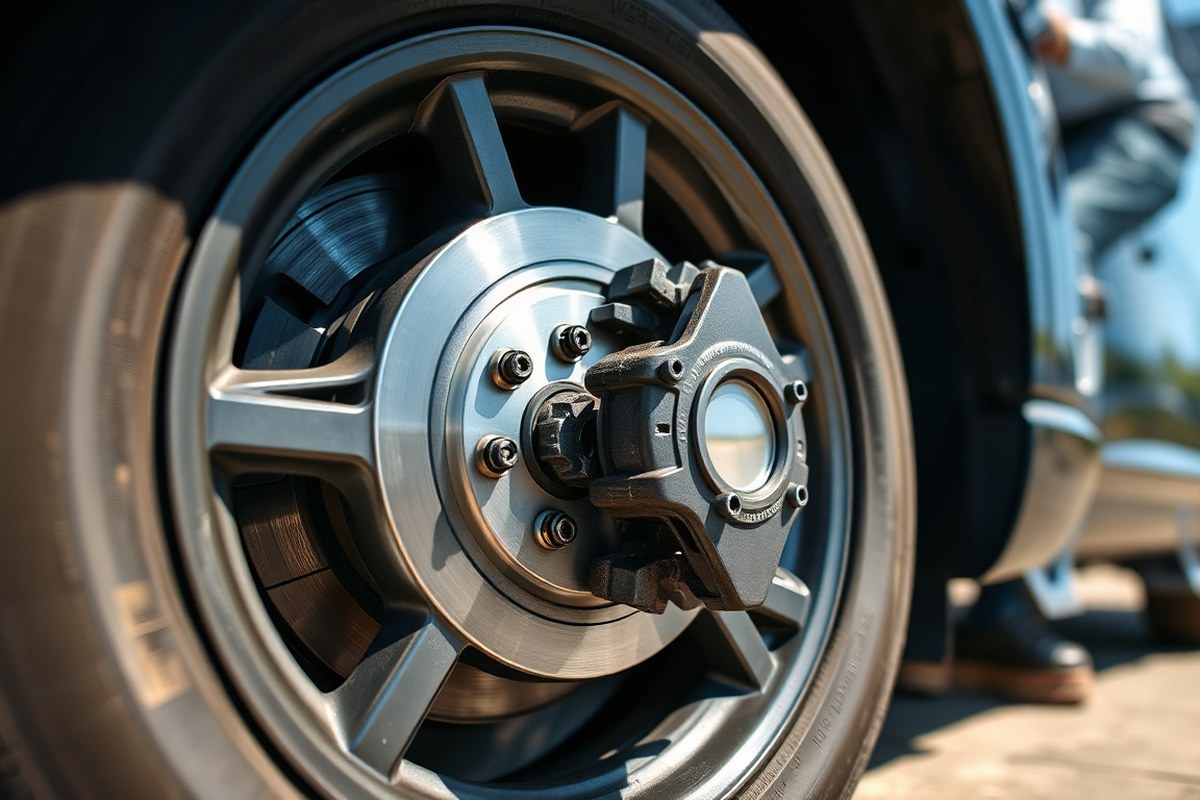
Car Squealing When Driving: A Complete Guide to Causes and Fixes
Car squealing when driving usually signals worn or loose parts that need attention. Most often, it points to your brakes or belts needing repair or replacement. Finding the source of the noise quickly helps prevent further damage.
Pay close attention to when and where the squeal happens. Notice if it occurs during braking, steering, or just while the engine runs. This information helps identify if the problem is with brakes, belts, or another part.
Worn brake pads often cause squealing when you apply the brakes. Loose or cracked belts can also create high-pitched noises during acceleration. Catching these early avoids bigger repairs and unsafe driving conditions.
Ignoring squealing risks costly damage to your car’s braking or engine system. Inspect belts for cracks, glazing, or looseness, and check brake pads for wear. Fixing issues soon keeps your car safer and prevents repair bills from growing.
Key Takeaways
- Identify the noise source by noting when and where it occurs while driving.
- Inspect brake pads if squealing happens when you press the brakes.
- Check serpentine belts for cracks or looseness to rule out engine squeals.
- Keep belts replaced every 50,000 to 60,000 miles for best performance.
- Listen for squeaks near wheels to identify suspension or wheel bearing issues.
- Schedule professional alignment after suspension repairs to prevent tire wear.
What Causes a Car to Squeal While Driving?

Squealing while driving usually comes from worn or loose parts in your car. Common sources include brake pads, belts, suspension bushings, or wheel bearings. These parts create noise because they are rubbing or slipping when the car moves.
The sound often changes with speed, braking, or turning. For example, brake squeals happen mainly when you press the brakes.
Squeals that get louder with acceleration often point to slipping serpentine belts under the hood. Steering-related squeals occur during turns, hinting at power steering or CV joint problems.
Squeaking sounds tend to be shorter and often happen over bumps or uneven roads. This usually means worn suspension bushings or ball joints. Squealing noises are higher pitched.
They are sharp sounds. These noises link to belts, brakes, or wheel bearings. Each type tells you where to look first.
The squeal stopping with braking could mean brake pad wear. Wheel bearings worn with age make rhythmic chirping that matches wheel speed.
Power steering problems cause squeals when you turn the steering wheel slowly. Engine belts squeal loudly on cold starts and fade as the engine warms up.
Identifying the exact cause means observing when and how the noise happens. Try driving at different speeds, braking lightly, or turning the wheel gently.
Notice if the noise changes over bumps or when accelerating. This helps narrow down the area causing the squeal without guessing.
Ignoring these noises can lead to worse damage or safety risks. Worn brakes reduce stopping power, and bad bearings affect handling. Loose belts risk breaking, which could leave you stranded.
Unsure about the noise? Take your car to a mechanic. Getting help early saves money and keeps driving smooth and quiet.
How to Identify Where a Car Squeal Is Coming From

Finding where a car squeal comes from requires good hearing and simple tests. You can figure out if it’s the brakes, belts, or suspension by listening during specific actions. Driving at different speeds and making turns helps narrow down the source.
You’ll need basic tools like a flashlight and some penetrating oil or silicone spray for lubrication. Also, have gloves to protect your hands and maybe a jack to inspect underneath safely. These help you check noisy parts closely without guesswork.
- Drive at low speed and listen if the squeal happens while coasting. This points to suspension or tires rather than the engine.
- Apply brakes gently while moving slowly. A squeal here usually means brake pads or rotors are the problem.
- Turn the steering wheel left and right with the car stationary. Squeaks during steering suggest worn suspension or steering bushings.
- Open the hood and check the serpentine belt for cracks or looseness. Worn belts often cause shrill squealing sounds during acceleration.
- Inspect suspension parts like bushings and joints for dryness or cracks. Spray silicone lubricant on dry points to stop squeaks without harming rubber.
- Lift the car carefully with a jack and spin each wheel by hand. Listen for unusual noises or resistance from wheel bearings.
- Drive over small bumps slowly and notice if the sound changes. This helps detect suspension shocks or mounts causing squeaks under stress.
- Note the exact conditions when noise occurs and check parts accordingly. Matching sound patterns to testing steps shows the likely cause clearly.
Avoid spraying lubricant directly on brake pads or rotors; it reduces braking safety.
Lubricating suspension joints with silicone spray keeps parts smooth without attracting grit. Avoid grease unless recommended for your vehicle, since it can gum up bushings. Always clean dusty, dirty parts first to help lubricant work better and last longer.
These tests usually take 30 to 45 minutes for most cars. Being systematic helps you find the squeak source without pricey mistakes. Remember, identifying the right problem can prevent costly repairs later.
Brake System Squeals: Causes, Signs, and Solutions
Brake system squealing mostly comes from worn pads or rotor problems. Dirt or dust on brake parts can also cause squealing sounds.
Each causes a distinct noise that you can track with your car’s braking feel. Fixing these problems keeps your brakes safe and stops the annoying sound quickly.
Worn Brake Pads and Indicators
Brake pads get thinner with use. They have a safety feature that makes a squealing noise when pads are low. The squeal happens when about 2mm of pad remains.
This warns you to replace them before damage starts. Ignoring this means metal-on-metal contact, which can ruin rotors and increase repair costs.
You should replace brake pads every 25,000 to 70,000 miles, depending on driving style. Hard braking wears pads faster, sometimes needing replacement at 25,000 to 30,000 miles. Gentle drivers may get 60,000 to 70,000 miles before pads need changing.
Brake Rotor Damage and Contamination
Rotors with grooves or warping make brakes squeal throughout the whole braking process. This noise may come with a shaking brake pedal or reduced stopping power. Dirt or small stones can get between the pad and rotor.
This causes squealing or grinding noises. The noise often stops after a few brake presses.
Brake dust buildup is a common squeal cause. Fine metal particles from pad wear collect on rotors and pads, creating friction noises.
Brake dust makes a softer squealing sound. It still needs rotor cleaning to keep brakes working well and quiet.
Fixing and Maintaining Brake Components
Changing brake pads on one axle costs $150 to $300 at shops. If you do it yourself, the parts cost $30 to $100. Cleaning rotors costs about $50 to $100 with labor or under $15 for just the cleaner.
Getting caliper slide pins greased professionally costs $50 to $100. Doing it yourself with special grease costs about $10 to $20.
Keeping brake parts clean and lubricated stops squealing and wear. Check for dust and dirt during regular maintenance and clean rotors if needed.
Replacing pads, cleaning rotors, and lubricating calipers helps brakes work better. These steps also prevent expensive repairs down the road.
Belt and Pulley Issues Causing Engine Squealing Noises
A loose or worn serpentine belt often causes engine squealing noises. These belts stretch and crack over time. They can also get a smooth, glazed surface.
This reduces their grip on pulleys. This slipping creates a high-pitched squeal that usually happens on cold starts or when accelerating.
You can spot a loose belt if the squeal fades as the engine warms up. That means the belt tightens slightly with heat but still isn’t gripping well when cold.
A worn belt may also look cracked or shiny. It should be replaced before it breaks.
Replacing a serpentine belt typically costs between $25 and $60 for the part. Labor costs depend on your car’s engine layout. Costs also rise if parts like the tensioner need replacing.
Inspect or replace the belt about every 60,000 to 100,000 miles. This helps you avoid sudden failures.
The squealing often gets louder when you accelerate from a stop. The belt handles more load, causing it to slip if loose. Damage also makes slipping worse on pulleys.
Misaligned pulleys can cause squealing noises. Failing bearings in parts like the alternator or water pump do too.
Low or dirty power steering fluid can cause squeals too. Low or dirty fluid can cause the pump to cavitate. Cavitation means it pulls air instead of fluid.
This makes whining or squealing noises. You might notice this sound when you turn the steering wheel.
Check your power steering fluid regularly, and add the right type if needed. The noise may keep going.
Have a mechanic drain and replace the fluid to prevent pump damage. Ignoring this can lead to harder steering and costly repairs.
Suspension and Steering Components That Cause Squeaking
Worn bushings are common culprits for squeaking over bumps and during turns. These rubber cushions dry out, crack, or break with age. When that happens, metal parts rub together, creating a sharp, repetitive squeak as the suspension moves.
Ball joints often make a clearer, grating squeak when they wear out. This sound gets louder during slow turns. Tight parking maneuvers put extra stress on joints.
That makes the noise worse. A squeaky ball joint feels loose and can cause unsafe steering if left unchecked.
Shock absorbers also contribute to squeaks if their seals fail or the internal parts wear down. Faulty shocks let suspension hit metal parts harshly. This causes squeaking sounds.
It also makes the ride bouncy and unstable. Repairing shocks usually means replacing them.
This can cost about $200 to $400 per pair. The price depends on your vehicle.
Tie rod ends, which connect the steering rack to the wheel, often squeak when worn. You’ll hear this noise mostly during slow, sharp turns. It sounds like a high-pitched creak and sometimes feels like slight looseness in steering.
Low or dirty power steering fluid can cause squeaks too, especially when turning the wheel. Over time, fluid levels drop or get dirty. That makes the pump work harder.
It causes whining or squeaking sounds. Checking and topping off fluid is quick.
Flushing the fluid every 50,000 miles is best. This keeps the system working well.
Uneven tire wear and poor alignment aren’t common squeak sources. But severe cases cause your tires to squeal during turns.
This noise means your tires aren’t rolling straight and might wear out faster. A professional can test alignment in about 30 minutes to prevent this problem and improve handling.
Mechanics check several parts to pinpoint suspension squeaks. They check bushings for cracks and dryness. They test ball joints with hand pressure.
Finally, they look for leaks in shocks. Tie rods get rotated and checked for looseness. This thorough inspection can take 45 minutes to an hour and reveals what needs immediate repair.
To lubricate suspension parts safely, use a high-quality silicone or lithium-based grease designed for car components. Avoid general oils, which attract dirt and cause more wear. Apply grease to ball joints and tie rods through their grease fittings.
Use a grease gun every 6 to 12 months. This keeps parts moving smoothly.
Don’t ignore squeaks during turns or bumps. They often signal worn suspension parts that can affect your car’s safety.
How Tires and Wheel Bearings Affect Squeaking Noises
Low or uneven tire pressure often causes squeaking noises while driving. Underinflated tires flex more and rub oddly, creating sounds, especially at low speeds or when turning.
Check your tire pressure using a gauge. Digital ones cost around $10 to $30 and give the most precise readings.
Uneven tire wear often points to alignment problems or worn suspension parts. Look for scalloped or cupped tread patterns, which cause your tires to squeak as they roll. Scheduling an alignment can stop this noise and extend your tire life.
Worn wheel bearings frequently produce a squeaking or humming noise that changes with speed. The sound gets louder or changes pitch during turns.
This happens because the car’s weight moves onto one side’s bearings. The noise coming from one wheel might mean worn bearings.
Here are common tire and bearing problems. You can check these issues easily. Then decide your next step.
| Issue | How to Check | Typical Cost or Action | Signs to Watch For |
|---|---|---|---|
| Low Tire Pressure | Use a digital tire gauge to check; compare to recommended PSI on door placard | $10-$30 for gauge; inflation is inexpensive at gas stations | Flexing tires, squeaks at slow speed, poor handling |
| Uneven Tire Wear | Inspect tread for cupping or scalloped edges | $50-$100 for a wheel alignment service | Squeaking during motion or turns, reduced tire lifespan |
| Misalignment | Steering pull or uneven tire wear noticed during inspection | Alignment service needed; prevents further wear | Vehicle drifts, squeaks, or vibrations |
| Worn Wheel Bearings | Listen for rhythmic squeaking/humming increasing with speed; check noise during turns | $150-$400 to replace bearings; professional inspection advised | Squeak grows louder with speed, noise shifts when turning |
Check your tires often and keep pressure at the manufacturer’s suggested level. Uneven wear can mean your wheels are misaligned or suspension parts need replacing. These problems also lead to squeaking sounds while driving.
Wheel bearings should be inspected by a mechanic if you suspect an issue. Ignoring worn bearings can worsen the noise and affect driving safety over time. A professional can confirm bearing wear and handle the repair safely.
Safe Driving Practices When Your Car Is Squealing
Driving with a squealing car can be safe if the sound is minor. It should not come with other problems. Check for other issues just to be sure.
Belt chirps often happen during cold starts. They usually stop once the engine warms up. This noise alone is often not a big problem.
These sounds usually mean you still have time to plan a repair without urgent worry. Keep an ear out for squeals that last beyond warm-up or get worse while driving. Those signs suggest the belt needs fixing within a few weeks to avoid bigger damage.
It is unsafe to drive if the squealing comes with certain warning signs. Stop immediately if you hear grinding noises or notice a burning smell. These mean parts are rubbing the wrong way and might soon fail.
Also, stop if you see brake warning lights or your car’s handling feels off. Continuing to drive in these cases risks losing brake function or getting into an accident. Ignoring these signs can lead to big costs.
Complete brake failure needs costly fixes. It might also require emergency towing.
Cold or wet weather often makes squeals louder or more frequent. But that doesn’t always mean danger. Many squeaks linked to moisture resolve after the road or engine dries.
If squealing gets louder or brakes feel weak, get a mechanic’s help. This is especially true during wet weather. Don’t wait to have the car checked.
Use caution because slippery roads plus weak brakes increase risk substantially. The safest choice is not to ignore noises that worry you.
Avoid driving if the noise changes how your car runs. It can be a sign of a bigger problem.
Looking out for brake pad thickness helps decide if you should keep driving. Pads thinner than about 3 to 4 millimeters need fast replacement to keep braking safe. Pads that squeal but measure thicker often only need cleaning or lubrication to stop the noise.
You don’t need tools to check for some problems yourself. It’s okay if you can’t do it on your own. A mechanic can help you with that.
Take your car to the shop quickly if it starts squealing. This lets the mechanic find the problem early.
Early checks help avoid urgent repairs later. Spending $100 to $200 on a brake job early may save thousands later.
Small squeals don’t always mean stop driving right away, but never ignore them. Pay attention to any new smells, dashboard lights, or changes in driving feel. Always pull over safely if something feels wrong and call for help if you’re unsure.
Your brakes and belts keep you on the road. Fixing squeals early keeps you safer and avoids big repair bills later on.
DIY Fixes and Maintenance to Stop Car Squealing
Stopping car squealing often starts with simple, low-cost fixes you can do yourself. Checking and topping fluids, cleaning brake dust, and lubricating parts usually help. Some repairs, like belt or pad replacement, take more work.
You might spend extra time but still save money. These fixes are usually worth it compared to shop costs.
Power Steering and Brake Fluid Top-Ups
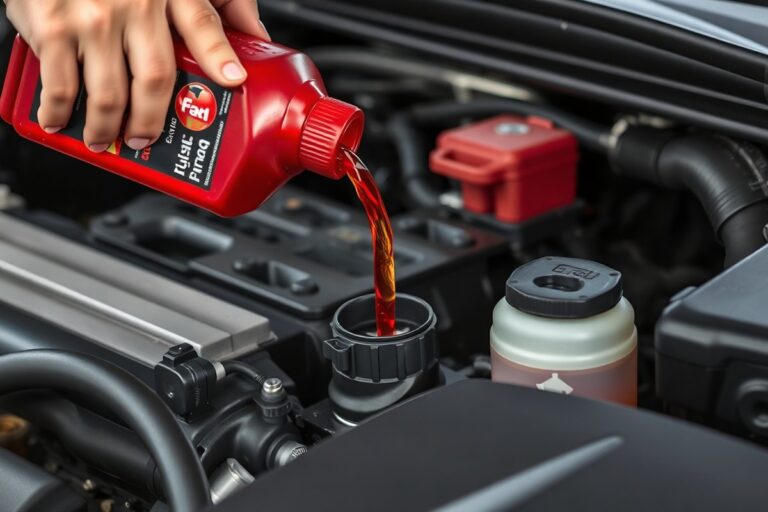
Low fluid levels often cause squealing noises when steering or braking. Power steering fluid lubricates the pump and helps steering assist. Brake fluid flushes or top-ups keep the braking system working smoothly and prevent noise.
Open the hood and check the power steering reservoir. Check if the fluid is below the minimum mark. Add the correct fluid type slowly.
Brake fluid is similar. It’s in a small reservoir near the driver’s side. You can check it easily under the hood.
- Use the correct fluid type from the owner’s manual.
- Top off fluids to the “full” or “max” line only.
- Wear gloves and clean spills to avoid damage.
- Check for leaks if you need to add fluid often.
- Replace brake fluid every 2 years or 24,000 miles as maintenance.
- Refill in a clean environment to avoid contamination.
Repeatedly topping power steering fluid hints at leaks needing a mechanic’s help.
Cleaning and Lubricating Brake and Suspension Parts
Brake dust buildup causes squealing that stops after cleaning. You can spray brake cleaner on the wheel hubs and calipers. It removes grease, dust, and road grime that cause noise when braking.
Squeaks can also come from dry suspension parts like bushings and joints. Apply a spray lubricant made for rubber and plastic boots around control arms or stabilizer links. This prevents squeaks without harming rubber parts.
- Use brake cleaner spray ($5, 8) from any auto parts store.
- Spray suspension bushings with silicone or lithium-based lubricant.
- Remove surface dirt with a stiff brush before spraying.
- Avoid getting lubricant on brake pads or rotors.
- Re-lubricate suspension parts every 6 to 12 months to prevent noise.
Don’t use WD-40 on suspension parts; it can dry out rubber components.
Replacing Belts and Brake Pads Yourself
Worn belts and brake pads cause persistent squealing that cleaning won’t fix. Replacing serpentine belts can cost $20 to $50 for parts. You’ll need some basic hand tools.
This can save you labor costs at the shop. Brake pads cost $30 to $75 per axle if done yourself.
Check the belt for cracks, fraying, or glazing before replacement. Brake pads wear indicator squeals when pads are near the end of life. Swap pads by lifting the car, removing the wheel, then the caliper and old pads.
- Use a jack and safety stands securely for brake pad replacement.
- Refer to a repair manual or online tutorial specific to your car model.
- Tighten and torque bolts to manufacturer specs after installation.
- Replace brake hardware and lubricate caliper slides when possible.
- Serpentine belt replacement often needs loosening the tensioner pulley first.
- Test drive after repairs to confirm squealing disappears.
Never drive with worn brake pads; it risks brake failure and safety.
When to Consult a Mechanic for Squealing Noises
You should see a mechanic for squealing noises that last. It helps if the sound relates to brakes, steering, or suspension. These parts affect your car’s safety and comfort.
Delaying professional help can make problems worse and more expensive. A mechanic uses specific checks to find the cause and fix it safely.
Identifying Warning Signs and Urgency
Persistent squealing when braking or turning needs prompt attention. These sounds often signal worn brake pads or failing wheel bearings. Ignoring them can lead to worsened damage and higher repair costs.
The noise may change while you accelerate or drive steadily. This change could mean a problem with belts, pulleys, or engine parts. Sudden or very loud squeals should not wait.
Getting the car checked soon prevents safety risks. Also, if you notice vibrations or pulling while driving, seek service quickly.
Typical Diagnostic Procedures at Shops
Mechanics start by road-testing your car to hear the noise and gather details. They then inspect brakes, belts, pulleys, suspension, and wheel bearings for wear or damage. Brake systems usually require removing wheels for a close look.
Mechanics may use diagnostic tools like chassis ears or stethoscopes to pinpoint squeaks in hard-to-reach areas. They check belt tension and pulleys for signs of slipping or damage. Bearings get tested for play or roughness by rotating wheels with the vehicle lifted.
Repair Timeframes and Cost Ranges
Simple fixes like topping off fluids or tightening belts can take less than an hour. These repairs usually cost under $20. They help stop squealing noises quickly.
Brake pad replacements mostly take 1 to 2 hours. Parts and labor range from $100 to $300 depending on your car. Wheel bearing replacements last 2 to 4 hours and cost $150 to $450 per wheel.
Delays in repair make problems worse and can escalate costs dramatically. Worn bearings can lead to hub failure that may exceed $1,000. Also, damaged brakes affect stopping ability and risk safety, so prompt repair is best.
Step-by-Step Action Plan for Fixing Your Car’s Squealing Noises
Follow these steps to find and fix the squealing noise your car makes. Check after each step to see if the noise stops.
- Day 1: Listen carefully while driving at different speeds. Try to pinpoint if the squeal happens when braking, turning, or idling.
- Day 2: Look under the hood and check if the belts are loose or worn. Tighten or replace any damaged belts and run the engine again.
- Day 3: Inspect the brake pads and rotors for wear or buildup. Replace pads or clean rotors if you see damage or rust.
- Week 1: Check your tires and wheel bearings for signs of wear or damage. Rotate tires or replace bearings if needed, then test drive.
- Week 2: Examine suspension and steering parts like bushings and joints for dryness or cracks. Apply lubricant or arrange repairs if squeaking persists.
- Week 3: Clean door hinges and linkage rods. Lubricate these moving parts. They can cause squeaks while driving.
- Week 4: Take your car for a professional inspection if the squealing continues. A mechanic can find hidden issues and fix them safely.
Frequently Asked Questions
Can I Still Drive If My Car Is Squeaking?
You can usually drive a bit with squeaking, but don’t ignore it. The noise often means something needs fixing. Driving too long may cause more damage.
It could also be a safety risk. Have it checked soon to avoid bigger problems.
What Could Be Causing a High-Pitched Squeal from My Car When I Move It?
A high-pitched squeal when moving usually comes from worn brake pads or a slipping serpentine belt. Keep an ear on when the noise happens; it helps identify the cause faster. Get it inspected to avoid critical failures.
How Do I Get My Car to Stop Squealing?
Fix the squealing by addressing the worn parts or loose belts first. Regular maintenance like brake pad replacement and belt checks can prevent most squeals. Clean dirty parts and replace what’s worn for lasting silence.
What Does a Squeaking Ball Joint Sound Like?
A squeaking ball joint makes a creaking sound when turning. It also pops when you go over bumps.
It’s an indicator the joint is drying out or damaged. Don’t delay replacement; it affects your steering and safety.
Why Does My Car Squeal Only When Turning the Steering Wheel?
Squealing when turning usually means power steering issues or worn CV joints. The noise comes from parts under stress during steering. Check fluid levels and get worn parts fixed to stop the noise and avoid steering trouble.
Before You Go
Squealing while driving is a sign that something needs attention. Take one clear step today to check belts, brakes, or tires. Fixing small problems early can save you money and keep your car safe.

2 Comments