How Long Should a Motorcycle Battery Last – a Complete Guide That Works
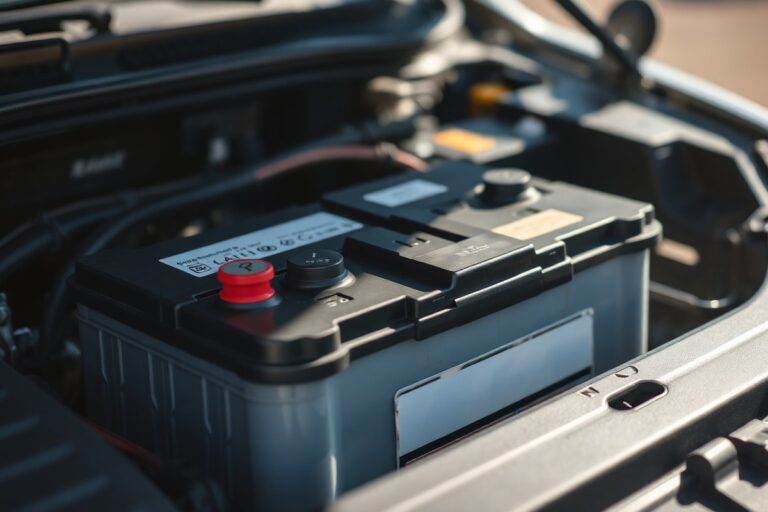
How long should a motorcycle battery last is a common question. Most batteries last between 3 to 5 years. This depends on battery type, care, and usage habits.
Lead-acid and AGM batteries typically last 2 to 5 years depending on conditions. Lithium batteries generally last longer but cost more upfront. Proper maintenance and use habits make the biggest difference in lifespan.
Regular charging, especially during storage periods, prevents deep discharges that damage the battery. Extreme heat or cold can also reduce battery life by causing internal damage. Checking voltage levels every few months helps you catch problems early.
Replacing your battery around that 3 to 5-year mark avoids unexpected failures. Riding frequency and weather exposure influence exactly when you need a new one. Proper care helps you get the most riding miles from your battery investment.
Key Takeaways
- Expect your motorcycle battery to last 3 to 5 years with proper care.
- AGM batteries often reach 5 years if charged and stored correctly.
- Lithium (LiFePO4) batteries can last 5 to 10 years with good charging.
- A lead-acid battery below 12.0V indicates deep discharge and damage.
- Charge your battery regularly, especially before storing for long periods.
- Replace batteries older than 4 or 5 years even if they still start the bike.
How Long Does a Motorcycle Battery Typically Last?

Most motorcycle batteries last between 2 and 5 years under normal use. Lead-acid batteries typically last about 2 to 3 years. AGM batteries usually last 3 to 5 years.
Some can reach 8 years with care. Proper maintenance helps them live longer.
Lithium Iron Phosphate (LiFePO4) motorcycle batteries often last much longer. Their lifespan ranges from 5 to 7 years or more. Some high-quality lithium batteries can reach 8 to 12 years with proper charging and care.
Battery quality affects how long your battery lasts. Premium batteries cost more but usually last longer than generic ones. A lithium battery costs two to three times more than AGM.
But it lasts two to three times longer. This can save money over time.
| Battery Type | Average Lifespan |
|---|---|
| Conventional Lead-Acid | 2, 3 years |
| AGM (Absorbent Glass Mat) | 3, 5 years |
| Lithium Iron Phosphate (LiFePO₄) | 5, 7+ years |
| Other Lithium Chemistries (e.g., NMC) | 4, 6 years |
The exact lifespan depends on riding and storage habits too. Batteries that stay charged and are kept at moderate temperatures last longer. Poor maintenance, extreme heat, or letting a battery discharge deeply all shorten life.
Expect an AGM battery to last 3 to 5 years. Riding often and good storage help. Proper care extends its life.
Lead-acid batteries usually need replacement sooner, around 2 to 3 years. Lithium batteries cost more upfront but hold value with their 5 to 10-year range.
What Battery Types Are Used and How Their Lifespans Compare
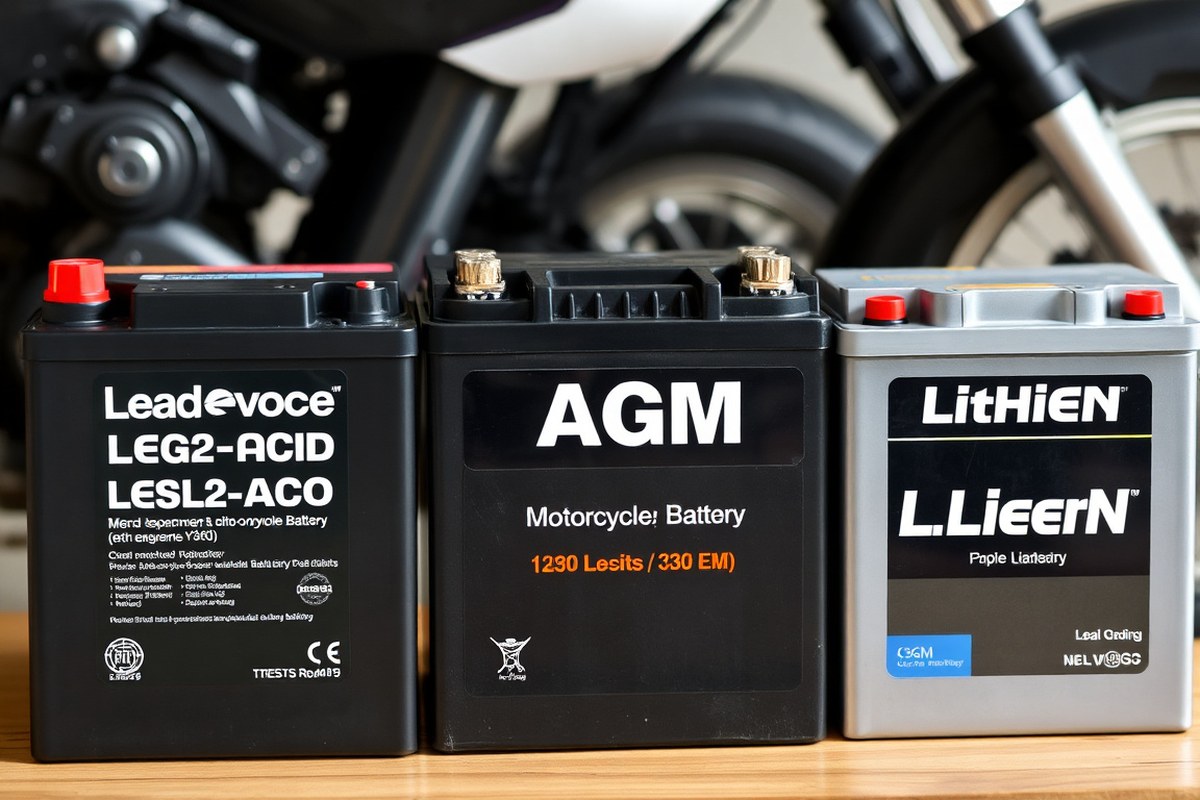
Motorcycle batteries come mainly in lead-acid, AGM, gel, and lithium types, each lasting different lengths. Lead-acid and gel batteries usually last 2 to 5 years.
Lithium-ion batteries generally last much longer, around 5 to 8 years or more. Your riding style and maintenance habits can influence which battery type suits you best.
Lead-Acid and Flooded Batteries
Flooded lead-acid batteries are the traditional type with liquid electrolyte inside. They usually last between 2 and 3 years under normal use but need regular checks. You must keep electrolyte levels correct and avoid overcharging to prevent sulfation and water loss.
These batteries require maintenance like topping up distilled water and careful charging. They are cheaper but less vibration-resistant and heavier, which can affect small or off-road bikes. Leaving them undercharged for long periods speeds up their failure.
Absorbent Glass Mat (AGM) Batteries
AGM batteries are sealed lead-acid types with fiberglass mats absorbing the electrolyte. They last about 3 to 5 years and need no water top-ups, making maintenance easier. AGM also offers better resistance to vibration, which suits many motorcycles.
You should avoid using a charger designed for flooded batteries on an AGM battery. Also, cold temperatures and leaving the battery uncharged for long times can damage it. AGM batteries cost more than flooded types but tend to deliver more reliable power.
Lithium-Ion and LiFePO4 Batteries
Lithium-ion batteries last 5 to 8 years or longer with care. LiFePO4 types are especially durable. Proper maintenance helps maximize their lifespan.
These batteries weigh less than others. They often work for over 2,000 charge cycles.
Capacity stays good much longer with them. These batteries discharge slowly when stored, which helps for long-term storage.
Heat and repeated deep discharges reduce lithium battery life faster, so avoid those conditions. You need chargers with the right voltage settings for these batteries. Many also have a Battery Management System (BMS).
The BMS helps protect the battery. Lithium batteries cost more upfront but suit riders who want longer-lasting and lighter power sources.
Keep flooded lead-acid batteries topped with distilled water and never let their voltage drop below 12.4V.
Which Factors Most Affect Motorcycle Battery Life?
Riding frequency and trip length directly affect your motorcycle battery’s health. Short rides often don’t fully recharge your battery. This means repeated short trips cause slow battery discharge and reduce its lifespan.
Long, steady rides let the alternator recharge the battery fully. This keeps the battery healthy.
Temperature plays a big role too. Extreme heat speeds up chemical reactions inside the battery, which wears it out faster. Cold weather reduces the battery’s ability to deliver power and slows the recharge process.
Store your bike in a warm, dry place. Use insulation or a battery warmer to prevent cold damage.
Electrical accessories like extra lights or heated gear increase the load on your battery. They drain power even when your engine isn’t running. This parasitic drain slowly lowers the battery voltage and shortens its usable life.
Fix the electrical system to stop needless battery drains. Unplug extras when you don’t use them.
- Ride long enough for a full recharge, ideally 20 minutes or more.
- Avoid leaving your bike inactive for weeks without a battery maintainer.
- Store your motorcycle in a temperature-controlled, sheltered place.
- Disconnect or turn off unused electrical accessories to reduce drain.
- Monitor and fix charging system issues like undercharging or overcharging.
- Check battery voltage regularly, especially after cold starts or storage.
- Use insulation wraps or battery warmers in extreme weather conditions.
Ignoring these factors risks deep discharge or sulfation, which can kill your battery early. Checking your charging system ensures your battery gets the right voltage every time. A healthy battery typically sits just above 12.6 volts when fully charged.
See volts fall below 12, check the charging system right away. Low volts can harm the battery.4 after riding, you likely need to inspect your setup.
Every battery type handles these stresses differently. But all suffer from poor riding habits, harsh environments, and extra electrical load.
How you ride, store, and gear your bike protects your battery. This helps avoid breakdowns and costly replacements.
How Do Riding and Charging Habits Impact Battery Longevity?
Frequent short rides can shorten your motorcycle battery’s life. Each trip uses power.
But the engine doesn’t run long enough to fully recharge the battery. After many short rides, the battery stays undercharged and weakens over time.
Accessories like heated grips or lights running during short trips also drain the battery faster. Loose or corroded connections make it harder for the charging system to restore full power. Take longer rides with the engine running steady for 20 minutes.
This helps keep the battery charged properly. Try to avoid short rides that don’t fully charge it.
Charging your motorcycle battery properly helps it last longer. Use a smart charger designed for motorcycle batteries to avoid overcharging or undercharging. These chargers adjust voltage and current automatically to match your battery’s needs.
Start by fully charging your battery after longer rides or storage. Top off your battery charge now and then. Don’t leave the charger plugged in for days.
Long charging like that can stress the battery. A good routine is to charge every few weeks during storage or after short rides.
Overcharging causes heat build-up that damages the plates inside the battery. Undercharging lets sulfates build up, reducing capacity and causing early failure. Always check your charger specs to match your battery type, especially for sealed or AGM models.
Let the battery rest for about four hours before testing its voltage after charging or riding. This step removes temporary surface charge and gives an accurate health reading. The battery needs more charging or replacement if the voltage stays low.
Change your charging routine if your battery frequently shows low voltage or slow starts. A smart charger switch costs $30 to $70.
It helps extend your battery life and saves money. Consistent charging keeps your battery ready and prevents unexpected breakdowns.
How to Identify Early Signs Your Motorcycle Battery Is Failing
Slow engine cranks are a clear sign your battery is weakening. The engine turns over slowly when you hit the starter.
The battery is having trouble providing enough power. This can happen well before the battery fails completely, so don’t ignore it.
Dim headlights at key-on also warn of battery trouble. The lights look much weaker than usual during startup. This means the battery isn’t holding a full charge.
You might hear repeated clicking sounds from the starter. This shows the battery voltage drops under load.
Checking battery voltage helps spot problems early. A fully charged 12-volt motorcycle battery should read about 12.6 volts or higher at rest. Reads below 12.4 volts suggest a weak battery.
Anything under 12 volts means the battery is near failure. Testing voltage under load can reveal issues missed by a simple resting voltage check.
Watch for changes in engine or electrical system performance. Your bike struggles to start. Accessories flicker.
The battery case looks swollen. These are warning signs. A swollen case means internal damage from overcharging or heat, which shortens battery life.
Monitor your battery voltage after riding. The voltage regulator keeps charge stable above 2000 rpm. So bike voltage should rise to about 13.5 to 14.5 volts during riding.
The voltage never climbs high or drops quickly after shutting off. This shows your charging system or battery could be faulty.
Test your battery voltage regularly with a multimeter and watch for readings below 12.4 volts at rest.
Long-term neglect drains batteries fast. A typical 10Ah battery drained by 30mA can fail within two weeks without use.
Keep charging or the battery loses capacity and fails without much warning. Replace batteries showing repeated slow cranks or dim lights to avoid getting stranded.
Older batteries lose capacity gradually but show clues first. Most start strong for 2 to 5 years, then problems grow quickly.
Stay alert to slow cranks, dim lights, or unusual clicks. Replacing your battery when these signs appear keeps your rides trouble-free.
When Should You Replace Your Motorcycle Battery?
Test your motorcycle battery if it’s over three years old before riding season. A simple voltage check can show if it holds a charge above 12.4 volts. When voltage is borderline or low, get a professional load test done.
It checks the battery’s real performance under stress. This helps find hidden problems early.
Age alone doesn’t always mean replacement is due. A battery might still start the bike but be near failure.
Batteries older than five years often fail even if they appear okay. Testing helps catch these weaknesses early and guides timely replacement.
Delaying replacement risks sudden battery failure on the road. This leads to inconvenient breakdowns and safety hazards. You could get stuck far away because the battery won’t start the engine.
It’s a tough situation to fix without help. Good battery care can prevent this.
Replace your battery promptly if tests show sub-12.4 volt voltage or fail a load test. Budget $50 to $150 depending on battery type and brand. Installing it usually takes under 30 minutes unless your bike has a complex setup.
For winter storage, test the battery again before spring. Cold temperatures can weaken older batteries more. Testing before the riding season avoids surprises once you want to hit the road.
Test your battery at three years to check its health. Consider replacing it at five years even if it seems fine. Waiting too long can cause unexpected failures.
Voltage below 12 means your battery is weak or failing. It’s a good idea to charge or check it soon.
Don’t wait for a total dead battery.4 volts or performance drops in a load test, replace without delay. This keeps your rides reliable and safe.
How to Extend Your Motorcycle Battery’s Lifespan Effectively
Keeping your motorcycle battery healthy takes steady care. Regular charging, cleaning, and good storage all play key roles. Adding the right products and gear protects your battery over time.
Regular Charging and Use
Keep your battery charged with a charger made for motorcycles. These smart chargers keep the voltage stable between 13.5 and 14.5 volts. Overcharging or deep discharges wear out the battery fast.
Ride at least once a week or charge the battery as needed. Long periods without use can drain the battery and cause it to drop capacity. Regular use helps the battery maintain its chemical balance inside.
Temperatures between 50°F and 80°F are best when the motorcycle is parked. Extreme heat and cold speed up battery damage. Park in shade or a garage if you can.
Cleaning and Terminal Care
Keep battery terminals clear of corrosion. Corrosion looks like white or green crusts on the metal posts. It blocks electrical flow and weakens your battery’s performance.
Once a month, gently clean terminals with a mixture of baking soda and water. Use a soft brush or cloth to scrub dirt and buildup off. Make sure the battery is disconnected before cleaning.
Apply a thin coat of petroleum jelly or a commercial terminal protector after cleaning. It blocks moisture and air, stopping corrosion before it starts.
Using Battery Maintainers and Insulation
Battery maintainers keep your battery topped off without overcharging. They’re small, safe devices that connect while your bike is off for long periods. This avoids a slow drain and keeps the battery ready to go.
Insulating the battery with foam or a cover helps stabilize its temperature. It protects the battery from freezing or overheating when parked outdoors. Choose a cover designed for motorcycles to fit properly.
Here’s a checklist for best battery care:
- Use a smart charger designed for motorcycle batteries.
- Charge or ride every 7 to 10 days max during storage.
- Store battery indoors at 50°F to 80°F if possible.
- Clean terminals monthly with baking soda and water.
- Protect terminals with petroleum jelly or terminal sealant.
- Use a battery maintainer for longer off-season storage.
- Insulate battery to protect against temperature extremes.
Following these steps costs little but takes regular effort. Results show up in your starting power and a lifespan of 3 to 5 years. Neglecting these can cause sudden failure or reduce capacity below half in a year.
Can You Revive a Faulty or Old Motorcycle Battery?
Sometimes you can bring a weak motorcycle battery back to life. Revival is possible if the battery isn’t badly sulfated or physically damaged. For lead-acid types, a deeply discharged battery below 12.0 volts shows active sulfate buildup, which limits recovery chances.
To try restoring a lead-acid battery, first clean the terminals. Then use a smart charger that offers a “desulfation” mode or slow trickle charge. This process usually takes several hours or even a day.
It can dissolve sulfate crystals and improve capacity a bit. But won’t fully fix old, worn-out cells.
You have a LiFePO4 battery. Bringing it back to life is tougher. Charging below 32°F risks lithium plating, which harms battery capacity and may cause shorts inside.
Damage like this can’t be reversed, so replacement is your only option. The battery shows swelling, leaks, or won’t hold charge well. You should replace it after a full recharge attempt.
Charge the lead-acid battery slowly until full. Test its voltage for 12 hours or more. See if the charge holds.5 volts.
The voltage stays low or drops fast after charging. The battery likely won’t recover much.
You can also measure specific gravity with a hydrometer to check each cell. But many riders skip this tool.
Be cautious with old batteries. Attempting revival too often can waste time and risk damage to your bike’s electronics.
Replacement batteries usually cost between $50 and $150 depending on size and type. In many cases, investing in a new battery saves hassle and ensures reliable starts.
Never charge a LiFePO4 battery below freezing temperatures. It causes permanent damage you can’t fix.
How Seasonal and Climate Conditions Change Battery Care Needs
Extreme temperatures affect motorcycle battery life differently. Cold cuts starting power, while heat speeds up aging. Adjusting storage and charging routines by season helps keep your battery healthy.
Cold Weather Effects and Storage Tips
Low temperatures reduce the battery’s ability to deliver power. Below 32°F, your bike may struggle to start because the battery’s chemical reactions slow down. Prolonged cold can cause permanent capacity loss if you don’t take preventive steps.
Store your battery indoors or in a warmer spot when you won’t ride for weeks. A pantry or heated garage wall around 50° to 70°F works well. Use a smart charger that maintains a steady charge without overcharging to prevent freezing.
Check battery voltage monthly during winter storage. A fully charged 12V battery measures about 12.6 volts or more.
Charge it back up if it dips below 12.4 volts. Keeping a steady charge stops sulfation, which harms battery plates.
Hot Weather Risks and Care Strategies
High heat accelerates the chemical breakdown inside your battery. Temperatures above 95°F speed corrosion on battery plates, which lowers your battery life. This damage builds faster when your bike sits unused in direct sun or a hot garage.
Park your motorcycle in the shade or indoors during hot months. When covering it isn’t possible, use a breathable tarp to reduce heat.
Avoid running a battery down completely in summer. Recharge it regularly to slow heat damage.
Top up fluid levels monthly for flooded lead-acid batteries in hot climates. Use distilled water only.
Neglecting this leads to faster evaporation and plate exposure, causing premature failure. A hydrometer can help you check battery strength if you know how to read it.
Humidity and Vibration Considerations
High humidity worsens corrosion on battery terminals and connectors. This can increase resistance and reduce power flow. Clean terminals with a wire brush every few months.
This helps stop rust from building up. Rust is worse in damp climates.
Vibration from rough roads or off-road riding can loosen battery parts or connections over time. Secure your battery tightly using the mounting bracket or foam padding designed for your bike model. Loose parts cause electrical shorts that may kill your battery faster.
Seasonal moisture from rain and dew call for waterproof covers or cases. Not sealing the battery well lets moisture in, which sparks corrosion inside. Check seals after rides in wet weather and dry connectors if needed before the next start.
Step-by-Step Battery Care Plan for Your Motorcycle
Follow these steps to keep your motorcycle battery in good shape and last longer.
- Day 1: Check your battery terminals for corrosion or loose connections. Clean or tighten them to ensure proper contact, which helps start your bike easily.
- Week 1: Measure your battery’s voltage with a multimeter. Aim for a reading of about 12.6 volts when fully charged. Charge it before your next ride when the level is low.
- Week 2: Run the engine at 3000 rpm. Then check the voltage again to inspect the charging system. It should read between 13.5 and 14.5 volts, confirming the stator is charging well.
- Month 1: Avoid short rides under 10 minutes often. Take longer rides to fully recharge your battery and prevent sulfation buildup.
- Every 3 Months: Use a battery tender if you don’t ride regularly. It maintains a full charge without overcharging, especially in winter or off-season storage.
- After 6 Months: Test your battery at a shop if it won’t hold charge. Replace it if your bike starts slowly. Waiting too long can leave you stranded.
- Each Riding Season Start: Apply dielectric grease on terminals to prevent corrosion. This keeps electrical flow steady and prolongs battery life.
Frequently Asked Questions
How Long Should a Motorcycle Battery Last Under Normal Use?
Most motorcycle batteries work well for 3 to 5 years with normal use. Good care and proper storage might help them last longer than five years.
How Long Does an AGM Motorcycle Battery Typically Last?
AGM motorcycle batteries usually last between 3 to 5 years, depending on use and maintenance. They hold charge well but still need regular charging, especially if the bike sits unused.
What Are the Main Reasons a Motorcycle Battery Might Fail Early?
Early battery failure usually comes from poor charging, lack of use, or harsh weather. Keeping the battery charged and storing the bike properly helps avoid this.
How Often Should You Replace Your Motorcycle Battery?
Replacing a motorcycle battery every 3 to 5 years is wise to avoid unexpected failures. Notice your bike struggles to start or the lights seem dim? Check the battery’s health right away to avoid surprises.
Can You Revive a Motorcycle Battery That Seems Dead?
Sometimes you can revive a weak battery with a slow charge or desulfator. But if it’s old or deeply discharged, replacement is usually the safest choice.
The Bottom Line
Your motorcycle battery usually lasts around 3 to 5 years depending on care and conditions. Checking voltage regularly avoids unexpected failure. Take action now by inspecting your battery terminals and measuring voltage today.