Can You Drift with Front Wheel Drive? A Complete Guide with Techniques & Tips
Yes, you can drift with front wheel drive. But it’s harder than with rear wheel drive.
Front wheel drive cars usually understeer, making slides tougher to control. You need to change your techniques and focus on throttle and steering.
Front wheel drive drifting feels more like a push or a slide. You use the handbrake and clutch kicks to break rear traction and start the drift. Holding the drift means steady counter-steering and smooth throttle control to avoid spinning out.
Start with the right entry speed, around 15 to 25 mph in second gear. This speed lets the car settle into the slide without losing front grip. Watch the car’s reaction and steer away when it reaches 5 to 10 degrees of drift angle.
Key Takeaways
- Front wheel drive cars understeer, needing different drift techniques than rear wheel drive.
- Use the handbrake and clutch kick to break rear traction on a FWD car.
- Build entry speed around 15 to 25 mph in second gear for stable slides.
- Counter-steer firmly to control the car once the rear starts sliding.
- Move the steering wheel away from the turn’s start spot after 5, 10 degrees of drift.
- A smooth throttle helps maintain the drift without causing spinouts or recovery stalls.
Can Front Wheel Drive Cars Actually Drift?
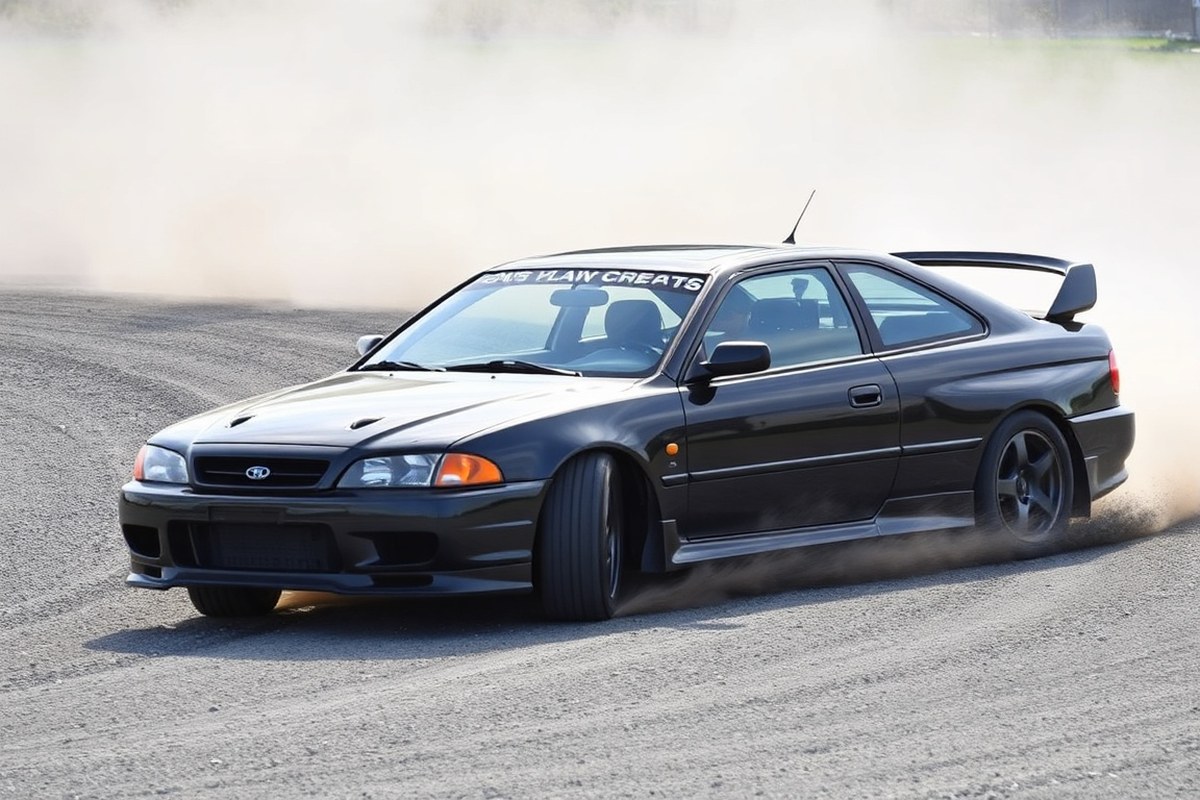
Yes, you can drift a front-wheel drive car, but it is tricky. Drifting requires controlled oversteer, which means the rear tires lose grip while the front tires pull. FWD cars naturally pull into a turn, making it hard to keep the rear sliding.
FWD cars usually understeer, pushing wide in corners. This works against drifting because the front wheels handle both steering and power delivery. Without a limited slip differential (LSD), power goes to the wheel with less grip.
This kills the drift. The slide ends as soon as it starts.
To drift an FWD car, you rely on weight transfer and traction tricks. Braking hard before a turn shifts weight to the front tires. This helps the front tires grip better.
It allows the rear tires to slide out. Then, you must counter-steer and control throttle carefully to maintain the slide.
The lift-off oversteer technique fits well with FWD drifting. You let off the throttle quickly when entering a corner. This causes the rear wheels to loosen.
Weight shifts forward, helping the slide. This causes a mild slide, which you steer into with quick, precise counter-steering.
Powerful engines and clutch-kicking help with RWD drifting. FWD drifters rely on handbrake or braking instead. These tools break rear traction on slippery surfaces.
These methods allow the rear end to break loose. But the slide is softer and less dramatic than RWD drifts.
Without special modifications like LSDs, drifting an FWD car costs more effort and patience. The slide usually stays short and ends fast. This happens because the open differential sends power unevenly.
It limits how far the car slides. Still, with practice in a safe, open spot, you can make it happen.
Why Drifting Front-Wheel Drive Is More Challenging
Why Front-Wheel Drive Cars Understeer
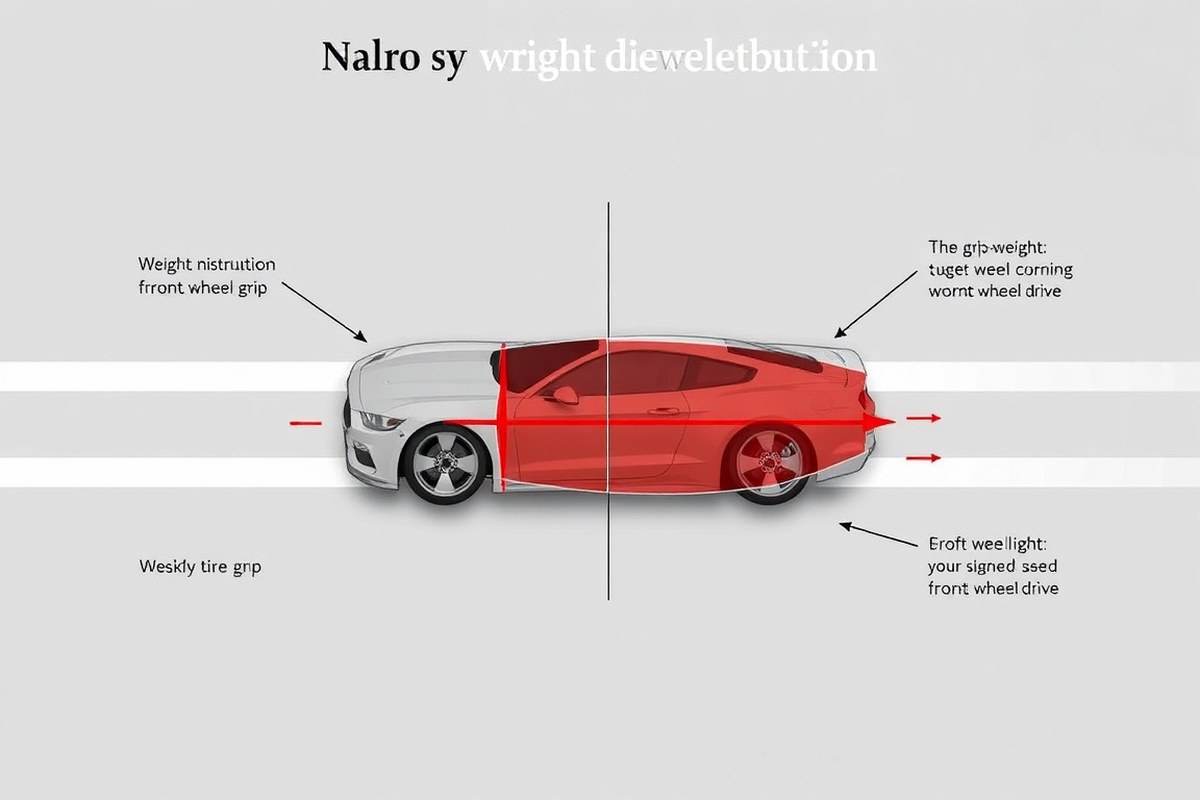
Front-wheel drive cars usually understeer because the front tires do both steering and pulling. The engine sits over the front wheels, adding weight and traction there. This extra weight makes the tires want to push straight instead of turning sharply.
When you corner, the weight shifts forward, pressing the front tires down more. This weight transfer helps grip the tires.
It also makes the rear end slide harder. Instead of pivoting on the rear like drifting, front tires pull straight.
Weight Transfer Limits in FWD Drifting
Shifting weight onto the front wheels is key to driving a front-wheel car. But it also limits drifting.
You need enough weight up front for steering and power delivery. Still, you want the rear light enough to break traction and slide.
That balance is tricky. The weight can stay too far forward. Then the rear wheels grip too well and block a drift.
You often brake or lift off the throttle fast. This shifts weight forward and loosens the rear.
How Front Wheels Pull Affects Drift Control
The front wheels in a FWD car pull the vehicle forward and help steer. The pulling action means no torque goes to rear wheels. They don’t spin the car sideways.
You must use tricks like lifting off gas or braking. This unsettles the rear wheels.
This method differs from rear-wheel drive cars. Rear wheels push power and cause oversteer naturally.
Front-wheel drive drifting needs patience and precise inputs. You must keep the sliding rear from gripping.
Comparing Drifting Difficulty: FWD vs. RWD
Drifting is harder in front-wheel drive cars than rear wheel drive cars because FWD resists oversteer. Rear-wheel drive cars rotate more easily since the engine’s power is sent to the rear wheels. This makes it simpler to break traction and hold a drift.
FWD cars need stronger brake or weight tricks. This slides the rear wheels, making it harder. Without enough power or proper technique, the car will push and understeer instead of drifting smoothly.
Don’t expect rear wheels in FWD to break loose just by gas. You must manage weight transfer and braking carefully.
Effective Techniques to Drift a Front-Wheel Drive Car
You can drift a front-wheel drive car using three main moves. These are lift-off oversteer, handbrake turns, and clutch kicks.
Each one makes the rear wheels lose grip to start sliding. Getting the timing and feel right is key to smooth drifting.
Lift-Off Oversteer Explained
Lift-off oversteer happens when you quickly release the throttle entering a corner. The sudden weight shift forwards loosens the rear tires, making the back slide out. It’s a gentle way to start a drift without needing extra controls.
This method works best on medium-speed corners with a smooth surface. You don’t need special parts, just a steady steering input combined with throttle release. It’s the safest FWD drift technique to practice first.
- Approach the corner at a moderate speed and stay in gear.
- Keep the steering steady while accelerating in a straight line.
- Just before turning, quickly lift your foot off the gas pedal.
- Feel the rear start to lose grip and slide outward.
- Steer into the slide to maintain control and balance.
- Gradually apply throttle again to stabilize the car.
- Exit the corner while continuing smooth steering and throttle control.
How to Use the Handbrake Safely
The handbrake lets you lock just the rear wheels, helping to break traction instantly. It’s a quick way to induce a slide in tight corners or low-speed turns. You’ll need to pull the handbrake firmly but briefly while steering into the turn.
This method demands quick reflexes and good timing to avoid spinning or locking up. Use it mostly on dry surfaces to prevent excessive tire wear. The handbrake turn works well in parking lot drills or closed courses.
- Approach a slow to medium-speed corner and get your hands on the wheel.
- Begin turning the steering wheel into the corner.
- Pull the handbrake firmly for about half a second.
- Feel the rear wheels lock and the back of the car slide out.
- Release the handbrake quickly to let the rear wheels regain traction.
- Counter-steer gently to maintain control over the slide.
- Modulate the throttle as you finish the turn to stabilize the car.
Clutch Kick Technique for Advanced Drivers
The clutch kick gives a quick burst of power to the front wheels. This jolts the rear wheels loose. It helps start the slide needed for drifting.
It’s a more aggressive way to induce oversteer but is tricky to master. Timing the clutch release and throttle input perfectly is important to avoid stalling or spinning.
This method works best on cars with manual transmissions and responsive clutches. It allows quick rear slides in tight corners or fast transitions. New drivers should avoid this until they are confident with lift-off and handbrake slides.
- Drive into a medium-speed corner at a steady throttle.
- Depress the clutch pedal firmly to disengage the engine.
- Rev the engine slightly to build power while clutch is down.
- Release the clutch quickly to send a burst of torque to the front wheels.
- Feel the rear end lose grip and swing out sideways.
- Steer into the slide and modulate throttle to control it.
- Adjust steering and throttle to exit the drift smoothly.
Controlling Slide with Counter-Steering
Counter-steering means turning the wheel opposite the slide direction to keep control. Each drifting technique needs quick, precise counter-steering to keep the car balanced. Without it, the car will spin or straighten out too soon.
Start counter-steering as soon as the rear begins to slide. Use small, smooth movements and avoid overcorrecting. Practicing helps you sense how much steering is needed for each move.
This keeps your control while drifting. You learn to adjust quickly by feel.
Car Setup and Modifications for Better FWD Drifting
The front limited-slip differential (LSD) is key for drifting. It helps your front-wheel drive car handle better. This upgrade improves control when sliding.
An open differential sends power to the wheel with less grip, killing your slide. An LSD keeps both front wheels engaged, helping maintain wheel spin and momentum through a drift.
Tires hold the car to the road. So their choice and condition matter a lot. Softer front tires with good grip help you break traction predictably.
Rear tires can be harder or worn to slide easier. But watch out for safety risks.
Also, tires will wear out faster this way. Constant drifting wears tires quickly, so plan on replacing them more often.
For suspension, you want a firm but balanced setup. Stiffer front springs and sway bars reduce body roll and improve steering response.
Softer rear suspension helps the back end break loose more easily. Proper alignment with slight negative camber up front can improve grip and steering feel.
- Install a front limited-slip differential ($300 to $800 depending on model)
- Use grippy front tires sized OEM or slightly wider for better contact
- Consider harder or worn rear tires for easier sideways motion
- Stiffen front springs and sway bars for precise steering control
- Soften rear springs slightly to help induce oversteer
- Set slight negative camber (~-1 to -2 degrees) on front wheels
- Balance brake bias toward front for smooth trail braking inputs
Brake setup is key for control during drifting. More front brake bias lets you trail brake into a corner, transferring weight forward.
This helps break rear traction, even in a front-wheel drive car. Make sure your brakes feel firm and predictable to avoid surprises during a slide.
Fine-tuning these changes takes trial and error on the track or safe practice area. Upgrading or tweaking parts can cost several hundred dollars. Some upgrades may go over a thousand.
Cost depends on your car and what you want. Poor setup often means understeer, inconsistent drifts, or losing speed. Right tweaks make your car hold the slide longer and respond smoothly to your inputs.
How to Control and Maintain a Drift in a Front-Wheel Drive Car
You control an FWD drift mainly through throttle and steering inputs. Light, steady throttle keeps the front wheels spinning and the car rotating around a locked point. Feather the gas to control your speed during the slide.
This helps you avoid the car snapping straight. It also prevents spinning out.
Steering plays a key role once the rear starts to slide. You counter-steer by turning the wheel in the direction the rear is sliding.
This action holds the drift and prevents the car from spinning. The exact angle varies, but small, quick adjustments work best to maintain control.
Before the drift fully starts, you can use the feign technique. Turn the wheel about five degrees opposite the corner’s direction.
This weight shift helps the back end break loose and start sliding. It’s important not to overdo this, or the car might understeer and not drift at all.
During the slide, adjusting the throttle helps control the car’s behavior. Adding more gas shifts weight off the front tires. This helps the car straighten out.
Use this if the slide feels wild. Letting off the throttle lets the front tires grip again, which can kill the drift quickly.
Keep your steering inputs light and smooth. Jerky movements may cause the car to regain traction unexpectedly or spin out. Practice holding the drift with throttle and counter-steer.
Aim for a steady, controlled slide. Don’t focus on keeping it long.
Faster corners and longer drifts can be tricky in FWD cars. They tend to straighten out with more throttle. This can fight your drift.
Keep your speed moderate during drifts. Use the throttle to adjust slide size and angle.
This helps maintain better control. Your goal is to trade distance for control, accepting shorter drifts for safer handling.
Don’t turn the steering wheel opposite the slide’s direction once it starts. Always counter-steer into the slide to stay in control.
Safety Precautions and Legal Places to Practice FWD Drifting
Before you try drifting with a front-wheel drive car, safety comes first. Check your tires for good tread and proper pressure since grip levels change when drifting. Always wear your seatbelt.
Check brakes before you start sliding. Make sure steering is in top shape to stay in control.
Turn off traction control and stability aids before attempting to drift. These systems try to stop wheel spin and slide, which fights against drifting techniques.
You can usually disable them by pressing a button labeled “TC” or “ESC” on the dashboard. But confirm your car’s manual to avoid confusion.
- Wear a helmet if available, especially during events
- Use gloves for better steering grip
- Limit practice sessions to short runs to avoid overheating brakes
- Keep a fire extinguisher in your car just in case
- Check suspension components for tightness after practice
Finding a legal and safe place to practice drifting is important. Public roads are dangerous for drifting. They do not have runoff areas.
Hazards on these roads are unpredictable and risky. Police can ticket or arrest you for reckless driving on roads.
The best way is to join organized drift days or motorsports events at a track. These places are designed for sliding cars and allow you to try drifting many times safely.
They usually charge a fee, often between $50 and $150 per day. But you’ll get expert advice and emergency support onsite.
Sanctioned events offer the chance to learn without risking accidents or legal trouble. Amateur drivers use these to build skills before considering competitive drifting. Use proper venues to protect your car.
Public streets have rough surfaces. Obstacles there can damage your car easily.
Common Mistakes When Learning to Drift Front-Wheel Drive Cars
Many beginners drift FWD cars too timidly. They hesitate with steering and throttle inputs, which kills the drift momentum. Drifting requires assertive, quick actions to break rear traction and maintain slide.
Overusing the handbrake is another common slip-up. Pulling it hard and long mostly locks the rear wheels, causing loss of control. Instead, use short, sharp handbrake taps to break rear grip just enough to initiate a slide.
Incorrect weight transfer can cause understeer during a drift. You need to shift weight forward by lifting off the gas at the right moment to avoid rear tires staying planted. This means the rear won’t break loose, and you’ll push wide in the corner.
- Apply throttle quickly after steering to keep the front wheels pulling
- Lift off the accelerator mid-corner to shift weight forward and create lift-off oversteer
- Tap the handbrake briefly, then release to balance the rear sliding
- Use smooth but confident steering inputs to control angle without spinning out
- When understeer happens, ease off brake and throttle to regain grip, then gently reapply throttle.
- Practice near-empty parking lots to get comfortable before hitting open tracks
Timing when to apply throttle or brake is critical. Start by lifting the accelerator suddenly mid-corner to unload the rear tires.
This triggers lift-off oversteer and starts the drift slide. After that, press the throttle to turn the front wheels and maintain your drift angle.
Feeling understeer means easing off throttle and brake to help the rear tires regain traction. Pressing the brake while still on throttle can upset balance further. Once balance returns, apply throttle gradually to pull the car through the slide.
| Mistake | How to Fix | Expected Result |
|---|---|---|
| Timid steering/throttle | Use firmer, quicker inputs | Car breaks rear grip and slides |
| Excessive handbrake pull | Tap handbrake briefly, don’t hold | Smoother, controllable drift initiation |
| Poor weight transfer | Lift off accelerator mid-corner | Rear tires break grip, start slide |
| Understeer during drift | Release brake and throttle, then reapply throttle | Rebalance car, regain drift control |
Drifting Variations: Automatic, Donuts, and Reverse in FWD Cars
Yes, you can drift a front-wheel-drive car with an automatic. You can also do donuts or drift in reverse. These moves are possible with the right technique.
Each technique takes some practice and specific steps to control the car’s behavior. These variations change how the car responds and what you need to focus on while driving.
Drifting with an Automatic Transmission
Automatic transmissions can make drifting FWD cars trickier since you can’t use clutch control. You have to use throttle control to break traction. Steering inputs help keep the drift going.
Both actions work together for smooth drifting. Using the handbrake is helpful to initiate and hold the slide in many cases.
Start in second gear to avoid stalling or bogging down. Keep your foot steady on the gas to keep the front wheels spinning with enough power. Countersteer promptly to control the slide once you’ve lost rear grip.
Using the handbrake briefly can help start the drift. But don’t lock the rear wheels too long. It may cause loss of control.
Step-by-Step Donuts in FWD Cars
Donuts spin your car around in tight, controlled circles. Doing them in a FWD car takes balancing the throttle and steering precisely. Holding the handbrake helps break rear traction and keeps the car rotating.
- Find a large, open, and flat space with enough room to spin safely.
- Drive slowly forward and select second gear for smoother power delivery.
- Turn the steering sharply to one side to start the turn.
- Pull the handbrake briefly to lock the rear wheels and initiate the slide.
- Apply steady throttle to keep the front wheels spinning and maintain rotation.
- Countersteer as needed to prevent spinning out of control or stopping suddenly.
- Adjust throttle and steering to keep the circle tight and smooth.
- Release the handbrake gradually as the donut settles.
Don’t hold the handbrake too long. It overloads the rear tires and breaks the flow.
Drifting in Reverse Safely and Effectively
Drifting a FWD car in reverse is less common but possible on low-speed surfaces. It requires smooth throttle control and careful steering.
The front wheels power the car. So be gentle to avoid spinning or sudden stops.
Use light throttle to keep rear traction low but not locked. Turn the wheel in the direction you want the rear to slide. This slide needs constant correction by adjusting the throttle and steering.
Perform reverse drifts only in safe, open areas to avoid damage or rolling the car.
Notable Front-Wheel Drive Drift Cars and Drivers
The Honda Civic is one of the most famous front-wheel drive cars used for drifting. Drivers appreciate its light weight and responsive steering, which helps slide it smoothly through corners.
Skilled racers like Chris Forsberg show you can control a FWD car. It’s less common, but it works in drift competitions.
Another popular choice is the Volkswagen Golf GTI. Its strong front-wheel setup helps drivers start drifts easily. The balanced chassis supports keeping drifts steady.
Throttle control is key. Pro drift scenes sometimes include FWD cars like the Golf.
This shows they can compete on a smaller scale. They face off against RWD cars.
FWD drifting requires different techniques than RWD. That changes how the cars are driven in races. FWD cars usually don’t hold long drifts like RWD cars.
You can still do tight drifts with clutch-kicking. Handbrake use also helps control. This skill level often sets talented FWD drifters apart in professional events.
Most big drift leagues focus on rear-wheel-drive cars. Smaller events and drift schools often feature FWD drifting. That keeps FWD cars in the scene.
Drivers like Mad Mike Whiddett have experimented with unconventional setups, showing FWD’s real-world potential. However, they often face limits on angle and speed compared to RWD cars.
In professional drifting, FWD cars rarely win against rear-wheel-drive rivals due to power and handling differences. FWD cars fit exhibitions and training sessions well. They help drivers learn weight transfer and throttle control.
These skills build drifting basics. Building a FWD drift car costs less for amateurs.
It needs fewer changes, making it a good starting choice. This saves money and time.
Many FWD drift cars run with reinforced clutches, upgraded suspension, and bigger handbrakes. These upgrades cost between $1,000 and $3,000. Prices vary by parts quality and labor involved.
They help boost your car’s control and drift skill. Without them, FWD cars will slide. But controlling a drift gets much harder and less consistent.
Drivers find FWD drifting feels sharper and tougher. The front wheels must drive and steer. This makes the experience more demanding.
This demands constant focus and smooth inputs, or the slide ends abruptly. Still, the challenge appeals to drivers looking for something different in motorsport.
Step-by-Step Action Plan for Front-Wheel Drive Drifting
Follow these steps to start drifting with your front-wheel drive car safely and confidently.
- Before you start: Check your car’s condition, especially tires and brakes. Make sure everything works smoothly.
- Day 1: Practice basic drifting techniques like clutch kicking in a safe, open space. You’ll know it works when the rear tires slide slightly.
- Week 1: Focus on mastering the handbrake drift to initiate slides. Confirm success if you can hold a controlled slide for a couple of seconds.
- Week 2: Experiment with weight transfer by quick steering and throttle inputs. You’ll feel the car’s balance shift during the drift.
- After 2 weeks: Adjust tire pressures and consider minor suspension tweaks to improve slide control. Notice if the car feels more responsive and stable.
- Week 3: Practice drifting around cones or markers to improve precision. Success means you can drift through a course without spinning out.
- Ongoing: Always wear safety gear and stay in designated areas. Keep practicing and refining your control bit by bit.
Frequently Asked Questions
Is Front Wheel Drive Bad for Drifting?
Front wheel drive isn’t bad for drifting. It’s just harder than rear wheel drive. You need different skills to handle it well.
The front wheels pull the car straight, not sideways. So, you focus on reducing rear grip. This needs special drifting techniques.
Is FWD Faster Than RWD on a Race Track?
FWD isn’t usually faster than RWD on a race track, especially in corners because FWD understeers. Rear wheel drive helps the car rotate better in turns.
This leads to faster lap times. It’s harder to learn at first, though.
Can I Do Donuts with FWD?
Yes, you can do donuts with a front wheel drive car, but it feels different. The front wheels both pull and steer the car.
This makes you spin in tighter circles. It also takes more steering effort than rear wheel drive.
Which Wheel Drive Gives the Easiest Control for Drifting?
Rear wheel drive offers the easiest control for drifting. Power goes to the rear wheels in RWD cars. This helps break traction to start slides.
You can control slides using the throttle. FWD drifts need more counter-steering and careful throttle management.
Is It Even Possible to Drift a FWD Car?
Drifting is possible with front wheel drive cars. It just takes more patience and practice. To start sliding, lower rear grip and try handbrake or clutch kicks on slick roads.
Wrapping Up
You can drift a front-wheel drive car with the right techniques and setup. Start slow and focus on control in safe places. Step out today and try a handbrake slide in an empty parking lot.