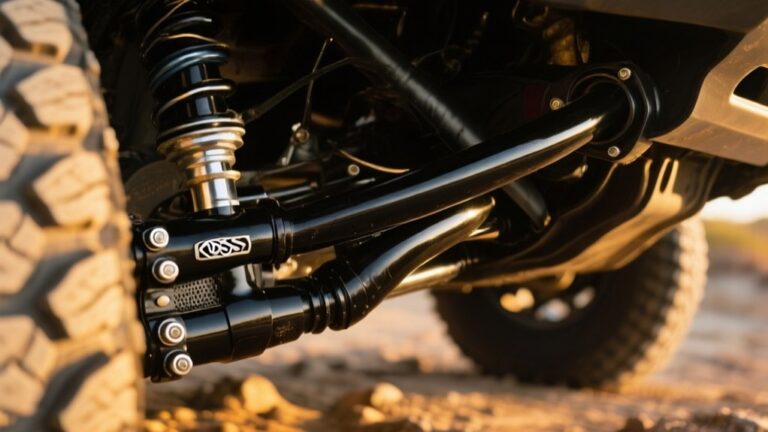
Is 4runner Body On Frame – Here’s the Truth
Yes, the Toyota 4Runner uses body-on-frame construction, separating its body from the structural frame to improve durability, towing capacity, and off-road performance.
This design enhances shock absorption, ground clearance, and torsional rigidity, making it ideal for rugged terrain and heavy loads.
It also simplifies repairs and supports extensive customization.
Toyota sticks to this proven setup to balance strength with versatility.
Investigate further to understand how this architecture impacts maintenance, driving dynamics, and future models.
Key Takeaways
- The Toyota 4Runner features a body-on-frame construction for enhanced durability and off-road capability.
- This design separates the body from the frame, improving shock absorption and impact resistance.
- Body-on-frame architecture supports higher towing capacity and better load-bearing than unibody SUVs.
- It allows easier repairs, better suspension articulation, and greater customization for off-road use.
- The 4Runner’s body-on-frame design remains central to its ruggedness and future model evolution.
What Body-On-Frame Construction Means for the 4Runner

Although many modern SUVs prefer unibody construction for weight savings, the Toyota 4Runner keeps using body-on-frame architecture. It mounts its body onto a dedicated frame, which makes a big difference.
This design separates the vehicle’s body from its structural frame, boosting durability and shock absorption. You’ll notice that this layout helps the 4Runner handle impacts and stresses from different driving conditions better.
Separating the body from the frame enhances durability and improves shock absorption for tougher driving conditions.
Because of this construction, the 4Runner is more reliable over the long term. Compared to unibody designs, it also supports higher towing capacities, making it better for hauling and utility tasks.
This approach is similar to rugged vehicles like the Jeep Wrangler and Ford Bronco, which focus on toughness over weight savings. By choosing body-on-frame, Toyota ensures the 4Runner stays a versatile SUV capable of handling both city roads and tough environments with resilience.
How the 4Runner’s Body-On-Frame Boosts Off-Road Performance
The 4Runner’s body-on-frame construction boosts its off-road performance by offering better torsional rigidity and impact resistance than unibody SUVs. This makes the vehicle more stable on uneven terrain, improving handling and control.
With a separate frame, the 4Runner also has greater ground clearance and improved approach and departure angles. That means you can confidently tackle steep obstacles without worry.
This design also supports higher towing capacities, so you can haul trailers or off-road gear without sacrificing strength. Plus, it’s easier to repair and modify, letting you customize your 4Runner for tough off-road adventures.
Comparing Body-On-Frame and Unibody SUVs: Key Differences
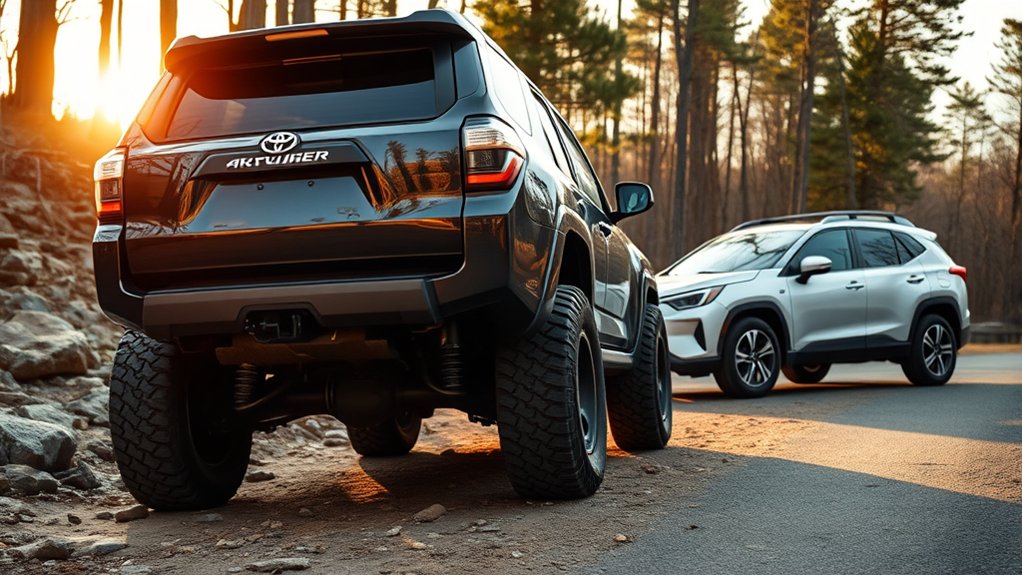
When comparing body-on-frame and unibody SUVs, you’ll see clear structural differences that affect performance, durability, and handling.
Body-on-frame SUVs, like the 4Runner, have a separate frame and body. This setup makes them more rugged, better at towing, and easier to repair.
This design really shines off-road where strength and toughness are important.
On the other hand, unibody SUVs combine the frame and body into one lighter unit. This makes them more fuel-efficient and gives smoother rides with better on-road handling.
Unibody SUVs unite frame and body for lighter weight, enhancing fuel efficiency and smooth, controlled on-road driving.
They also flex less, which improves comfort and stability.
While body-on-frame models focus on durability and heavy-duty use, unibody designs prioritize smooth driving and efficiency.
Knowing these differences helps you choose the SUV that best fits your needs and how you plan to use it.
Why Toyota Chooses Body-On-Frame for the 4Runner
You’ll notice that Toyota uses a body-on-frame design for the 4Runner mainly because it helps make the vehicle more durable and strong. Basically, this setup separates the body from the chassis, which means the 4Runner can better handle tough terrains and heavy loads.
That’s a big reason why it’s such a great choice for off-road adventures. The design really boosts its ability to tackle challenging environments, making the 4Runner a reliable and rugged option for those who love to go off the beaten path.
Durability And Strength
Durability is at the heart of the Toyota 4Runner’s design, thanks to its body-on-frame construction. This setup significantly boosts the vehicle’s strength, helping it handle tough stresses without losing its structural integrity.
You get better load-bearing capabilities, making heavy towing and hauling easier. The separate frame also absorbs impacts better than unibody designs, which means less damage and a longer lifespan for the SUV.
Plus, this design helps dampen vibrations, giving you a smoother ride on rough roads. Toyota’s focus on this construction shows their commitment to building a tough, reliable SUV ready for demanding conditions.
Off-Road Capability Benefits
The strength of the 4Runner’s body-on-frame design directly boosts its off-road capabilities. This construction makes the vehicle more durable, helping it withstand tough terrains and reducing the risk of damage during adventures.
You’ll also get better suspension articulation and wheel travel because the separate frame supports heavier-duty components like larger axles and advanced suspension systems. These features improve traction on uneven surfaces, which is key for serious off-road driving.
Plus, the body-on-frame setup usually increases towing capacity, making the 4Runner versatile for outdoor trips that involve heavy loads. Toyota chose this design because it delivers reliable performance, toughness, and long-lasting durability in tough off-road conditions.
When you need a vehicle built to handle rugged environments, the 4Runner’s body-on-frame architecture gives you a real advantage.
Clearing Up Myths About the 4Runner’s Body-On-Frame Design
Four key advantages set the 4Runner’s body-on-frame design apart from unibody constructions commonly found in modern SUVs. First, the separate chassis improves durability, allowing your 4Runner to endure rugged terrains without compromising structural integrity.
Second, it provides superior towing capacity, supporting heavier loads compared to unibody frames. Third, body-on-frame construction delivers higher ground clearance, which is essential for off-road maneuvering and obstacle negotiation.
Finally, this design has consistently supported the 4Runner’s reputation for reliability and longevity in diverse driving conditions. Contrary to some myths, body-on-frame doesn’t inherently reduce ride comfort or handling. Toyota’s engineering balances robustness with drivability.
How Body-On-Frame Affects Your 4Runner’s Maintenance and Longevity
The body-on-frame construction of the 4Runner really boosts the durability of the frame itself. But, it also means you need to pay closer attention to rust prevention, especially if you’re in an area where roads are salted in winter. Regular inspections and cleaning underneath can make a big difference in keeping corrosion at bay and helping your vehicle last longer.
Another thing to keep in mind is that this design can make some repairs a bit easier and more straightforward—particularly when it comes to fixing the frame. So, in many cases, fixing a body-on-frame vehicle like the 4Runner might be less complicated and potentially less costly compared to unibody vehicles.
Frame Durability Considerations
Because it uses a body-on-frame construction, your 4Runner offers better durability to handle tough off-road conditions and heavy loads more effectively than unibody designs. This setup keeps the structure intact on rough terrain and makes repairs easier by isolating components from the body.
Maintenance is straightforward, especially when it comes to frame wear or damage.
| Aspect | Impact |
|---|---|
| Durability | Better resistance to stress and deformation |
| Repairability | Easier to replace components |
| Weight | Heavier, which can improve towing capacity |
| Maintenance Focus | Regular frame inspections help ensure longevity |
Understanding these points can help you get the most out of your 4Runner’s lifespan and performance, making the most of its body-on-frame design.
Rust Prevention Strategies
Although the body-on-frame design boosts your 4Runner’s off-road strength, it also makes it more vulnerable to rust, especially where salt and moisture gather. To tackle this, you should have a proactive rust prevention plan that includes regular inspections and thorough cleaning of the undercarriage.
Use a high-pressure washer to quickly remove dirt and debris after off-road adventures. This helps prevent corrosive buildup that can damage the frame over time. Applying rust-proofing treatments like undercoating or oil sprays creates a strong moisture barrier on the frame and other components.
Storing your 4Runner in a dry, climate-controlled space also helps. It minimizes exposure to humidity and salt-laden air, which can accelerate rust. Consistently following these rust-proofing steps can significantly extend your vehicle’s lifespan and keep its structure solid for years to come.
Impact On Repair Costs
Three key factors make the body-on-frame construction of the Toyota 4Runner a cost-effective choice for maintenance and longevity. First, its sturdy frame boosts durability, helping it withstand off-road impacts and heavy-duty use, which means fewer repairs over time.
Second, the design makes it easier and more affordable to replace or fix individual parts—like the frame or suspension—compared to unibody vehicles. This keeps maintenance simpler and less costly.
Third, body-on-frame builds tend to last longer. Many 4Runner owners report going beyond 200,000 miles before needing major repairs, which cuts down overall ownership costs. Just remember to regularly check and maintain the undercarriage to prevent rust and frame damage, as neglect can lead to higher repair bills.
All in all, the 4Runner’s body-on-frame setup offers rugged performance along with manageable maintenance, helping you get the most value out of your investment over time.
What Future 4Runner Models Could Mean for Body-On-Frame Design
When you look at the future of the Toyota 4Runner, its body-on-frame design is likely to continue but also evolve. Toyota seems set on modernizing the chassis while keeping the durability and off-road skills that make this design special.
There’s talk about a pickup-based SUV format, which could boost versatility without losing the rugged frame. Sharing architecture with models like the Land Cruiser and Tacoma makes it more likely that the 4Runner will stick with this proven setup.
Even though market trends are pushing toward smaller, more efficient SUVs, Toyota appears committed to balancing these demands with the traditional benefits of body-on-frame construction. This way, the 4Runner can stay competitive without sacrificing its core engineering principles.
How Body-On-Frame Shapes Your 4Runner Ownership Experience
The body-on-frame architecture shapes your daily experience with the 4Runner, influencing how it handles, performs, and adapts to different situations. This design boosts ruggedness and off-road capabilities but also impacts ride comfort and customization options.
The body-on-frame design enhances ruggedness and versatility, shaping the 4Runner’s performance and adaptability.
You’ll notice how the separate frame makes the 4Runner more durable against off-road impacts. However, it can also lead to a firmer ride on paved roads because of reduced flexibility.
Some key ways this design affects your ownership include:
- Greater towing capacity, so you can confidently haul trailers and heavy gear
- Better resistance to off-road stresses, helping the vehicle last longer in tough terrains
- More options for modifications like suspension lifts and reinforced bumpers to customize your 4Runner for specific needs
Knowing these traits helps you maximize what your 4Runner can do while understanding the trade-offs involved.
Frequently Asked Questions
Does the 4runner’s Body-On-Frame Affect Fuel Efficiency?
Yes, the 4Runner’s body-on-frame design directly affects fuel efficiency. You’ll notice lower fuel economy because this setup adds a lot of weight and raises the vehicle’s center of gravity. It also increases aerodynamic drag.
This heavier frame makes it harder to accelerate and uses more fuel, especially on highways. While it boosts durability and towing capacity, you’ll give up some fuel efficiency compared to lighter, unibody SUVs.
Can the 4runner’s Frame Be Easily Modified for Custom Builds?
You might be surprised how easily the 4Runner’s frame adapts to custom builds. Its separate ladder frame design lets you reinforce, upgrade the suspension, and install aftermarket parts without messing with the structural integrity.
This modular platform supports larger tires, rock sliders, and winches, which really boost its off-road capabilities. Plus, sharing components with other Toyota models gives you more options and control over your modifications.
You can tailor it to your needs, improving durability and articulation without hassle. Overall, the 4Runner’s frame is pretty flexible for custom builds and off-road upgrades.
How Does Body-On-Frame Impact 4runner’s Towing Capacity?
The body-on-frame design directly boosts your 4Runner’s towing capacity by providing a sturdy, separate chassis that can handle heavy loads without sacrificing structural integrity. This setup spreads out towing stresses more evenly, which helps protect the vehicle.
You’ll also benefit from better resistance to twisting forces and increased durability. Thanks to this design, your 4Runner can confidently tow up to 5,000 pounds.
Are There Safety Concerns Specific to Body-On-Frame SUVS?
Yes, you should be aware that body-on-frame SUVs, like the 4Runner, have specific safety concerns. Their raised center of gravity increases rollover risk during sharp maneuvers.
Furthermore, body-on-frame designs can lead to higher cabin deformation in certain crashes, raising occupant injury risk.
However, advanced safety features such as electronic stability control and airbags help mitigate these risks, enhancing overall protection despite structural vulnerabilities.
What Are the Resale Values of Body-On-Frame vs. Unibody 4runners?
You’ll find body-on-frame 4Runners hold resale values significantly better than their unibody counterparts. They often keep up to 60% of their original value after five years.
Their durability and off-road prowess make them popular with buyers, which boosts demand. While miles driven and condition matter, body-on-frame models usually fetch a higher price.
Adding modifications and keeping up with maintenance can also boost resale value. Overall, they’re a smart investment in the used SUV market.
Conclusion
Understanding the 4Runner’s body-on-frame construction is like grasping the backbone of its rugged spirit. This design not only boosts off-road durability but also makes maintenance easier and extends the vehicle’s lifespan.
While unibody SUVs offer more comfort, the 4Runner’s frame provides unmatched strength and reliability.
As you own and enjoy your 4Runner, remember that this solid foundation is why it handles tough challenges so well. It promises performance that’s as dependable as steel in every adventure you take.