What Years Did The 4runner Have A V8 – The Full Story
You’ll find the Toyota 4Runner with a V8 engine only from 2002 to 2009.
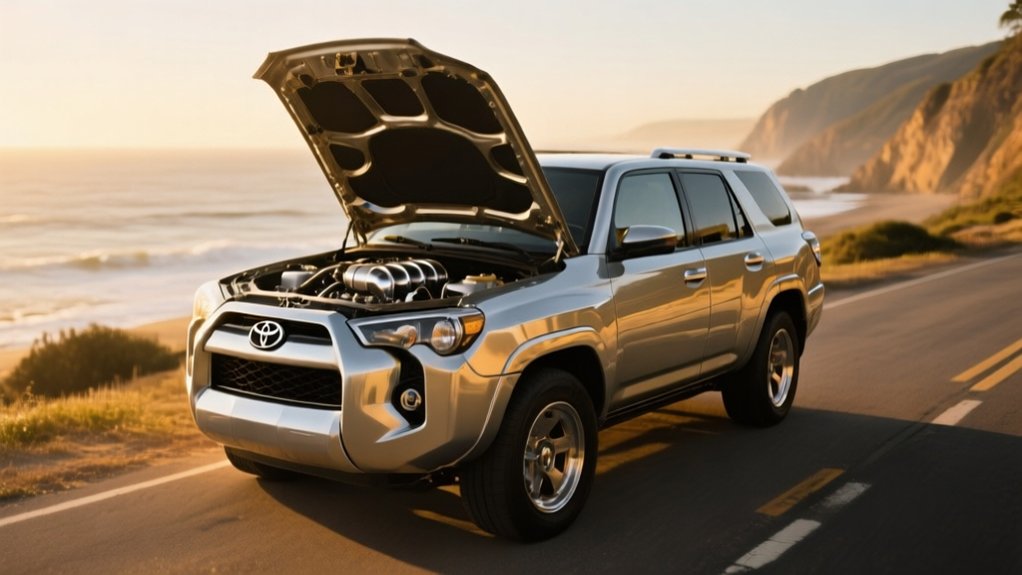
It features the durable 2UZ-FE 4.7L V8, known for its strong 270 horsepower and 330 lb-ft torque.
This engine boosted towing and off-road capabilities but came with lower fuel efficiency compared to the V6.
Toyota phased out the V8 due to emissions and efficiency pressures.
If you want to understand why this period stands out and what makes these models special, there’s more to investigate.
Key Takeaways
- The Toyota 4Runner offered a V8 engine option exclusively from 2002 to 2009.
- The V8 engine used was the 2UZ-FE, known for 270 horsepower and 330 lb-ft of torque.
- Two V8 versions existed: a standard model (2002-2004) and a VVTi-enhanced version (2005-2009).
- The V8 was discontinued after 2009 due to fuel efficiency and emissions regulations.
- V8 4Runner models are highly sought after by enthusiasts for their power, reliability, and rarity.
When Did the 4Runner Have a V8 Engine?
Although the Toyota 4Runner mostly features inline engines, it did offer a V8 option from 2002 to 2009. During these years, the 4Runner was equipped with the 2UZ-FE V8 engine, making it the only generation to have this powertrain.
You’ll find two versions of this V8 across those years: the standard version from 2002 to 2004 and the VVTi-enhanced version from 2005 to 2009. This V8 wasn’t exclusive to the 4Runner; it was also used in models like the Land Cruiser and Lexus GX470, highlighting its reliability.
If you’re looking for model years with a V8 engine, the fourth-generation Toyota 4Runner is the only one that offers that strong V8 power. It’s a unique choice for enthusiasts wanting more torque and performance.
Key Features and Performance of the 4.7L V8 Engine
The 4.7L V8 engine, known as the 2UZ-FE, is the powerhouse behind the fourth-generation 4Runner’s improved performance. This 7L V8 engine delivers 270 horsepower and 330 lb-ft of torque, boosting towing capacity and off-road ability.
Its cast-iron block paired with aluminum DOHC heads guarantees durability without sacrificing power. Unlike many modern engines, the 2UZ-FE uses a timing belt instead of a chain, which you’ll need to replace every 90,000 miles to keep it running smoothly.
While the V8 consumes more fuel, it offers smooth power delivery and a distinctive sound that appeals to enthusiasts who want both performance and dependability. Overall, the 4.7L V8 balances strength and refinement, making it a key part of the 4Runner’s reputation for rugged versatility.
V8 vs. V6 4Runner: Key Differences
When deciding between a V8 and V6 4Runner, you’ll notice clear differences in power, efficiency, and overall driving feel. The V8 engines, like the 4.7L from 2002 to 2009, offer much more power and torque than the V6. This makes them better for towing and off-road adventures.
But keep in mind, the V8 tends to be less fuel-efficient and adds weight to the vehicle. The V6 engine, on the other hand, shines in fuel economy and easier handling. It’s great if you’re focused on daily driving and saving on maintenance costs.
The V8 is also known for its reliability and longevity, especially compared to earlier V6 models that had some issues. Ultimately, it comes down to whether you want more performance or better efficiency.
V8 4Runner Power and Towing Performance
Four hundred horsepower might be impressive, but the 4.7L V8 in the fourth-generation 4Runner offers a well-rounded mix of power and torque for tough tasks.
This V8 engine delivers about 270 horsepower and 330 lb-ft of torque, giving it better towing capacity and performance than the V6.
You can haul up to 7,300 pounds, making it great for trailers and heavy loads. The extra torque also boosts off-road ability and carrying capacity.
Fuel efficiency is around 15-18 mpg combined, which is decent considering the power.
| Specification | V8 Engine (4.7L) | Towing Capacity |
|---|---|---|
| Horsepower | 270 hp | – |
| Torque | 330 lb-ft | – |
| Max Towing Capacity | – | 7,300 lbs |
Common Reliability Concerns for the 4.7L V8 4Runner
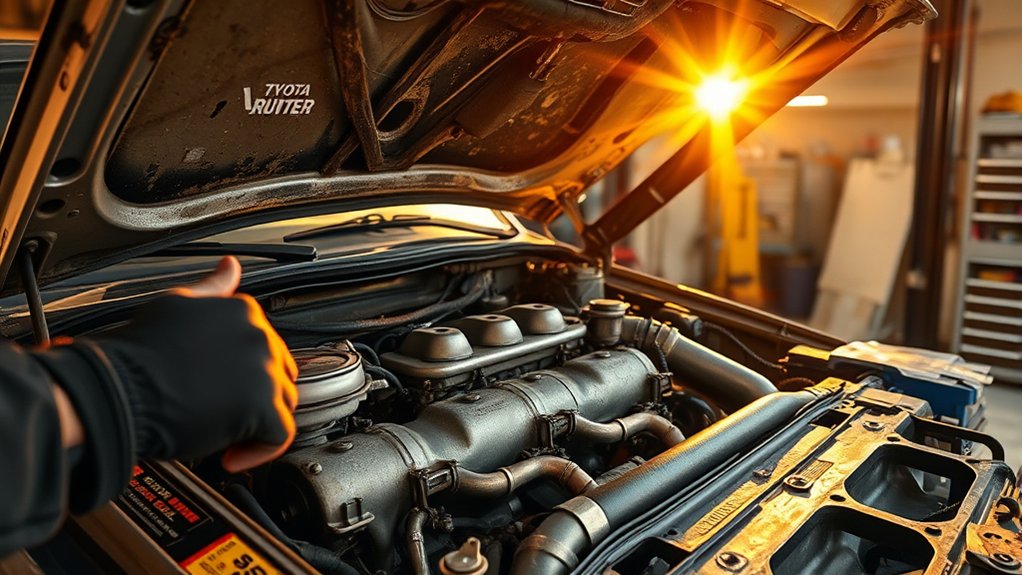
You know, one thing to keep in mind with the 4.7L V8 4Runner is that it can sometimes develop exhaust manifold leaks as it gets older. It’s pretty common, so it’s worth staying aware of that.
Now, compared to the earlier V6 models, head gasket issues weren’t as big of a concern with the V8, and if you stay on top of your maintenance, it generally holds up pretty well. Just make sure to keep up with things like replacing the timing belt around every 90,000 miles—that can really help you avoid some major headaches down the road.
Head Gasket Issues
Although the 4.7L V8 engine in the 2003-2009 4Runner is known for reliability, early models from 2003 to 2005 have reported head gasket issues that can cause coolant leaks and overheating. These problems often come from improper installation or manufacturing defects.
Symptoms include white smoke from the exhaust and coolant mixing with oil. If you own a 4Runner with the 4.7L V8, keeping an eye on the cooling system and performing regular oil changes can help lower the risk of head gasket failure.
However, if a head gasket replacement is needed, it can be a costly and labor-intensive fix. Despite these concerns, many owners find that with proper maintenance, the 4.7L V8 offers solid durability and can reach high mileage without major engine problems.
Exhaust Manifold Leaks
When operating a 4Runner with the 4.7L V8 engine from 2002 to 2009, you might notice exhaust manifold leaks. These leaks usually produce a distinctive ticking noise and can lower your engine’s efficiency.
They often happen because thermal expansion stresses the exhaust manifold, which is a known issue with this engine’s design. If you ignore these leaks, they can get worse and affect your vehicle’s performance.
Over time, manifold leaks can cause further engine damage and lead to costly repairs. Many owners opt to replace the factory exhaust manifold with aftermarket headers. This upgrade improves durability and can boost engine output.
To catch leaks early, it’s a good idea to perform regular inspections focused on the exhaust manifold’s condition. Staying vigilant helps keep your 4Runner reliable and ensures your 4.7L V8 engine continues to run smoothly for years to come.
Maintenance Importance
Since the 4.7L V8 engine in the fourth-generation 4Runner is built for durability, sticking to a strict service schedule is crucial to avoid common reliability issues. Regular maintenance directly affects the engine’s lifespan and performance, helping you steer clear of costly repairs.
To keep your 4Runner running smoothly, focus on a few key areas. Replace the timing belt every 90,000 miles to prevent severe engine damage. Also, make sure to do regular oil changes and check the cooling system to keep everything running at its best.
Don’t forget to address exhaust manifold leaks promptly. Upgrading to aftermarket headers can improve exhaust flow and reduce leak risks, ensuring your engine stays healthy for the long haul.
Reasons Toyota Phased Out the V8 After 2009
As the automotive industry shifted toward fuel efficiency and stricter emissions standards, Toyota decided to phase out the V8 engine in the 4Runner after 2009. They simplified the engine lineup in the fifth generation, focusing on a 2.7L inline-four and a 4.0L inline-six.
This change was in response to consumer demand and regulatory pressures that favored better fuel efficiency without sacrificing performance. The V8’s heavier design conflicted with these new goals, prompting Toyota to adopt lighter, more efficient engines.
| Factor | Impact |
|---|---|
| Fuel Efficiency | Improved with inline engines |
| Emissions Standards | Stricter regulations enforced |
| Engine Lineup Simplification | Streamlined choices |
This strategic shift balanced power and sustainability for modern drivers.
How to Find a Used V8 4Runner Today
Looking for a used V8 4Runner today means knowing where to look and what to focus on. The V8 engine, combined with an automatic transmission, was available from 2002 to 2009, so those model years are your best bet.
To find the right one, check out online marketplaces like Autotrader and Cars.com. They offer a wide selection and a good range of prices. You can also visit local dealerships or specialty lots, which might have V8 4Runners in stock or can help source one for you.
Don’t forget to explore online 4Runner forums where enthusiasts often share tips and leads on well-maintained V8 models. When you find a potential vehicle, prioritize those with thorough maintenance records.
It’s also smart to inspect for common V8 issues, like exhaust manifold leaks. Taking these steps helps ensure you find a reliable V8 4Runner that fits your needs.
The Legacy and Enthusiast Appeal of the V8 4Runner
Finding a V8 4Runner from the 2002-2009 range puts you in a special spot in Toyota’s SUV history. The V8 engine’s legacy, especially with the 2UZ-FE and VVTi versions, really appeals to enthusiasts for its torque, reliability, and that distinctive sound.
This powertrain’s reputation isn’t just limited to the 4Runner. It’s also shared with models like the Land Cruiser and Tundra, which adds to its desirability among fans.
| Feature | Benefit | Appeal to Enthusiasts |
|---|---|---|
| V8 Engine | Robust torque | Great for powerful off-road adventures |
| Reliability | Long lifespan | Cost-effective to maintain |
| Distinctive Sound | Unique driving feel | Community admiration and pride |
The V8 4Runner is highly sought after, reflecting its lasting legacy among dedicated enthusiasts.
Frequently Asked Questions
What Fuel Economy Can I Expect From the V8 4runner?
You can expect the V8 4Runner to deliver around 14-17 mpg in the city and 18-22 mpg on the highway, depending on your driving style and maintenance.
Real-world combined mileage often falls between 15-18 mpg if you drive conservatively. Keep in mind, the V8 consumes more fuel than the inline engines, but its power and towing capacity usually justify the trade-off.
Regular upkeep helps maintain peak efficiency.
Are There Any Special Maintenance Tips for the V8 Engine?
Yes, you should replace the timing belt every 90,000 miles to avoid engine damage. Use synthetic oil for better heat resistance and change it regularly. Keep an eye out for exhaust manifold leaks; they’re common in V8s, and aftermarket headers can help fix this.
Maintain proper coolant levels to prevent overheating, especially under heavy use. Always choose genuine Toyota parts to guarantee compatibility and keep your 2UZ-FE running smoothly and reliably.
How Does the V8 4runner Perform Off-Road Compared to Other SUVS?
You know what they say: “The proof is in the pudding.” When you take the V8 4Runner off-road, you’ll see it outperforms many SUVs thanks to its powerful torque, advanced 4WD, and rugged suspension.
It handles steep climbs and tough terrain with ease, offering better stability and traction. While it’s a bit heavier, it excels in towing and carrying heavy loads.
That makes it a reliable, durable choice for serious off-road adventures.
What Aftermarket Upgrades Are Popular for the V8 4runner?
You’ll find popular upgrades for the V8 4Runner include performance exhaust systems that boost sound and airflow. Cold air intakes are also common for better horsepower and torque.
Many owners install suspension lifts to improve off-road handling. Aftermarket headers are popular too, helping fix exhaust leaks and boost power.
Performance tuning chips are often added to optimize engine efficiency. These mods all work together to enhance your 4Runner’s performance and off-road capability.
Did Toyota Offer the V8 4runner in Special Edition Models?
You won’t find Toyota offering the V8 4Runner in special edition models — it’s a clear-cut case.
From 2003 to 2009, the V8 engine stayed exclusive to standard SR5 and Limited trims. Even when the Trail Edition rolled out in 2009, it skipped the V8 option.
Conclusion
Picture yourself behind the wheel of a V8 4Runner, feeling the deep growl of the 4.7L engine as it powers through rugged terrain or hauls heavy loads with ease.
Though Toyota phased out the V8 after 2009, its blend of strength and reliability still captures the hearts of enthusiasts.
Understanding its legacy helps you appreciate why this powerhouse remains a coveted choice for those seeking both performance and durability in a midsize SUV.