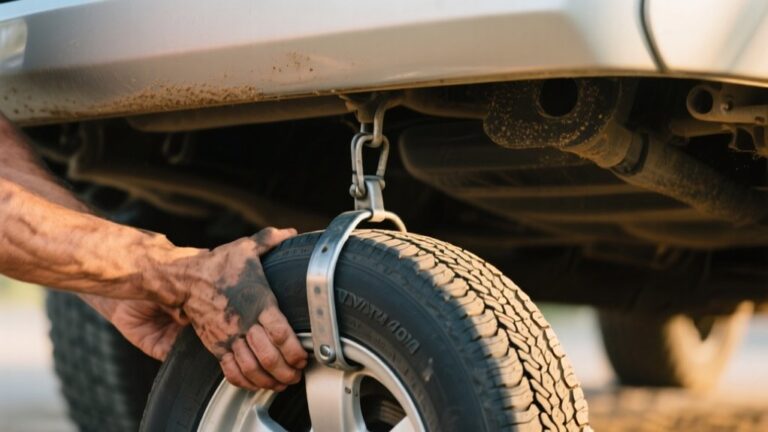
What Makes The Toyota 4runner So Durable – Simple Breakdown
You get durability in the Toyota 4Runner through its body-on-frame construction and high-strength steel. These materials absorb impacts and resist corrosion, making the vehicle more resilient.
Its proven V6 engines have forged internals and robust cooling systems that help them withstand high mileage and tough conditions. That means fewer worries about engine wear over time.
Off-road tech like Multi-Terrain Select and skid plates protect essential components. They also improve handling when you’re navigating rough terrain.
All these engineering choices work together to guarantee long-term reliability and resilience.
Dive deeper to see how the design and owner experiences reinforce this toughness.
Key Takeaways
- The Toyota 4Runner’s body-on-frame construction and high-strength steel enhance impact resistance and structural durability.
- Proven V6 engines with forged internals and simple designs ensure long-lasting performance and reliability.
- Advanced off-road systems like Multi-Terrain Select and KDSS improve traction and reduce mechanical stress.
- Its strong resale value and reputation for dependability reflect consistent performance in harsh environments.
- Comprehensive safety features and durable materials provide protection and longevity for rugged use.
What Makes the Toyota 4Runner So Durable?
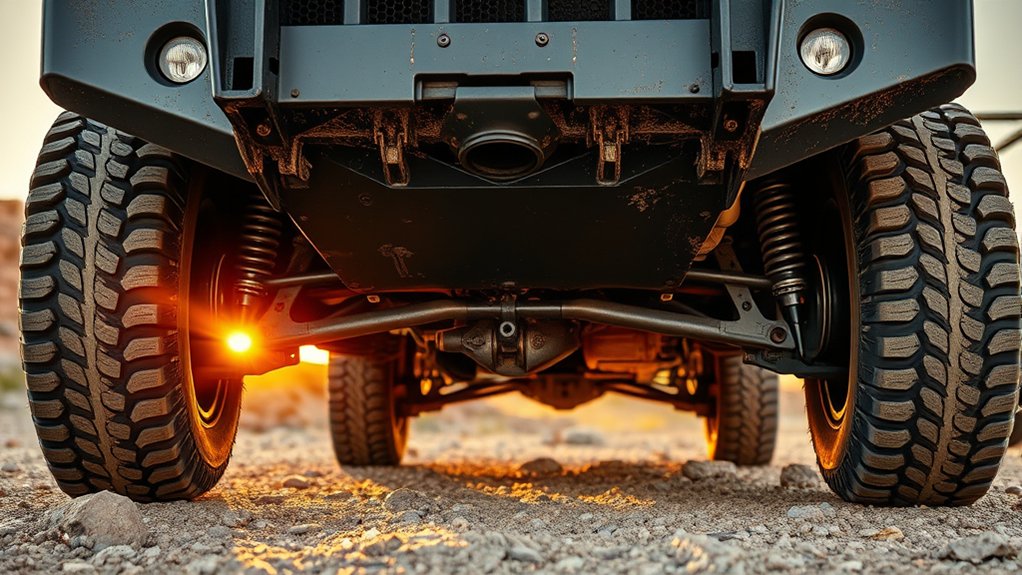
Although many SUVs have rugged features, the Toyota 4Runner really stands out because of its body-on-frame construction. This design gives it better structural integrity and impact resistance.
Its durability also comes from high-strength steel parts placed in key areas to absorb and spread out forces during impacts. The suspension system, with a double-wishbone front and solid rear axle, keeps stability high on tough terrain and reduces wear on the chassis.
Plus, the 4Runner’s corrosion-resistant coatings and underbody protection help prevent rust and damage from environmental stuff. Its drivetrain, including a tough transmission and transfer case, is built to handle heavy loads and off-road stress.
All these materials and engineering choices work together to keep the 4Runner reliable and tough, even under demanding conditions.
How the 4Runner’s Body-on-Frame Design Boosts Strength
You’ll see that the 4Runner’s body-on-frame design really boosts its strength. It gives the vehicle better structural rigidity, so it can handle rough terrains without losing stability. That means you can take it off-road with confidence, knowing it’s built to withstand tough conditions.
Plus, this design helps keep the body separate from the chassis stress, which is a big plus for off-road adventures. And if you ever need to do maintenance or repairs, it’s a lot easier because key parts are more accessible and modular. Overall, this construction makes the 4Runner both tough and practical.
Enhanced Structural Rigidity
Because the Toyota 4Runner uses a body-on-frame construction, it gains increased structural rigidity that boosts its overall strength and durability. This design separates the vehicle’s body from its frame, allowing the tough ladder frame to absorb and spread out stresses during driving and when carrying loads.
The frame is made from high-strength steel, designed to resist torsional flexing. This helps prevent structural fatigue over time. By isolating the body from direct impacts, the 4Runner reduces deformation and keeps everything aligned, which extends its lifespan.
Reinforced crossmembers add stiffness and support the frame’s integrity under heavy loads or rough terrain. When you drive the 4Runner, this improved rigidity offers a stable platform, reducing component wear and helping the vehicle handle tough conditions without sacrificing its structural soundness.
Superior Off-Road Capability
The 4Runner’s body-on-frame design isn’t just about strength; it’s key to its off-road prowess. Separating the body from the frame helps it absorb and spread out torsional forces when you’re on rough terrain.
This setup boosts durability, preventing the frame from twisting or deforming under stress. Plus, the solid frame can support heavier suspension parts, which improves wheel articulation and ground clearance.
That means you can handle steep slopes, rocky trails, and deep ruts without worrying about damaging the structure. The frame also makes room for reinforced skid plates and better mounting points for off-road gear.
All of this creates a sturdy foundation that maximizes traction and stability. So, whether you’re tackling challenging trails or rough terrain, the 4Runner keeps you in control and reliable.
Easier Maintenance And Repairs
Although modern unibody designs offer certain advantages, the 4Runner’s body-on-frame construction makes maintenance and repairs easier by keeping the vehicle’s structural parts separate. This design isolates the frame from the body, so you can service key components without disturbing other systems.
Here’s how it benefits you:
- Direct Access to Frame Components: You can reach suspension, drivetrain, and chassis parts without removing body panels, saving time and money.
- Simplified Damage Repair: If the frame gets damaged, it can be repaired or replaced on its own, making repairs less complex.
- Modular Replacement: Body panels and frame sections are modular. You can replace or upgrade specific areas without extensive disassembly.
This approach boosts durability and makes repairs faster and more affordable, especially after off-road adventures.
How Toyota’s Engine Choices Help the 4Runner Last Longer
When you look at Toyota’s engine designs for the 4Runner, you’ll see a clear focus on reliability and long-lasting performance. Toyota chooses proven V6 engines with strong iron blocks and straightforward, durable valvetrain parts.
These design choices help reduce stress and wear on the engine. As a result, the 4Runner can handle high mileage without needing frequent engine overhauls.
| Engine Model | Displacement | Key Durability Feature |
|---|---|---|
| 4.0L V6 (1GR-FE) | 4.0L | Iron block, forged internals |
| 2.7L I4 (2TR-FE) | 2.7L | Simple valvetrain design |
| 4.7L V8 (2UZ-FE) | 4.7L | Overbuilt components |
| 5.7L V8 (3UR-FE) | 5.7L | Improved cooling system |
These engine options focus on durability through simple design and strong materials, helping extend the 4Runner’s lifespan.
How Tough Materials Improve the 4Runner’s Durability
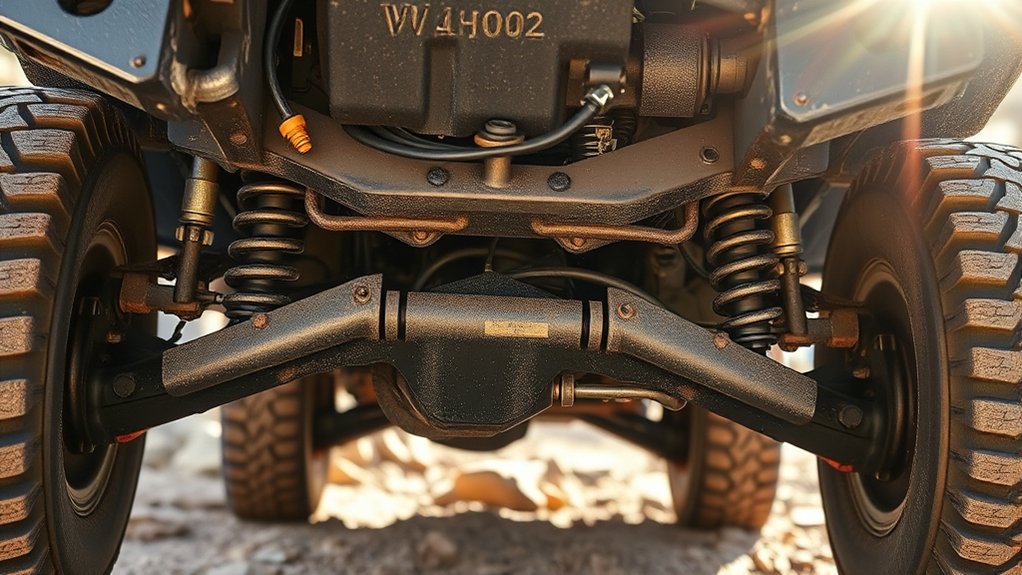
Because Toyota engineers choose high-strength steel alloys and reinforced composites for critical components, the 4Runner resists wear, corrosion, and impact damage better than many competitors. This choice of materials directly boosts its structural integrity and lifespan, especially in tough conditions.
When you look at the 4Runner’s materials, keep these in mind:
- Frame Construction: The ladder frame uses high-tensile steel, making it more rigid and resistant to bending.
- Body Panels: Reinforced composites help reduce weight but still stay strong, making the vehicle more durable against dents and rust.
- Protective Coatings: Advanced anti-corrosion treatments help metal parts last longer, even with exposure to moisture and salt.
Which Off-Road Features Enhance the 4Runner’s Resilience
While the 4Runner’s sturdy materials lay the groundwork for durability, its off-road features really boost resilience by enhancing traction, suspension, and protection in tough terrains.
The Multi-Terrain Select system is a must-have; it tweaks throttle and braking to keep you gripping surfaces like mud, sand, and rocks. The Kinetic Dynamic Suspension System (KDSS) improves wheel articulation, helping tires stay in contact with uneven ground for better stability.
Plus, the skid plates shield key underbody parts from debris and impacts, giving you peace of mind on rough trails. The Crawl Control feature automatically handles throttle and brakes at low speeds, so you can concentrate on steering through tricky spots.
All these features work together to reduce mechanical stress and keep your 4Runner performing reliably when you’re exploring off the beaten path.
How Maintenance and Owner Feedback Confirm the 4Runner’s Reliability

Although regular maintenance is important for any vehicle, the Toyota 4Runner’s design helps keep repairs less frequent and less severe. Owner feedback confirms that it’s built for reliability.
Regular upkeep matters, but the Toyota 4Runner’s design minimizes repairs and boosts dependable performance.
You’ll notice that the 4Runner’s sturdy engineering means less downtime and lower maintenance costs. Here’s what owners consistently say:
- Extended Maintenance Intervals – Its durable engine and suspension components allow for longer periods between services without sacrificing performance.
- Low Incidence of Major Repairs – Owners report fewer critical failures compared to other SUVs, highlighting Toyota’s focus on dependability.
- Consistent Performance Over Time – Many note stable drivability and minimal performance drop even after high mileage.
This harmony between design and real-world experience proves the 4Runner’s reputation for reliability and makes it a smart, durable choice.
Frequently Asked Questions
What Is the Toyota 4runner’s Fuel Economy Compared to Similar SUVS?
The Toyota 4Runner’s fuel economy averages around 16-19 mpg city and 19-24 mpg highway, depending on the model.
Compared to similar midsize SUVs like the Jeep Grand Cherokee or Ford Explorer, it’s less efficient because of its body-on-frame design and V6 engine.
If you prioritize durability and off-road capability, you’ll accept lower fuel efficiency.
For better mileage, crossovers with unibody frames usually do better in fuel economy than the 4Runner.
How Does the 4runner Perform in City Driving Versus Off-Road Conditions?
You’ll feel like a turtle in a cheetah race crawling through city traffic, where the 4Runner’s boxy frame and thirsty engine aren’t exactly made for stop-and-go efficiency.
But off-road? It’s a beast. With its rugged suspension, high ground clearance, and advanced traction control, it conquers rocky trails and mud with ease.
What Are the Common Interior Features and Technology in the 4runner?
You’ll find the Toyota 4Runner equipped with a touchscreen infotainment system that features Apple CarPlay, Android Auto, and Amazon Alexa integration. It also offers an available premium JBL audio system for clear, crisp sound.
Dual-zone automatic climate control keeps everyone comfortable, and the multi-information display shows essential vehicle data at a glance. You’ll also appreciate the rearview camera, multiple USB ports, and optional navigation.
All these features blend convenience with advanced technology, making the 4Runner great for both daily driving and off-road adventures.
How Does the 4runner’s Resale Value Compare to Other Midsize SUVS?
You’ll find the Toyota 4Runner’s resale value outperforms many midsize SUVs, retaining about 60-65% of its original value after five years. Its rugged body-on-frame design and proven reliability play a big role in this.
Compared to unibody rivals, the 4Runner’s tough construction appeals to buyers looking for longevity. This helps boost demand in the used market and keeps its value high.
This strong depreciation curve shows consistent consumer confidence. If resale value is a priority for you, the 4Runner is a solid investment.
What Safety Ratings Has the Toyota 4runner Received in Recent Years?
The Toyota 4Runner has earned solid safety ratings in recent years. The IIHS gave it “Good” ratings in most crashworthiness categories but pointed out average results in small overlap front tests.
NHTSA awarded it an overall 4-star rating, with 5 stars in side crash tests and 4 stars in frontal crashes. It’s also equipped with Toyota Safety Sense, which includes adaptive cruise control and lane departure alerts to boost your active safety on the road.
Conclusion
When you choose the Toyota 4Runner, you’re investing in a vehicle built like a fortress. Its sturdy body-on-frame design, robust engines, and tough materials all work together seamlessly.
Its off-road features add resilience, helping it handle tough terrains with ease. Regular maintenance keeps it running strong and reliable.
As the saying goes, “a stitch in time saves nine.” This shows that timely care and thoughtful engineering make the 4Runner durable.
It’s not just built to last but also ready for whatever challenges you face.