Are Motorcycles Cheaper Than Cars? Complete Cost Comparison & Ownership Guide
Are motorcycles cheaper than cars? Generally, yes. Motorcycles often cost less upfront and run cheaper day-to-day than cars.
Entry-level bikes start around $3,000 to $5,000, while cars usually cost much more. Fuel efficiency also favors motorcycles, with many models getting 50 to 70 miles per gallon compared to 25 to 30 for cars.
Insurance for motorcycles can be lower, especially for smaller engines and if you have a good riding record. Parking is often cheaper and easier too, saving you time and money.
Maintenance is different, though. Bikes may need oil changes and tire replacements more often.
So upkeep might balance out some savings. Think about how far and often you’ll ride before choosing.
Key Takeaways
- Entry-level motorcycles cost $3,000 to $5,000, significantly less than most cars.
- Basic cars start around $20,000, which is much higher than beginner motorcycles.
- Motorcycles generally get 50 to 60 miles per gallon, making fuel cheaper.
- Motorcycle insurance is often cheaper, especially for bikes under 500cc.
- Maintenance is more frequent on motorcycles but often costs less annually than cars.
- High-end motorcycles rarely exceed $25,000, while luxury cars cost much more.
Are Motorcycles Cheaper Than Cars Overall?
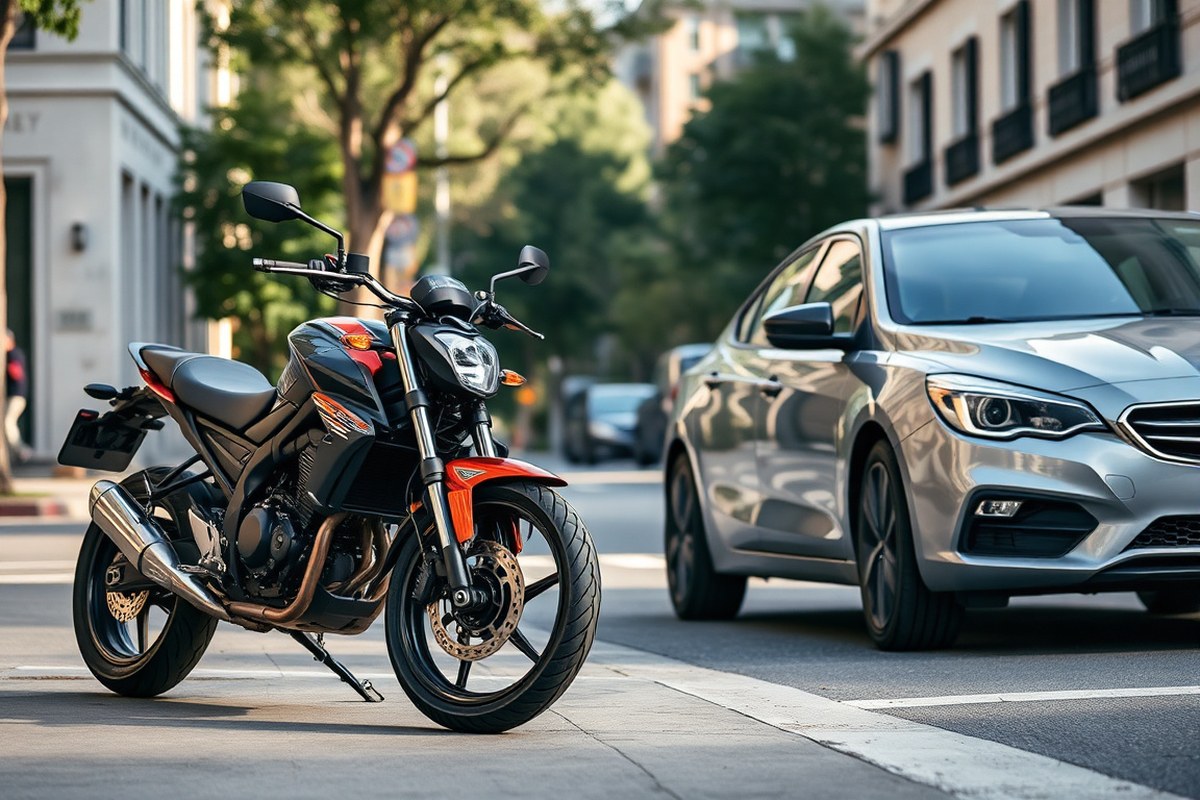
Motorcycles generally cost less than cars to buy and operate overall. The initial purchase price tends to be significantly lower, an entry-level motorcycle can start around $5,000. New cars often cost over $20,000.
Over five years, motorcycles usually cost less for fuel and insurance. Maintenance and safety gear expenses also stay cheaper than cars.
Fuel efficiency is one of the biggest saving points for motorcycles. They get 40-70 miles per gallon, saving 30% to 40% on fuel. Cars usually get 25-30 miles per gallon on average.
You might spend $1,000 to $2,000 less on fuel every year. This is true if you ride often and cover moderate miles.
Motorcycle insurance usually costs 20% to 50% less than car insurance. This applies to riders with some experience. But new or young riders might face higher premiums.
Motorcycles have fewer parts and cheaper upkeep. Routine maintenance costs about $300 to $400 yearly.
Cars commonly require $700 to $900 annually on maintenance and repairs. Depreciation is similar for both but varies widely by model and usage.
Over five years, motorcycles can cost $10,000 or more less than mid-range cars. This sums up all savings combined. For example, a BMW R1250GSA motorcycle’s total five-year cost including gear might run about $41,700.
A comparable BMW 330i car reaches about $52,300. However, the motorcycle owner must buy safety gear that can add $1,000 to $1,500 initially. They also accept more limited weather protection and practicality, which can affect real-life affordability.
For someone focusing mainly on cost, motorcycles can be cheaper to own overall. Your savings depend on location, riding habits, insurance, and the vehicles compared. Each factor can change total costs a lot.
Add purchase, fuel, insurance, maintenance, and gear costs yearly. This helps you see which fits your budget better.
How Do Purchase Prices Differ Between Motorcycles and Cars?
Entry-level motorcycles cost much less than cars. They start around $3,000 to $5,000, while entry-level cars usually start near $20,000. Mid-range motorcycles generally range from $7,000 to $15,000.
Cars in the mid-range segment often cost between $25,000 and $35,000. High-end motorcycles and cars can cost similar amounts.
Some luxury bikes are as expensive as basic cars. A few high-end bikes even cost more than entry-level cars.
The purchase price depends on factors like brand, engine size, features, and intended use. High-performance bikes or models with advanced tech cost more. Cars include extras like air conditioning, safety systems, and more seating, which raise prices.
Motorcycles tend to be simpler mechanically, which helps keep costs down. Still, choosing luxury or specialized bikes pushes prices up sharply.
| Vehicle Type | Entry-Level Price Range | Mid-Range Price Range | High-End Price Range |
|---|---|---|---|
| Motorcycles | $3,000 – $7,000 | $7,000 – $15,000 | $15,000 and up (can exceed $40,000) |
| Cars | $20,000 – $25,000 | $25,000 – $35,000 | $35,000 and up (luxury cars range much higher) |
Things like manufacturer reputation, engine capacity, and included features shift prices. For example, a popular entry-level bike like the Honda CB500R costs less than a compact car. However, a high-end Ducati or Harley-Davidson bike can cost more than many sedans.
Also, optional accessories and custom parts add to bike prices. For cars, options like leather seats or navigation packages add hundreds or thousands.
Buying a motorcycle just because it’s cheap can backfire. Check for safety features and reliability too.
What Are Typical Insurance Costs for Motorcycles Versus Cars?
Motorcycle insurance usually costs less than car insurance. You can expect to pay roughly $150 to $500 yearly for motorcycles. Meanwhile, cars often cost between $600 and $2,400 annually for insurance.
Base Insurance Cost Ranges
Motorcycle insurance averages about $156 to $500 per year. Smaller engines and basic coverage tend to lower costs.
Car insurance usually costs between $678 and $2,458 each year. Bigger vehicles and higher crash risks raise these costs.
The price gap exists because car repairs often cost more. Cars also expose insurers to higher injury claims, which push premiums up. For motorcycles, lighter damage and smaller claims usually help keep premiums down.
Rider and Driver Risk Factors
Insurance costs depend heavily on age and experience. Younger or new riders pay much more due to higher crash risks. Also, aggressive driving records or past claims increase insurance premiums for both vehicles.
Engine size affects motorcycle insurance significantly. Bikes with bigger engines meet higher rates because of more speed and accident potential.
The same principle applies to more powerful cars. Still, the increment tends to be less steep.
Where you live also matters. Urban areas with high traffic or theft rates tend to raise your insurance costs. Both motorcycle and car riders in such locations will pay more.
Coverage and Liability Differences
Motorcycle insurance often covers liability, collision, and complete damage, but coverages vary widely. Full coverage on motorcycles costs more, especially on expensive or rare models. You might pay about $700 yearly for full coverage on many bikes.
Car insurance generally includes higher coverage limits and additional protections. Because cars carry passengers and tend to cause more severe accidents, insurers set higher premiums. Liability and collision coverage on cars often cost multiple times more than on motorcycles.
Choosing minimum vs. Full coverage drastically changes your premium. Minimum coverage can lower your premium.
But it can expose you to high repair costs. Riding a lot or owning an expensive vehicle makes full coverage worth it.
How Do Maintenance and Repair Expenses Compare?
Motorcycles need service more often than cars, usually every 3,000 to 6,000 miles. Maintenance on motorcycles often costs less per visit but adds up due to frequency. Cars have longer intervals but higher per-service expenses, which balances annual maintenance costs.
Routine Maintenance Tasks for Motorcycles
Motorcycles call for a regular check of oil, chain, brakes, tires, and fluids. Riders often need oil changes every 3,000 to 5,000 miles. You may need to lubricate and adjust the chain every 500 miles.
This keeps the parts working smoothly. Regular care prevents problems down the road.
Brake pads wear out faster than car brake parts. Check them every few thousand miles. This is more often than what cars require.
Tire replacement depends on use but is generally cheaper than car tires. Fluid levels and filters should get a look at every service interval.
- Oil change every 3,000 to 5,000 miles
- Chain cleaning and lubrication every 500 miles
- Brake pad inspection every 5,000 miles
- Tire checks and replacement as needed, often every 10,000 miles
- Air and oil filter replacement every 6,000 to 10,000 miles
These tasks protect your bike’s engine and keep it safe on the road. Skipping chain care can wear sprockets quickly, raising repair cost. Regular servicing keeps costs manageable but demands attention.
Common Car Maintenance Procedures
Most cars need an oil change between 5,000 and 7,500 miles. They also require tire rotations, brake checks, and filter replacements regularly. Some services, like fluid flushes and belt inspections, happen every 30,000 to 60,000 miles.
Tires and brakes cost more than motorcycle parts, which bumps up annual costs. Servicing every 6 months to a year is common for cars. These visits tend to cost $400 to $700 annually, excluding major repairs or tire replacements.
- Oil change every 5,000 to 7,500 miles
- Tire rotation and balance every 6,000 miles
- Brake inspection every 10,000 to 20,000 miles
- Air and cabin filter replacements every 15,000 to 30,000 miles
- Coolant and transmission fluid checks at 30,000-mile intervals
Caring for your car often means paying for bigger parts and longer labor times. Tire and brake jobs tend to be pricier than those on motorcycles. Still, fewer service visits mean less hassle overall.
DIY Maintenance and Cost Saving Tips
Motorcycles are easier to work on at home than cars. Fewer parts and easier access make many jobs doable with basic tools. Changing oil, lubricating the chain, and replacing air filters are common DIY tasks that save money.
Doing oil changes and tire swaps for cars yourself can save money. You will need the right tools and enough space to work. These tasks take some effort but cut down costs.
DIY brakes or fluid flushes require skill and caution, especially on modern cars. Learning proper procedures helps avoid costly mistakes.
- Use a service manual for step-by-step guidance
- Gather necessary tools like wrenches, jacks, and oil catch pans
- Change motorcycle oil every 3,000 to 5,000 miles yourself
- Clean and lubricate motorcycle chain every 500 miles
- Swap car air filters and rotate tires at home if confident
DIY maintenance cuts your labor costs and teaches you your machine. Still, safety comes first, wear gloves, work on a flat surface, and check your work. Not sure about maintenance?
A quick check by a professional can find problems you missed. This helps keep your vehicle safe and reliable.
What Is the Fuel Cost Difference Between Motorcycles and Cars?
Motorcycles generally get much better fuel economy than cars. Most bikes run between 50 and 60 miles per gallon (MPG). Cars average about 25 to 30 MPG.
Motorcycles get better fuel efficiency than cars. They use less gas to go the same distance. This lowers your fuel bills each year.
Fuel costs depend not only on MPG but also on how many miles you drive annually. The national average is around 14,300 miles per year. Gas costs about $3 per gallon now.
Motorcycles use around $600 to $720 of fuel annually. That shows a clear cost difference compared to cars. Cars, with their lower MPG, run about $1,500 to $1,800 per year in gas costs.
| Vehicle Type | Average MPG | Annual Fuel Cost (Based on $3/gal) |
|---|---|---|
| Motorcycle | 50, 60 | $600, $720 |
| Car | 25, 30 | $1,500, $1,800 |
The difference increases over the motorcycle’s life span. For example, a BMW R1250GSA motorcycle gets about 47 MPG. A BMW 330i car manages 30 MPG.
Over 14,300 miles, the bike uses roughly 304 gallons, and the car uses 477 gallons. At $3.At $3.50 a gallon, car fuel costs can hit $1,667 yearly.
Motorcycles cost about $1,065 then. You save close to $600 a year on gas.
Fuel tank size also matters, though less for cost than convenience. Motorcycles often have smaller tanks, around 4 to 5 gallons. Cars usually hold between 12 and 15 gallons.
This means motorcycles need to refuel more often. But each fill-up costs less because they use fuel more efficiently.
Your riding style affects fuel costs a lot. Quick accelerations use more gas and lower mileage. Smooth driving keeps your gas mileage better.
How Does Depreciation Affect Motorcycle Versus Car Value?
Motorcycles generally lose value faster than cars, especially in the first three years. Smaller engine sizes and simpler construction cause sharp early depreciation.
For example, a typical motorcycle can lose 30% to 40% of its value within three years. Many cars drop about 20% to 30% in the same time.
Brand plays a big role in how well a vehicle keeps its value. Some motorcycle brands like Ducati keep their resale value well. They often cost more than average used cars after a few years.
Entry-level bikes or small engines lose value faster. They have less demand and wear out more quickly.
Market demand shifts with seasons and trends, affecting resale prices. Motorcycles usually sell for less in winter or colder climates. Cars keep steadier value year-round.
Well-kept bikes with moderate mileage usually resell for 60% or more. This is true after around three years.
Cars depreciate in ways that depend on type and size. Smaller, fuel-efficient cars can keep value better than large SUVs or luxury vehicles.
Car engines tend to age more slowly. They attract more buyers, causing slower price drops in the first years.
Checking a vehicle’s resale value history is useful before buying. Resources like Kelley Blue Book and NADA Guides show depreciation charts by make, model, and year. For motorcycles, premium brands and models with consistent demand show gentler depreciation curves.
For example, a 600cc sportbike from a top brand holds 65% to 70% of its value at three years. An entry-level bike might drop to 55%.
To keep resale value high, maintain your bike or car well. Also, try to keep mileage low. Higher mileage leads to faster depreciation.
Selling motorcycles in spring or summer gets better prices. Seasonal demand drops prices in winter.
What Additional Costs Are Unique to Motorcycle Ownership?
Motorcycles need extra costs beyond the bike itself. Safety gear, rider training, and seasonal storage add up. These expenses are unique to motorcycle ownership and can influence your budget significantly.
Essential Safety Gear Costs
You must buy protective gear to ride safely and legally. A quality full-face helmet costs around $150 to $400. Leather gloves and a jacket can add another $100 to $300 each.
Riding pants and boots provide necessary protection too. Expect to spend $100 to $250 per item for durable gear. Replacing worn-out gear every few years helps keep you safe.
- Full-face helmet: $150 to $400
- Leather gloves: $100 to $200
- Riding jacket: $150 to $300
- Riding pants: $100 to $250
- Motorcycle boots: $100 to $250
Good gear fits well and meets safety standards. Cheap or damaged gear raises injury risks and can lower insurance coverage.
Rider Training and Licensing Fees
You will likely need a motorcycle license or endorsement. This requires passing a written test and a skills test in many states. Motorcycle safety courses cost between $100 and $350.
These courses teach basic handling, emergency stops, and safe riding practices. Completing one often reduces insurance premiums and increases rider confidence. Some states waive road tests if you complete a certified course.
Plan extra time for training and scheduling exams. Skipping training can lead to higher accident risk and insurance rates.
Seasonal Storage and Maintenance
You may need to store your motorcycle during cold months. Indoor storage rents range from $50 to $150 monthly, depending on location. Covering the bike and adding fuel stabilizer helps preserve it.
Winter storage also calls for maintaining the battery and tire pressure. Failing to do this can shorten your bike’s lifespan. Seasonal gear, like insulated gloves and base layers, adds costs if you ride year-round.
- Indoor storage: $50 to $150 per month
- Fuel stabilizer and battery maintainer: $20 to $50
- Winter riding gear: $50 to $200 extra
- Seasonal tire checks and replacement
- Regular cleaning to prevent rust
Neglecting storage can cause costly repairs later. Proper winter care keeps your bike ready longer and safer.
What Practical Limitations Affect Motorcycle Affordability?
Motorcycles have clear limits that affect their cost-effectiveness. Weather plays a big role since bikes offer no protection from rain, snow, or cold. Riding in bad weather means you need extra gear.
Sometimes you skip trips. This lowers how much you use your bike.
Cars protect you from all kinds of weather. You can drive year-round. No special clothes or gear needed.
This means you won’t pay extra for riding gear when driving a car. Motorcycles have an open design.
This limits use in bad weather. That makes them less practical alone in many places.
Motorcycles don’t hold much stuff. They usually carry one or two people. Cargo space is very small.
Most compact cars offer 100 to 110 cubic feet of space. This combines passenger and cargo room.
They fit four or five people comfortably. This extra room lets you carry groceries, luggage, or friends without problem.
Parking your motorcycle tends to be cheaper and easier, especially in cities. Many places charge less for motorcycle parking permits or waive fees altogether. Bikes fit in smaller parking spots.
They can use less crowded lanes. This makes city rides faster and easier.
Parking savings on bikes won’t cover car costs fully. You may still need a car for other trips.
In tight city streets, motorcycles offer better maneuverability than cars. You can avoid traffic jams and find quick parking spots more easily. Using a bike saves you time.
Time savings add up even if receipts don’t show it. This impacts your daily routine.
Store your motorcycle properly in winter to prevent weather damage and reduce maintenance costs.
Motorcycles save money if you don’t haul lots or carry many passengers regularly. This is a clear cost trade-off.
Weather can also cut into how much you use your bike. Cars cost more but offer full protection, plenty of space, and year-round use without extra gear.
Using a motorcycle cost-effectively means planning rides when the weather is good and packing light. Combine bike use with public transit or car-sharing for longer trips or bad weather. This hybrid approach keeps costs down while covering your needs.
How to Decide If a Motorcycle or Car Is Cheaper for You?
Deciding whether a motorcycle or car is cheaper depends on how you use it. You should consider daily mileage, weather, parking, and safety needs. Your budget and lifestyle also affect what makes sense financially.
Start by listing your key personal factors. Do you drive mostly short trips or long commutes? Will bad weather keep you off two wheels?
Is cargo space or passenger seating important? These shape what vehicle fits your everyday life.
- Estimate your average miles per year and typical trip types.
- Account for weather conditions in your area across seasons.
- Consider if you need to carry passengers or haul gear often.
- Include costs for safety gear if you choose a motorcycle.
- Think about insurance needs based on your location and history.
- Check parking availability and costs where you live and work.
- Plan for maintenance based on vehicle type and use intensity.
For example, say you ride 6,000 miles yearly mostly in dry, mild weather. A used motorcycle costing $5,000 plus $900 for gear might work.
Combine $600 yearly insurance and about $400 fuel. Compare this to a $15,000 used car with $1,200 insurance and $1,200 fuel.
This shows motorcycle costs roughly $2,000 per year after purchase. The car costs over $3,500 annually. Rainy winters may keep you from riding your motorcycle often.
You may avoid riding half the year because of bad weather. In this case, your car ends up being cheaper overall. Also, adding family needs or cargo reduces bike practicality.
Weigh savings against practical factors like comfort and safety. Motorcycles save money but need willingness to handle gear and weather.
Cars cost more but suit broader conditions and needs. Use your checklist to see which choice fits your life and budget best.
Step-by-Step Action Plan to Compare Motorcycle and Car Costs
Use this plan to check if a motorcycle fits your budget better than a car. Follow each step closely to make a clear choice.
- Day 1: List your daily travel needs and distances. This helps you match vehicle size and fuel needs accurately.
- Day 2: Research prices for motorcycles and cars in your area. Note both new and used options to see cost ranges.
- Day 3: Get insurance quotes for at least two motorcycles and two cars. Compare them side by side to check your best deal.
- Day 5: Estimate fuel costs based on your typical daily miles and current fuel prices. Try online calculators to speed this up.
- Day 7: Factor in maintenance and repair costs for each type. Use forums or dealer estimates to get reliable numbers.
- Week 2: Consider unique costs like safety gear for motorcycles or parking fees for cars. Write these extra expenses down.
- Week 3: Reflect on practical limits like weather, passenger needs, and comfort. Decide if these trade-offs are worth it to you.
- Week 4: Look over all your data carefully. Choose the vehicle type that costs less. Make sure it suits your lifestyle well. You’ll feel confident walking into a dealer now.
Frequently Asked Questions
Do Motorcycles Have Lower Registration Fees Than Cars?
Motorcycles usually have cheaper registration fees than cars. This reduces annual ownership costs but varies by state and local rules.
Can I Save Money on Parking with a Motorcycle?
Yes, parking for motorcycles often costs less or is free. This is helpful in cities with high parking fees.
Are Tires Cheaper to Replace on Motorcycles Compared to Cars?
Motorcycle tires tend to be cheaper and last fewer miles than car tires. You’ll need to change them more often but at lower cost each time.
Do Motorcycles Require Special Safety Gear That Affects Total Costs?
Yes, you need helmets, jackets, and gloves for riding safety. Gear costs add to ownership but protect you and often last years.
Is It Cheaper to Finance a Motorcycle Than a Car Loan?
Motorcycles often have lower loan amounts, so monthly payments can be smaller. Loan terms and interest rates vary, so check your options.
Before You Go
Motorcycles often cost less upfront and to run but think about your daily needs first. Do the research and budget work now to avoid surprises later. Start by comparing insurance quotes and fuel estimates for your real commute today.