How Much Does 5 Gallons of Paint Weigh? Precise Weights, Types & Safe Handling
How much does 5 gallons of paint weigh? On average, it ranges from 40 to 60 pounds.
Latex paints tend to weigh around 40 to 50 pounds. Oil-based paints weigh closer to 50 to 60 pounds.
Paint weight affects how you handle the container and plan your project. Carrying five gallons up a ladder can strain your muscles if you aren’t prepared. You should think about the paint type before moving the bucket.
The type changes the total weight. This affects how heavy the bucket feels.
Knowing this helps you pick the right tools to move paint safely and avoid injury. You might also need a dolly or cart for heavier oil-based or specialty paints. Plan how to carry the paint before you start.
This keeps your work smooth. It also helps keep you safe around the house.
Key Takeaways
- Five gallons of latex paint usually weighs between 40 and 50 pounds.
- Oil-based paint in the same volume weighs about 50 to 60 pounds.
- Use proper lifting techniques to avoid injury when moving large paint buckets.
- Plan your paint handling based on the type to prepare for the weight.
- The empty 5-gallon paint bucket adds a few extra pounds to the total weight.
- A dolly or cart helps move heavy paint containers safely and easily.
How Much Does 5 Gallons of Paint Weigh on Average?
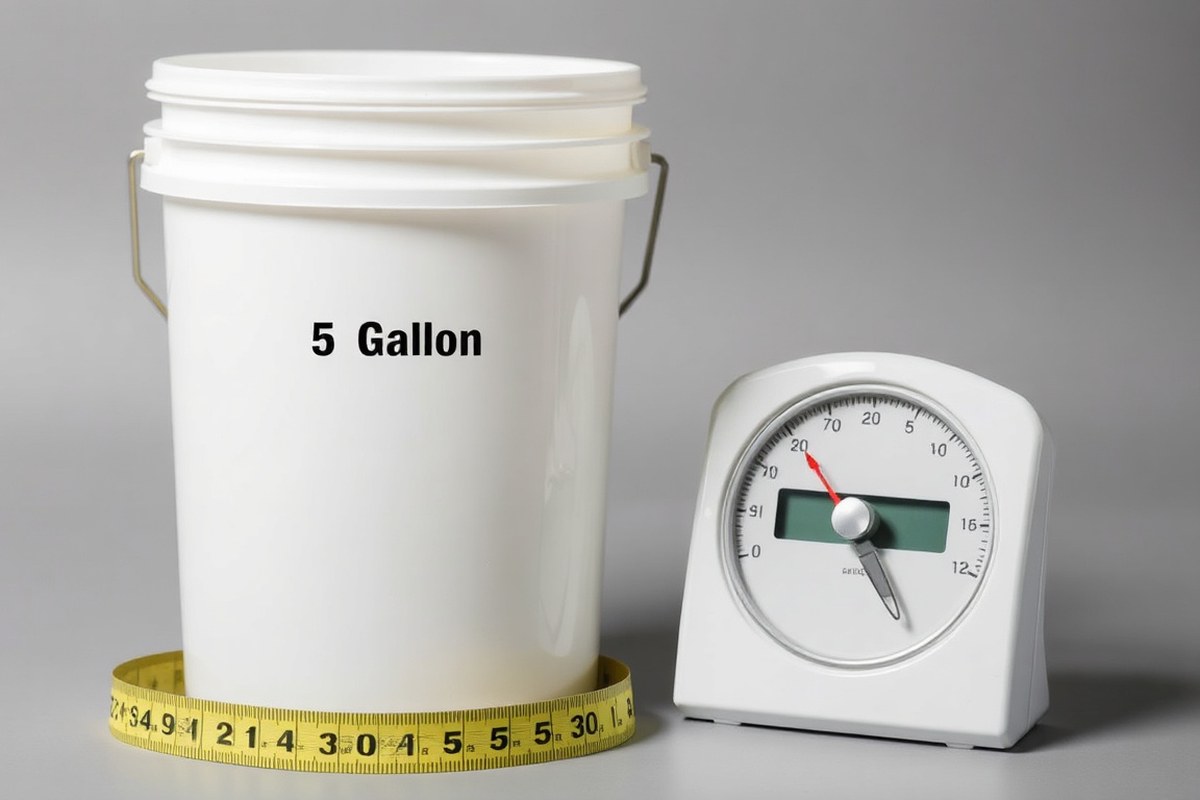
Five gallons of paint usually weigh between 40 and 65 pounds. The exact weight depends on the paint type. Latex paint is lighter, and oil-based paint is heavier.
Latex paint uses water as its base and weighs about 8 to 10 pounds per gallon. Five gallons of latex paint weigh between 40 and 50 pounds in total. Oil-based paint is heavier, around 10 to 12 pounds per gallon.
So five gallons weigh 50 to 60 pounds. Specialty paints like epoxy can weigh even more, from 45 to 65 pounds for five gallons.
A gallon of latex paint usually weighs 9 to 11 pounds. Oil-based paint weighs a bit more, about 10 to 12 pounds per gallon. Weighing the paint helps you plan handling and transport, especially when carrying full 5-gallon buckets.
Some specialty paints have thick resins that make them heavier. Even if the volume stays the same, these resins increase the weight.
What Factors Influence the Weight of 5 Gallons of Paint?
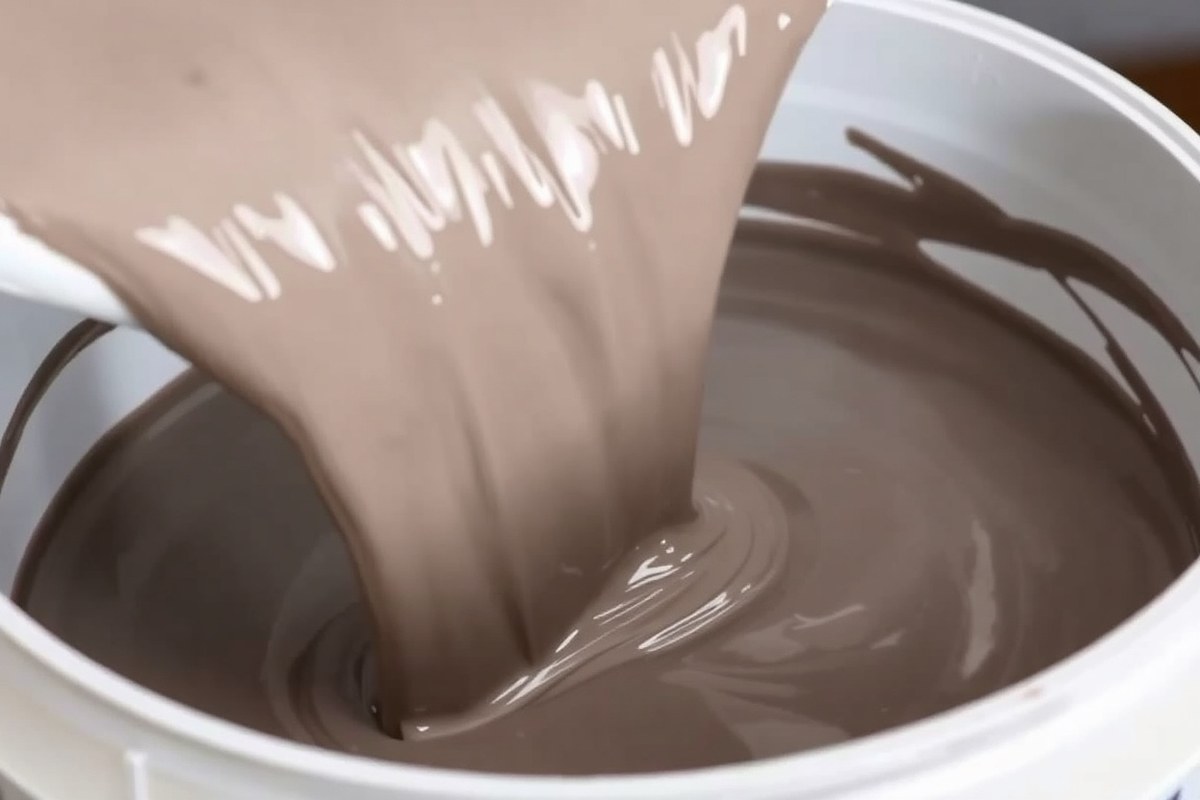
Several elements change how much 5 gallons of paint weighs. The mix of solids, pigments, and water inside the paint plays a big role.
Dense pigments and higher solids make the paint heavier. More water lowers the weight.
Additives like anti-mold or rust inhibitors add a little extra weight too. These usually add 1 to 2 pounds for the whole 5-gallon batch.
The container itself also adds weight. A typical 5-gallon plastic bucket weighs about 2 pounds, adding to the total load.
- Solids content: More solids mean heavier paint and better coverage.
- Pigments: Dense pigments increase the weight with more color particles.
- Water content: Water lightens the paint and affects drying and storage.
- Additives: Extra agents like anti-mold can add 1-2 pounds total.
- Container weight: Standard plastic buckets add about 2 pounds.
Water-based paints usually weigh less since water is lighter than oils or solids. Oil-based paints and those with special pigments like metallics tend to be heavier. Solids at 60% mean 60% of paint’s weight is particles.
Binders count as part of the solids, not the water. Water makes up the rest of the paint weight.
Lift carefully, adding the bucket weight to the paint’s weight can surprise you on tight spaces.
Knowing these factors helps you plan for lifting and storing paint. It also guides your choice of equipment for transporting or using the paint during your project. Keep the container weight in mind alongside the paint itself to avoid strain or spills.
Weight Differences Among Common Paint Types Explained
Paint weight varies by type due to differences in ingredients and density. Latex paint is generally lighter, while oil-based paints weigh more. Specialty acrylic and enamel paints fall between these types but can vary.
Latex Paint Weight Range
Latex paint usually weighs less because it’s water-based. Five gallons of latex paint often weigh between 40 and 50 pounds. This lighter weight makes it easier to handle for most DIY projects.
Water content in latex paint lowers its density. It’s also less dense than oil-based types, which use heavier solvents. This is why latex paint is common for interior walls and ceilings.
Oil-Based Paint Weight Range
Oil-based paints are denser and heavier than water-based latex options. Five gallons of oil-based paint typically weigh between 55 and 60 pounds. This adds strain when lifting or transporting large amounts.
The heavier weight comes from oil solvents and pigments used in the formula. These provide better durability and a smoother finish but increase paint density. You should plan for this when moving or storing oil-based paint.
Specialty Paint Weights
Acrylic and enamel paints weigh roughly the same as common latex or oil-based paints. A gallon of acrylic paint usually weighs about 12 pounds, similar to some latex options. Enamels vary widely but often fall close to these numbers.
The weight depends on the base materials and additives used in specialty paints. Some enamel paints are thicker or contain metal primers, adding weight. Knowing this helps estimate handling needs for specific jobs.
Here is a comparison of average weights for different paint types:
| Type of Paint | Density (g/mL) | Weight for 5 Gallons (lbs) |
|---|---|---|
| Water-Based (Latex) | 1.30 | ≈ 54.4 |
| Oil-Based | 1.40 | ≈ 58.5 |
| Acrylic | Varies around 1.25, 1.30 | ≈ 55, 60 |
| Enamel | Varies, often near 1.30 | ≈ 54, 59 |
Use the paint type and its weight range to plan lifts and transport. Heavier oils need extra care and possibly a helper. Lighter latex paint lets you work longer without fatigue.
How to Accurately Convert Gallons of Paint to Pounds
You convert gallons of paint to pounds by multiplying the volume by the paint’s density. Density is the weight of one gallon of the paint, usually in pounds per gallon. Knowing this lets you calculate the total weight accurately.
Basic Gallons to Pounds Formula
The formula to convert gallons to pounds is simple. Multiply the number of gallons by the paint density in pounds per gallon.
The formula looks like this: Weight (lbs) = Volume (gallons) × Density (lbs/gallon). Having the density is key because different paints vary in weight per gallon.
Example Calculation for 5 Gallons of Latex Paint
Take latex paint as a typical example with a density near 11.2 pounds per gallon. Many latex paints share this common weight per gallon. This value helps you plan your project accurately.
To find the weight of 5 gallons, multiply 5 by 11.2. So, 5 × 11.2 = 56 pounds total weight for the paint alone.
This weight excludes the bucket, which usually adds a couple of pounds. Including the bucket, a full 5-gallon container weighs closer to 58 pounds.
Adjusting for Paint Density Variations
Paint densities range roughly from 8 to 14 pounds per gallon. Water-based latex paints sit around 11 pounds per gallon. Oil-based and industrial paints can weigh more.
You don’t need an exact density to estimate paint weight. Use a general average close to 11 pounds per gallon.
This works for most common latex paints. This works for most home paints but isn’t exact.
Heavier industrial paints can push a 5-gallon container to 70 pounds. When exact weight matters, check your paint’s label or datasheet for density info. Follow these steps to convert gallons to pounds:
- Find out the volume of paint in gallons you have.
- Look up the paint’s density in pounds per gallon. Check product info or labels.
- Use the formula: multiply volume by density.
- Calculate the total weight by doing the multiplication.
- Add the weight of the empty container if you want total weight.
| Paint Type | Density (lbs per gallon) |
|---|---|
| Latex (Water-based) | 11 to 11.2 |
| Oil-based | 12 to 14 |
| High solids industrial | Up to 14 |
How Much Does an Empty 5-gallon Paint Bucket Weigh?
An empty 5-gallon paint bucket usually weighs between 2 and 4 pounds. This weight varies depending on the bucket’s material and design. Knowing this helps you estimate total paint weight better.
It also helps when you need to carry or move paint. You can plan easier with this weight knowledge.
Packaging adds a small extra weight beyond the bucket itself. Usually, the lid, seal, and labels contribute about half a pound to a pound more. This is important when calculating total shipping or lifting load.
- Plastic buckets: around 2.5 to 3.5 pounds
- Metal buckets: closer to 3.5 to 4 pounds
- Heavy-duty plastic: up to 4 pounds or slightly more
- Buckets with reinforced handles weigh a bit more
- Thin plastic or disposable buckets weigh under 3 pounds
The bucket’s material affects not only weight but durability and reuse options. Plastic ones are common and lighter but may crack if dropped. Metal buckets hold up better but add to the burden when moving paint around.
Always weigh the empty bucket first. Do this alone without any paint. This gives you the exact weight of paint added later.
Adding paint means you often carry 50 pounds or more total weight. Recognizing that around 3 pounds come from the empty bucket lets you plan proper carrying tools. This prevents strain and helps avoid injury on the job or in your home projects.
Safe Techniques and Equipment for Handling 5 Gallons of Paint
Lifting, moving, and storing 5-gallon paint buckets safely requires the right techniques and tools. These buckets weigh between 50 and 70 pounds. That is heavy enough to cause injury or damage.
Handle them carefully to avoid problems. Follow proper posture, use equipment like dollies, and store containers on strong shelves to work safely.
Proper Lifting Posture and Techniques
Bending your knees, not your back, is key when lifting a 5-gallon paint bucket. Keep the load close to your body and avoid twisting while carrying it.
Use your leg muscles to do the heavy lifting. Take your time and make sure you have a good hold before lifting.
- Stand close to the bucket with feet shoulder-width apart
- Bend at the hips and knees, not the waist
- Grip both sides of the bucket handle firmly
- Keep your back straight and chest forward
- Lift slowly by straightening your legs
- Walk carefully, avoiding sudden twists or turns
When a bucket feels too heavy, get help. Use lifting tools or equipment to move it. Never carry up or down ladders with a full 5-gallon bucket.
Using Dollies and Carts for Transport
Dollies and hand carts reduce strain when moving heavy paint containers. They help you move multiple buckets at once without risking your back.
Select a dolly or cart with a weight capacity of at least 70 pounds per load. Look for ones with sturdy wheels to handle rough surfaces or stairs.
- Use a two-wheel dolly for single buckets
- Choose a platform cart for moving several buckets together
- Secure buckets with straps to prevent tipping
- Push carts steadily, avoiding sharp turns
- Lift carts carefully on and off vehicles
Dollies often cost between $30 and $80 at hardware stores. Investing in one can save effort and injury risk.
Best Practices for Paint Storage
Keep 5-gallon paint buckets on strong shelves or pallets. Make sure they support at least 70 pounds each.
Store them safely to prevent accidents. Avoid stacking too high to prevent tipping or damaging buckets.
Keep paint out of direct sunlight and away from extreme temperatures. Heat can cause pressure to build up, while freezing can spoil the paint.
- Use metal or heavy-duty wood shelving sturdy enough for heavy loads
- Place buckets on pallets or bottom shelves to ease access
- Store in a cool, dry place away from direct sun
- Ensure lids are tightly sealed to prevent spills
- Label shelves with weights and paint types
Proper storage prevents spills, extends paint life, and keeps your workspace safe. Inspect buckets regularly for leaks or damage.
How Paint Weight Changes as It Dries and Its Practical Impact
Yes, paint loses significant weight as it dries. This happens because paint contains water and solvents, which evaporate during drying. The volatile compounds leaving the paint reduce both its weight and volume.
Volatile organic compounds (VOCs) and water in the paint are the main causes of weight loss. When you spread the paint on a surface, these compounds start to evaporate almost immediately. After several hours to a day, the paint can lose weight.
It might drop by 30% or more. This depends on temperature, humidity, and paint type.
This weight change does not affect how much area 5 gallons of paint can cover much. You apply paint when it’s wet. So coverage is based on the volume before drying.
Drying makes the paint film shrink and weight drop. The paint still covers the same area.
It just gets lighter after drying. Applying a consistent, even coat helps avoid wasted paint and ensures good coverage.
Temperature and humidity can slow or speed up drying, impacting weight loss timing. Cooler or more humid conditions slow evaporation, so the paint stays heavier longer. When planning a project, know that the 5 gallons will weigh less after drying.
But the volume stays fairly stable for spreading. Always store paint in a temperature-controlled place to keep its weight and flow consistent.
Knowing paint loses weight as it dries helps during big jobs like painting boats or RVs. Your finished weight load will be lighter, which matters for transport or balance.
Handling 5 gallons wet requires more strength. But after drying, the paint adds little weight to what you painted.
Keep these points clear: paint weight decreases during drying due to solvent evaporation. This doesn’t reduce coverage because you paint when the product is wet. Environmental factors control how quickly weight drops.
Handling wet paint means dealing with its full weight. Dried paint is lighter but still covers the same area.
Estimating Paint Weight When Type or Brand Information Is Missing
Without label info, base your estimate on average paint densities. Most 5-gallon paint buckets weigh between 40 and 60 pounds. Use 50 pounds as a mid-range estimate if you lack product details.
Paint weighs more when it has extra solids or pigments. Additives like primers or specialty chemicals increase density and weight. If you expect thick or heavily pigmented paint, add 5 to 10 pounds to your estimate.
- Assume 10 pounds per gallon on average for common interior latex paint
- Use 8 pounds per gallon if you believe the paint is water-based and thin
- Consider 12 pounds per gallon for oil-based or high-solids paints
- Add 5 pounds for additional additives or special coatings
- Subtract 2 to 3 pounds if the paint is labeled as low-VOC or low-solid
Follow this decision tree: first guess the paint type (latex, oil, specialty). Multiply by gallons (5).
Then adjust for additives. This approach keeps your estimate realistic without brand data.
Never lift a 5-gallon bucket without checking or approximating its weight to avoid injury.
Estimating density lets you plan for storage, transport, and handling safely. Avoid surprises by rounding up when unsure. Use manufacturer details when available to fine-tune your numbers.
Comparing Weights for Bulk Paint Containers and Specialty Paints
Bulk paint containers weigh much more than typical 5-gallon buckets. A 55-gallon drum of paint often weighs between 500 and 1,000 pounds. This wide range depends on the paint type.
Industrial and specialty paints, like epoxy or textured finishes, weigh noticeably more than household latex paint. Their thick formulas contain dense additives that boost the weight per gallon.
Specialty paints can reach about 15 pounds per gallon. That means a 5-gallon bucket can weigh over 75 pounds. This is about 50% heavier than regular latex paint.
Standard latex paint weighs around 12 pounds per gallon. Oil-based paints and primers also tend to be heavier than latex. But not as heavy as epoxy or textured finishes.
Heavier paint containers affect shipping costs and handling methods. Shipping companies charge based on weight, so a heavier container costs more to send. Handle these containers carefully because they’re heavier than usual.
Extra weight can cause injuries or spills if not careful. Using a proper dolly or two-person lift helps when moving 55-gallon drums or heavy buckets.
| Paint Type | Approximate Weight per Gallon (lbs) | Typical Weight for 5 Gallons (lbs) |
|---|---|---|
| Standard Latex Paint | 12 | 60 |
| Oil-Based Paint / Primer | 13 | 65 |
| Textured Paint | 18 | 90 |
| Epoxy / Industrial Coatings | 15 | 75 |
| 55-Gallon Drum (varies by type) | ~9 to 18 | 500 to 1000 |
When planning a project with bulk paint, remember these heavier weights. Shipping requires strong packaging and added cost if the total weight goes past typical limits. Storage needs more stable shelving to hold heavy drums safely.
Handling heavy specialty paint also means wearing gloves and removing obstacles. These steps reduce the chance of dropping or spilling.
Step-by-Step Action Plan for Handling 5 Gallons of Paint
Use this plan to manage 5 gallons of paint safely and efficiently. Follow these steps to know the paint’s weight and handle it with care.
- Before you start: Check the paint label or product sheet for weight per gallon. This tells you the exact weight for 5 gallons.
- Day 1: Weigh the empty 5-gallon bucket to know its baseline weight. Use a scale that can handle at least 60 pounds.
- Day 1: Fill the bucket with paint and weigh it again. Subtract the bucket’s weight to find the net paint weight.
- Day 2: Store the paint in a cool, dry place to prevent drying or thickening. Check weight changes if planning to move it later.
- Week 1: Use protective gloves and a sturdy dolly to move the bucket safely. Verify no spills or leaks occurred during transport.
- Week 2: Apply paint in small batches if possible to manage the weight. This reduces strain and keeps application smooth.
- After use: Clean or seal the bucket properly to save leftover paint. This cuts down waste and keeps paint ready to reuse.
Frequently Asked Questions
How Do Temperature Changes Affect the Weight of 5 Gallons of Paint?
Temperature changes can cause paint to expand or contract slightly. This may change the weight a little. It doesn’t affect paint coverage.
Can Humidity Impact the Weight or Handling of a 5-gallon Paint Bucket?
High humidity can add surface moisture but won’t add meaningful weight. However, it can make the bucket slippery, so be careful handling.
Is the Weight of 5 Gallons of Paint Different Between Indoor and Outdoor Paint Types?
Yes, outdoor paints may contain more solids or additives, making them heavier. This affects transport and handling compared to lighter indoor paints.
Can Additives Like Thickeners or UV Blockers Increase Paint Weight in 5-gallon Containers?
Additives can raise the paint’s density, making the 5-gallon bucket heavier. Check product info or ask the supplier for precise weight.
Does Dried Paint Residue Inside an Empty 5-gallon Bucket Affect Its Weight?
Yes, leftover dried paint adds extra pounds to the empty bucket’s weight. Clean buckets weigh less and are easier to carry.
Final Thoughts
Five gallons of paint usually weigh between 40 and 60 pounds, depending on the type. Knowing this helps you plan safe handling and storage. Check your paint’s label to find its exact weight before moving or storing it.