How Long Does Brake Fluid Last? A Complete Guide with Expert Tips
How long does brake fluid last in your car? Brake fluid usually needs a change every 2 to 3 years. This schedule stays the same no matter the miles driven.
Regular changes keep your brakes working safely. This is because brake fluid absorbs moisture over time, which lowers its ability to handle heat.
Too much moisture in brake fluid can cause brake fade, especially during heavy stopping. You should check your brake fluid regularly and follow the schedule your vehicle’s manual recommends. Waiting too long can risk brake failure or costly repairs.
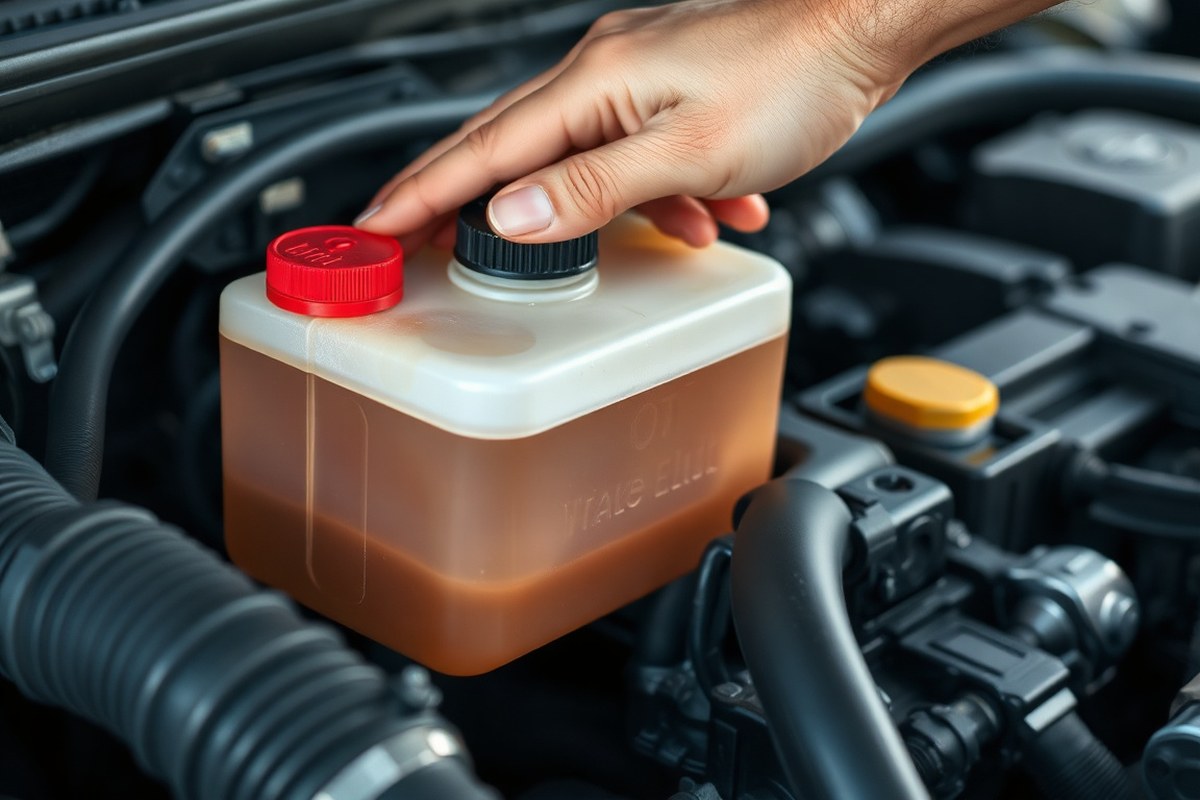
Start by inspecting your brake fluid’s color and level in the reservoir. Dark or dirty brake fluid means it should be replaced soon. Check the fluid color regularly for signs of wear.
Fresh fluid looks clear and light. Keeping fresh brake fluid helps maintain safe braking and prevents damage to your brake system.
Key Takeaways
- Changing brake fluid every 2 to 3 years keeps your brakes safe. This routine does not depend on how much you drive. Keeping clean fluid helps stop your car well.
- Brake fluid absorbs moisture that lowers its boiling point and performance.
- Moisture above 3 percent in brake fluid significantly increases brake fade risk.
- Check brake fluid level and color regularly to spot signs of deterioration.
- Flush brake fluid completely instead of just topping it up when dirty.
- Follow your manufacturer’s brake fluid change interval, usually 2 to 5 years.
How Long Does Brake Fluid Typically Last in a Vehicle?

Brake fluid usually lasts about two to three years under normal conditions. This holds true no matter how many miles you drive. Most car makers and mechanics suggest changing it in this time.
This keeps your brakes safe and working well. Don’t wait too long to replace it.
Brake fluid absorbs moisture from the air over time. Moisture lowers brake fluid’s boiling point. This can make brakes work poorly.
Hard stops are especially risky with wet fluid. Even if you don’t drive much, moisture still sneaks into the fluid. So mileage doesn’t have a big effect on how long brake fluid lasts.
The exact replacement interval depends on the type of brake fluid your vehicle uses. For example, DOT 3 fluid usually needs changing every two years. DOT 4 lasts about two to three years.
DOT 5 fluid doesn’t absorb moisture and can last up to five years. Always check your owner’s manual for brake fluid type.
Follow the car maker’s suggested change schedule. This keeps your brakes in good shape.
Getting your brake fluid replaced generally takes 30 to 60 minutes at a shop. The cost isn’t very high unless your brake system has extra damage. Don’t wait too long for brake fluid service.
Old fluid can cause brake failure risks. It may also lead to costly repairs.
Types of Brake Fluid and Their Different Lifespans
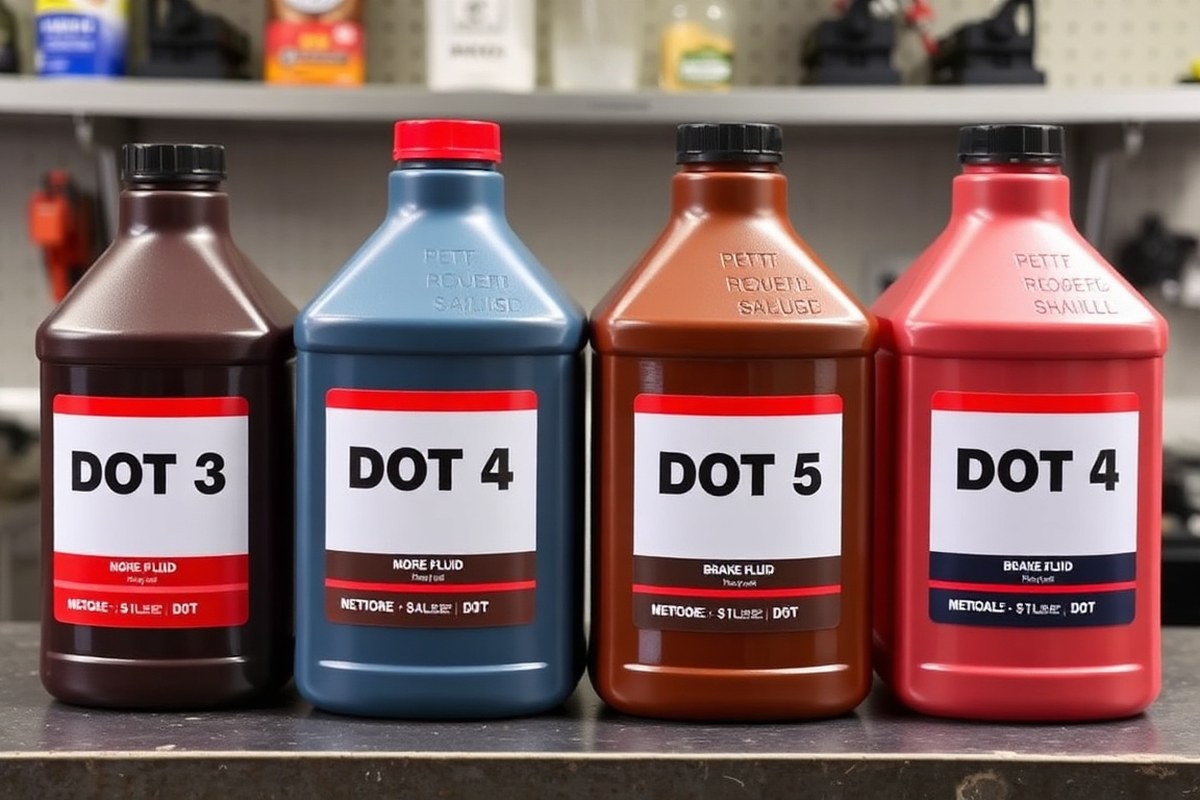
Brake fluid types differ in chemistry, boiling points, and moisture absorption. These differences affect how long each type lasts and their performance in your brake system. Understanding these can help you choose and maintain the right brake fluid for your vehicle.
DOT 3 Brake Fluid Characteristics and Lifespan
DOT 3 brake fluid is glycol-based and absorbs moisture over time, which lowers its boiling point. It has a dry boiling point near 401°F (205°C). When wet, it drops to 284°F (140°C).
This lower point makes it prone to vapor lock. This fluid usually lasts about two years before replacement. You need to change it to avoid brake fade or corrosion.
It absorbs moisture through hoses and seals from the air. Moisture slowly builds up inside your brake system.
When the fluid gets saturated, its safety drops a lot. Performance suffers too, needing a full flush and refill.
DOT 4 and DOT 5.1: Improve Performance and Duration
DOT 4 is also glycol-based but upgraded with additives for higher boiling points. Its dry boiling point reaches about 446°F (230°C). The wet boiling point is around 311°F (155°C).
DOT 4 lasts about 2 to 3 years, longer than DOT 3. It handles moisture better before braking starts to suffer.
DOT 5.DOT 1 has high boiling points like DOT 5. It’s glycol-based and hygroscopic with 500°F dry and 356°F wet points.
It’s common where higher heat resistance is needed. Both DOT 4 and 5.1 absorb moisture but tolerate more of it without braking issues.
Never mix DOT 3 with DOT 4 or DOT 5.1 fluids. It lowers boiling points. Use only the type your car specifies.
DOT 5 Silicone-Based Fluid: Advantages and Restrictions
DOT 5 fluid is silicone-based and does not absorb moisture. It can last over five years without breaking down.
Its boiling points remain high, around 500°F (260°C) or more, even when exposed to moisture. That makes it very stable, especially in hot or humid conditions.
DOT 5 does not mix with glycol-based fluids like DOT 3, 4, or 5. It’s incompatible with those brake systems.1.
It should never be mixed with them, as this can cause brake system issues. DOT 5 is mostly used in specialty or vintage vehicles rather than typical consumer cars.
Why Does Brake Fluid Degrade over Time?
Brake fluid is called hygroscopic because it pulls moisture from the air. It soaks up tiny amounts of water through rubber seals and hoses. This happens inside your brake system.
Over time, water builds up in the fluid. Over time, even if you’re not driving much, this moisture build-up happens naturally.
When brake fluid absorbs water, it changes how well the fluid handles heat and pressure. Moisture lowers the fluid’s boiling point, which can lead to brake fade during hard stops. Brake fluid with 4 to 5 percent water content lowers braking power.
This level of water risks a big loss in function. It can make brakes less reliable.
Moisture also causes corrosion inside brake parts, which damages calipers, lines, and master cylinders. Corrosion builds up gradually over months or years, eating away at metal components. This damage raises repair costs well above the small price of fresh brake fluid.
Brake fluid absorbs water over time. You should replace it every 2 to 3 years. This keeps your brakes working safely.
This timeline prevents moisture from reaching levels that hurt performance. Using a quality fluid and changing it regularly keeps your brakes working safely and smoothly.
Signs Your Brake Fluid Has Gone Bad
Brake fluid color changes when it degrades, making it easy to spot problems. Fresh brake fluid looks clear or light amber. Dark brown or black fluid signals contamination and a need for replacement.
Your brake pedal can also tell you about fluid quality. A soft or spongy pedal means the brake fluid may have absorbed moisture or air. This condition can reduce your stopping power and risk damage to brake parts.
Some braking symptoms suggest fluid failure and trouble ahead. These include a brake pedal that sinks too far when pressed. You might notice longer stopping distances.
Poor ABS performance is another sign. Such signs show that the brake fluid isn’t holding pressure well anymore.
- Dark or cloudy brake fluid instead of clear or light amber
- Soft, spongy, or sinking brake pedal when you apply pressure
- Longer stopping distances or delayed brake response
- ABS warning lights or reduced ABS braking effectiveness
- Brake fluid test strips showing moisture content above 3%
- Visible corrosion on brake components caused by bad fluid
Using inexpensive brake fluid test strips lets you measure moisture directly. Pushing the pedal can help you feel sponginess or softness. Look inside the reservoir with a flashlight to check fluid color.
Signs don’t usually appear all at once. But any of the above means you should inspect your brake fluid. Checking your brake fluid only takes a few minutes.
It costs less than $10 for test strips. Visual inspection and testing are quick and simple. Spotting problems early keeps your brakes safer and prevents costly repairs.
How to Check Your Brake Fluid Condition at Home Safely
Checking your brake fluid at home starts with seeing if the level and clarity look right. You can use a simple fluid test strip to check water content. Taking safety steps when handling brake fluid prevents damage and injury.
Preparing the Vehicle and Tools for Inspection
Park your vehicle on a flat surface. Make sure the engine is off and cool to avoid burns or spills. Find the brake fluid reservoir under the hood.
It’s usually a small clear plastic container. Look for MIN and MAX marks on the side.
Have a clean rag and a flashlight handy. These will help you see the fluid level and clarity properly. Also, get a brake fluid test strip from an auto parts store to check water percentage.
- Open the brake fluid reservoir cap carefully to avoid contamination.
- Shine your flashlight inside to check the fluid’s look. See if it’s clear or cloudy. Also check the fluid level.
- Clean any dirt or grease off the reservoir cap and surrounding area before replacing the cap.
- Wipe the test strip with a rag before dipping into the fluid. Follow your test strip’s instructions carefully.
Using a Test Strip to Measure Moisture Content
Test strips show the percentage of water in your brake fluid. Water reduces brake efficiency and damages parts over time. Most strips have a color chart to compare water content after a few seconds in fluid.
Dip the strip exactly as the instructions say, usually just a few seconds. Match the strip’s color with the chart.
Check if water content is below 3 percent safety limit. Replace brake fluid immediately if the test shows 3 percent or more water.
- Remove the test strip from its package without touching the reactive areas.
- Dip the test strip into the reservoir fluid for the recommended time (usually 2-3 seconds).
- Hold the strip level and wait the instructed reaction time (typically 15-30 seconds).
- Match the strip color with the chart to determine water content percentage.
- Decide if the fluid needs changing based on the result: 3 percent or above is unsafe.
Safety Measures When Handling Brake Fluid
Brake fluid can harm paint and skin, so wear latex gloves and avoid spills. Work in a well-ventilated area to avoid inhaling fumes. Always clean spills immediately with water and a rag to protect your car’s paint.
Keep brake fluid out of reach of children and pets. Use only the recommended brake fluid type for your vehicle to avoid damage. Store the brake fluid container tightly sealed and away from heat or flame.
Never reuse brake fluid once it’s been exposed to air or dirt. It can fail when you need it most.
Flush vs. Top-Up: When to Replace or Add Brake Fluid
Adding brake fluid to top off your system only works if the fluid is still clean. Use topping up to maintain proper levels between complete flushes. Don’t just top off old or dirty brake fluid.
Dirty fluid lowers brake power. It can also cause rust inside the system.
A full brake system flush is needed when the fluid has absorbed moisture or dirt. This usually happens every 2 years or 24,000 miles, depending on vehicle use and conditions. Flushing gets rid of old brake fluid from all parts.
It then adds fresh fluid that fights rust and heat. This helps your brakes work better.
Adding fluid doesn’t remove water or dirt inside brake lines. Those things stay and can damage your brakes. Flushing is needed to clean the system.
Over time, moisture causes corrosion and can degrade brake pedal feel. Expect a softer brake pedal and longer stops without flushing.
You might also see ABS warning lights on your dashboard. These signs mean your brakes need attention.
To flush brakes, drain all old fluid from the master cylinder. Open bleed valves at each wheel to remove old fluid too. Then add fresh brake fluid to the system.
Then, refill the system with the correct DOT brake fluid type specified by your vehicle manufacturer. Use a sealed new bottle every time to avoid contamination. Brake flushing takes about half an hour to an hour around.
Shops often charge between $80 and $150 for this service. Prices may vary by location and vehicle type.
Check brake fluid condition before topping up. Clean fluid looks clear or slightly amber. Dark, cloudy, or dirty fluid means you should flush instead.
When brake or ABS lights turn on, act fast. Schedule a flush soon to avoid damage. This keeps your brakes safe and working right.
Environmental and Driving Factors That Shorten Brake Fluid Life
Hot climates speed up brake fluid breakdown because heat raises its temperature often above 200°F. Brake fluid soaks up moisture from the air. This lowers its boiling point. It also causes corrosion inside the brake system.
In humid places, moisture gets into the fluid faster. This makes the fluid go bad sooner. Sometimes it happens before two years.
Heavy or mountain driving puts extra stress on brake fluid. Continuous braking raises heat and pressure in the brake lines, breaking down the fluid quicker. If you tow heavy loads, change fluid every year or 15,000 miles.
This helps stop brake problems. Regular changes keep braking safe. Driving in mountains, like long downhill stretches, needs the same fluid schedule.
Change brake fluid yearly or every 15,000 miles. This keeps brakes safe.
Vehicles used only occasionally face a different issue. Brake fluid sitting unused still absorbs moisture over time. So its quality declines even without driving.
Classic cars or those driven just a few hundred miles yearly need fluid changes every 3 to 5 years. This prevents brake system damage. Check your brake fluid condition every year.
Test its moisture level to avoid surprises. This helps keep your brakes ready.
Check your vehicle’s brake fluid based on your typical use and climate. Living in hot, humid areas means you should change fluid about every year. Shorter intervals help protect your brake system.
Regular drivers can follow the two-year or 30,000-mile fluid change schedule. This covers most daily commuting and errands.
It keeps brakes working well. For frequent heavy use or demanding drives, annual changes provide better safety and fewer brake repairs.
When changing brake fluid, make sure the technician uses the right type for your situation. DOT 4 is good for everyday driving with moderate stress. DOT 5.Type 1 or racing brake fluids work better for tough uses.
They handle higher heat and soak up less moisture. Great for track or heavy-duty driving. Silicone-based DOT 5 fluid fits classic cars without ABS systems but needs more care during installation.
Common Mistakes When Handling Brake Fluid and How to Avoid Them
Mixing brake fluids incorrectly can cause major damage to your brakes. DOT 3 and DOT 4 fluids both use glycol, so they blend okay. But never mix them with DOT 5, which uses silicone.
Silicone and glycol don’t work well together and can harm seals. This damage may cause leaks and brake failure.
Brake fluid must be stored correctly to keep it usable. An unopened bottle lasts 2 to 4 years. Keep it sealed tight.
Store it somewhere cool and dry. Once opened, the fluid quickly soaks up moisture from the air. This moisture lowers the fluid’s boiling point.
It can also cause rust inside your brake system. Always close the cap tightly and store it away from heat and humidity.
Contaminated brake fluid affects braking performance and safety. Dirt, water, or dust can get into brake fluid easily. This happens if the container or reservoir stays open too long.
Contaminated fluid can harm your brakes. Use clean tools, and avoid touching the fluid opening with dirty hands. Always use fresh fluid from a sealed container and pour carefully to prevent spills and contamination.
Only use brake fluid types recommended for your vehicle. Never mix DOT 5 silicone fluid with glycol-based types.
When to Call a Professional for Brake Fluid Service
Call a pro for brake fluid service if you’re unsure about the job. Notice clear signs of brake fluid problems? Don’t wait to get help.
Pros have the right tools to handle brake fluid safely. They know how to keep your brakes working well.
Some brake systems and car models need expert care. This prevents damage and keeps you safe.
Signs You Need Professional Brake Fluid Service
Dark or cloudy brake fluid with particles means it’s time for service. Your brake pedal feels spongy. Brakes respond slowly.
These are strong signs of brake fluid issues. You see leaks under the car or a brake warning light. Get professional help immediately.
Driving in heavy traffic, mountains, or high humidity can degrade brake fluid faster. Can’t remember when the fluid was last changed? It’s smart to get a pro to check it.
Don’t attempt to swap brake fluid if you lack experience. It’s better to be safe.
Standard Procedure and Equipment Professionals Use
Pros use bulk brake fluid flush machines that push out old fluid while refilling new fluid. They can flush each brake line individually to clear out all contaminants. These machines control pressure to avoid air bubbles that harm brake function.
Technicians also have tools like pressure bleeders and scanners to check brake system performance. They test the fluid’s moisture content and boiling point to confirm if it’s still good. Skilled pros can spot hidden issues like worn seals or leaks you might miss.
Typical Time and Cost Estimates for Fluid Replacement
Usually, a professional brake fluid flush takes 30 to 60 minutes per vehicle. It depends on your car’s make and model and the complexity of the brake system. A simple brake fluid change may be faster if no other repairs are needed.
Brake fluid replacement usually costs $70 to $150. Price depends on the shop, fluid type, and vehicle.
High-performance or specialty fluids can cost more. Expect extra charges if technicians find other issues during the inspection.
Step-by-Step Action Plan for Brake Fluid Care
Follow these steps to keep your brake fluid in good shape and avoid brake problems.
- Before your first drive: Check the brake fluid level and colour. Clear or light gold means it’s fine.
- Every 6 months: Inspect your brake fluid for cloudiness or dark colour. Replace it if you see signs of contamination.
- After 1 year or 20,000 miles: Flush your brake fluid completely. This removes old fluid and moisture buildup.
- Every oil change: Top off brake fluid if the level is low. But avoid mixing types of fluid.
- After harsh driving conditions: Check brake fluid more often in heavy traffic driving. Hills and wet areas also need more frequent fluid checks.
- Before roadside trips: Have a professional check your brake fluid if you haven’t done it recently.
- Right away when noticing brake issues: If your brake pedal feels soft, check fluid quickly. Strange brake response means don’t wait to inspect the fluid.
Frequently Asked Questions
How Often Should I Replace Brake Fluid in My Car?
You need to change brake fluid every 2 to 5 years to prevent moisture from damaging brake performance.
Can Old Brake Fluid Cause My Brakes to Feel Soft?
Yes, old brake fluid can absorb water and lower boiling point. That leads to a mushy or spongy brake pedal feel.
Does Brake Fluid Expire in an Unopened Container?
Sealed brake fluid can last several years but will slowly absorb moisture over time. Store it tightly sealed in a cool, dry place.
Is It Safe to Just Top Up Brake Fluid Instead of a Full Flush?
Topping up is okay temporarily but doesn’t remove moisture and contaminants. A flush every few years is best for safety.
Can Leaking Brake Fluid Affect How Long It Lasts?
Yes, leaks let air and moisture in, degrading fluid faster. Check for leaks and fix them promptly to protect your brake system.
Before You Go
Brake fluid lasts about 1 to 2 years depending on conditions. Keep an eye on fluid colour and brake feel to spot issues early. Check your fluid now to help keep your car stopping safely.