Do 4runner Seats Fold Flat – What You Should Know
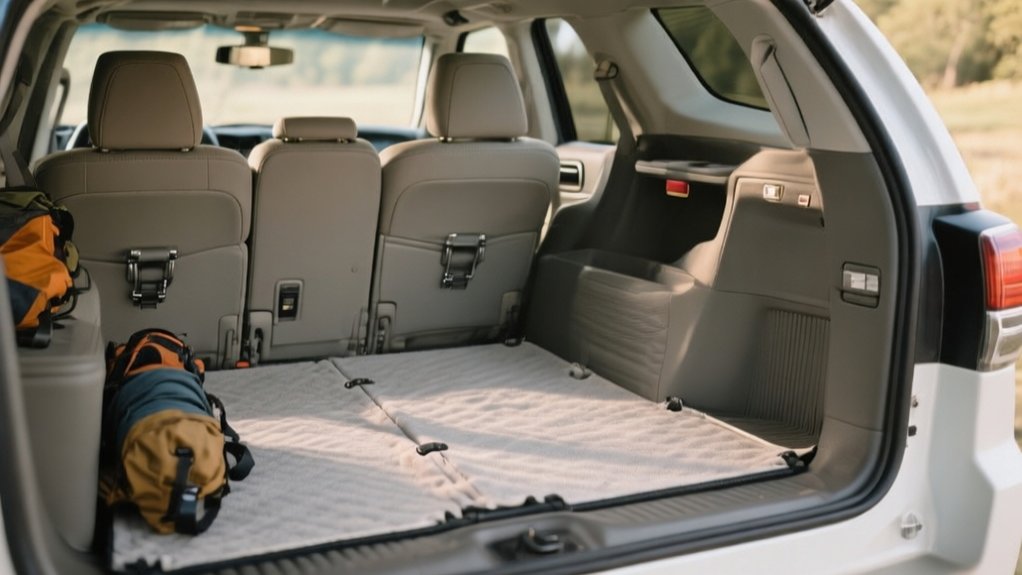
You’ll find that Toyota 4Runner seats fold down to expand cargo space, but they rarely lie completely flat, creating angled surfaces that can limit loading large items.
Trim levels like Limited and Nightshade offer flat-folding second and third rows, while base and SR5 trims do not.
Folding involves clearing obstacles, managing seatbelts, and using release levers for smooth operation.
Exploring seat configurations and accessories can help you optimize storage for your needs, with more details available ahead.
Key Takeaways
- Rear seats in most 4Runner models fold down but do not lie completely flat, creating an angled cargo surface.
- Limited and Nightshade trims feature second- and third-row seats that fold flat, unlike base and SR5 models.
- Folding seats requires clearing cargo, managing seatbelts, and using release levers or straps for smooth operation.
- Folding seats expands cargo space from about 47.2 to 89.7 cubic feet, providing a near-continuous surface for bulky items.
- Additional storage options like roof racks and hitch carriers enhance cargo capacity beyond seat folding.
Do 4Runner Seats Fold Flat for Maximum Cargo Space?
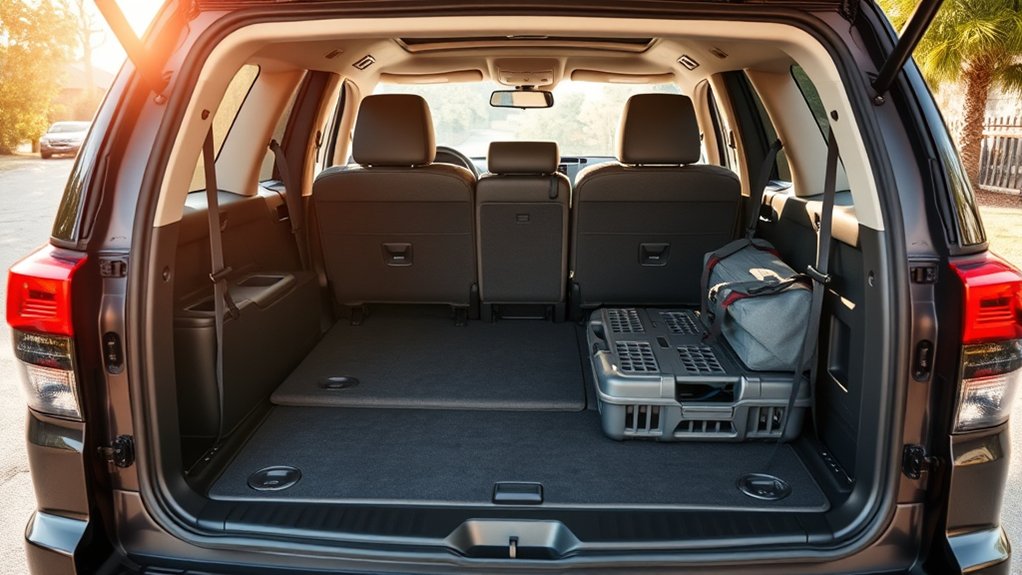
Wondering if the 4Runner seats fold flat to maximize your cargo space? The rear seats in the Toyota 4Runner do fold, but they don’t lie completely flat.
When you fold down the second-row seats, they create an angled surface instead of a level platform. This design may limit the loading of large, flat items or make sliding cargo slightly more challenging.
However, the seats still considerably increase your cargo capacity, allowing you to transport bulkier gear or luggage. The fold-down mechanism is straightforward and quick, making it easy to switch between passenger and cargo setups.
While not perfectly flat, the expanded space works well for most everyday needs, balancing passenger comfort and cargo utility.
Which 4Runner Models Offer Flat-Folding Seats?
Not all 4Runner models offer flat-folding seats, so it really depends on the specific model and year you’re looking at. Some versions come with a third-row seat that folds flat to give you more cargo space when you need it. Others focus on having a second-row seat that folds down easily, making it simple to clear out space for larger items.
Getting to know these differences is super helpful so you can pick the 4Runner that best fits your needs for space and versatility.
Third-Row Seat Options
Several 4Runner models come with third-row seats that fold flat, making it easier to carry larger cargo.
The 4Runner Limited and Nightshade editions offer these seats, which fold completely flat for maximum cargo space.
This feature is great if you often transport big items or want a flexible interior.
The folding process is simple, so you can switch from passenger seating to cargo space quickly and easily.
However, base and SR5 trims usually don’t have third-row seats, focusing instead on two-row setups.
If having fold-flat third-row seats matters to you, consider the higher trims that balance passenger room and cargo flexibility.
Second-Row Folding Mechanism
Two key 4Runner trims, the Limited and Nightshade, have second-row seats that fold flat. This makes it easier to carry larger items and adds more versatility.
This flat-folding design helps you maximize space without sacrificing passenger comfort when the seats are in use. It’s great for those who need both passenger and cargo flexibility.
Other trims like the SR5 and TRD Off-Road have split-folding seats, but they don’t fold completely flat. That can limit how much cargo you can fit in.
| 4Runner Trim | Second-Row Folding Type |
|---|---|
| Limited | Flat-folding seats |
| Nightshade | Flat-folding seats |
| SR5 | 60/40 split-fold, not flat |
| TRD Off-Road | 60/40 split-fold, not flat |
Knowing which trims have flat-folding seats helps you pick the right 4Runner for your cargo needs.
Differences By Model Year
Although flat-folding second-row seats have been a desirable feature in 4Runners, their availability varies depending on the model year and trim level. For example, 4Runners from the mid-2000s often had seats that folded up rather than flat, which limited cargo space flexibility.
Starting around 2010, Toyota improved this feature, with many trims offering seats that fold nearly flat, especially in Limited and TRD Pro models. The latest generations, beginning around 2020, provide even more consistent flat-folding seats across most trims, making cargo versatility much better.
However, base models may still have less refined folding mechanisms. If flat-folding seats are a priority for you, it’s important to check the specific year and trim when shopping. These differences directly impact how much cargo space you’ll gain when the seats are folded down.
How to Fold 4Runner Seats Step-by-Step
Before you start folding your 4Runner seats, it’s a good idea to clear out any items and adjust the seatbacks so everything goes smoothly. First, go ahead and fold down the second-row seats by pulling the designated release levers or straps—whatever works for your model. Once that’s done, move on to the third-row seats, lowering them flat to really maximize your cargo space. Easy as that!
Preparing Seats For Folding
Start by locating the release levers or straps on your 4Runner’s rear seats. These controls let you disengage the seatbacks for folding. Before folding, make sure the cargo area is clear to avoid obstructions.
Next, remove any items from the seat cushions and floor area behind the seats. This helps prevent damage or interference when the seats fold down. Adjust the front seats if needed to create enough space for the rear seatbacks to fold flat.
If your 4Runner has a center console or armrests in the rear seats, fold or move them out of the way. Finally, check that seat belts aren’t tangled or caught in the folding mechanism to ensure smooth operation when you pull the release levers or straps.
Folding Second Row Seats
To fold the second row seats in your 4Runner, find the release levers or straps at the base or side of the seatbacks. Pull the lever or strap firmly to release the seatback.
Next, push the seatback forward until it lies flat against the seat cushion or floor. If your model has split-fold seats, do this for each section you want to fold.
Make sure the seatbelt buckles are out of the way so they don’t get caught. After folding, check that the seats are securely flat to prevent any movement while driving.
This method is a great way to maximize cargo space and create a flat surface for larger items. For any specific steps or variations, refer to your owner’s manual.
Managing Third Row Seats
After folding down the second row seats, you can further increase your cargo capacity by managing the third row seats. The 4Runner’s third row seats fold in just a few simple steps, so you can maximize the flat loading space easily.
First, find the release strap at the base of each third row seat. Pull the strap firmly to release the seatback. Then, fold the seatback forward until it lies flat against the floor.
Finally, push the entire seat forward to nest it securely. This creates a smooth cargo surface, giving you more room for your gear.
Cargo Space Dimensions With Folded 4runner Seats
When you fold the seats flat in a 4Runner, it significantly boosts the available cargo space, making it easier to carry larger items.
With the rear seats folded down, the cargo area grows from about 47.2 cubic feet to around 89.7 cubic feet in most recent models.
The flat-folding seats create a nearly continuous surface, measuring about 42 inches wide between the wheel wells and roughly 80 inches long from the back of the front seats to the rear door.
This setup lets you fit bulky gear like camping equipment or furniture with less hassle. Keep in mind, exact dimensions can vary slightly by model year and trim, so it’s good to check your specific 4Runner’s measurements to plan accordingly.
Tips to Maximize Cargo Space With Folded Seats
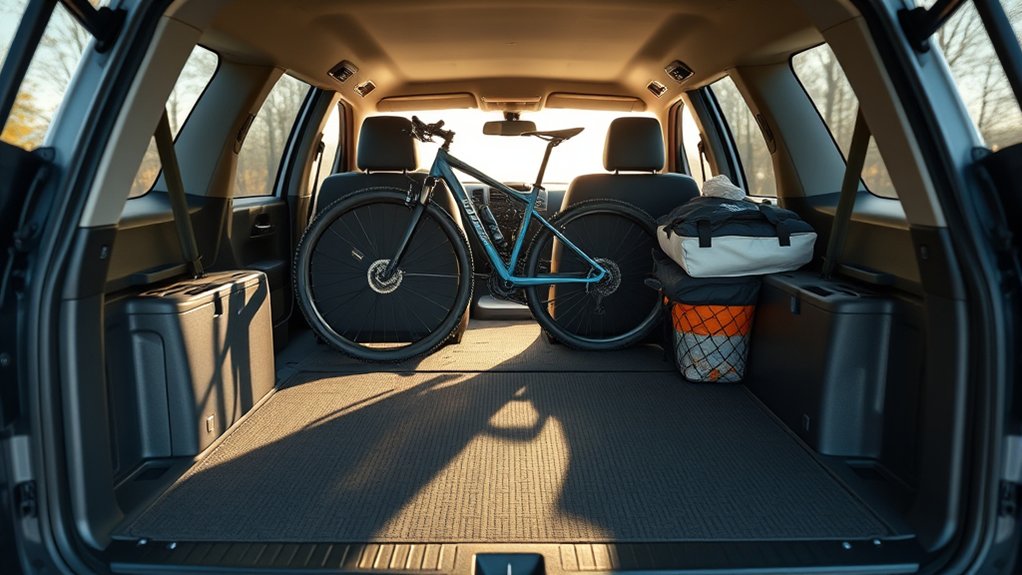
Although folding your 4Runner’s seats flat instantly boosts cargo space, there are extra steps you can take to make the most of it. Organizing and securing your items helps you use every inch without causing damage or shifting during the drive.
First, clear out any small, unnecessary items to keep the cargo area tidy and flat. Using storage bins or organizers keeps everything compact and prevents items from rolling around.
Start by removing small, unnecessary items and use storage bins to keep your cargo area organized and secure.
Distribute weight evenly by placing heavier stuff closer to the vehicle’s center. This helps keep your 4Runner stable on the road.
Finally, stack items carefully to take advantage of vertical space. Just make sure not to block your visibility or compromise safety.
How to Overcome Common 4Runner Seat Folding Limitations
Maximizing cargo space by folding your 4Runner’s seats flat definitely boosts functionality, but you might run into some common limitations that make it harder to use or fold the seats easily.
First, make sure to fully remove any floor mats or obstacles that could block the seat movement. If the seats don’t fold flat because of seatbelt anchors or design, try adjusting or temporarily detaching the seatbelts, but always follow safety guidelines.
Check for cargo hooks or brackets that might get in the way, and reposition them if possible. Regularly clean and lubricate the hinges to prevent stiffness and make folding smoother.
Alternatives to Increase Cargo Space Beyond Seat Folding
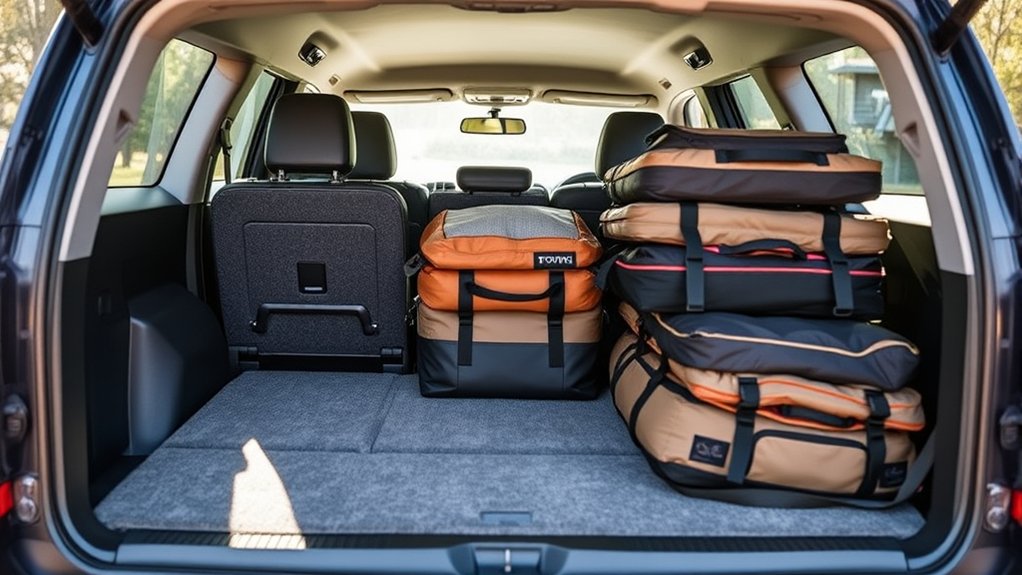
Expanding your 4Runner’s cargo capacity doesn’t have to rely solely on folding seats flat. There are several practical options you can use to maximize space efficiently. Consider these alternatives:
- Roof Rack or Cargo Box Use a roof rack or attach a cargo box for bulky items, freeing up interior space.
- Under-Seat Storage Utilize under-seat compartments to store smaller essentials neatly.
- Cargo Organizers Invest in cargo nets, bins, or dividers to keep gear organized and prevent shifting during travel.
- Rear Hitch Cargo Carrier Attach a hitch-mounted cargo carrier, ideal for extra luggage or outdoor equipment.
Frequently Asked Questions
Are 4runner Seats Heated or Ventilated When Folded?
No, 4Runner seats aren’t heated or ventilated when folded. The heating and ventilation features only work when the seats are upright and in use.
Once you fold the seats down, the electrical connections for those functions disconnect to prevent damage or short circuits.
Can Child Car Seats Be Installed With Seats Folded?
You can’t install child car seats with the seats folded because they need a secure, upright base.
Studies show over 90% of car seat installations fail when not done correctly, so proper positioning is vital.
In a 4Runner, the seats must be upright and locked to use the LATCH anchors or seat belts safely.
Folding the seats compromises stability and safety, so always verify seats are fully upright when installing child car seats.
Do Folded Seats Affect Rear Passenger Comfort?
Yes, folded seats can affect rear passenger comfort because folding the seats reduces available legroom and seating space.
When the seats are folded flat, rear passengers may have less cushioning and support, making long rides less comfortable.
You’ll also notice limited recline options and a firmer surface to sit on.
Is Seat Folding Electronically Controlled or Manual?
You might think all modern SUVs have electronic seat folding, but with the 4Runner, you’ll find it’s manual. You simply pull a lever or strap to fold the rear seats down.
This manual system is reliable and straightforward, avoiding electronic malfunctions. While it’s not as convenient as a button press, it gives you full control and reduces maintenance concerns.
It’s a practical choice for your adventures, especially if you prefer simplicity and durability over high-tech features.
Are Seat Covers Compatible With Folding Functionality?
Yes, most seat covers work with your 4Runner’s folding seats, but you’ll want ones designed specifically for fold-flat functionality.
Avoid covers that are bulky or rigid, as they can make folding and unfolding tricky. Look for stretchable, form-fitting materials that stay secure without blocking seat movement.
Always check the product description to make sure it’s compatible with folding seats. That way, you keep things convenient and maintain your vehicle’s versatility.
Conclusion
You now know that while most 4Runner models don’t fold completely flat, folding the rear seats still boosts cargo space considerably. You can get up to 47.2 cubic feet behind the second row.
This flexibility is great for hauling larger items without sacrificing passenger comfort. By understanding your model’s seat folding options and using smart packing tips, you can maximize your 4Runner’s cargo capacity.
This way, you’re ready to tackle any adventure with ease.