Can o2 Sensor Cause Misfire: What Actually Causes Misfires and How to Fix Them
Can an O2 sensor cause misfire? The short answer is yes.
The O2 sensor measures oxygen levels in the exhaust to guide fuel mixing. When it fails, the sensor may send incorrect data to the engine computer. This causes the engine to run too rich or too lean, upsetting the combustion process.
Wrong fuel delivery often leads to misfires, rough idling, and poor acceleration. It may also increase emissions and reduce fuel economy. Checking the O2 sensor is a key step when diagnosing misfire problems.
Use an OBD-II scanner to check for trouble codes and monitor fuel trims. Pay attention to slow or unsteady O2 sensor response times. Replacing a bad sensor usually takes 20 to 30 minutes and helps stabilize engine performance.
Key Takeaways
- A bad O2 sensor can cause misfire by skewing fuel mixture reports.
- Look for trouble codes P0300 or fuel trim over +12% or under -15%.
- High positive fuel trims mean the sensor falsely signals a lean mixture.
- Misfires linked to O2 sensors occur even if spark plugs seem fine.
- Replacing the O2 sensor often fixes misfires and restores smooth running.
- Use an OBD-II scanner to check short-term and long-term fuel trims.
Can a Faulty O2 Sensor Directly Cause Engine Misfire?
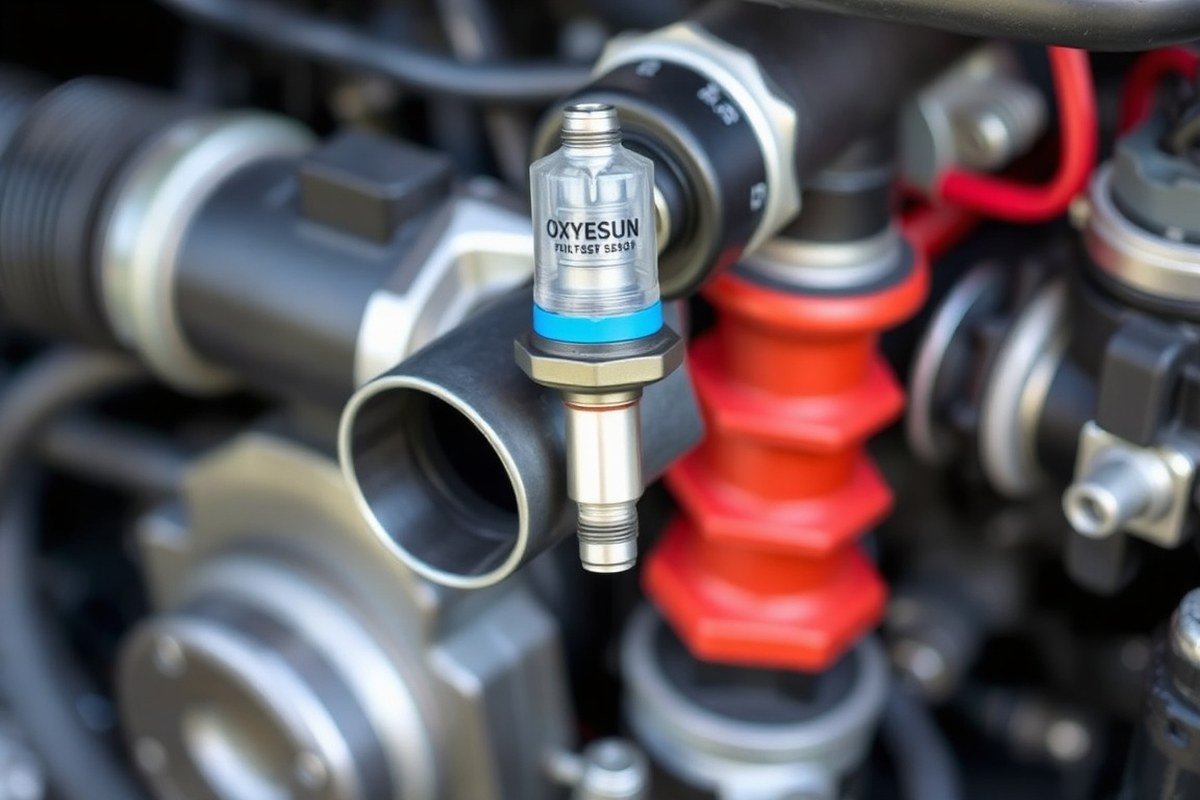
A bad oxygen sensor can indirectly cause engine misfires but does not cause them directly. It measures oxygen levels in the exhaust gas. This helps adjust the air-fuel mix.
It doesn’t control spark or fuel delivery. Spark systems and fuel injectors handle those tasks. So the sensor only reports conditions that can lead to misfires.
When the oxygen sensor sends wrong data, the engine computer may over- or under-fuel the engine. The wrong fuel mix can make the engine run too rich or lean. This causes misfires like rough idle or poor acceleration.
Still, the sensor itself doesn’t misfire the engine. It influences conditions that can cause misfires.
To tell if the O2 sensor causes or reports misfires, check sensor response time. Also watch fuel trim values with a scanner. The sensor might send bad data if it reacts slowly.
Erratic voltage changes and wide fuel trim swings show this. This bad data forces the computer to make poor fuel decisions, triggering misfires.
If fuel trims are steady but sensor readings jump around, the sensor is spotting real misfires. Use live data on an OBD-II scanner to watch sensor voltage.
See if it matches engine RPM or misfire codes. A slow or missing response usually points to sensor issues causing misfire conditions.
Replacing a faulty oxygen sensor generally costs between $100 and $300 including parts and labor. Good results include steady sensor signals changing every 0.3 to 0.5 seconds with narrow fuel trims around 0%.
Problems happen when sensor voltages lag behind or don’t change after seconds. Slow or failed sensors mess up fuel control.
A bad O2 sensor can cause misfires by messing up the air-fuel mix. But it won’t cause spark or injector failures itself. Quickly test the sensor with a scan tool.
Watch fuel trim to see if the sensor is the cause. Fuel trims staying normal but misfires continuing means check ignition or injectors for problems.
How Oxygen Sensors Monitor and Influence Air-Fuel Mixture
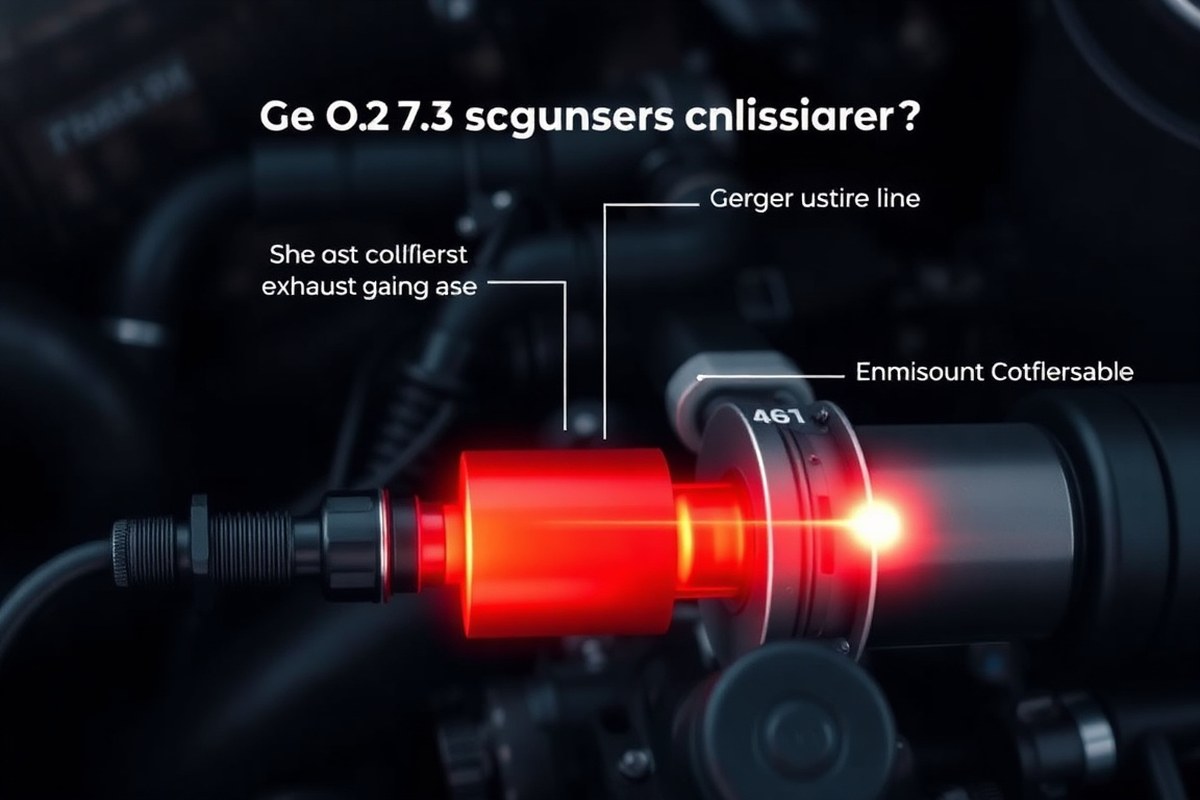
The oxygen sensor measures the amount of oxygen in the exhaust gases. It sends this information to the engine control unit (ECU). The ECU then adjusts the air-fuel mixture for better engine performance and emissions.
Upstream sensors sit before the catalytic converter. They monitor the air-fuel ratio right after combustion. This helps the ECU fine-tune fuel delivery under varying engine conditions.
Downstream sensors are located after the catalytic converter. They check how well the converter cleans exhaust gases.
The sensor produces a voltage signal based on oxygen levels. More oxygen means a lean mixture, with too much air and not enough fuel.
Less oxygen means a rich mixture, with too much fuel and not enough air. The ECU uses this signal to keep the mix balanced.
When the oxygen sensor sends wrong data, the ECU adjusts fuel improperly. This causes a poor air-fuel mixture that leads to incomplete combustion.
That unbalanced burn can make the engine misfire or run rough. It also lowers fuel economy and can raise emissions.
The sensor’s voltage typically ranges from 0.1 to 0.9 volts. It switches rapidly between high and low when working well.
The ECU learns from this data to keep the engine running smoothly. Bad sensors may send steady or erratic signals that confuse the ECU.
The upstream oxygen sensor starts working once the engine warms up, about 150°F. It continuously checks the mixture during operation. If it fails, the engine might run lean or rich for too long. The downstream sensor mainly confirms converter performance but affects efficiency too.
Always check oxygen sensor wiring and connections before replacement. A loose wire can cause false readings.
Common Symptoms of a Bad Oxygen Sensor Affecting Engine Performance
A failing oxygen sensor can cause several engine problems you might notice. Rough idling is common because the sensor sends wrong air-fuel mixture data. This causes the engine to hesitate or even stall at stoplights.
You’ll also see reduced fuel economy when the sensor runs rich. That means the engine gets too much fuel, making your gas tank empty faster. A bad O2 sensor can trigger your check engine light.
It glows on your dashboard. This light warns you of problems.
You might smell strong fuel from the exhaust. Black smoke can come from the tailpipe too. These are signs of a bad sensor.
These happen because unburned fuel exits the engine, showing the sensor isn’t reporting correctly. Poor throttle response and slower acceleration link to reduced engine power caused by bad sensor data.
- Rough idle causing steering wheel shakes at stoplights
- Pungent gasoline smell behind the car
- Check engine light glowing on your dashboard
- Reduced miles per gallon leading to more gas stops
- Black exhaust smoke visible near the tailpipe
- Sluggish acceleration and poor throttle response
You can spot some subtle clues by watching how your car runs at low speeds. The idle feels uneven or shaky. Check the sensor soon.
It might be causing the issue. Also, pay attention if you notice your usual gas mileage dropping by 10% or more.
Seeing black smoke while accelerating or smelling fuel after starting the car are clear signs. These are hints that fuel isn’t burning right due to sensor errors. Fixing or replacing a faulty oxygen sensor usually restores smooth idling and better mileage fast.
Diagnosing O2 Sensor Problems with OBD-II Codes and Live Data
Use an OBD-II scanner to check for O2 sensor problems. Read codes and live data from the scanner. This helps find if the sensor causes misfires.
Codes help identify sensor faults. Live data shows how sensors behave under different conditions. Checking fuel trim values confirms if the sensor is causing poor engine performance or misfires.
Common OBD-II Codes for O2 Sensor Issues
Certain error codes show O2 sensor problems directly or indirectly. Codes like P0130 through P0161 identify faults in upstream oxygen sensors or their circuits.
Other codes include P0172, which shows rich fuel conditions. Codes P2195 and P2270 point to sensor circuit range issues.
These can also affect engine performance. A random misfire code, P0300, often correlates with sensor issues when fuel trims exceed ±10%.
Running the scanner and noting codes points to bad sensors. Wiring problems may also cause the same misfire issues. This guides your repair steps.
Using Fuel Trim Data to Diagnose Sensor Problems
Fuel trim data shows how the engine changes fuel amounts. Check short-term and long-term fuel trims while idling. Also check trims at steady 2,000 rpm.
Watch for LTFT values over ±10%. This suggests the sensor may be bad.
Incorrect air-fuel signals can cause engine problems. High positive trims indicate a lean condition, while strong negatives suggest a rich mixture.
Fuel trims show if the problem is sensor or fuel delivery. Inconsistent upstream sensor data (Bank 1 Sensor 1) often means sensor trouble. This helps separate the causes.
Live Data Parameters to Monitor for Misfire Detection
To get live data, connect an OBD-II scanner that supports streaming sensor output. Pay close attention to the O2 sensor voltage fluctuations, which usually swing between 0.1 and 0.9 volts.
Sensor readings should cycle smoothly every few seconds. Erratic or stuck values can indicate a faulty sensor. Compare sensor values at idle and at 2,000 rpm.
See if numbers change with engine load. This shows if the sensor reacts properly.
Look for fuel trim changes with O2 sensor readings. This confirms if the sensor causes rich or lean conditions. Those conditions often trigger misfires.
- Plug your OBD-II scanner into the vehicle’s diagnostic port under the dash.
- Turn the ignition to the “on” position without starting the engine.
- Use the scanner menu to read stored trouble codes and write them down.
- Clear any codes to reset the system for fresh data gathering.
- Start the engine and access live data or data streaming mode on the scanner.
- Monitor O2 sensor voltages, STFT, and LTFT values while idling and at 2,000 rpm steady throttle.
- Note any irregular sensor voltages lingering near extremes or fuel trims jumping beyond ±10%.
- Record findings to determine if the sensor or related wiring needs replacing or further testing.
Differentiating O2 Sensor Issues from Ignition and Fuel System Causes
Misfires can come from ignition faults or O2 sensor errors. But the fix depends on the cause. Spark plugs or ignition coils usually cause rough misfires with uneven engine running.
O2 sensor faults mainly cause fuel mixture problems. This leads to running too lean or too rich. These issues can indirectly cause engine misfires.
Start by scanning your vehicle’s OBD-II codes. Misfire codes like P0300 indicate ignition or fuel delivery problems. Codes like P0171 or P0174 show the system runs lean.
This points to sensor or fuel supply problems. It’s less likely due to spark issues alone.
| Cause | Common Symptoms | Typical Codes | Test to Differentiate |
|---|---|---|---|
| Spark Plugs or Ignition Coils | Rough idle, uneven engine running, visible plug wear | P0300, P0301-P0308 | Visual plug check, coil resistance test, spark test |
| O2 Sensor Issues | Poor fuel economy, erratic idle, lean/rich codes | P0130-P0135, P0150-P0155, P0171, P0174, P0172, P0175 | OBD-II sensor voltage test, live data reading |
| Fuel Injector or Delivery | Engine stalls, hard start, low fuel pressure | P0171, P0174 | Fuel pressure test, injector balance test |
Test spark by pulling a plug wire. Check for a strong blue spark against the engine block. This shows the spark system is working.
A weak or no spark signals ignition parts at fault. Then check fuel pressure with a gauge.
Proper pressure usually runs between 40, 60 psi but varies by model. Low pressure often means fuel system issues, not sensors.
Testing the O2 sensor requires a scan tool that shows live data. Healthy sensors rapidly fluctuate between 0.1 and 0.9 volts. Stuck or slow sensors indicate failure.
Sensor readings won’t fix a misfire from bad spark plugs or coils. But they can cause wrong air-fuel mixture. This mix problem may lead to misfires indirectly.
Double-check fuel supply and ignition parts before blaming the O2 sensor. Misfire codes can mislead diagnostics.
Use a multimeter to measure coil resistance and check the spark plugs for fouling or cracks. Dirty or damaged plugs cost around $10-$15 each and take about 10 minutes to swap. A failing coil costs more, $50-$100, and takes slightly longer.
Testing an O2 sensor usually takes about 15 minutes. If readings don’t normalize under load, replacement might be needed.
Keep in mind that multiple problems can occur at once. A faulty O2 sensor causing poor fuel delivery can contribute to misfires. But always confirm ignition and fuel delivery work properly before replacing sensors.
Some cars need a fuel system monitor reset after repair. For example, Ford vehicles use the FORScan tool for this. It clears fuel trim freeze and stops repeated misfire codes.
Typical Lifespan and Replacement Costs of Oxygen Sensors
Oxygen sensors usually work well for 50,000 to 100,000 kilometers. This is about 3 to 5 years on most cars.
Some newer models have sensors lasting 150,000 kilometers or 7 to 10 years. Driving habits, fuel type, and car age all change sensor life.
Replacing an oxygen sensor is usually quick. The job often takes less than 30 minutes, including resetting the car’s ECU. Prices vary widely based on the sensor type and your vehicle’s make and model.
Here’s a general look at the cost you might expect for a single oxygen sensor replacement. Labor costs are included to help you budget accurately:
| Sensor Type | Parts Cost | Labor Cost | Total Cost |
|---|---|---|---|
| Standard/OEM | $50 – $100 | $50 – $100 | $100 – $200 |
| High-End/Aftermarket | $150 – $300 | $50 – $100 | $200 – $400 |
| Multiple Sensor Replacement (both sensors) | $100 – $400 | $100 – $200 | $200 – $600 |
You’ll see lower prices if your oxygen sensor isn’t heavily worn. A faulty sensor left too long could cause engine damage costing thousands more to fix. Many cars have two sensors per exhaust pipe.
So replacing one might mean checking the other. Using cheap parts may cause faster failures, sometimes in just a few months.
Prices also depend on where you live and which shop you visit. Some vehicles use more costly sensors, so parts can be closer to $300. Labor charges generally stay under $100 unless other repairs happen at the same time.
Replacing the sensor yourself can save some money. You need to be careful to avoid mistakes. Errors can cause wrong readings after the replacement.
Step-by-Step Checklist to Test and Replace a Faulty O2 Sensor
Testing and replacing a faulty O2 sensor involves careful safety steps, diagnostic tests, and proper installation. You’ll need specific tools to check the sensor’s heater circuit and voltage response. After replacement, resetting the ECM ensures the engine adjusts to the new sensor’s data correctly.
Tools Needed for Testing and Replacement
A reliable OBD-II scanner is important to find trouble codes linked to the O2 sensor. A digital multimeter helps test heater circuit resistance and voltage signals at the sensor.
You need basic hand tools like a ratchet and oxygen sensor socket. Use penetrating oil and anti-seize compound too.
These help with sensor removal and installation. Gloves and safety glasses protect your hands and eyes during sensor removal and installation.
Performing a Heater Circuit Test
The heater circuit warms the O2 sensor quickly to working temperature. Testing it before removal confirms if the sensor is electrically sound.
Use a multimeter to measure resistance across the sensor’s heater wires at room temperature. Compare your reading to the manufacturer’s specs, usually around 12 to 14 ohms (Ω).
- Turn off the engine and disconnect the sensor’s wiring harness.
- Set your multimeter to measure resistance (ohms).
- Place the leads on the heater circuit terminals of the sensor.
- Check the resistance value. It should be within 12, 14 Ω at 20°C (68°F).
- Resistance too high or infinite means the heater element likely failed.
Proper Installation and Torque Procedures
Apply anti-seize compound to the new sensor’s threads, avoiding the sensor tip or wiring. This prevents thread galling and makes future removal easier.
Start threading the sensor by hand to prevent cross-threading. Then, tighten it with a torque wrench to 30 ft-lbs (41 Nm). Over-tightening can damage the sensor or the exhaust pipe.
Reconnect the wiring harness firmly. Faulty electrical connections can disrupt communication and cause misfires.
Resetting the Engine Control Module
After installing the new O2 sensor, drive the car 10 to 15 minutes. This lets the ECM adjust to the new sensor readings. This helps optimize the air-fuel mixture.
You can clear stored trouble codes using an OBD-II scanner. This step stops the ECM from using old sensor data. It also helps you watch if the issue comes back.
Codes or misfires still showing after these steps? Check wiring or get a pro mechanic. This avoids more engine damage.
OEM vs Aftermarket Oxygen Sensors: Pros, Cons, and Impact on Performance
Aftermarket oxygen sensors usually cost less but can be less reliable than OEM sensors. OEM sensors fit perfectly and match your vehicle’s needs, which affects engine behavior. Choosing the right sensor impacts your engine’s smoothness, fuel economy, and risk of misfire.
Differences in Build Quality and Sensor Accuracy
OEM sensors are made specifically for your make and model. They often deliver fast, crisp voltage signals that help the engine run smoothly.
Aftermarket sensors vary widely in quality. Cheaper ones might give slow or erratic voltage signals, causing hesitation or even misfires.
Cheap sensors may not use the right materials, causing early failure or incorrect data. That can throw off the engine’s air-fuel mix and trigger the “check engine” light. The engine’s performance depends a lot on accurate oxygen sensing.
Use this table to see how sensor signal quality affects engine behavior:
| Sensor State | Signal Quality | Resulting Engine Behavior |
|---|---|---|
| Healthy | Rapid, crisp voltage swings | Smooth acceleration and steady idle |
| Lazy/Aging | Slow, sluggish transitions | Hesitation during gear shifts |
| Failed/Dead | Static or erratic voltage | Constant misfiring or “Limp Mode” |
Aftermarket sensors with low signal quality can mimic aging or failed sensors. This makes your engine misfire prone and decreases fuel efficiency. OEMs help avoid these risks with reliable sensing.
Cost Versus Longevity Considerations
Aftermarket oxygen sensors often cost less, sometimes half the price or less. OEM sensors typically cost more but last longer. Replacement fees depend on the number of sensors on your vehicle and brand quality.
For example, a four-pack of AC Delco OEM sensors suits some GM models. It comes with a 12-month warranty. The cost might be higher at first.
But it can save money later. It reduces frequent replacements and engine problems.
You can save with aftermarket parts but watch for very cheap options. Using cheap parts might lead to early failure and more costly repairs down the line.
Warranty and Manufacturer Support Differences
OEM sensors usually come with better warranty coverage, commonly around 12 months or more. This includes support for faulty parts and fitment problems. Aftermarket sensors vary a lot in warranty length and quality of support.
Some aftermarket brands offer limited or no warranty, increasing your risk if the sensor fails early. An OEM warranty often covers both the sensor and the installation issues that can arise.
Buying from trusted brands helps ensure you get support if the sensor causes trouble. Always check warranty details before purchase.
Tip: Avoid ultra-cheap sensors. They may cause more engine problems than they save in money.
When to Seek Professional Help for O2 Sensor and Misfire Issues
Some car problems feel simple, but others signal you need a pro. Engine misfires still happen after changing the O2 sensor. You should get help from a professional mechanic.
Strong gas smells or black smoke need a mechanic’s check. Sudden power drops also mean your car needs help.
Trying to fix these complex problems yourself can cost more. Misdiagnosed misfires can lead to expensive engine damage or wasted parts. Also, O2 sensor replacement might need special tools or steps for your car model.
Use this checklist to decide if you should call a mechanic:
- Persistent misfire after O2 sensor and spark plug changes.
- Strong gasoline or sulfur odors from the exhaust.
- Black smoke residue near the tailpipe.
- Engine Light stays on despite DIY fixes.
- Power surges or sudden loss of power while driving.
- Uncertainty about test results or diagnostic codes.
A reliable mechanic will run full diagnostics with a scan tool and monitor live data. They can identify if the sensor itself is faulty or just reporting other issues. They also test ignition, fuel injectors, and compression, which may be causing the misfire.
Choosing the right mechanic saves time and money. Look for shops certified in your car brand or with good local reviews.
Ask if they use OEM parts or trusted aftermarket sensors. Getting an estimate before repairs helps avoid surprise costs.
Step-by-Step Action Plan to Diagnose and Fix O2 Sensor-Related Misfire
Follow these steps to see if your oxygen sensor causes the misfire. Then, fix it safely with the right steps.
- Before you start: Gather a code reader and tools for sensor replacement. Confirm the engine’s check light is on or misfire codes show up.
- Day 1: Use your OBD-II scanner to read codes and live data. Watch for O2 sensor voltage swings and misfire trouble codes.
- Day 2: Inspect wiring and connectors to the O2 sensor. Fix any damage; faulty wiring can mimic sensor failures.
- Day 3: Test the O2 sensor with a multimeter or scan tool. Replace it if readings are out of range or slow to respond.
- Day 4: Clear trouble codes after repair and drive to see if the misfire returns. No misfire usually means success.
- Day 5: If the misfire still happens, check the ignition coils. Also, look at the fuel injectors because they often cause misfires too.
- Week 2: Consider a professional mechanic if you can’t find the cause or fix it safely.
Frequently Asked Questions
Can a Faulty O2 Sensor Cause an Engine Misfire Directly?
A faulty O2 sensor itself doesn’t cause spark-related misfires. It reports air-fuel mixture problems that might lead to misfires but isn’t the ignition source.
How Does a Bad Oxygen Sensor Affect Engine Performance Beyond Misfires?
A bad sensor can trigger the check engine light and lower fuel efficiency. It may also damage the catalytic converter if not fixed promptly.
Can an O2 Sensor Report a Misfire That Didn’t Actually Occur?
Yes, a slow or faulty O2 sensor can falsely report misfires. This can lead to confusion during diagnosis and unnecessary repairs.
Why Do Some Vehicles Show Misfire Codes Linked to O2 Sensor Issues?
In some cars, poor O2 sensor readings skew fuel trim data. This makes the engine control module think there’s a misfire when there might not be.
When Is Professional Help Necessary for O2 Sensor and Misfire Problems?
Seek a pro if you can’t find the source or if repairs don’t fix misfires. Experts have tools to accurately pinpoint sensor or ignition faults.
Wrapping Up
A faulty O2 sensor can cause engine misfires by messing with the air-fuel mix. Checking sensor signals and engine codes helps pinpoint issues.
Replace the sensor when tests show it’s bad. Keep an eye on your engine’s response after repairs.