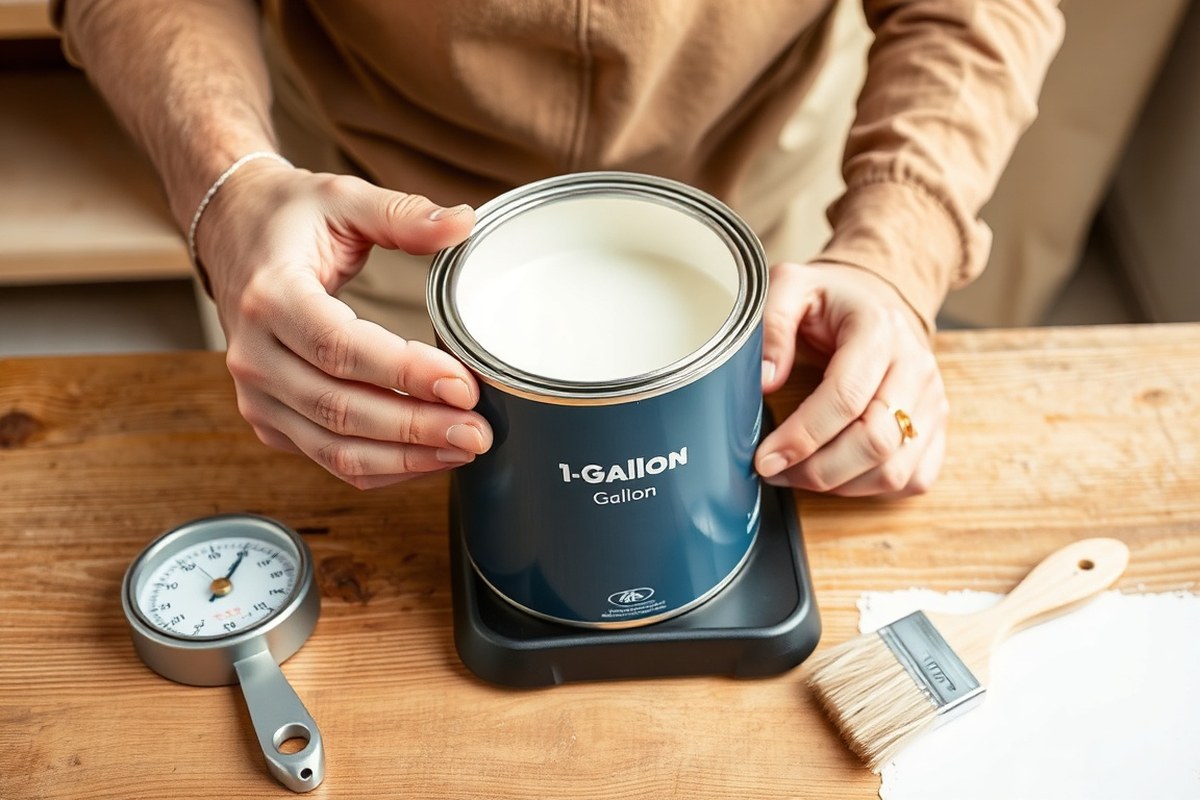
How Much Does a Gallon of Paint Weigh? A Complete Guide with Key Tips
How much does a gallon of paint weigh? Generally, a gallon weighs between 6 to 14 pounds.
Most common latex paints fall right around 10 to 12 pounds per gallon. Oil-based paints usually weigh less, closer to 7 pounds per gallon.
Heavier paints, like textured and fire-resistant types, weigh more. They can reach up to 14 to 15 pounds. This is due to added materials inside the paint.
Paint weight affects how much you need for your project. It also changes how you handle or ship the cans. Knowing the weight helps avoid surprises at check-out or during transport.
To figure out what your gallon weighs, check the paint type and any special additives first. Weighing cans at home or checking product specs online gives you a good estimate. That way, you get the right amount and avoid extra strain when moving the paint around.
Key Takeaways
- A gallon of standard latex paint weighs about 10 to 12 pounds.
- Oil-based paint usually weighs less, around 6.7 to 7 pounds per gallon.
- Textured and fire-resistant paints can weigh up to 15 pounds per gallon.
- Paint weight affects how much you need and how easy it is to carry.
- Check paint labels or weigh cans for the most accurate paint weight.
- Heavier paints often cover slightly more surface area per gallon.
How Much Does a Gallon of Paint Weigh on Average?

A gallon of paint typically weighs between 9 and 14 pounds (4 to 6.4 kilograms). The exact weight depends on the paint’s type, ingredients, and brand.
For example, latex paint usually falls around 11 pounds per gallon. Oil-based paint tends to weigh closer to 7 pounds.
The weight varies because of different factors like the solvents and pigments used. Water-based paints like latex include much water, which lowers weight. Meanwhile, oil-based paints contain heavier solvents and pigments, making them denser and heavier.
Paint texture and additives also play a role. Thicker paints like enamel weigh up to 14 pounds per gallon. Fire-resistant paints also weigh more because of heavier ingredients.
Darker paints hold more pigment and usually weigh more than light colors. Pigments add bulk and increase the paint’s weight.
Different brands may have slight weight differences for the same paint type. Checking product labels or technical sheets helps get a more accurate weight.
This helps you figure out shipping costs or how much paint to move. Planning paint handling gets easier with this information.
How Different Types of Paint Affect Gallon Weight

Different paint types have distinct weights per gallon because of their ingredients. Latex paints tend to be lighter, while oil-based and specialty paints weigh more. Acrylic and enamel paints generally fall in between but lean toward the heavier side.
Weight Range of Latex Paint
Latex paint usually weighs between 8.5 and 10.5 pounds per gallon. Its water content makes it lighter than oil-based options. You’ll find latex paint popular for interior walls because it’s easy to handle and clean.
Because water is the main solvent, latex paint’s density typically stays near 1.02 to 1.14 grams per cubic centimeter. This means you get a gallon weighing around 3.9 to 4.8 kilograms. Lighter weight also means it generally spreads well without being too thick or runny.
Weight Characteristics of Oil-Based Paint
Oil-based paint is heavier, usually in the 10 to 12 pounds per gallon range. Its solvents and oils add weight and density, often 1.20 to 1.38 grams per cubic centimeter. Heavy solvents slow drying and can make handling tougher on big jobs.
This type suits surfaces that demand durability, like trim or cabinets. The greater weight means shipping costs rise and lifting multiple gallons gets harder. Still, its thicker coat and tough finish justify the extra effort.
Heavier Specialty Paints Explained
Specialty paints, such as textured, anti-corrosive, or fire-resistant types, weigh even more. They usually fall between 11 and 13 pounds per gallon, with densities up to 1.56 grams per cubic centimeter. Additives like sand or metal particles increase weight noticeably.
These paints require more strength to mix and carry, especially in larger quantities. Shipping regulations might change because of the heavier density. Using them means planning ahead for handling and transport challenges.
Always check the paint label for weight info before ordering bulk amounts.
Acrylic and Enamel Paint Weight Overview
Acrylic paint weights sit close to enamel’s, typically 10 to 12 pounds per gallon. They have high pigment and resin content, which boosts density compared to latex. Both types offer smooth finishes but can vary by brand and additives.
Acrylics dry faster than enamels but share similar handling difficulties due to their weight. Painting large surfaces with acrylic or enamel means lifting heavier containers often. Planning breaks and proper support helps reduce fatigue.
How Much Does 5 Gallons of Paint Weigh and Why It Matters
A 5-gallon bucket of paint usually weighs 55 to 65 pounds total. This includes roughly 50 to 55 pounds of paint plus the weight of the bucket. Knowing this weight helps with shipping and storage planning.
Standard 5-Gallon Bucket Weights
A typical 5-gallon bucket of latex paint weighs about 60 pounds altogether. The bucket and lid add around 5 to 8 pounds to this total. Different manufacturers may use slightly heavier or lighter plastic pails.
The weight varies mainly because of the paint type inside. Water-based paints tend to weigh less than oil-based ones. Still, handling a five-gallon container means managing about 50 to 65 pounds safely.
Calculating Total Weight by Paint Type
To estimate total weight, multiply the paint’s weight per gallon by five. Then add the bucket’s weight.
For example, if one gallon weighs 11 pounds, five gallons weigh 55 pounds. Add about 7 pounds for the container to get 62 pounds total.
Darker or thicker paints might weigh more per gallon, pushing total weight to 70-plus pounds. On the other hand, lighter paints or those with more water content weigh less. Always check the product label or ask the manufacturer for specific weight info.
Shipping and Handling Tips for Heavy Buckets
Heavy 5-gallon buckets require sturdy pallets and forklift access for loading. Knowing the total weight prevents overloading trucks, which saves money and avoids fines. Bulk shipments should calculate weight for all buckets plus pallets and packaging.
For storage, use shelves rated for the total weight. Handling these buckets means bending your knees and lifting carefully to avoid injury. Being prepared helps reduce accidents and damage during transport or job site moving.
Key Factors That Influence Paint Weight
Paint weight changes mainly because of pigment concentration and solids. Pigments add mass without adding much volume, making paint denser.
Darker colors usually have more pigment, so they weigh more. Higher solids content means more binders and pigments, which also raise weight.
Solvents and water in paint dilute the solids and pigments, lowering density. Latex paints, which contain more water, weigh less than oil-based paints. As solvents evaporate during storage or use, the paint’s weight drops too.
Fresh water-based paint often weighs about 11 to 12 pounds per gallon. Oil-based paint can weigh up to 16 pounds.
Texture additives affect paint weight but usually only a little. Additives like thickeners or fillers add tiny amounts of mass and change paint’s feel. Usually, these don’t add more than a pound per gallon.
The container’s weight adds about 1 to 2 pounds. This weight comes from metal or plastic buckets.
It doesn’t affect the paint’s measured weight. When you plan for shipping or handling, consider both the paint and container together.
Comparing Paint Weight to Water and Other Liquids
Paint usually weighs more than water even though it has water in it. A gallon of water weighs about 8.34 pounds. But a gallon of latex paint weighs around 11 pounds.
Paint has solids like pigments and binders. They add weight to the paint. These solids also change its density compared to water.
Paint’s density varies depending on the type and mix of materials inside. Latex paint typically has a density about 20% higher than water. One gallon of paint holds about four pounds of water.
It also contains other heavier parts. This adds to the total weight.
Oil-based paint may weigh less or more. But it’s often close to water’s density since it uses solvents that weigh less than water.
Knowing paint weighs more than water helps with handling and using it properly. A five-gallon bucket of latex paint weighs about 55 to 60 pounds. This does not include the bucket’s weight.
The paint alone is quite heavy. Paint’s weight affects lifting and transport. You need strong containers and tools.
They help you handle the weight safely. Also, calculating how much weight you’re buying helps to plan shipping costs, especially for larger projects.
Always seal paint containers tightly. This stops water or solvent from evaporating. Evaporation changes the paint’s weight over time.
How to Convert Paint Weight Between Gallons, Pounds, and Liters
To convert paint weight, you need to know the paint’s density. Density is the weight per gallon or liter. This helps change units between gallons, pounds, and liters.
There isn’t a simple formula because paint varies in composition. However, you can use average weights and standard conversions for quick estimates and calculations.
Converting Gallons to Pounds
First, multiply the volume in gallons by the paint’s weight per gallon. For example, if oil-based paint weighs about 13 pounds per gallon, 3 gallons weigh 39 pounds. Paint weight changes a lot.
Always check the label for exact weight. Typical paint weighs between 10 and 14 pounds per gallon.
The general formula is: Paint Weight (lbs) = Volume (gallons) × Weight per Gallon (lbs). Choose a weight range when you don’t know the exact number. This helps avoid mistakes.
Use common weight values as a guide. Latex paints often weigh 10 to 11 pounds per gallon. Epoxy coatings can weigh up to 14 pounds per gallon or more.
Pounds to Liters Conversion
To find volume in liters, divide weight by paint density. Density is in pounds per liter. This calculation converts pounds to liters.
Paint density varies, so average values help estimate. For example, if paint weighs 10 pounds per gallon, that’s roughly 2.64 pounds per liter, since 1 gallon equals 3.785 liters.
Compute volume with this formula: Volume (L) = Weight (lbs) ÷ (Weight per Gallon ÷ 3.785). It breaks down pounds into liters easily. Use pounds per gallon divided by 3.785.785).
This helps when you need volume measures for mixing or shipping paint. Remember, heavier paints mean less volume per pound and vice versa.
Quick Reference Conversion Table
Typical paint weights vary by type. Latex paints weigh 10 to 11 pounds per gallon. Oil-based paints weigh 12 to 14 pounds.
Primers weigh 10 to 12 pounds. Epoxy coatings weigh 12 to 14 pounds. Spray paint, measured by volume, weighs less around 6, 8 pounds per gallon equivalent.
Use these ranges to estimate paint weight fast during projects or shipping. For instance, five gallons of latex paint usually weighs around 55 pounds. Double-check your paint type and brand, as weights can vary slightly, affecting your calculations.
Estimating Total Paint Weight for Your Project
Calculate your paint weight by first measuring the surface area. Multiply the length by the height of the walls you plan to paint. For example, two walls 12 feet wide and 8 feet tall each cover 192 square feet.
You find surface area by multiplying width and height. This helps calculate how much paint you need.
Divide that area by the coverage rate listed on your paint can. Most paints cover about 350 square feet per gallon. Using 192 square feet, you’d need about 0.55 gallons for one coat.
Adjust your volume for the number of coats. Plan two coats by multiplying weight by 2.55 gallons by 2, which equals 1.1 gallons. Multiply those gallons by your paint’s weight per gallon.
A typical latex paint weighs about 11 pounds per gallon. So your project will need roughly 12.1 pounds of paint.
Coverage and paint weight vary by type and texture. Higher-quality or thicker paints may cover less area per gallon and weigh slightly more. Using the exact coverage and weight on the can will improve your estimate.
Keep in mind that ceiling paint or primers may have different weights and coverage rates. Use separate calculations for these materials to avoid running short or carrying too much paint.
For a quick estimate, use this formula: Weight equals surface area divided by coverage. Multiply that by weight per gallon and number of coats.
This gives total paint weight. This approach helps you plan how much paint to buy and carry.
Not accounting for multiple coats or ignoring coverage changes can lead to buying too little paint. It also causes unexpected weight when moving or shipping your supplies. Start with careful measurements to avoid these problems.
Different projects may need adjustments, like rough walls requiring more paint. These need a higher volume estimate, raising the total weight. Painter’s tape and drop cloths don’t change paint weight.
They help keep the job cleaner and easier. Use them to protect floors and trim.
Common Mistakes When Estimating Paint Weight and How to Avoid Them
One common mistake is forgetting to include the container weight in your total. Paint often comes in heavy plastic or metal buckets that add several pounds. You’ll underestimate the full weight by 1 to 3 pounds or more.
Ignoring paint additives, especially in specialty or textured paints, also leads to errors. Epoxy or enamel paints can weigh up to 18 pounds per gallon. These paints have thicker formulas and fillers.
Using 11 pounds as an average will cause underestimating. This can hurt your shipping and handling plans.
Using rough averages without checking the paint type can cause headaches. Oil-based paints weigh about 6.7 pounds per gallon. Acrylics range from 11 to 12 pounds for a gallon.
Mixing up these averages can mislead your total weight. It matters most on large jobs using five-gallon buckets.
Dark colors often contain heavier pigment loads that increase weight slightly, but many forget this. Two gallons of black paint may weigh more than two gallons of white paint.
Assuming otherwise can affect your balance and storage decisions. Check the label or product specs for pigment details when possible.
Specialty paint formulas with metallics or textured components will differ a lot in weight. Paint labeled as “high solids” or “metallic finish” usually requires a higher weight estimate. You can contact the manufacturer or check technical sheets to avoid surprises when ordering or transporting.
Always weigh a sample container on a postal scale first. This helps avoid costly surprises before buying bulk paint.
Tips for Handling and Shipping Paint Based on Its Weight
Paint buckets often weigh between 10 and 15 pounds per gallon. A 5-gallon bucket can weigh 50 to 75 pounds filled.
Always lift with your legs, not your back, to avoid injury. Keep the bucket close to your body to maintain balance.
When moving heavy buckets, use a dolly or hand truck. Secure the bucket to avoid spills during transport. Wear gloves to keep your grip firm, especially if the bucket is wet or slippery.
Shipping costs depend on the weight and volume of the paint. Carriers calculate fees based on poundage and size. To estimate costs, multiply the total gallons by the average weight per gallon, about 12 pounds.
Include the bucket weight plus any additional packaging. Add extra padding to protect the paint from damage. Check the carrier’s weight limits to avoid extra fees or refused shipments.
Five-gallon buckets are sturdy but can be bulky during shipping. They are designed for stacking, which helps with stability. Still, secure each bucket tightly to prevent shifting during transit.
Use straps or shrink wrap to keep multiple buckets together. Beware of leaks by placing buckets upright and avoiding temperature extremes. Extreme cold or heat can cause paint to expand or contract, risking damage or spills.
When shipping smaller quantities, consider one-gallon cans for easier handling. They weigh about 12 pounds and fit better into smaller packages. Label packages clearly with “Fragile” and “This Side Up” for safer handling.
Accurate weight helps you avoid surprises in shipping bills. Incorrect weight estimates may cause delays or extra charges. Double-check weights with a scale before booking shipments to be sure.
For manual handling, limit lifting to less than 50 pounds solo. When the bucket feels heavy, ask for help or use tools. Big jobs with many buckets need good planning.
Think about delivery order. This spreads out the lifting work.
Step-by-Step Action Plan for Managing Paint Weight
Use this plan to measure, handle, and ship paint smoothly. Follow each step to avoid mistakes and extra costs.
- Before your project: Check the paint label for its weight per gallon. Confirm it matches your shipping and handling needs.
- Day 1: Calculate total paint weight by multiplying gallons by the weight per gallon. This helps you plan transport and storage.
- Day 2: Adjust your purchase if the weight exceeds your lifting or vehicle limits. Choose smaller containers or lighter paint types.
- During painting: Store paint cans on a stable, level surface to prevent spills. Keep heavy cans low to avoid injuries.
- After painting: Dispose of or store leftover paint safely. Remember leftover paint can weigh several pounds and needs proper handling.
- Shipping preparation: Use padded, sturdy boxes for multiple gallons. Label packages with total weight to inform carriers.
- Before hiring help: Share paint weight and handling tips with workers. This will prevent accidents and improve efficiency.
- Post-project review: Note any difficulties with paint weight in your records. Use this info to improve future projects.
Frequently Asked Questions
Does Paint Weight Affect How Much You Pay for Shipping?
Yes, heavier paint means higher shipping costs. Weight impacts carrier fees, making accurate estimates important. Knowing your paint’s weight helps avoid unexpected shipping charges.
Can You Store Paint Short-Term Without Changing Its Weight?
Yes, storing paint in a sealed container doesn’t change its weight. Over time, paint may thicken but still weighs the same. Keep it airtight to prevent skin formation and drying out.
Why Is Dried Paint Significantly Lighter Than Wet Paint?
Dried paint weighs less because water or solvents evaporate. That evaporation reduces the paint’s liquid content, cutting weight. The dried layer mainly consists of solids left behind.
Does Temperature Affect the Weight of a Gallon of Paint?
No, temperature changes do not affect paint’s actual weight. The volume may expand or contract slightly but weight stays constant. Weight depends on the paint’s components, not temperature.
Is Paint Thinner Weight the Same as Paint Weight?
No, paint thinner weighs less than paint per gallon. Thinners are mostly solvents and have lower density. They are lighter and less viscous than typical paint formulas.
Before You Go
A gallon of paint usually weighs between 10 and 12 pounds, depending on type and ingredients. Knowing this helps you plan better for handling and shipping. Start now by weighing your paint cans and making a clear record before your next project.


One Comment