
Is Power Steering Fluid Flammable? What You Need to Know for Safety
Is power steering fluid flammable? The short answer is no. Power steering fluid has a flashpoint near 400 degrees Fahrenheit.
This means it doesn’t catch fire easily. It’s safer than many other liquids. That’s much higher than most flammable liquids, so it’s considered safe under normal conditions.
Because of its high flashpoint, power steering fluid only burns at very hot temperatures. Your car’s operating temperature doesn’t come close to this heat.
So a fire risk from regular use is very low. Still, you should watch out for leaks near ignition sources or extreme heat.
Notice a power steering fluid leak? Clean it up fast. Keep the spot far from any flames.
Also, storing the fluid properly in a cool, dry place helps avoid any risks. Taking these simple steps keeps your car safer and lowers fire chances.
Key Takeaways
- Power steering fluid’s flashpoint is around 400°F, making it hard to ignite.
- Your engine heat won’t reach the fluid’s burning temperature during normal use.
- Leaks near hot engine parts can increase fire risk and should be fixed fast.
- Always clean up spilled power steering fluid to prevent fire hazards.
- Store power steering fluid in a cool, dry spot away from flames.
- Unlike brake fluid, power steering fluid is less flammable but still needs care.
Is Power Steering Fluid Flammable or Combustible?

Power steering fluid can burn but is not highly flammable. Its flash point is about 400 degrees Fahrenheit (200 to 220 °C). This makes it far safer from ignition than gasoline, which ignites around −43 degrees Fahrenheit.
Flammable liquids catch fire at temperatures below 100 degrees Fahrenheit. Combustible liquids need heat above 100 degrees Fahrenheit to ignite. Power steering fluid burns only at high temperatures, so it’s combustible, not flammable.
This matters because power steering fluid won’t catch fire easily during normal use. However, it can burn if it gets very hot or contacts an open flame. Handle power steering fluid carefully like other automotive fluids.
Store it away from heat or open flames. Treat it as a potential fire risk. Power steering fluid is less dangerous than gasoline or brake fluid.
Still, treat it carefully to avoid any fire risk. Respect safety rules when storing or using it.
What Are the Flashpoint and Boiling Point of Power Steering Fluid?
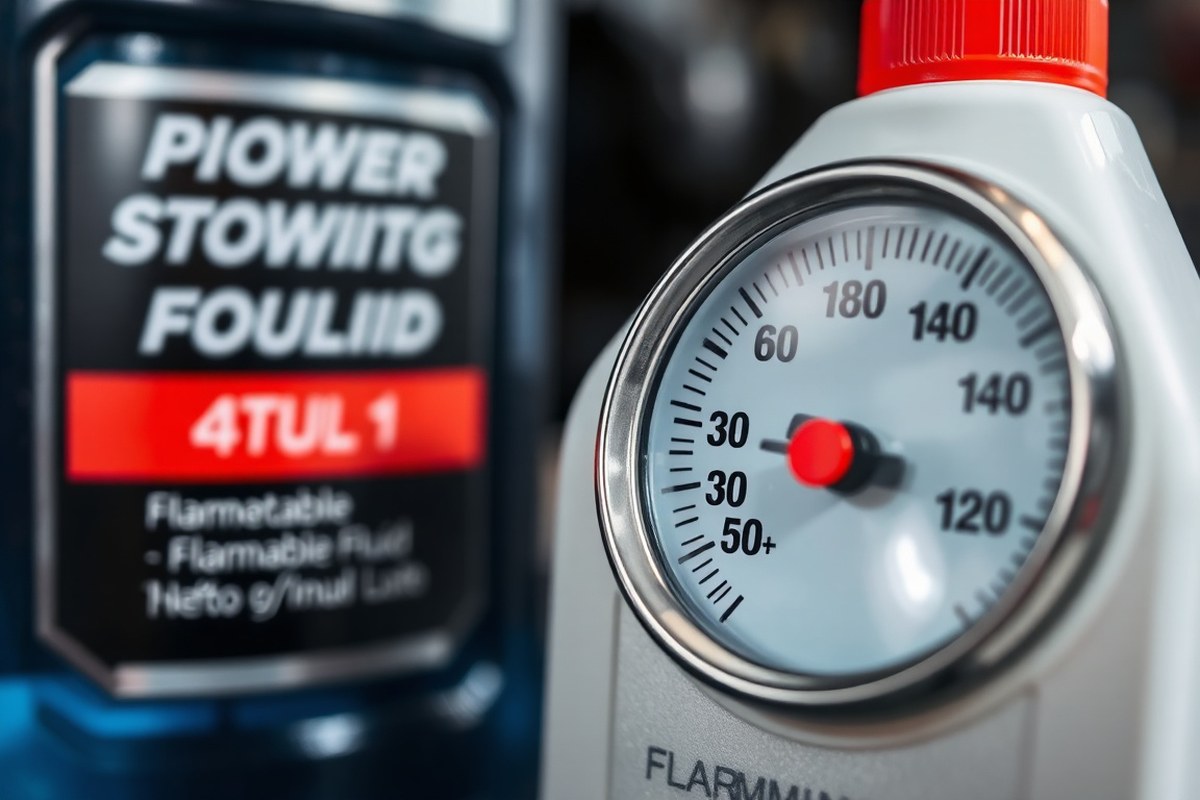
Power steering fluid has a flashpoint between 300 and 500 degrees Fahrenheit. This is the temperature range where it can ignite if exposed to a flame or spark. The boiling point is much higher, about 600 to 700 degrees Fahrenheit.
The fluid needs to get very hot to evaporate. It also needs this heat to keep burning.
Flashpoint Ranges by Fluid Type
The flashpoint is the lowest temperature where the fluid releases enough vapor to ignite. Different types of power steering fluid have flashpoints that vary, usually between 340°F and 410°F. Mineral oil-based fluids tend to have higher flashpoints than synthetic ones. But both are flammable under the right conditions.
Some brands add elements that lower the flashpoint, making the fluid easier to ignite. This means the temperature required for ignition can be closer to 300°F in certain cases. Knowing the exact flashpoint helps you understand the fire risk during repairs or leaks.
| Property | Typical Range | Notes |
|---|---|---|
| Flashpoint | 300°F, 500°F (approx. 150°C, 260°C) | Fluid ignites only with a flame or spark |
| Boiling Point | 600°F, 700°F (approx. 315°C, 370°C) | Fluid evaporates and forms flammable gases |
| Auto-ignition Temperature | Higher than flashpoint | Fluid ignites without flame (rare in vehicles) |
| Operating Temperature of Power Steering | Below 250°F (approx. 120°C) | Normal range, safe from flash ignition |
The data shows power steering fluid requires very high heat to ignite. The risk mostly exists if the fluid leaks near hot engine parts or sparks.
Boiling Points Compared to Operating Temperatures
Power steering fluid boils at temperatures well above an engine’s normal operating range. Typical car engines run below 250°F, far lower than the 600°F needed to boil the fluid. So, routine use does not bring the fluid close to its boiling point.
Boiling point matters because fluid turning to gas creates vapors. These vapors catch fire easier than liquid. That is why the boiling point is important.
Steering fluid leaking on hot exhaust can heat up fast. This can create a fire hazard easily.
Keep steering fluid away from hot engine parts. Staying aware of leaks helps avoid this risk.
Regulatory Standards and Definitions
Regulatory agencies define flashpoint to measure flammability risk and set handling rules. Flashpoint tests determine the lowest temperature at which a vapor can ignite with a flame. Power steering fluid standards require information on flash and boiling points on safety data sheets.
This data informs mechanics and vehicle owners how to store and handle the fluid safely. It also guides the design of components to keep fluid away from heat sources. Knowing these standards helps you handle power steering fluid responsibly.
Warning: Avoid spills near hot engine parts to reduce ignition risk.
How Hot Does Power Steering Fluid Get During Normal Use?
Power steering fluid usually runs between 160°F and 200°F during normal driving. This happens because the fluid circulates through the power steering pump and hoses near the engine. Temperatures can get higher if the engine overheats.
Heavy load on the steering system also raises temperatures. This makes the system work harder and hotter.
The fluid does not normally get hot enough to ignite or evaporate under regular conditions. Its flashpoint, the temperature where it can catch fire, is often above 300°F. This means normal engine heat won’t make it flare up while driving or idling.
Overheating happens when the power steering pump struggles. Low fluid levels can cause this to happen. Mechanical issues might also make the pump overheat.
The pump can run dry, which is bad for fluid. Engine overheating raises fluid temperatures too much. This can damage the system parts.
High heat damages the fluid and pump. Leaks might form from this damage. Fluid leaks near hot parts risk causing a fire.
Power steering reservoirs have fill lines marked for cold and hot fluid levels. This accounts for normal expansion as the fluid warms. Overfilling the fluid tank raises leak chances during heat.
Leaks increase fire risk if fluid drips onto hot parts. Exhaust manifolds are especially dangerous spots for leaks.
In very hot ambient temperatures, added caution helps prevent overheating problems. Heat from the outside environment adds to system heat. Engine and pump temperatures climb higher because of this.
The fluid can reach unsafe temperatures faster. Routine maintenance and watching for leaks lower chances of fluid reaching dangerous heat.
Can Leaking Power Steering Fluid Cause a Fire?
A power steering fluid leak can lead to fire, but only under certain conditions. The fluid is combustible but not highly flammable. So it usually needs heat near or above its ignition temperature to catch fire.
Leaked fluid on hot engine parts can catch fire. This includes parts like the exhaust manifold or a hot belt. The heat is enough to ignite the fluid.
Identifying a hazardous leak early helps prevent fire risks and other damage. Watch for a greasy puddle under your car, a whining steering wheel, or difficulty turning. These signs mean you need to act quickly to stop the leak and repair the system.
- Check under the car regularly for oily spots or puddles
- Inspect the power steering hoses and connections for cracks or wear
- Listen for unusual noises when steering, like whining or groaning
- Look for low fluid levels on your power steering reservoir
- Avoid driving if you notice the steering feels stiff or unresponsive
- Get leaks fixed promptly to reduce fire and system damage risk
- Keep your engine clean to spot leaks earlier and prevent buildup
Naturally, a small leak away from hot engine parts is unlikely to catch fire. However, if fluid splashes or drips near components over 400 degrees Fahrenheit, ignition becomes possible. This makes knowing how to recognize and fix leaks important for safety.
Ignoring leaks can also cause your steering to fail, which risks losing control. Repair costs vary depending on the damage. Hose replacement usually costs about $100.
A full system repair can cost $500 or more. Quick attention saves money and lowers fire hazards while keeping your vehicle safe to drive.
Differences in Flammability Between Power Steering, Brake, and Transmission Fluids
Power steering fluid, transmission fluid, and brake fluid each have different chemical makeups. Power steering fluid typically contains petroleum-based or synthetic oils.
Transmission fluid usually has additives for temperature and friction control. Brake fluid is glycol-based or silicone-based and is very different chemically from the others.
These differences affect how flammable each fluid is. Power steering fluid is flammable but not highly so.
Transmission fluid tends to be more flammable than power steering fluid. Brake fluid is generally the least flammable because its composition resists ignition.
The flashpoint shows how easily each fluid can catch fire. Flashpoint is the lowest temperature where vapors ignite. A high flashpoint means the fluid is less likely to burn at normal engine temperatures.
| Fluid Type | Typical Flashpoint (°F) | Chemical Base | Flammability Level |
|---|---|---|---|
| Power Steering Fluid | 300-450 | Petroleum-based or synthetic oils | Moderate |
| Automatic Transmission Fluid | 350-400 | Petroleum-based oils with additives | Higher |
| Brake Fluid (DOT 3 or 4) | 446-500 | Glycol or silicone-based | Low |
This range makes brake fluid safer near heat than power steering or transmission fluids. Transmission and power steering fluids can ignite more easily in the right conditions. The chances of fire increase with fluid leaks and high engine heat.
Never substitute brake or transmission fluid for power steering fluid. Each fluid serves a unique purpose and has different safety properties.
Understanding these differences keeps you safer when handling or storing these fluids in your garage. Power steering fluid is common to many cars but requires care due to its moderate flammability. Proper maintenance and avoiding leaks reduce fire risks substantially.
Signs of Overheated or Burnt Power Steering Fluid to Watch For
Power steering fluid that is overheated or burnt looks and smells different from normal fluid. It often turns darker, ranging from dark brown to near black. The thicker, sticky texture means it has degraded and lost its protective qualities.
You’ll usually notice a strong, sharp smell that resembles burnt oil or plastic. This odor means your engine is overheating. It warns of fire risk.
Fluid leaks near hot parts cause this danger. Fresh fluid has a mild, almost sweet smell instead.
Changing fluid color and smell matter a lot. Overheated fluid can’t protect your steering. It won’t lubricate the system right.
This condition also raises the chance of leaks and fire hazards. Checking power steering fluid visually and by smell helps spot problems early.
- Look under the hood for dark or cloudy fluid in the reservoir.
- Smell the fluid closely for burnt or acrid odors.
- Check for thicker consistency or any grit in the fluid.
- Monitor for power steering noises or stiffness while driving.
- Inspect hoses and connections for leaks around hot engine areas.
- Replace the fluid every 50,000 miles or as recommended.
- Seek professional help if fluid smells burnt or looks severely discolored.
Discolored fluid is more dangerous because it means breakdown and possible overheating. Burnt fluid loses stability and can ignite if it contacts hot surfaces above its flash point. Regular inspections cost little time and can save expensive repairs or fire damage.
Your steering feels hard or noisy? A fluid leak near the engine needs fixing.
Clean spills quickly and avoid parking with fluid leaks near catalytic converters or exhaust manifolds. These parts run hot enough to ignite degraded power steering fluid, causing serious vehicle damage.
How to Safely Handle and Store Power Steering Fluid
Handling and storing power steering fluid with care helps you avoid fire hazards and fluid damage. Use the right protection and keep the fluid away from heat or flames. Preventing spills keeps your workspace clean and safe.
Personal Protection When Handling Fluid
Wear gloves to protect your skin from irritation caused by power steering fluid. Eye protection, like safety goggles, shields your eyes from splashes. Avoid breathing in fumes by working in a well-ventilated area.
Make sure you wash your hands thoroughly after handling the fluid. Don’t touch your face or eat while working with it. Proper protection reduces health risks from direct contact.
Proper Storage Conditions
Store power steering fluid in its original container with a tight lid to avoid leaks. Keep it in a cool, dry place away from heat sources or open flames. High temperatures can make the fluid expand and create spill risks.
Place the container on a stable shelf where it won’t tip over. Avoid storing near anything that can cause sparks or flames. Label the container clearly to prevent accidental misuse.
Spill Prevention Measures
Minimize spills by using a funnel when pouring power steering fluid. Clean up any drips immediately using an absorbent cloth. Keep a spill kit or cat litter handy for larger accidents.
Check for leaks regularly around hoses and reservoirs. Fix leaks right away to lower fire risk and damage. Spills on hot engine parts can ignite or cause unpleasant smoke.
Follow these steps to handle and store power steering fluid safely:
- Wear gloves and eye protection before starting work.
- Remove the fluid container’s cap carefully to prevent splashes.
- Use a clean funnel to pour fluid into the reservoir.
- Wipe up any spills around the filling area immediately.
- Seal the container tightly and put it back in storage.
- Store the fluid away from heat, flames, and direct sunlight.
- Inspect your car’s steering system regularly for leaks.
- Dispose of used fluid according to local hazardous waste rules.
Step-by-Step Guide for Cleaning Up Power Steering Fluid Spills
Clean power steering fluid spills promptly to prevent slipping and pollution. Use absorbent materials to soak up the fluid and avoid spreading contamination. Proper disposal prevents environmental harm and follows hazardous waste rules.
Initial Containment and Absorption
Stop the spill from spreading by blocking its path quickly. Use dry, absorbent materials designed for oily fluids. Avoid water because it spreads the spill.
Common absorbents include kitty litter, sawdust, or commercial oil absorbent pads. Apply enough material to cover the spill completely. Let it soak for 15 to 30 minutes.
- Mark off the spill area to keep traffic away.
- Sprinkle absorbent material generously over the spilled fluid.
- Allow it to soak for at least 15 minutes, adding more if needed.
- Use a broom or dustpan to collect the saturated absorbent.
- Place used absorbents in a sealable plastic bag or container.
Do not use water to clean spills on a hot engine. It may cause steam burns or spread the fluid.
Cleaning and Sanitizing Surfaces
After soaking, clean the area with a mild detergent and water. This removes any slippery residue left by the fluid. Use a brush on concrete or rough surfaces to scrub well.
Rinse the area with clean water but do not flush large amounts into storm drains. Let surfaces dry fully before driving or walking on them again.
Safe Waste Disposal
Used absorbents and power steering fluid qualify as hazardous waste. Store them in tightly sealed containers until you can dispose of them properly. Never pour leftover fluid or contaminated materials down drains or onto soil.
Take these wastes to a local hazardous waste site. You can also go to an automotive shop that accepts used fluids. Many communities have free drop-off events for automotive fluids year-round.
When to Call a Professional About Power Steering Fluid Fire Risks
Call a professional right away when you see power steering leaks. Check around the power steering pump and the hoses carefully. Don’t delay fixing visible leaks in these areas.
Leaking fluid can damage parts and create fire risks. Also, any strong burning smell or smoke near the engine warrants immediate expert attention.
Don’t drive with a leaking or overheated system. Fluid loss can cause the steering to fail, which is dangerous.
Overheating can also break down fluid, increasing fire hazard and costly repairs. Tow your vehicle to a mechanic instead of risking a breakdown.
Spot flames or thick smoke? Call fire services immediately. Don’t try to handle fire yourself; get help fast.
Use roadside assistance if steering feels stiff or jerky, as this suggests fluid issues. Professionals have the right tools to find leaks, flush old fluid, and replace parts safely.
The decision rule is simple. Stop driving if steering feels off or you see fluid leaks. Notice a burnt smell or smoke from your engine?
Call emergency services at once. Act quickly to prevent serious damage. For anything less urgent but still concerning, schedule a repair within a day or two.
Fixing leaks and fluid problems typically costs between $100 and $400, depending on parts and labor. Letting issues slide can lead to pump failure or worse. Repairs done early protect your safety and save money long term.
Step-by-Step Action Plan for Safe Power Steering Fluid Handling
Follow these steps to manage power steering fluid safely and reduce fire risks.
- Before you start: Check for any leaks under your car’s hood. Fix leaks right away to avoid fluid spills and fire risk.
- Day 1: Clean up any existing power steering fluid spills using absorbent materials. No visible fluid means less risk of ignition.
- Week 1: Inspect your power steering fluid color and smell weekly. Dark or burnt-smelling fluid signals overheating or contamination.
- Month 1: Store extra power steering fluid in a tightly sealed container. Keep it away from heat sources to prevent ignition.
- Every 3 months: Check your fluid levels carefully. Add the right type. Follow your vehicle’s manual for what to use. Proper fluid levels support safe system operation.
- After leaks or spills: Ventilate the area well and clean spills immediately. This reduces dangerous vapors around heat or sparks.
- Immediately after signs: If you notice fluid overheating or smell burning, stop driving. Let a mechanic inspect it to avoid fire risk or damage.
Frequently Asked Questions
Is Power Steering Fluid Explosive?
Power steering fluid won’t explode easily because its flashpoint is near 400°F. It only catches fire at very high heat or direct flames. So a blast is rare.
What should I do if power steering fluid leaks on my engine? | Wipe up leaks fast to prevent engine damage or fire danger from hot parts. Don’t smoke or create sparks until the spill is cleaned.
Can power steering fluid cause skin irritation? | Yes, contact with power steering fluid can bother your skin. Wear gloves when handling to keep your hands safe. How do you properly dispose of old power steering fluid? | Bring used fluid to a recycling center or hazardous waste site.
Dumping it in drains or soil is unsafe and against the law. Can power steering fluid catch fire from a cigarette? | This fluid usually won’t ignite from a cigarette because of its high flashpoint, though a direct flame might set it off. Don’t smoke near any spills.
Is power steering fluid flammable like gasoline? | It’s far less flammable than gasoline due to its flashpoint around 400°F. Gasoline ignites near 100°F. Does power steering fluid emit harmful smoke when burned? | Burning this fluid releases toxic fumes. So keep away and open windows for airflow.
Can power steering fluid leak damage car wiring? | Yes, leaked fluid can harm wiring insulation, causing shorts or electrical problems. Clean spills quickly to protect wiring.
Is power steering fluid safe to store in a plastic container? | Yes, plastic containers made for automotive fluids hold power steering fluid safely. Store them somewhere cool and dry, away from sparks or flames.
What happens if power steering fluid gets too hot? | Overheating breaks down the fluid’s lubricant quality, risking part damage. You may notice odd noises or steering that feels stiff.
The Bottom Line
Power steering fluid can catch fire under high heat or sparks. But proper care lowers this risk.
Always fix leaks and clean spills promptly. Check your fluid regularly to keep your vehicle safe.


