4runner Squeaking When Driving – Quick Facts
If your 4Runner squeaks while driving, worn belts, misaligned pulleys, or low power steering fluid are often the culprits.
Suspension parts like bushings and strut mounts can also cause noise over bumps, as can debris in brake components.
Diagnosing involves visual checks, fluid inspections, and test drives to isolate the source.
Drivetrain issues like a failing center support bearing may require extra attention.
Investigate more to effectively pinpoint and fix these common squeaks.
Key Takeaways
- Squeaking often results from worn suspension bushings or strut mounts, especially when driving over bumps.
- Low power steering fluid can cause squeaks during turns and should be checked promptly.
- Debris caught between brake pads and rotors commonly leads to squeaking noises while driving.
- Worn or misaligned serpentine belts and faulty pulleys create squeaks under engine load.
- Regular inspections and timely lubrication prevent squeaks and costly repairs in a 4Runner.
Common Causes of 4Runner Squeaking
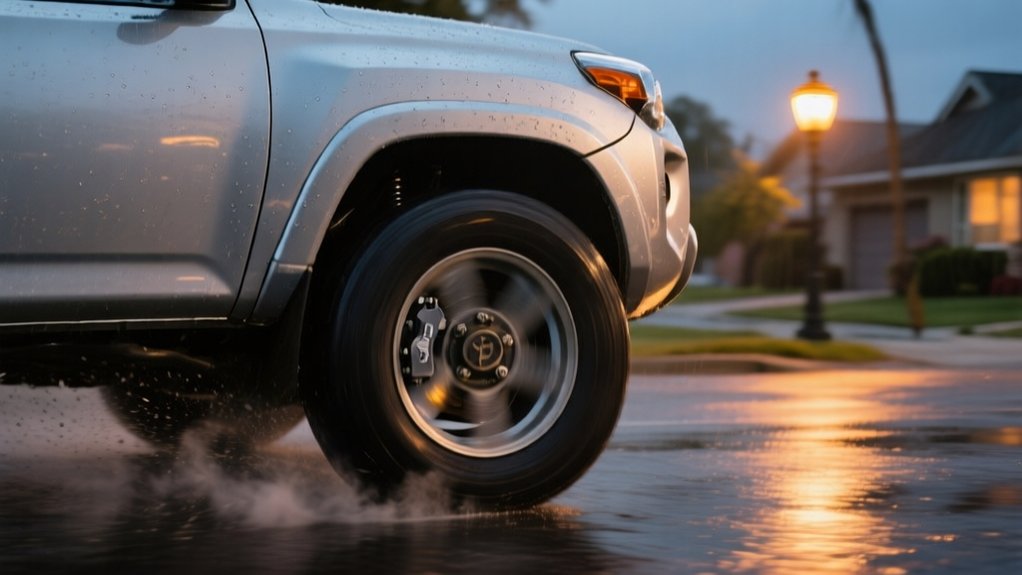
Any squeaking noise in your Toyota 4Runner often points to specific mechanical issues. A common cause is low power steering fluid, which leads to squeaks when turning. This signals you should check the fluid levels and the pump condition.
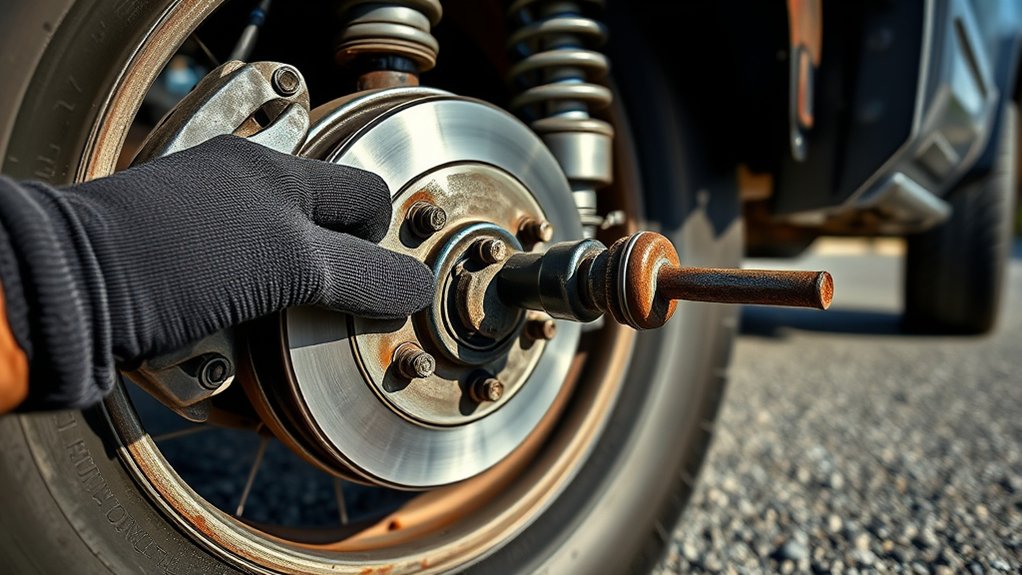
Another frequent source is debris trapped between brake pads and rotors. This causes squeaking and means you probably need brake service soon. Worn suspension parts like bushings and strut mounts can also squeak, especially during turns or over bumps.
Don’t forget to inspect the center support bearing. If it’s failing, it can transmit squeaking sounds at certain RPMs. Addressing these issues quickly helps keep your 4Runner running smoothly and safely.
How Pulleys and Belts Cause 4Runner Squeaking
If your 4Runner is squeaking, the first thing you’ll want to do is take a look at the belts. Sometimes, worn-out or misaligned belts can cause slipping and squeaking when the engine is under load. It’s a good idea to check for any signs of wear or cracks and make sure everything is lined up properly.
You should also listen carefully for any noises coming from the pulleys. If you hear a grinding or a squealing sound, it might be the pulley bearings. Worn or failing bearings often produce these kinds of noises, so it’s worth inspecting them closely.
Lastly, don’t forget about the tensioner. If it’s not working right and isn’t keeping the belt tight enough, that can cause increased friction and noise. A malfunctioning tensioner can be a sneaky culprit, so make sure it’s functioning properly to keep everything running smoothly and quietly.
Belt Wear And Alignment
A worn or misaligned serpentine belt often causes a squeaking noise in your 4Runner, especially when accelerating or driving over bumps. This noise can also happen when turning due to improper belt tension or alignment.
To fix belt wear and alignment issues, start by checking the belt tensioner for proper tension. A loose tensioner lets the belt slip, which causes squeaking when turning.
Next, inspect the serpentine belt for cracks, glazing, or fraying. These issues reduce grip and increase noise under load. Also, make sure all pulleys are aligned correctly. Misalignment leads to uneven belt wear and squeaks from friction.
Regularly inspecting and replacing the belt and tensioner on time is key. It helps eliminate squeaking and keeps everything running smoothly.
Pulley Bearing Noise
Once you’ve ruled out belt wear and alignment as the cause of your 4Runner’s squeaking, focus on the pulley bearings. Pulley bearings help the serpentine belt spin smoothly, but over time, they can wear out and start making squeaking noises.
This is especially common under engine load. Worn bearings increase friction, which can cause the belt to slip or chirp when you accelerate or turn. To check, spin each pulley manually and look for roughness or play.
Any grinding or resistance means the bearing might be failing. Replacing faulty pulley bearings will restore proper belt tension and stop the squeaking. Regularly inspect the serpentine belt and pulley system for cracks, wear, and bearing condition to prevent noise and keep your engine running smoothly.
Tensioner Malfunction Effects
Although pulley bearings are important, the tensioner’s condition really influences belt tension and noise in your 4Runner. A faulty tensioner can mess up the serpentine belt tension, causing squeaking while you drive. Keep an eye out for these key signs:
- Loose or worn tensioners lower belt tension, which can lead to slipping and a high-pitched squeal when the engine is under load.
- Misaligned or damaged pulleys make the belt vibrate more, increasing squeaking as engine RPMs go up.
- Excessive wear on the serpentine belt from improper tension speeds up cracking and surface damage, making noise worse and risking belt failure.
It’s a good idea to regularly check the tensioner and pulleys for wear or uneven surfaces. Fixing tensioner issues early helps prevent further belt damage and keeps your 4Runner running smoothly without squeaks.
How to Pinpoint the Source of 4Runner Squeaks
If you’re trying to figure out where those annoying squeaks in your 4Runner are coming from, start by checking the usual suspects—things like suspension joints, steering parts, and belts. It’s a good idea to do some visual inspections first to see if anything looks worn or out of place.
Then, you can use sound isolation techniques—like gently pressing or moving parts to see if the squeak gets louder or quieter—to help narrow down the source. Taking your 4Runner for a test drive over different surfaces can really help too; listen closely to when the squeaks happen and whether they change with speed or road conditions.
Don’t forget that weather and temperature can play a role—moisture or heat might make certain parts squeak more, so keep that in mind during your check. All these little steps can help you track down that pesky noise more easily.
Common Squeak Zones
When you hear squeaks while driving your 4Runner, focus on common zones like the wheel area, engine bay, strut top, and steering column. These areas often point to issues like dry bushings or worn joints that need lubrication or replacement.
Wheel Area & Suspension – Squeaks here usually mean worn strut mount bearings or damaged shocks, especially when going over bumps.
Steering Column – If you hear squeaks during full turns, it might be due to trim rub or wear in the clock spring.
Engine Bay & Strut Top – Dry or worn bushings can create noises under load or in cold weather.
Pinpointing these zones helps you identify the source quickly, avoiding unnecessary repairs and fixing suspension or steering issues faster.
Diagnostic Localization Steps
Since squeaks can come from many different parts, you need a step-by-step method to find where they’re coming from. Start with an engine-off test to rule out mechanical issues and focus on hydraulic noises.
Have a helper turn the steering wheel while you listen near the power steering pump and related parts. This helps identify if the noise is related to steering components.
Next, check the suspension by performing rock tests on ball joints and tie rod ends to see if there’s any play causing squeaks.
Lift the 4Runner on jack stands and spin the wheels to see if the noise is from wheel bearings or brakes.
Don’t forget to check the hydraulic fluid levels since low fluid can make noises worse and cause damage.
Following these steps carefully will help you find the squeak’s source accurately, making repairs targeted and avoiding unnecessary part replacements.
Environmental Condition Effects
After isolating the general area of the squeak through diagnostic steps, consider how environmental conditions affect the sounds you hear. Temperature, moisture, and road surfaces can influence squeaking in your 4Runner’s suspension system and other parts. Pay attention to these factors:
- Cold weather stiffens rubber parts and thickens grease, which can make suspension squeaks more noticeable.
- Rough roads or bumps tend to worsen noises, often pointing to worn strut mount bearings or bushings.
- Humidity or moisture can cause brake squeaks, especially if pads are worn or contaminated.
Monitor squeaking under different environmental conditions to help identify its source more accurately. Sharp turns combined with squeaks might indicate worn ball joints or tie rod ends, which can also be affected by weather. Regular checks in various conditions can help prevent small issues from becoming bigger problems.
How to Diagnose Center Support Bearing and Drivetrain Issues
Although diagnosing center support bearing and drivetrain issues can be tricky, you can find the problem by listening carefully for squeaking or rattling noises between 1,500 and 2,500 RPM while driving.
Focus on spotting a steady squeaking sound, which might mean the center support bearing is wearing out. Using a mechanic’s stethoscope on the power steering pump bearing can help. Have an assistant turn the steering wheel to help isolate where the noise is coming from.
If the noise keeps going, try removing belts one at a time to see if engine accessories or drivetrain parts are causing the problem. Also, visually check the center support bearing for cracked rubber or leaking grease, which are signs it’s failing.
Regularly inspecting these parts, especially on high-mileage 4Runners, helps catch drivetrain issues early. This way, you can keep everything running smoothly and avoid bigger repairs down the line.
DIY Checks to Locate Your 4Runner’s Squeak
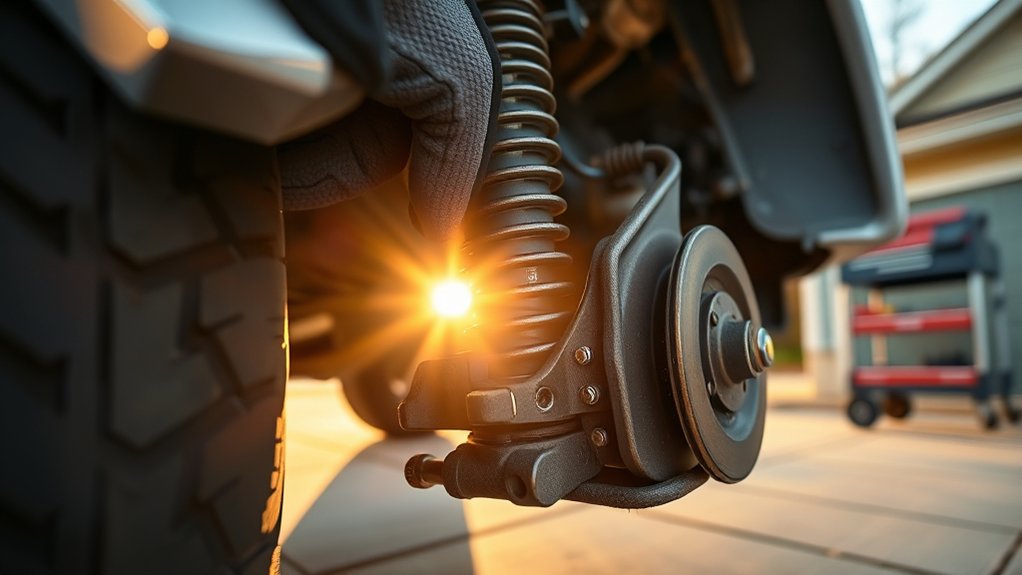
Identifying the source of your 4Runner’s squeak often requires checking beyond the drivetrain, focusing on accessible components you can inspect yourself. Start by narrowing down potential causes with these DIY checks:
- Inspect tires and suspension components for looseness or damage, including bushings and strut mounts, which often cause squeaking noise over bumps or turns.
- Check the serpentine belt for wear or misalignment; a worn belt frequently produces squeaks, especially on uneven roads.
- Verify fluid levels in the power steering and suspension systems, as low fluids can generate persistent squeaking.
Use a helper to turn the steering wheel while you listen near the power steering pump, isolating any steering-related noises. These steps help you pinpoint the squeak before considering advanced diagnostics.
—
Modified Version:
Figuring out where your 4Runner’s squeak is coming from usually means looking beyond the drivetrain. Focus on accessible parts you can check yourself. Start with these easy DIY checks to narrow down the cause:
First, inspect your tires and suspension parts for looseness or damage. Things like bushings and strut mounts often squeak over bumps or when turning.
Next, check the serpentine belt for signs of wear or misalignment. A worn belt often squeaks, especially on rough roads.
Finally, make sure the fluid levels in your power steering and suspension systems are okay. Low fluids can cause a persistent squeak.
Get a helper to turn the steering wheel while you listen near the power steering pump. This helps you identify if steering is causing the noise. These simple steps can help you find the source before needing more advanced diagnostics.
When to Use an OBD2 Scanner for Squeaking Problems?
When should you reach for an OBD2 scanner to diagnose squeaking problems in your 4Runner? Use one when the squeaking noise happens along with a check engine light or if you suspect issues with your brake, suspension, or hydraulic systems.
The scanner pulls up diagnostic trouble codes that can reveal the root cause of the noise, like low power steering fluid or faulty components.
Adding an OBD2 scanner to your regular maintenance helps you keep an eye on your system’s health and catch problems early.
This proactive approach makes troubleshooting easier by pinpointing exactly where the squeak is coming from, saving you time and effort during repairs.
In the end, an OBD2 scanner is a handy tool that helps you address squeaking issues effectively before they get worse.
Potential Costs to Fix 4Runner Squeaking Noises
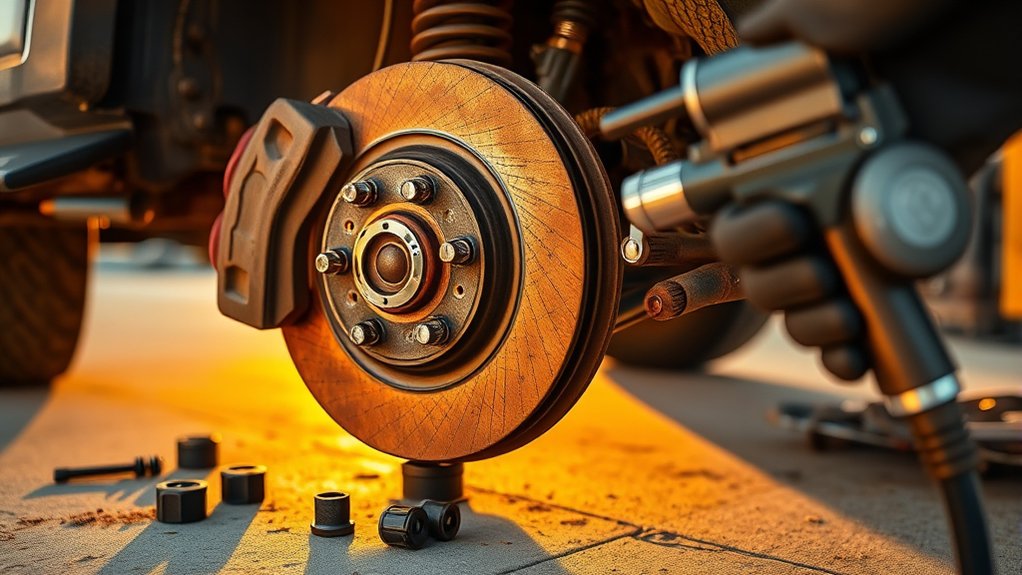
Fixing squeaking noises in your 4Runner can cost anywhere from $20 to $600, depending on what’s causing the problem. Repair costs can vary a lot, so it’s important to figure out the source first. Here are some common expenses you might encounter:
- Lubricating dry bushings or joints usually costs between $20 and $50. This is the cheapest fix for minor squeaks.
- Checking and refilling fluids typically costs $10 to $25. Low power steering fluid or failing components often cause squeaks and need routine fluid checks.
- Replacing strut mount bearings can run from $300 to $600 per side. This is a pricier repair when worn bearings cause persistent squeaks.
Fixing these issues early helps prevent more damage and keeps repair costs lower later on.
Preventing Squeaks and Maintaining Your 4Runner
Maintain your 4Runner’s smooth operation by regularly lubricating suspension components and bushings to prevent dry joints that cause squeaks. Consistent maintenance reduces the risk of squeaking noises and helps keep your ride comfortable.
Inspect the serpentine belt for wear and alignment, and replace it promptly if needed to avoid belt-related squeaks. Keeping an eye on the belt can save you from bigger issues down the road.
Make sure your power steering fluid is at the right level, as low fluid often triggers squeaking during turns. Also, remove debris from brake pads and components to prevent squeaks and keep braking efficient.
Don’t forget to routinely check the center bearing and drivetrain parts, especially on high-mileage models. Catching noise sources early can save you time and money.
Take advantage of service specials that cover these inspections and lubrications. Staying proactive helps you address squeaking issues early and keeps your 4Runner running reliably.
Frequently Asked Questions
Can Weather Conditions Cause My 4runner to Squeak While Driving?
Yes, weather conditions can cause your 4Runner to squeak while driving. Cold temperatures stiffen rubber bushings and seals, which can increase noise.
Moisture from rain or washing creates temporary squeaks on brake components until they dry. High humidity and sudden temperature changes cause metal parts to expand or contract, leading to squeaks from friction or wear.
Snow and ice buildup can restrict suspension movement, also generating noise. Regular inspections help you spot weather-related issues early and keep your vehicle running smoothly.
Does Tire Wear Contribute to Squeaking Noises in a 4runner?
Yes, tire wear can definitely cause squeaking noises in your 4Runner. Uneven tire wear creates imbalance, which can lead to thumping or squeaking sounds.
Low tire pressure makes this worse by increasing tire flex and causing uneven contact with the road. Flat spots from parking or braking for a long time can also produce noise, especially at low speeds.
Make sure to check and rotate your tires regularly. This helps prevent wear-related squeaks and keeps your drive smooth and quiet.
Are There Specific 4runner Models More Prone to Squeaking Issues?
About 70% of 4Runner owners with models from 2003 to 2010 report squeaking related to worn rear suspension parts. If you own these years, you’re probably going to run into this issue.
Early fifth-generation models from 2010 to 2013 also have squeaks coming from aging bushings and strut mounts. From 2014 onward, rear suspension and sway bar links are the usual culprits for noise.
Regularly lubricating your suspension components can help prevent or reduce squeaking across all models.
Can Squeaking Noises Affect My 4runner’s Fuel Efficiency?
Yes, squeaking noises can reduce your 4Runner’s fuel efficiency. These sounds often mean worn brake pads or suspension parts, which increase friction and drag.
This extra resistance makes your engine work harder, using more fuel. Ignoring squeaks can also worsen mechanical issues and might decrease fuel efficiency by up to 10%.
Is It Safe to Drive My 4runner With a Persistent Squeak?
Driving your 4Runner with a persistent squeak is like ignoring a warning light on a dashboard—you shouldn’t. That squeak often signals worn suspension parts or low fluids, which can affect safety and handling.
While it might seem minor, continuing to drive risks causing more damage and ending up with costly repairs. It’s best to get it checked out by a professional sooner rather than later.
This way, you can keep your vehicle safe, reliable, and performing at its best on the road.
Conclusion
Don’t ignore that squeak. It’s not just annoying—it signals underlying issues that could get worse.
You might think it’s a small problem, but catching it early can save you a lot of money later on.
Try simple DIY checks or use an OBD2 scanner to find out what’s wrong quickly. Addressing pulley, belt, or drivetrain noises now helps keep your 4Runner running smoothly and lasts longer.
Staying proactive means you’ll avoid unexpected breakdowns and costly repairs down the line.