What Happens If You Put Gas in a Diesel Engine: A Complete Guide for Owners
Putting gasoline in a diesel engine causes major damage. Gasoline burns faster and hotter than diesel, which harms engine parts. It also lacks the lubricating properties diesel fuel has, increasing wear on the fuel pump and injectors.
Even a small amount of gasoline can cause rough idling and make starting difficult. Over time, this can lead to clogged filters and injector failure. These problems often result in costly repairs if not fixed quickly.
Stop driving the vehicle immediately to limit damage. Draining the fuel tank and flushing the system helps remove all gasoline. This reduces the risk of premature wear or engine seizing.
Look for signs like engine hesitation, sputtering, or failure to start. Acting fast can prevent severe damage and high repair costs. Have a professional inspect the fuel system before running the engine again.
Key Takeaways
- Hard or no starting often signals gasoline in your diesel tank.
- Stop driving immediately to limit damage to fuel system parts.
- Drain and flush the entire fuel system to remove all gasoline.
- Even 1 to 2% gasoline in diesel risks causing injector damage.
- Fuel pumps can fail from gasoline contamination and cost $500-$1,000.
- Injectors may need replacement, especially in modern common rail engines.
What Happens When Gasoline Enters a Diesel Engine

Putting gasoline into a diesel engine immediately disrupts how the engine runs. Gasoline is much thinner and more volatile than diesel.
Diesel engines rely on compression ignition, not spark plugs. This mismatch causes poor engine running or failure to start.
Gasoline inside the diesel system lowers lubricant quality, increasing wear on fuel pumps and injectors. Even a small gasoline mix can cause engine problems.
About 1 to 5 percent causes rough idling and knocking noises. These sounds happen because gasoline combusts differently and faster than diesel, stressing the engine parts.
Damage happens faster when the engine runs even briefly on gasoline mix. The gasoline spreads through fuel lines and injectors, stripping away lubrication.
This leads to metal-on-metal contact inside critical parts. The engine’s timing and combustion process get thrown off, causing knocking and performance loss within minutes.
Diesel fuel systems depend on diesel’s thicker, oilier properties to keep components safe. Gasoline lacks this lubrication quality and evaporates quickly.
As it moves through the fuel pump and injectors, it creates heat and friction. This causes parts to wear out or fail sooner than expected.
The engine might start with gasoline but runs poorly. Often, it stalls quickly and won’t keep running.
Some modern diesel engines shutdown immediately or struggle to start when gasoline contamination reaches low levels. Older engines may tolerate tiny amounts but still suffer damage over time.
Running the engine even briefly causes gasoline to coat internal parts, raising repair costs. Common repairs include draining the tank, flushing fuel lines, and replacing filters. This process can take hours and cost $500 to $1,500, depending on your vehicle and damage.
How Gasoline Causes Damage to Diesel Engine Parts
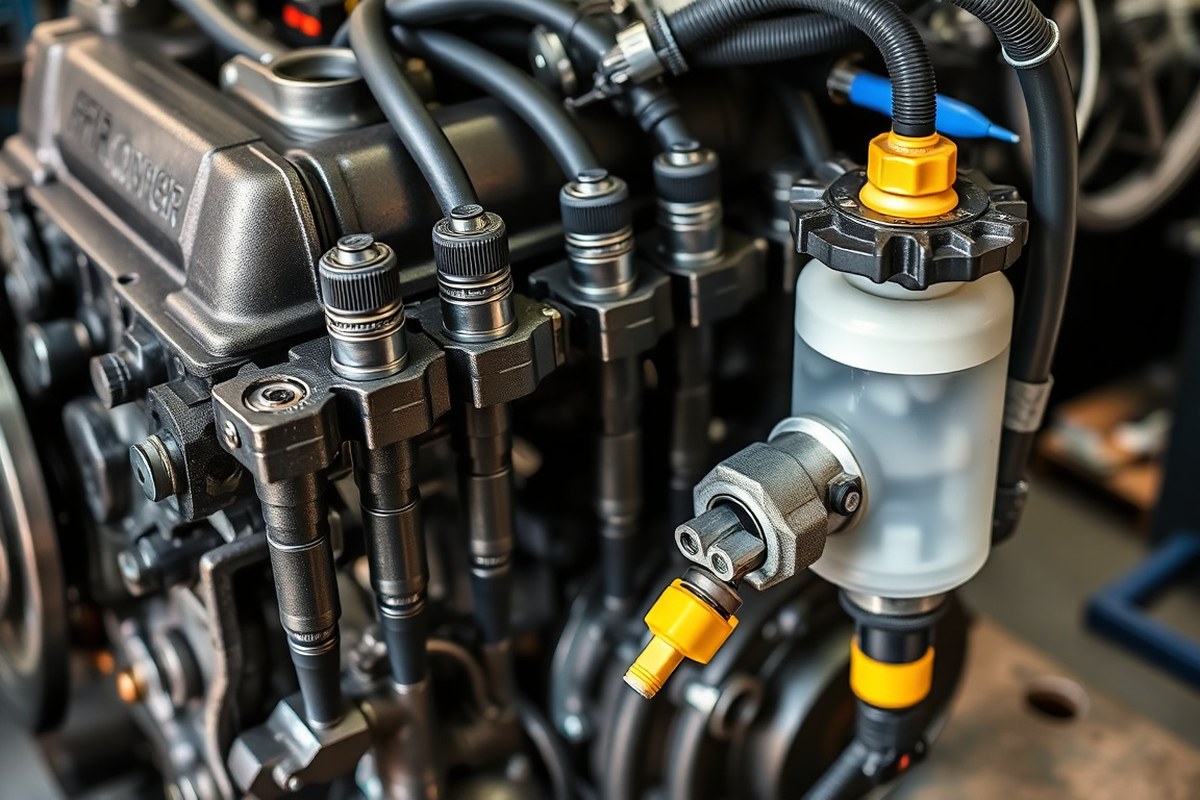
Gasoline damages diesel fuel pumps because it lacks proper lubrication. Diesel fuel contains natural lubricants essential for fuel pump and injector longevity. Gasoline in the system makes metal parts wear faster.
The fuel pump can fail badly because of this. It causes serious damage to engine parts.
The fuel injectors suffer because they spray fuel under extremely high pressure. Gasoline’s thinner, solvent nature wears away injector seals and precision parts. This damage leads to leaks, poor fuel atomization, incomplete combustion, and engine misfires.
Seals and rubber components in the fuel system break down first. Gasoline’s solvent effect dissolves these seals, causing fuel leaks and allowing contaminants inside. Cracked or brittle seals let gasoline bypass into the engine oil, reducing oil’s ability to lubricate.
When gasoline dilutes diesel engine oil, it lowers the oil’s lubricity significantly. That causes engine parts like pistons and bearings to wear unusually fast. This wear causes the engine to overheat and make noise.
It might break the engine if ignored. Act quickly to stop more problems.
Do not start the engine after misfueling; gasoline will circulate and worsen damage.
Gasoline also causes abnormal combustion in the diesel engine’s high compression environment. It ignites too early, producing knocking and black smoke. Gasoline knocks the tips off injectors and hurts valves.
It also can cause carbon to build on walls. This damages the combustion chamber inside the engine.
Fixing early damage to fuel pumps costs $1,000 to $3,500. Injector repairs can be just as expensive. These repairs happen if contamination goes unchecked.
Advanced engine oils help protect parts with anti-wear additives. They can’t fix damage if gasoline stays inside too long.
Oil slows damage but doesn’t stop it fully. Flushing the fuel system promptly is the only way to prevent permanent damage.
Once the gasoline enters, the delicate balance of proper fuel lubrication and combustion is lost. That’s why the fuel pump, injectors, seals, and combustion chamber parts degrade quickly. The best fix is to drain bad fuel right away.
Repair any damaged seals to stop leaks. This saves you from costly engine repairs later.
Symptoms That Indicate Gasoline Contamination in Diesel Engines
Gasoline in a diesel engine causes clear signs you can notice fast. The engine often struggles to start, or it might stall suddenly after starting. These problems happen because diesel fuel is thick and lubricates well.
Gasoline does not have this thick, oily quality. Diesel engines need that lubrication to work right.
Once gasoline mixes with diesel, your engine may shake or vibrate while running. Excessive smoke from the exhaust is another key symptom and often means fuel combustion is uneven. You might hear knocking or rattling noises.
These sounds come from gasoline igniting too soon inside the engine. This early ignition causes damage risks.
- Difficulty or failure to start the engine
- Random stalling or engine sputtering
- Shaking or vibrating engine when idling or driving
- Heavy or unusual smoke from the exhaust pipe
- Odd knocking or pinging noises inside the engine
- Loss of power and poor acceleration
- Warning lights or fault codes on the dashboard
Newer diesel engines, especially models with common-rail systems, are very sensitive to gasoline contamination. Even about 1% gasoline can lower the diesel’s flash point by 15 to 20 degrees Celsius. This makes the engine prone to damage and worsens symptoms fast.
At first, the engine may seem fine. That’s because diesel sticks in the fuel lines. But problems usually show up soon after.
But performance and fuel economy will drop as gasoline spreads through the fuel system. Avoid starting the engine if you know or suspect gasoline got into the diesel tank. Starting can circulate the gas and cause more harm.
Immediate Steps to Take After Putting Gas in a Diesel Tank
Stop immediately upon noticing gasoline in the diesel tank. Avoid starting the engine because it spreads gasoline and can cause serious damage.
Leaving the vehicle where it is helps prevent contamination. Moving the vehicle risks pumping gasoline into the engine and causing misfires or stalling. Call a professional or roadside service for help.
- Notify roadside assistance or a diesel mechanic immediately.
- Do not start or turn on the engine or ignition.
- Avoid moving the vehicle to prevent fuel system contamination.
- Explain the situation clearly to professionals so they bring proper tools.
- Wait for a qualified technician to drain the fuel tank.
- Have the fuel system flushed completely before adding fresh diesel.
- Replace fuel filters after draining and flushing to avoid damage.
Catching the mistake before starting the engine keeps cleaning costs between $150 and $400. Running the engine briefly before noticing may cause damage, increasing repairs up to $1,500 or more. Larger repairs happen if injectors or pumps seize due to gas contamination.
After clearing the fuel system and refilling with diesel, restart the vehicle. Then you can safely drive as usual.
Prompt response is key to avoid costly repairs and keep the engine running smoothly. Always keep emergency contacts for diesel specialists handy before you need them.
How to Diagnose and Confirm Gasoline Presence in Diesel Fuel
To check for gasoline in a diesel engine, mechanics take fuel samples. They also run diagnostic scans and use sensory tests. These steps help find contamination.
These methods reveal whether gasoline is mixed with diesel and how badly the system is affected. Identifying contamination early helps avoid severe fuel system damage and costly repairs.
Fuel Sample Collection and Visual Inspection
Collecting a fuel sample is a straightforward way to check for gasoline presence in diesel fuel. A technician drains fuel from the tank or fuel lines using a clean container. The next step is to examine the fuel’s color and consistency.
Diesel fuel is typically darker and oily, while gasoline is lighter and more volatile. Gasoline in diesel appears thinner and can evaporate quickly, leaving a strong chemical smell. Also, inspecting fuel filters and injector nozzles for damage or residue helps detect contamination.
Here are the steps to take a proper fuel sample and inspect visually:
- Park the vehicle in a well-ventilated area and wear gloves for safety.
- Open the fuel tank to get a sample. Or disconnect a fuel line carefully. Collect the fuel in a clean, clear container.
- Observe the sample’s color and texture under good light for unusual clarity or evaporation signs.
- Smell the fuel carefully, noting any sharp, gasoline-like odor.
- Check the fuel filters and injector tips for swelling, cracking, or residue.
- Record findings to compare against normal diesel fuel characteristics.
Never take fuel samples near flames or sparks; gasoline vapor is highly flammable.
Using Diagnostic Scan Tools and Sensors
Most modern diesel engines have sensors that report fuel system status to the vehicle’s computer. Mechanics use OBD-II scanners to read trouble codes linked to fuel problems.
A check engine light might appear because gasoline causes abnormal combustion. Scanners detect misfires, injector faults, or sensor failures triggered by the wrong fuel type.
Also, advanced scan tools measure exhaust gases and combustion cycles to confirm contamination. The results show how bad the damage could be.
Mechanics then know what parts to check or replace. This helps plan the repair job.
Fuel Odor and Engine Performance Indicators
An unusual fuel smell is an early sign of gasoline in diesel fuel. Gasoline vapors smell sharper and more chemical than diesel’s oily scent. Drivers and mechanics often notice it when opening the hood or fuel cap.
Gasoline contamination affects engine performance, causing rough idling, black smoke, or overheating. These symptoms usually prompt further diagnostic checks. Tracking changes in sound and smoke helps pinpoint the fuel problem before it worsens.
Repair Process: From Draining to Full Fuel System Flush
Repairing a diesel engine after putting gas involves several key steps. First, the fuel tank must be drained and cleaned to remove contaminated fuel. Next, fuel lines are flushed and filters replaced to clear deposits.
Finally, the fuel pump and injectors need inspection and possible replacement if damaged. The entire process usually takes several hours to a day, depending on damage severity.
Draining and Cleaning the Fuel Tank
Draining the fuel tank is the first important step. Contaminated fuel left inside will cause ongoing problems. This step prevents gasoline from circulating through the diesel engine’s system.
After draining, the tank should be cleaned to remove residual gasoline and vapors. Not flushing the system can cause constant engine knocking. This happens after diesel is added back.
The misfires may continue until cleaned properly. The cost for draining and disposal ranges from $150 to $400.
Cleaning often involves flushing the tank with diesel or a compatible cleaning agent. This removes traces of gasoline that can harm the engine or fuel system parts later.
Flushing Fuel Lines and Replacing Filters
Gasoline can remain in fuel lines even after the tank is drained. Flushing these lines is important to avoid gasoline contamination in the fuel system. Fuel filters must also be replaced afterward because gasoline clogs or degrades them.
Replacing the fuel filter costs between $100 and $300 depending on the vehicle. Flushing the fuel lines pushes out gasoline with pressured diesel. Sometimes, a cleaning fluid is used instead.
This clears out any leftover fuel residue. Fuel filters trap contaminants to protect the fuel pump and injectors.
Skipping this step risks components running on contaminated fuel, leading to premature failure. The entire drain, flush, and filter replacement process takes 3 to 6 hours in most cases.
Fuel Pump and Injector Inspection and Replacement
Fuel pumps and injectors are at high risk from gasoline exposure. Gasoline lacks lubricants found in diesel, causing wear and scoring in these parts. They should be carefully inspected after flushing the rest of the fuel system.
Damage might require you to replace parts. A mechanic can help decide this.
Fuel pump replacement can cost $800 to $2,500 or more. Injector replacement prices vary by engine and can run from $300 to over $1,000 each.
Running the engine even briefly on gasoline increases damage odds. Damaged injectors cause poor engine performance, knocking, and higher fuel consumption. Inspecting these parts usually happens after removing fuel filters and flushing lines.
Here are steps to fix gasoline contamination properly after misfueling a diesel engine:
- Drain all fuel from the tank and safely dispose of contaminated gasoline.
- Flush the fuel tank with compatible diesel or a cleaning agent.
- Flush fuel lines from the tank to the engine to remove gasoline residues.
- Replace fuel filters to prevent clogs and protect the fuel pump.
- Inspect the fuel pump for signs of wear or damage due to gasoline.
- Inspect fuel injectors and test for proper spray pattern and function.
- Replace damaged fuel pump or injectors if necessary.
- Perform a full synthetic oil change to fix fuel dilution from gasoline.
Costs and Timeframes for Fixing Gasoline Contamination in Diesel Engines
The repair cost depends on how long the engine ran after misfueling. More time running increases damage and expenses. Less time can mean cheaper fixes.
Repairs can be cheaper and faster if the engine never started. Running the engine on mixed fuel causes more damage.
Parts like injectors and fuel pumps can break. This raises repair costs and time needed.
Other factors affecting price include the severity of contamination and required parts replacement. Some repairs only need fuel system draining and flushing.
More severe cases need fuel pump and injector swaps, raising costs. Labor rates and location also influence the final bill.
The table below shows common repair cost ranges and timeframes based on contamination severity. You can use this as a rough guide to know what to expect:
| Severity | Typical Cost Range | Repair Time | Common Repairs |
|---|---|---|---|
| Gasoline Added but Engine Off | $150 – $300 | 1 – 3 hours | Fuel draining, tank cleaning, fuel filter change |
| Engine Started Briefly | $500 – $1,200 | 4 – 8 hours | System flush, filter & injectors check, partial parts replacement |
| Engine Ran Longer on Mixed Fuel | $1,500 – $4,000+ | 1 – 3 days | Fuel pump, injector replacement, possible engine diagnostics |
Draining and flushing works well if done immediately and the engine never ran. Delaying repairs leads to more corrosion and wear. Those conditions require tighter tolerances on parts and more labor, causing bigger bills.
Timely diagnosis saves money and downtime. Costs rise when pumps or injectors get damaged. This often happens after a few minutes running on gasoline.
Damaged parts increase repair time and expenses. Shops usually take leftover fuel samples to check contamination before starting repairs.
When You Can Safely Add Diesel to Dilute Gasoline Contamination
Diesel engines do not tolerate gasoline well. You can dilute a small amount of gasoline in diesel. But only if it stays below about 5%.
For example, your tank holds 20 gallons. One gallon of gasoline mixed with 19 gallons of diesel might avoid damage. Above that level, the risk of engine knocking and injector damage rises sharply.
Dilution works best when you catch the mistake early. It also works if the engine has not started or run much. Adding more diesel can reduce gasoline’s effects and lower flammability risks.
To decide if dilution is safe, first estimate how much gasoline entered the tank. The safer choice is draining and flushing when gasoline is over 5%.
To figure out safe dilution, divide gasoline volume by total fuel volume. That gives you a percentage. Keep that under 5% to stay in a low-risk zone.
For example, 2 gallons of gasoline mixed with 20 gallons of diesel needs more diesel. You must add diesel to reach at least 40 gallons total. This brings gasoline down to 5% or less.
This method does not remove gasoline from fuel lines or injectors. That is true if the engine already ran. Also, cold weather and heavy engine loads can make even small gasoline contamination more harmful.
Turn off the engine right away if you hear knocking. Then get a professional to inspect the system.
Changing fuel filters soon after dilution helps catch gasoline residues before they cause damage. Cost-wise, adding fuel is cheaper than draining. But flushing fuel systems after contamination still often costs between $150 and $500.
Use dilution as a short-term fix only when you are sure gasoline volume is low. Also, the engine should stay off during the process.
Never try to dilute if you’re unsure about how much gasoline is in your diesel tank. A full drain and flush prevent costly damage.
Preventing Misfueling: Tools and Habits to Avoid Putting Gas in Diesel Engines
You can avoid putting gas in a diesel truck by using clear labels. Lock the fuel caps. Adopt careful habits when fueling your vehicle.
Simple tools and driver awareness reduce the chance of mistakes. Taking these steps saves costly repairs and downtime.
Fuel Cap Locks and Warning Labels
Fuel cap locks help prevent unauthorized or accidental fueling. These locks keep the diesel tank secure. You can’t put gas in without unlocking first.
It stops gasoline pump nozzles from fitting securely. Adding bright warning labels near the fuel door helps drivers stay alert.
It reminds them to double-check the fuel type every time. This simple step reduces mistakes.
Labels come in various sizes with clear messages and icons. Some kits include both a fuel cap ring seal and stickers for extra visibility. These warnings alert anyone approaching the vehicle to use the correct fuel and reduce errors.
Color Coding and Nozzle Size Differences
Color coding is a simple way to tell diesel from gasoline containers or hoses apart. Use green labels for diesel and red for gasoline. These colors follow common standards at many fuel stations.
This helps drivers quickly spot the correct fuel. This visual cue quickly informs drivers and stations employees.
Diesel pump nozzles are usually larger than gasoline ones, designed to fit only diesel filler necks. However, diesel vehicles often accept smaller gasoline nozzles, making misfueling easier if you’re not careful. Using color-coded adapter rings and labels on your vehicle’s fuel door helps protect against this.
Driver Education and Best Practices at the Pump
Driver habits play a big part in avoiding misfueling. Before filling up, stop and look at the pump label. Check the fuel type on your vehicle’s fuel door too.
Always confirm before starting to pump fuel. This takes just a few seconds but prevents serious problems.
Many mixed gas and diesel fleet managers run training to teach drivers how to avoid misfueling. This training covers proper pump identification and encourages a routine check. Writing down these rules or posting reminders inside the truck can keep them fresh.
- Always check the fuel type on the pump label before fueling
- Read your vehicle’s fuel cap or door sticker every time
- Keep a diesel-only fuel container separate with green labels
- Install locking fuel caps on all diesel vehicles
- Use warning decals near the fuel filler neck
- Train all drivers on the risks and prevention of misfueling
- Double-check the pump nozzle size and color before inserting
These habits cut down on errors and protect your diesel engine. Even a small amount of gas in diesel can mean costly repairs.
Your Quick-Start Action Plan for Gasoline in Diesel Engines
Follow these steps right away to limit damage and get your diesel engine running safely again.
- Immediately after misfueling: Do not start the engine. Check if it has run; if yes, expect more damage.
- Within the first hour: Call a professional mechanic or roadside service. Tell them about the gasoline contamination.
- Before any repairs: Arrange to have the fuel tank drained and flushed. This removes gasoline and avoids further harm.
- After draining: Replace all fuel filters. This stops gasoline traces from reaching the engine parts.
- Within 1 to 2 days: Have the fuel lines and injectors inspected and cleaned. Confirm no gasoline remains.
- Once cleaning is done: Fill the tank with fresh diesel fuel only. Monitor how the engine runs for unusual sounds or performance issues.
- After 1 week of safe running: Schedule a full engine checkup. Ensure no delayed damage has appeared.
Frequently Asked Questions
How Much Gas Will Damage a Diesel Engine?
Even a small amount, like 1-2% gas in diesel, can cause damage. Gas burns differently and can harm fuel system parts quickly. Avoid driving if you suspect gas contamination to prevent serious engine issues.
What If You Accidentally Put Gas in a Diesel?
Stop the engine immediately and don’t start it again. Drain the fuel system to prevent damage. Call a mechanic for a full flush.
Have them inspect the system thoroughly. Acting fast reduces repair costs and engine harm.
Will Diesel Ruin a Gas Engine?
Diesel in a gas engine can cause major issues but usually won’t cause immediate damage. Diesel won’t ignite easily, often causing rough running or stalling before serious harm happens. Repair often involves draining and cleaning the fuel system.
Will 2 Gallons of Gas Hurt a Diesel Engine?
Yes, even 2 gallons can hurt a diesel engine if mixed with diesel. It can lead to misfires, power loss, and damage to fuel components. Avoid running the engine and get the fuel drained to limit damage.
Can Putting Gas in a Diesel Engine Cause the Engine to Seize?
Yes, gasoline can cause the diesel engine to seize by damaging fuel pumps and injectors. This damage may require a rebuild or replacement, costing thousands. Quick action like draining the tank helps prevent this outcome.
Before You Go
Putting gasoline in a diesel engine risks serious damage but acting fast helps prevent it. Start by not running the engine and get professional help right away. Keep your diesel safe by using the correct fuel type.
Act fast if you put in the wrong fuel. Taking quick action helps protect your engine.