Can You Put Gas in a Running Car? Complete Safety Guide and Risks Explained
You can add gas while the car’s running, but it’s risky. Gas smells can catch fire easily. The engine running can spark and cause a blaze at the pump.
Gasoline gives off vapors all the time. This happens even when it’s cold.
Its flashpoint is really low, around -40°F. When the engine runs, it creates an ignition source near these vapors. Avoiding fueling with the engine on reduces fire hazards and costly repairs.
Your vehicle’s EVAP system reacts strongly to fueling with the engine running. Your car thinks the open gas cap is a big leak. This causes error codes to appear.
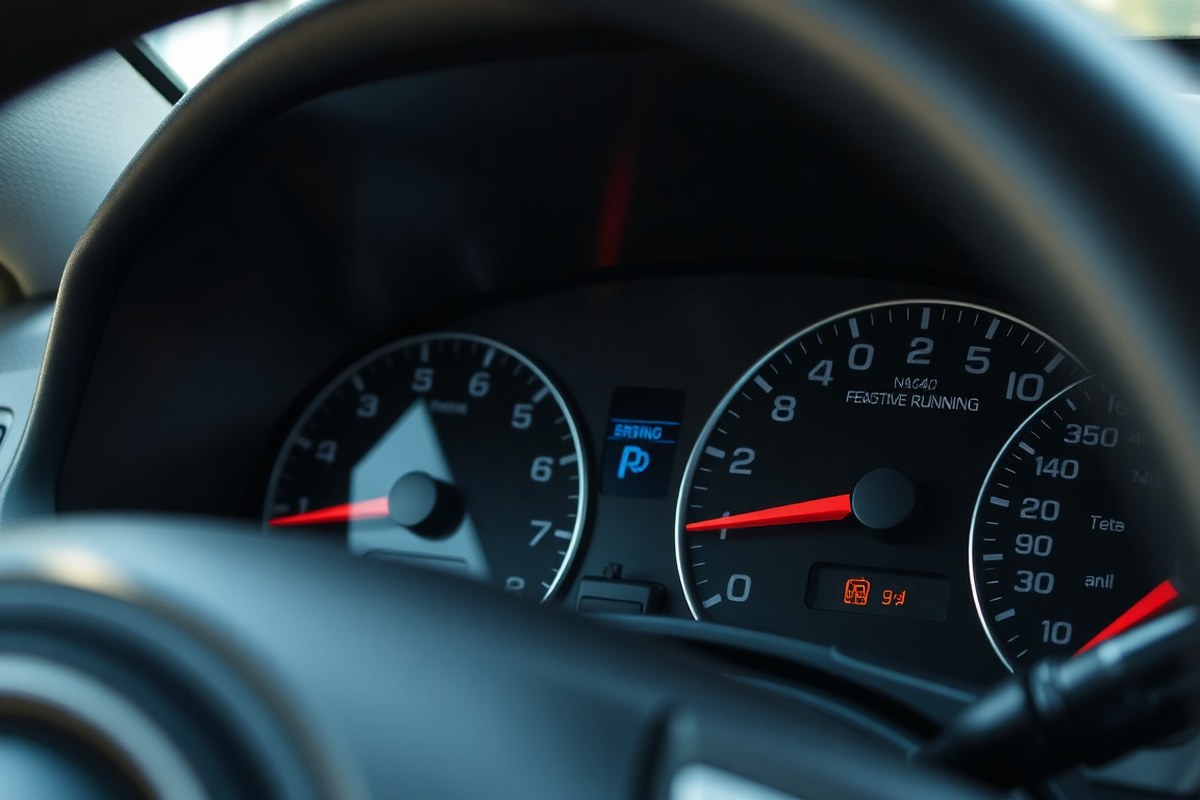
You will see the Check Engine Light come on. Turning off the engine first keeps your fuel system happy and safe.
Key Takeaways
- Never pump gas with the engine running to avoid fire risks.
- Gasoline vapors ignite easily due to their low flashpoint of -40°F.
- Running engines create sparks that can ignite vapors at the pump.
- The EVAP system flags fueling with engine on as a major fuel leak.
- Refueling with engine off helps prevent costly repair codes like P0455.
- Complete an EVAP system drive cycle by driving 30, 50 miles after.
Is It Safe to Put Gas in a Running Car?
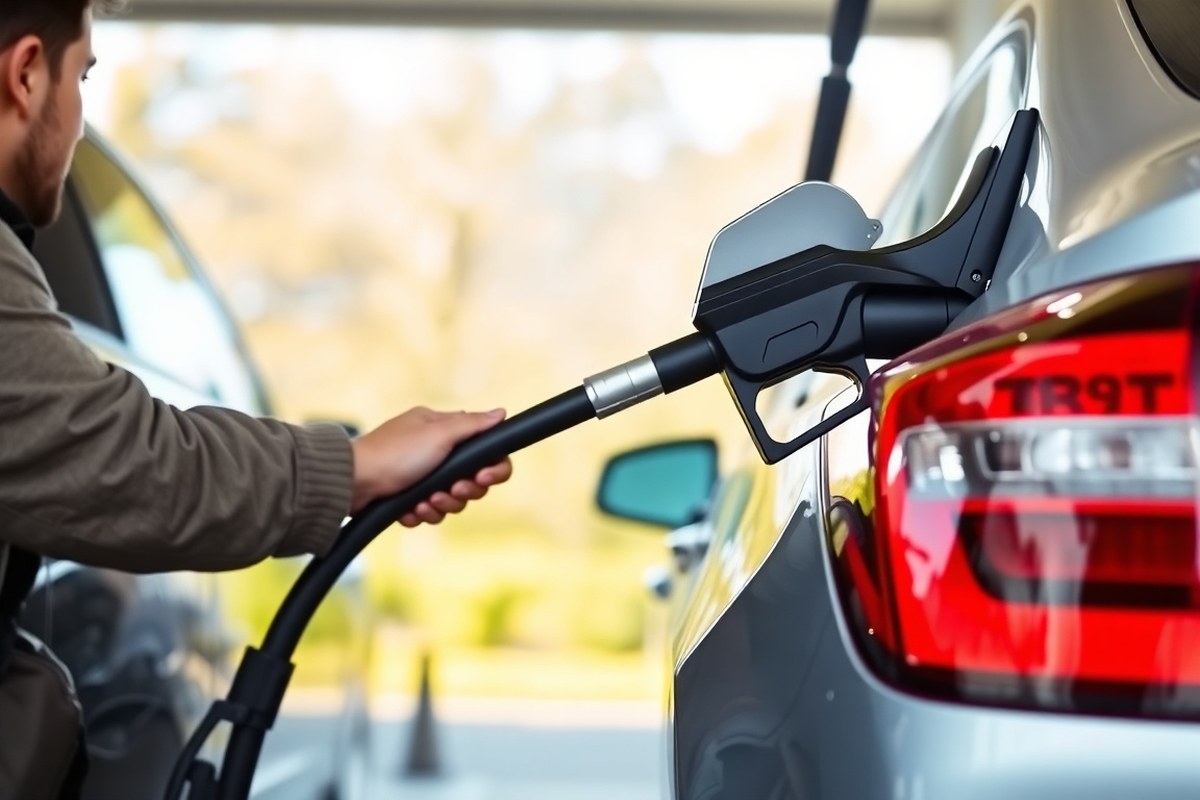
Putting gas in a running car is not safe and should be avoided. Gasoline vapors can ignite if exposed to sparks or heat from the active engine. This creates a real fire risk every time you fuel with the engine on.
The engine running adds a constant ignition source near highly flammable gasoline vapors. Static electricity or small sparks can trigger a fire or explosion. These hazards are why experts want you to turn off your engine.
Safety experts and car makers agree on this rule. You should always stop your engine before fueling.
Adding gas to a running car rarely harms the engine right away. It can still damage your vehicle’s Evaporative Emission Control System. This system helps limit fuel vapors and must be protected.
This system handles gasoline vapors. Fueling with the engine on can cause leaks or malfunctions, which might lead to costly repairs.
You might save seconds by not turning off the car. But safety risks are much bigger than that brief convenience. Always turn off your engine to stay safe.
Fire hazards and damage to your car are not worth rushing at the gas pump. Turning off the engine before fueling takes only a moment and greatly reduces risks.
Be very cautious if you must pump gas with the car running. Avoid sparks and do not smoke near the pump. Better to turn off the car before fueling.
Avoid any actions that could cause sparks near the fuel nozzle. The safest way is to turn off the engine first.
Open your gas cap and pump the fuel. Only start the car again after finishing fueling.
How Gasoline Vapors and Engine Heat Create Fire Risks

Gasoline vapors are highly flammable because gasoline has a very low flashpoint, around -40°F. This means it releases flammable vapors even at cold temperatures. Engine vapors mix with oxygen around a running engine.
This creates a dangerous fuel-air blend. This mixture can ignite easily.
Engine parts like the exhaust manifold and catalytic converter get very hot. Gasoline vapors ignite at about 536°F, says the National Fire Protection Association. These hot parts can ignite vapors without a spark or flame.
Engine heat isn’t the only ignition risk when fueling a running car. Electrical components inside the engine can create sparks.
Worn insulation or electrical shorts increase this risk. That small spark can ignite gasoline vapors and cause a fire, especially around the filler neck.
Modern vehicles maintain sealed systems that limit vapor escape during fueling. Even so, vapors can leak if the system isn’t fully sealed or if spills occur. Sitting inside the vehicle while fuel flows can lower static electricity risk.
But moving around and touching metal parts increases it. Static sparks combined with hot engine parts create a real fire hazard.
Gasoline’s volatility changes slightly with temperature. But it produces vapors at nearly all normal outdoor conditions.
Hotter temperatures mean more vapors, which means greater risk at the pump. Cooling gasoline reduces vapor pressure, but that’s rarely relevant when refueling in everyday conditions.
Some engine faults cause oil leaks that increase vapor release. Bad valve seals are a common example. These leaks make the fire risk worse.
These leaks raise fire risks during fueling. Turning the engine off eliminates the main ignition sources: heat and sparks. That step cuts the risk of starting a fire significantly.
Never leave your vehicle running while pumping gas. Heat and sparks from your engine can ignite vapors, starting a fire.
How Your Vehicle’s EVAP System Reacts During Fueling
Your car’s EVAP system manages fuel vapors and seals the tank during refueling. When you fuel with the engine running, the system senses a huge pressure drop. This often triggers the Check Engine Light and stores trouble codes.
EVAP System Role During Refueling
The EVAP system traps fuel vapors to prevent them from escaping into the air. It seals the fuel tank and uses sensors to monitor pressure levels during refueling. The system checks for leaks or pressure shifts when the engine runs.
Opening the gas cap while running causes a sudden pressure drop inside the tank. The EVAP system’s computer sees this as a major leak or fault.
This can confuse the system. It may turn on warning lights like Check Engine.
Common Diagnostic Trouble Codes Explained
Fueling with the engine on usually causes trouble codes P0455 or P0440. These mean the EVAP system detected a large leak from the open fuel filler neck. The computer logs these faults and triggers the Check Engine Light.
Codes like P0446 and P0442 can appear if refueling with the engine left damage behind. These relate to smaller leaks or EVAP system component issues. Repeating codes after resets can indicate real hardware problems needing repair.
Clearing and Preventing EVAP Codes
To clear EVAP codes, use an OBD-II scanner to reset the system after fueling. Drive the car for several trips so the EVAP monitor can rerun tests. The Check Engine Light will turn off if no leaks return.
Prevent trouble codes by always turning off the engine before removing the gas cap or refueling. This keeps the EVAP system pressure steady and avoids false leak detection. Visit a mechanic to inspect real EVAP problems if the light stays on.
Legal and Regulatory Guidelines on Refueling with Engine Running
The National Fire Protection Association (NFPA) code 30A clearly bans running your engine while fueling. This rule exists because gasoline vapors ignite easily around engines. Stations must follow these codes to keep customers and workers safe.
Many gas stations enforce rules requiring engines be off before pumping gas. This is part of a broader safety effort required by federal and local regulations.
A fire could start while your car runs. You may be responsible for ignoring the rules.
The legal restrictions serve more than fire prevention. They also reduce your exposure to harmful fuel vapors. The vapors are heavier than air.
They can collect in low spots near the pump. This makes the risk clear and immediate.
Most gas stations have signs telling you to turn off your engine. These signs remind you of laws and help operators enforce safe practices. Failing to comply may lead to fines or refusal of service at the pump.
Beyond state or local laws, NFPA codes are embedded in fuel station operational standards. The rules guide everything from pump design to emergency procedures. Running your engine while refueling breaks these rules.
It also raises insurance liability concerns. This matters if an accident happens.
Even if no rule is posted at your gas station, legal and safety codes still apply everywhere. Operators follow these to avoid accidents and costly violations. Ignoring the rules wastes safety measures built on decades of incident data and careful analysis.
Gas station employees often watch for customers who leave their cars running. They may ask you to turn off your car to stay in compliance. Following these simple steps takes only seconds and lowers fire risk substantially.
In some places, failing to turn off your engine may result in fines. The fines vary based on local safety codes and enforcement. Always assume it’s best and safest to shut off your car before you start fueling.
Common Mechanical and Electrical Failures from Active Refueling
Fueling your car while the engine runs can lead to costly mechanical damage. The fuel system might flood the charcoal canister, which stores vapors to reduce pollution. When this part floods during refueling, it can fail.
Replacing it can cost between $300 and $800. This happens because the system absorbs extra gasoline vapor. It can overload if the engine runs while fueling.
Active electrical components raise the risk of sparks inside your vehicle. Faulty spark plugs or static discharge can ignite gasoline vapors.
This ignition can cause fires around the fuel filler neck or inside the engine compartment. Such fires can destroy your car and sometimes cause injuries.
Mechanical problems often show as fuel leaks. They usually happen when refueling with the engine on. They may damage the EVAP system.
The EVAP system prevents fumes from escaping, but active fueling can cause pressure changes. These issues cause cracked hoses or broken valves.
That lowers your vehicle’s efficiency. It may also cause emissions test failures.
| Hazard Vector | Statistical Rate | Primary Damage Outcome |
|---|---|---|
| Annual Fuel Station Fires | 4,500 incidents per year (per NFPA data) | Severe structural and vehicle damage |
| Charcoal Canister Flooding | Common during active refueling (industry consensus) | Replacement costs ranging from $300 to $800 |
| Static Discharge Sparking | Highly improve in dry weather (PEI studies) | Flash fire at the vehicle filler neck |
Electrical sparks can affect systems beyond just igniting fire. They may short circuit sensors or wiring connected to your engine control module. This can cause misfires, jerky acceleration, or trouble starting your car.
Fixing ignition and electrical systems often costs several hundred dollars. Repairs can take several hours to complete.
Fueling a running car also risks damage to the fuel pump. The pump works harder when the engine is running during refueling.
This overload shortens its lifespan and increases the chance of failure. Replacing a fuel pump can cost $400 to $1,000, varying by vehicle make and model.
Always turn off your engine before fueling to keep your car safe from damage and fire.
Static Electricity and Sparks: The Hidden Hazards When Pumping Gas
Static electricity forms when your clothes rub against car seats, building up a charge. This charge can spark when you touch metal parts outside your vehicle, igniting gasoline vapors. To lower fire risks, discharge static before touching the pump.
Avoid going back inside your car while refueling. Staying outside stops charges from building up.
Causes of Static Electricity at the Pump
Static electricity appears from surfaces rubbing together, like your clothes sliding on the car seat. This causes an electric charge to build on your body.
The charge stays until it finds a path to ground. It moves suddenly when you touch metal.
When you touch the car door frame or pump handle, the charge jumps, causing a spark. Gasoline vapors around the pump easily ignite from these small sparks.
Best Practices to Prevent Static Sparks
Touch a metal part of the car’s body before grabbing the pump nozzle to discharge static. This simple step reduces the chance of a spark igniting gasoline vapors.
Avoid climbing back into your vehicle during refueling. Getting in and out builds more static, increasing fire risks.
- Touch the car’s metal door frame before fuel is handled
- Keep your feet on the ground while fueling
- Do not re-enter the vehicle once fueling has started
- Use static-free fuel containers when possible
- Keep the nozzle in contact with the filler neck during filling
- Wear natural fibers instead of synthetic clothes at the pump
Use these tips every time you fill up, even if the engine is off. Static discharge is a leading cause of gas station fires, accounting for over 50% of incidents.
Situations with Higher Static Risk
In cold, dry weather, static builds up more easily. Synthetic clothing and car seat covers increase friction, raising static charge risks.
When you keep your engine running, be extra careful. This is important for passengers or equipment inside.
Stay alert to avoid sparks or static. Always touch metal before handling fuel and ensure vents are open for good airflow.
Drivers who carry portable gas cans should use static-free designs to avoid sparks. Avoid handling fuel and getting back in your car repeatedly when filling these containers.
Best Practices for Safely Refueling Your Vehicle
Always turn off your car’s engine before refueling to reduce fire risks. Follow clear steps from prepping your vehicle to safely restarting after filling up. This keeps your vehicle’s sensors protected and lowers the chance of sparks or leaks.
Before You Start Pumping
Parking your car close to the pump helps you reach the gas tank easily. Switch off the ignition completely and take the key out. Avoid using your phone or smoking nearby to prevent sparks.
Open your gas cap slowly to release any built-up pressure safely. Verify that the pump nozzle matches your fuel type to avoid contamination. This prep takes just a few minutes but adds a layer of safety.
During Refueling Safety Tips
Keep the pump handle steady and don’t overfill the tank. Auto shutoff functions usually stop fuel flow when full, so trust this feature. Avoid stepping back and forth between the nozzle and your car to reduce static buildup.
- Hold the nozzle nozzle firmly during the entire fueling process
- Don’t lean on your car, which can cause static electricity
- Never smoke or use an open flame near the pump
- Stay alert for any fuel spills or unusual smells
- Keep children and pets away from the pump area
- Do not re-enter your vehicle during fueling to prevent static shocks
Fuel vapors can ignite if exposed to a small spark. So minimize movement and be aware of your surroundings. If you notice leaks or malfunctions, stop fueling immediately and alert station staff.
Restarting the Engine After Fueling
After tightening the gas cap until you hear it click, step away from the pump. Check that no fuel has spilled on or around your vehicle. Starting your engine after this ensures the EVAP system is sealed and prevents emissions loss.
Turn the key or press your start button only after safely finishing fueling. Doing this step-by-step prevents accidental ignition of vapors and protects your car’s engine sensors. Waiting 30 seconds after pumping helps reduce vapor concentration near the nozzle.
Immediate Steps After Accidentally Fueling with the Engine Running
After you fuel your car with the engine running, act fast. Stop fueling immediately. Turn off your engine to reduce risk.
Turning off the engine helps prevent fuel vapors from igniting. Then check your car for any signs of trouble or leaks before driving again.
Follow these steps right away to avoid damage or fire hazards. These quick actions help keep you and your vehicle safe.
- Turn off the engine immediately. Stop gas vapors from mixing with hot engine parts.
- Remove the fuel nozzle and replace the gas cap tightly. This stops fuel from spilling and vapors from escaping.
- Look around and under your car for fuel leaks or spills. Check the ground and the gasoline filler area carefully.
- Smell inside the car for gasoline odors. A strong smell means leaks or vapor buildup, which is unsafe.
- Do not start or drive the vehicle if you smell gas or see leaks. Leave it parked safely, away from flames or sparks.
- Call a mechanic to inspect your fuel system and engine electronics. They can check for hidden damage that may not show immediately.
- Have a professional clean any spilled fuel and check the EVAP system. This system traps vapors and can get damaged, causing check-engine lights or odours later.
Always treat fuel vapors seriously because they can ignite suddenly. Never ignore gasoline smells or visible leaks after refueling with the engine on.
A quick stop and inspection typically takes just a few minutes. Mechanic checks might cost $50 to $150, depending on the work done. You want to catch leaks or damage now to avoid costly repairs or fire risks later.
Finish those steps first. If your car runs fine with no odd smells or sounds, it’s safe to drive.
But persistent warning lights or smells means professional help is needed promptly. Don’t risk your car or safety by ignoring signs.
Myths and Facts About Fueling with the Car Running
It’s a common myth that using a cell phone near a gas pump sparks a fire. Scientific tests by the NFPA and FCC show that cell phones don’t ignite gasoline vapors. The real risks come from static electricity or sparks, not cell phones.
Movies often show cars bursting into flames when refueled with the engine running. That’s an exaggeration. Fuel vapors have a low flash point of around 536°F. Catalytic converters can get much hotter than this.
This makes handling fuel vapors risky near hot parts. This makes running the engine while fueling risky.
Gas stations post rules for good reasons: turn off your engine and avoid distractions. Fuel vapors can rush into the engine if you pump gas with it running.
This can confuse the vehicle’s computer and cause rough running or stalling. Waiting until the car is off avoids these problems.
Some people think just leaving the engine running speeds up refueling. In reality, it can cause fuel vapor buildup that’s unsafe.
Instead, wait until the engine is off to start pumping. Using a fuel stabilizer also helps keep gasoline stable if you’re worried about fuel quality.
The vehicle’s EVAP system captures vapors during fueling and channels them properly once the engine runs. When the engine is off, this system can work best at preventing dangerous vapor release. Pumping gas while the engine is running disrupts this balance.
Following posted rules costs nothing and takes only a moment. Turning your engine off when fueling prevents vapor problems and makes fueling safer. It also reduces wear on your vehicle’s systems that handle fuel vapors.
Step-by-Step Action Plan for Safe Refueling
Follow these steps to safely refuel your vehicle and avoid hazards linked to fueling while running. This plan helps protect you and your car from fire, static, and mechanical risks.
- Before You Start: Turn off your engine completely. This stops heat and sparks that can ignite gasoline vapors.
- At the Pump: Touch a metal part on your car. Make sure it’s far from the fuel tank. This will release any static electricity safely. This prevents sparks before you grab the gas nozzle.
- During Fueling: Push the nozzle in fully. Keep your hand on the nozzle. This helps stop spills and vapor leaks. Watch the pump gauge to avoid overfilling.
- After Fueling: Replace the fuel cap tightly and hear the click. This seals fuel vapors and keeps the EVAP system working well.
- Before Driving Off: Double-check that your engine is still off. Start your car only after you finish pumping and close the gas door.
- Spot Checks Weekly: Inspect your fuel cap for cracks or wear. A damaged cap can cause leaks and trigger warning lights.
- Regular Maintenance: Get your fuel system checked by a mechanic. Watch for smells, leaks, or dashboard warnings. These signs mean it needs attention. Early repairs protect your safety.
Frequently Asked Questions
Can Putting Gas in a Running Car Cause Engine Damage?
Yes, it can cause engine damage. It disrupts your car’s EVAP system. This leads to costly repairs and a Check Engine Light.
Does Keeping the Engine on While Fueling Affect Fuel Economy?
Fuel economy isn’t directly harmed, but it risks safety and may trigger engine warnings.
Can Static Electricity Ignite Gasoline Vapors If My Car Is Running?
Yes, static charges can spark gas vapors when fueling a running car, increasing fire dangers.
Is There Any Situation Where Fueling with the Engine Running Is Allowed?
Some emergency responders fuel with the engine on, but it’s unsafe for regular drivers.
Why Do Some Gas Stations Require You to Turn Off Your Engine?
They want to stop sparks and vapor ignition, which could cause fires during fueling.
Before You Go
Never fuel your car with the engine running; the risks outweigh any time saved. Always turn off your engine and follow safe refueling steps. Turn off your engine before you grab the gas pump handle.
Make this action a habit. It keeps fueling safer.