
How Often Should I Replace Air Filter? A Complete Guide to Best Schedules
How often should I replace air filter is a common question. You should change your home air filter every 60 to 90 days for best results. This keeps your HVAC running well and improves your indoor air quality.
Different filters last different amounts of time. So pay attention to the type you use.
Start by checking the filter every month to see if it looks dirty or clogged. A clean filter helps your system run more efficiently and saves on energy costs.
Also, watch for signs like reduced airflow or higher energy bills. These signs mean your filter may need replacing sooner than usual. Regular checks will help you avoid bigger problems down the road.
Key Takeaways
- Replace 1-inch or 2-inch pleated HVAC filters every 60 to 90 days.
- Change thicker 4-inch filters every 3 to 6 months and 5-inch every 6 to 12 months.
- Inspect your filter monthly to catch dirt buildup early.
- Swap portable air purifier pre-filters monthly, carbon every 3, 6 months, and HEPA once a year.
- Dirty filters increase energy use by 5 to 15 percent, raising your bills.
- Pets, allergies, and dust levels can make filters clog faster.
How Often Should I Replace My Air Filter for Optimal Performance?
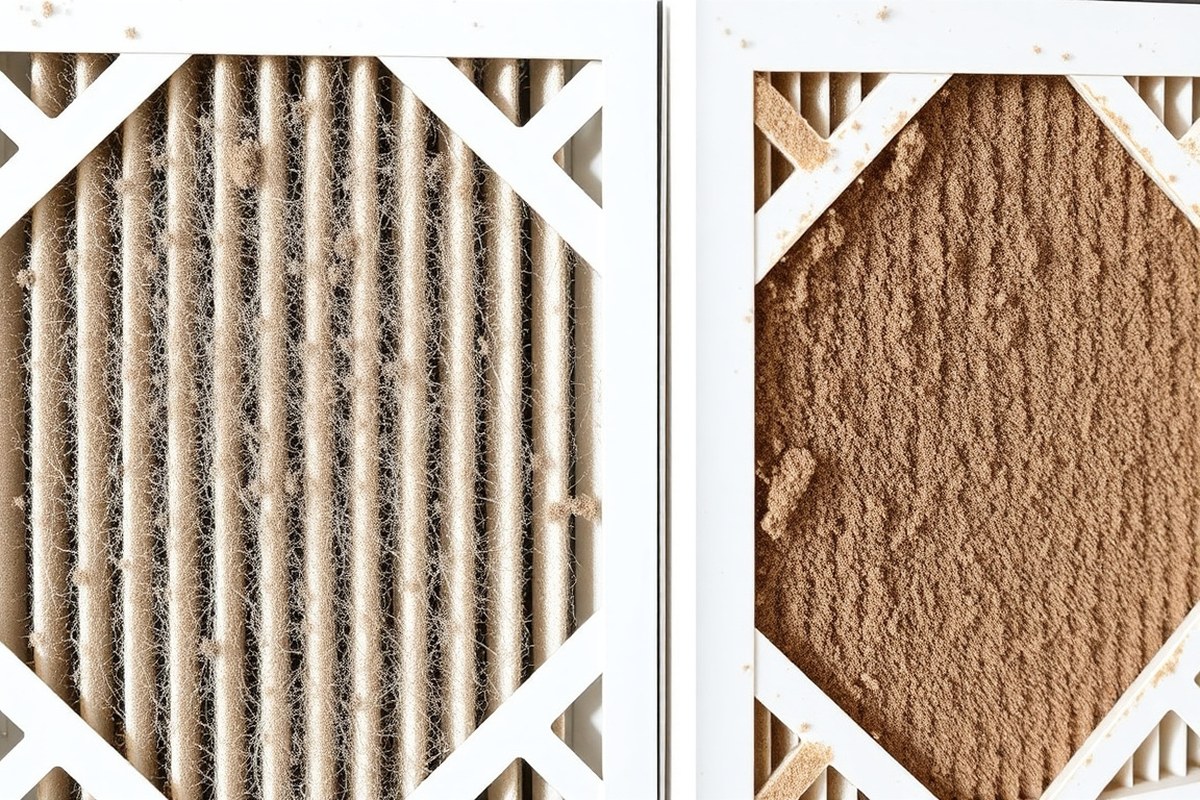
Replacing your air filter every 1 to 3 months keeps your HVAC system running well. The exact timing depends on your filter’s thickness and home conditions. Thinner filters need more frequent changing, often every 30 days.
For example, a 0.5-inch fiberglass filter usually requires replacement once a month. A 1-inch pleated filter lasts 30 to 90 days.
A 2-inch pleated one can go 90 to 120 days. Thicker filters like 4-inch and 5-inch pleated types can last between 6 and 12 months.
Homes with pets or allergy sufferers must replace filters more often. You own pets, so change your filter every 60 days often. For multiple pets or allergy problems, replace it every 20 to 45 days for cleaner air.
Standard homes with minimal dust and no pets usually stick to replacing filters every 3 months. The type of filter material matters too, pleated filters trap more dust.
So they last longer than fiberglass ones. Check your filter every month, especially during heavy use periods.
Filter thickness affects how long it lasts because thicker filters hold more debris. A 2-inch filter traps more particles. It can last up to four months.
This applies in moderate conditions. In contrast, a thin 0.5-inch filter clogs quickly and cuts airflow sooner.
You should also consider your home’s size, insulation, and HVAC system health. Larger homes or older HVAC setups need changes more often. Your ducts are dusty or leaky.
Your filter fills with dirt faster. It needs quicker replacement.
Use a simple rule: check your filter every month and swap it if it looks dirty. Clean filters keep airflow strong and help your system avoid damage. Changing your filter usually costs $5 to $20.
It takes about 10 to 15 minutes. Time depends on how easy access is.
Waiting too long to replace your filter reduces airflow. It raises energy bills. It may cause system failures.
Watching the filter regularly protects your HVAC and keeps your home air fresh. When in doubt, changing it sooner is safer than later.
Which Air Filter Types Last Longest and How Do They Differ?

Fiberglass, pleated, HEPA, and carbon air filters each last different lengths and offer different benefits. Fiberglass filters are low-cost but need frequent changes.
Pleated filters last longer and trap more dust. HEPA and carbon filters excel in cleaning but have different maintenance needs.
Fiberglass Filters and Their Lifespan
Fiberglass filters are flat panels made of spun glass fibers. They usually need changing every 30 days because they catch fewer particles. These filters are affordable and cause little airflow resistance, which helps the HVAC system work efficiently.
They don’t filter air very well. They aren’t good for allergy or asthma sufferers.
You might want a better option if allergies matter. Fiberglass filters are common in many homes because they cost less upfront.
Pleated and High-Efficiency Filters
Pleated filters have folds that increase their surface area to catch dust and debris. They typically last from one to three months, sometimes up to 90 days, depending on use. Most homeowners choose pleated filters for their balance of cost, filtration, and lifespan.
HEPA filters are mostly in air purifiers, not central HVAC systems. They last six to twelve months. You should replace them within that time.
They remove very small particles and are ideal for sensitive environments. However, HEPA filters are usually more expensive and create more airflow resistance. So they are less common in home HVAC units.
Reusable and Carbon-Filter Options
Reusable filters are washable and can be cleaned every one to three months. They reduce waste but don’t filter as well as disposable pleated filters.
Maintenance is key. Failing to clean them properly lowers air quality and can strain your HVAC system.
Carbon filters absorb odors and gases and last about three to six months. Many air purifiers combine carbon and HEPA filters to address both particles and smells. Replacing carbon filters regularly keeps your indoor air fresh.
Here is a simple comparison of common air filter types:
| Material | Change/Clean Frequency | Pros | Cons |
|---|---|---|---|
| Fiberglass (flat panel) | Every 30 days | Affordable, low airflow resistance | Minimal filtration |
| Pleated | Every 1-3 months | Good filtration, widely available | More expensive than fiberglass |
| Washable/reusable | Clean every 1-3 months | Reusable, eco-friendly | Lower filtration, needs proper maintenance |
| Electrostatic | Disposable: 1-3 months; washable: monthly clean | Attracts particles via static charge | Variable effectiveness, maintenance required |
| Carbon (for odor) | Replace every 3-6 months | Controls odors and gases | Does not filter particles |
| HEPA (in air purifiers) | Replace every 6-12 months | Excellent particle filtration | More expensive, restricts airflow |
Picking the right filter changes how often you replace it. It also affects your home’s air quality. Choosing carefully helps with both.
Filters with higher efficiency might last longer but cost more upfront. Lower-cost options require frequent replacement or cleaning to keep your system healthy.
Make sure to follow the manufacturer’s cleaning or replacement schedule to keep your system running smoothly.
What Factors Affect How Quickly My Air Filter Gets Dirty?
Pets add extra hair and dander that clog your air filter faster. With one pet, expect to change a 1-inch filter every 30 to 45 days.
You have two or more pets; change filters about once a month. This applies no matter what depth your filter is.
Allergies or asthma mean you need to swap filters sooner, especially during pollen season. Change your filter every 30 to 45 days or when symptoms worsen.
Run your air purifier all day and night if you have one. HEPA filters for allergy sufferers should be replaced about every nine months to reduce airborne irritants.
How often you use your HVAC system changes how fast your filter gets dirty. Your system runs most of the year. So change filters every 60 to 90 days.
Most homes find this schedule works well. More frequent use means more dust and particles get trapped. So check filters monthly and change sooner when dirty.
Indoor smoking leads to faster filter clogging. Use a MERV 13 filter and change it monthly. Swap carbon filters for smoke odors every three months.
This keeps indoor air fresh. It helps keep your air clean.
Environmental factors like dust from nearby construction or wildfire smoke speed up filter wear. Check and replace your filter 50 to 75 percent sooner during smoke events.
Also do this if your home is near heavy dust. Using a carbon or MERV 13 filter helps trap these tougher particles better.
Urban homes gather dust and pollution faster. So filters need to change about 25 percent sooner than rural homes. Rural homes can usually get full filter life, so changes happen less often.
For high pollution areas or wildfire smoke, change filters 50 to 75 percent sooner. This helps keep your air clean and fresh.
Indoor air quality and how many people live in your home also influence filter life. More occupants mean more dust and skin flakes, which fill filters faster. Homes with children usually need filters replaced more often to maintain good air quality.
How Do I Inspect and Tell When an Air Filter Really Needs Replacing?
Look closely at your air filter to know when to replace it. A dirty filter appears gray or dark with visible dust, dirt, or debris clogging its surface.
Mold, mildew, or dampness on the filter means replace it now. This is key when humidity goes above 50 percent.
Reduced airflow in your home is a big sign a filter needs changing. You might notice weaker airflow from vents. Rooms may not heat or cool well.
A clogged filter could be blocking air movement. This makes your HVAC system work harder and wastes energy, increasing your bills.
Foul or musty smells can also signal trouble. Smells like stale air or mildew near vents? Mold might be growing on the filter.
Strange smells mean check your filter soon. Replace it if needed. This keeps your air clean.
- Turn off your HVAC system before removing the filter
- Slide out the filter carefully to avoid stirring up dust
- Check both sides of the filter for dust build-up and dark spots
- Look for dampness, mold, or mildew on the filter surface
- Feel vents and airflow strength in different rooms
- Run your nose near vents to detect unusual smells
- Replace the filter if dirty, damp, moldy, or airflow is weak
You don’t have to wait for your scheduled filter change if these signs show up first. Visual checks every 30 days or when seasons change help you catch problems early. A clean filter keeps your HVAC efficient.
It saves energy. It also improves indoor air quality without surprises.
How to Replace Your Air Filter Safely and Efficiently at Home
Changing your air filter is simple and helps your HVAC system run well. Find your filter, remove the old one safely, and install a new one the right way. A few quick steps make this easier and safer at home.
Locating Your Air Filter
Most HVAC filters sit in a slot near your furnace or air handler. Check the area where the air returns to your system first. You might also find filters behind wall or ceiling vents in some setups.
Look for a rectangular cover or grille with screws or clips. These are often near the floor or ceiling. Your filter might be high up or near stairs.
Call a pro to help you safely reach it. Find the right size and type in your unit’s manual or on its sticker. This helps match your filter exactly.
Removing the Old Filter Properly
Before starting, turn off your HVAC system for safety. Wear a dust mask and gloves if the filter looks very dirty. Gently slide out the old filter without shaking to avoid spreading dust.
Close the cover or grille once the old filter is out. Check the slot for dust or debris and vacuum it up if needed. Handle the old filter carefully; it can hold allergens and dust.
Installing the New Filter Correctly
Make sure the new filter matches the old one’s size and type. Find arrows on the filter’s frame that point the airflow direction toward the furnace. Slide the new filter into the slot with arrows pointing the right way.
Replace the cover or grille and secure it as before. Turn your HVAC system back on and note the date.
Set a reminder to check or replace your filter every 1 to 3 months. How often depends on your home’s air and pets.
- Cut power to your HVAC system at the thermostat or the breaker box. This keeps you safe while swapping filters.
- Locate the air filter slot, usually near your furnace or air handler.
- Open the cover or remove the grille holding the filter in place.
- Carefully slide out the dirty filter, avoiding dust spreading.
- Vacuum inside the filter slot if dust or debris is present.
- Check that the new filter matches the old one’s size and type.
- Insert the new filter with airflow arrows pointing toward the furnace.
- Close and secure the cover or grille, then turn your HVAC system on.
Wear a mask and gloves when handling dirty filters to protect yourself from dust and allergens.
What Are Common Mistakes That Shorten Air Filter Lifespan and How to Fix Them?
Using the wrong air filter size can cause big problems. Filters too large or too small won’t fit right, letting air bypass them.
This reduces their ability to catch dust and debris. Makes your HVAC work harder, raising energy use.
Improper installation, like putting the filter upside down or loose, also cuts performance. The airflow direction arrow on the filter must point the way air flows through the system. A loose filter lets unfiltered air spoil indoor air quality and clogs your system faster.
Low-quality filters might look cheaper but often trap less dirt and let tiny particles through. They may also break down sooner, needing more frequent changes. Spending a little more on good filters means better air and longer-lasting protection for your HVAC.
- Check filter size numbers on your system or manual to get the exact match.
- Always insert the filter with the arrow facing into the HVAC unit, not out.
- Make sure the filter fits snugly without gaps or bending.
- Choose filters rated MERV 8 to 13 for most homes. They balance air cleaning and airflow well. This keeps your system running smoothly.
- Upgrade quality filters if you have pets or allergy issues for better dirt capture.
- Replace cheaper filters more often to avoid clogging and airflow problems.
- Mark the date of installation on the filter to track replacement timing.
Check your filter’s fit and position often. It only takes a few seconds. Doing this saves energy and prevents costly repairs.
Filters that sit properly catch dust and allergens better, protecting your heating and cooling parts. Quality filters cost 20 to 50 percent more upfront.
They last longer and clean air better. This saves money over time.
Fixing these mistakes helps your system run smoother and lasts years longer. Match the filter size and quality to your needs. This helps avoid repairs and extra costs.
Using the right filter saves hassle. Proper installation is simple and keeps the air healthier for you and your family.
How Do Environmental and Seasonal Changes Influence Filter Replacement Timing?
Humidity plays a big role in air filter care. High moisture causes mold to grow on filters. They grow especially if the filter stays damp after use.
Check filters more during humid months to avoid mold. Change filters every 1 to 2 months if needed.
Seasonal changes affect how quickly filters clog. Spring floods the air with pollen. So replace filters about 25 to 50 percent sooner than usual.
During summer, your cooling system runs more. So change filters 50 to 75 percent sooner.
Fall brings mold and leaves, so swap filters about 25 percent earlier. Winter heating also demands faster changes, around 25 percent sooner than average.
Homes used seasonally or kept vacant need a different filter schedule. Systems run less in these spots. So filters usually last longer, about 9 to 12 months.
Still, check filters after long ownership gaps to spot dust buildup or mold. Plan replacements right before reoccupying the home for better air quality.
Extreme temperatures increase system runtime and wear on filters. Hot, humid summers or cold winters mean your HVAC runs many hours a day.
Filters in these homes will clog faster and need changes often, possibly monthly during peak use. Smart thermostats can reduce runtime and extend filter life by keeping temperatures steady.
Choose a good filter with a MERV rating of 12 to 16. This helps catch mold and allergens best. These filters catch more pollen, dust mites, and spores.
They may need more frequent changing depending on conditions. Pay attention to your home’s environment and adjust filter replacements seasonally to keep air fresh.
How Much Does Regularly Changing Your Air Filter Save on Energy and Repair Costs?
Clogged air filters make your HVAC system work harder. This extra effort raises your energy bills by 5 to 15 percent. The Department of Energy says dirty filters cause this.
It happens because your system works harder than usual. The system struggles to push air through a dirty filter.
This uses more electricity. It also wears out parts faster.
Delaying filter changes leads to strain on motors and components. This can cause uneven temperatures and increased dust inside your home. As damage builds up, repair costs rise sharply, sometimes reaching thousands of dollars.
| Timeframe Overdue | What Happens? | Potential Cost Impact |
|---|---|---|
| 1-2 months | Reduced air quality, slight increase in energy use | 5-15% increase in utility bills |
| 3-6 months | System strain, uneven temperatures, dust buildup | Increased wear on components, higher breakdown risk |
| 6-12 months | Frozen evaporator coils, blower motor strain | $150-$500+ in HVAC repairs |
| 12+ months | Heat exchanger cracks, compressor failure | $1,000-$5,000 or full HVAC replacement |
By replacing your filter on time, you reduce strain and repair risks dramatically. This saves you money on both energy and costly fixes. Change a 1- or 2-inch pleated filter every 60 to 90 days.
This protects your system. It also helps keep your bills lower.
A neglected filter invites dirt and ice buildup, causing your system to break down. These repairs often cost hundreds to thousands. Keeping the filter fresh cuts these risks and keeps your HVAC running smoothly longer.
Check your air filter monthly during heavy use and replace it promptly to avoid costly repairs.
Tips for Customizing Your Air Filter Replacement Schedule by Home and System Type
How often you replace your air filter depends on your home’s specific conditions. Pets, allergies, and how much you use your HVAC system affect filter life. Filters fill up faster if these factors are high.
Check filters more often in these cases. You can adjust your schedule by checking your filter type and factoring in your daily habits.
Adjusting for Pets and Allergies
Homes with pets need filter changes more often. Pet hair and dander fill filters much faster than normal dust. People with allergies also benefit from more frequent replacement to keep air clean and reduce symptoms.
Try swapping your filter every 1 to 2 months if you have pets or allergies. This helps the system run smoothly and cuts down on triggers in your air. Check filters more often during shedding seasons or allergy peaks, like spring.
Here’s a quick checklist to decide your pace:
- No pets, no allergies: Replace every 3 months
- One pet or mild allergies: Replace every 2 months
- Multiple pets or severe allergies: Replace every month
- Heavy dust or smoker at home: Replace monthly
- Use an air purifier in addition: Still follow filter schedule
This list helps find a starting point. Watching how dirty filters get guides your tweaks on timing.
Scheduling by Filter Type and HVAC Usage
High MERV filters catch finer particles but block air quicker. Using these may mean changing filters every 1 to 2 months. Lower MERV filters can last three months or more.
This is true if your home is clean. Using the HVAC system lightly also helps filters last longer.
Heavy HVAC use, like cooling on hot days or heating in winter, fills filters faster. Estimate more frequent changes if your system runs daily for 8 hours or more. Some smart thermostats alert you to filter condition based on run time.
| Filter Type | Typical Replacement | Notes |
|---|---|---|
| MERV 8 or lower | 3 months | Good for clean homes, low pets |
| MERV 9-13 | 1-2 months | Better filtration, more frequent changes |
| MERV 14 and up | 1 month or less | High efficiency, heavy airflow restriction |
Using a calendar or smart alerts helps keep track without guessing. Write down the date when you put in a new filter.
Set reminders to check or change it often. This helps keep your system running well.
When to Consult a Professional
Ask a HVAC technician for advice if your system shows signs of strain. Poor airflow or uneven heating can be signs of a dirty filter. Rising energy bills might also mean a filter problem.
Check your filter or system if you notice these. A pro can check if your filter choice suits your HVAC model and home conditions.
Get a professional check if you use high MERV filters. This is especially needed for complex air systems like ductless units. Professionals can spot issues you might miss.
They may suggest customized replacement intervals. Also, a technician can install system upgrades that improve filter performance.
Checking manuals is good, but professional help ensures safety and best results. Schedule yearly HVAC tune-ups to catch filter-related problems before they cost more to fix.
Step-by-Step Action Plan for Replacing Your Air Filter
Replace your air filter on a clear schedule to keep your system clean and efficient. Follow these steps to set up your routine.
- Before you begin: Locate your HVAC or purifier filter, note the size and type. This helps you buy the right replacement.
- Day 1: Remove the old filter and check for dirt or damage. When your filter looks dirty, replace it sooner next time.
- Day 1: Install the new filter, making sure it fits snugly and follows airflow arrows. Proper fit keeps air flowing well.
- Week 4: Check your filter for dust buildup or discoloration. Unsure about replacement? Take a photo and compare monthly.
- Month 2: Note any changes in system noise or airflow. These signs may mean it’s time to replace even if the filter looks okay.
- Month 3: Replace the filter according to the package guide or earlier if dirty. Write the date on the filter for tracking.
- Season changes: Adjust your replacement schedule based on allergies or dust levels. More dirt means more frequent changes.
- Ongoing: Keep an eye on your home environment for pets, smoking, or renovations. These factors speed up filter wear.
Frequently Asked Questions
How Often Should I Replace Air Filters If I Have Multiple Pets?
You should replace air filters every 30 to 60 days with multiple pets. Pet hair and dander fill filters faster, reducing air quality and system efficiency. Keep extra filters on hand for quicker changes.
Can I Extend Air Filter Life by Cleaning It Instead of Replacing?
Most disposable air filters can’t be cleaned; replace them when dirty. Some washable filters exist but check manufacturer instructions carefully. Improper cleaning can damage the filter or HVAC system.
Do High-Efficiency Air Filters Need More Frequent Changes?
High-efficiency filters often trap more particles and may clog sooner. Replace them every 1 to 3 months depending on build-up. Check pressure drop if available to know when to swap.
Should I Replace Air Filters More Often During Allergy Season?
Yes, replace filters more often in allergy season to reduce pollen buildup. This helps lessen allergens in the home and keeps HVAC running well. Aim for at least every 1 to 2 months during peak times.
Is It Okay to Delay Changing Air Filters If They Look Clean?
No, a clean appearance doesn’t always mean the filter works well. Dust, allergens, and microscopic particles can clog the filter unseen. Changing on schedule ensures better air quality and system health.
Final Thoughts
Changing your air filter regularly keeps your system running smoothly and your air clean. Mark a replacement date today and stick to it for better air quality. This simple step saves energy and cuts down on costly repairs.





One Comment