Will Check Engine Light Come on for Low Oil? What Actually Triggers It
The check engine light can come on for low oil, but not directly. It usually lights up when low oil causes a bigger issue your car senses.
Problems like low oil pressure or engine misfires may trigger it. Checking your oil level often helps spot these issues early.
The oil pressure light is the main warning for low oil. It looks like an oil can and signals a problem with oil flow.
This light often appears before the check engine light. So pay close attention to it.
If both lights come on, check your oil level immediately. Driving with low oil can cause serious engine damage and costly repairs. If the check engine light stays on, watch your oil and drive cautiously for a short time.
Key Takeaways
- Low oil triggers the check engine light only when it causes detectable engine faults.
- Always check oil level first if the check engine light comes on unexpectedly.
- The oil pressure light is the primary alert for low oil, not the check engine light.
- Driving with low oil can cause expensive engine damage beyond just triggering lights.
- Keep a dipstick handy and check oil before relying on dashboard alerts.
- Both check engine and oil pressure lights on together often signal severe engine problems.
Can Low Oil Cause the Check Engine Light to Come On?
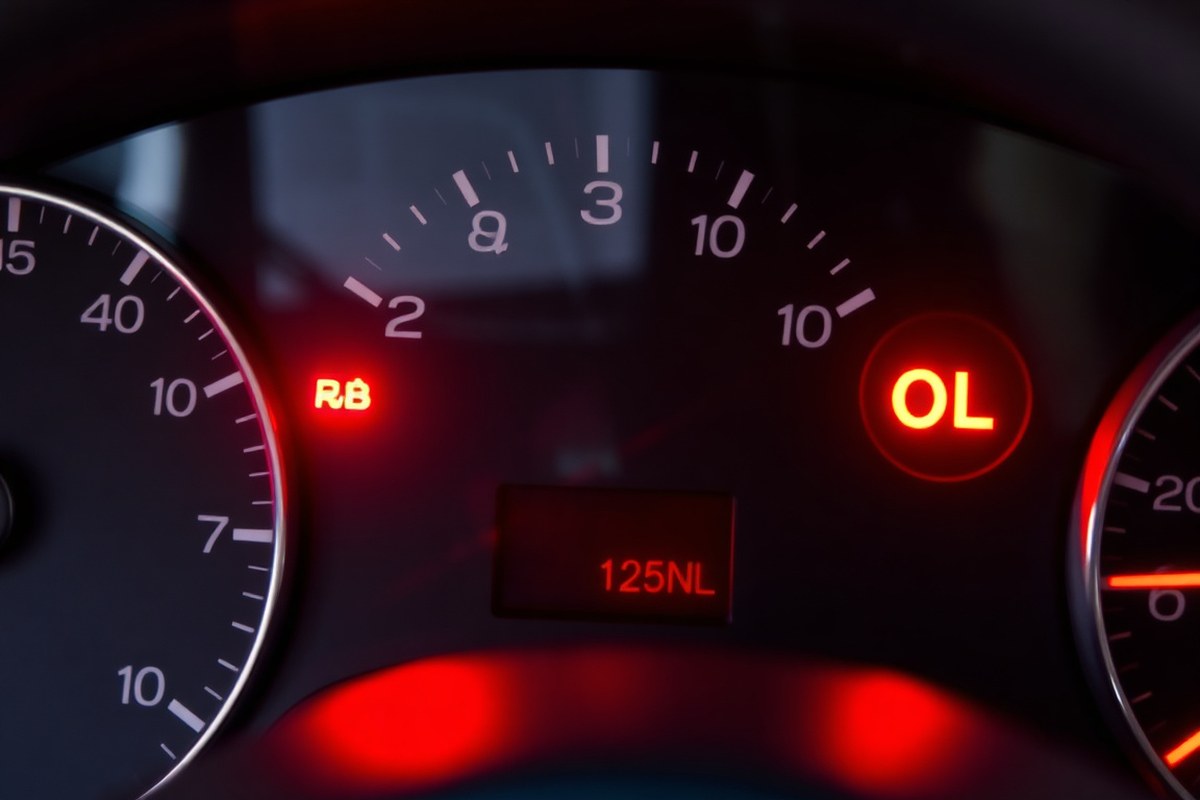
Low oil itself doesn’t directly trigger the check engine light. It can cause problems that sensors detect, like low oil pressure or engine misfires. The light comes on only after these issues arise, not simply because oil is low.
For example, if your oil drops below safe levels, the engine won’t get enough lubrication. Low oil can drop oil pressure in your car. Some cars sense this drop.
They show a check engine light when it happens. In many vehicles, a separate oil pressure light alerts you first. But if your car lacks this, the check engine light might be the only warning.
Low oil pressure and low oil level are related but not the same. Low oil pressure can result from low oil. But it also depends on oil condition and pump health.
Low pressure heats the engine and speeds up part wear. This can cause engine codes to appear. These codes can trigger the check engine light.
Low oil can also cause engine misfires if parts don’t get lubricated well. A misfire sends a clear signal to the engine control unit, lighting the check engine icon. The check engine light may come on from low oil effects.
It does not detect oil level directly. That’s why the link is indirect.
Don’t wait for the check engine light to check your oil level. Use a dipstick regularly, especially every few hundred miles or before long drives. Fixing low oil early costs little, just adding a quart or two of oil.
Ignoring the check engine light can lead to bigger engine problems. Repairs then get more expensive. The light alone is not always early warning.
Understanding the Difference Between Check Engine and Oil Pressure Lights

The check engine light and the oil pressure warning light serve different roles on your dashboard. The oil pressure light, shaped like an oil can, signals issues with oil pressure right away. The check engine light looks for many engine problems.
It can come on long after oil issues begin. This light covers more than just oil problems.
The oil pressure light typically comes on first if there’s low oil pressure. It reacts to pressure changes alone and needs to alert you quickly to prevent damage. The check engine light may turn on later.
Low oil might cause sensor or engine problems. Your car’s computer detects these issues.
| Dashboard Light | Appearance | What It Means | When It Comes On |
|---|---|---|---|
| Oil Pressure Warning Light | Oil can icon, sometimes with a drip | Indicates low oil pressure or oil flow trouble | Comes on immediately when oil pressure drops |
| Check Engine Light | Engine-shaped icon or “Check Engine” text | Indicates engine system trouble, including sensor faults | Lights up after the car’s computer finds an engine issue |
The check engine light can appear without the oil pressure light. This happens when oil level is low or if the problem is not oil pressure. It often means another issue related to oil.
Your car’s computer senses other engine troubles caused by low oil. It can notice these before the oil pressure light activates.
This helps catch problems early. Still, ignoring the oil pressure warning can lead to serious damage.
When either light appears, start by checking your oil level. A dip below recommended levels can lower oil pressure and set off these warnings. Don’t wait to fix oil problems if the oil can symbol shows.
This symbol is your main warning the engine needs oil fast. Act quickly to avoid damage.
Never drive for long after the oil pressure light comes on; immediate action protects your engine.
Symptoms and Signs That Low Oil Is Causing Engine Trouble
Low oil in your engine can cause clear signs before any warning light shows up. Paying attention to noise, smells, and performance changes helps catch problems early. These clues protect your engine from serious damage and high repair costs.
Unusual Engine Noises: Knocking and Ticking
When oil runs low, metal parts don’t get enough lubrication. That causes knocking or ticking sounds as parts rub or hit each other. The louder or more frequent these noises get, the worse it is.
They often show possible engine damage or wear. You should act fast when you hear these sounds.
Listen carefully with the engine running at idle and during acceleration. You hear consistent knocking. Stop driving soon to avoid costly engine failure.
Burning Oil Smell and Exhaust Issues
A noticeable burning oil smell often signals oil leaking onto hot engine parts. You might also spot blue-gray smoke from the exhaust pipe. Both mean oil isn’t circulating properly or is burning inside the engine, causing damage over time.
Look under the hood for oil leaks to check the problem. Check the dipstick to see if the oil is low.
This helps confirm an engine issue. Ignoring this smell risks severe internal engine damage.
Engine Overheating and Temperature Spikes
Oil not only lubricates but also helps cool engine parts. Low oil causes friction that raises engine temperature, visible on the temperature gauge. You might notice the gauge moving into the red zone or steam/smoke from under the hood.
Overheating can quickly damage engine components. Pull over safely once you see temperature spikes and check the oil level promptly.
Performance Drops and Misfires
Low oil affects how smoothly the engine runs. You may feel reduced power, hesitation during acceleration, or misfires. This happens because important engine parts don’t move freely without enough lubrication.
Noticeable sluggishness or shaking during driving is a strong warning to inspect your oil. Delaying oil refill or change can worsen engine wear and increase repair bills.
Early Signs Checklist to Spot Low Oil Problems
Look for these warning signs to catch low oil issues before lights come on:
- Loud knocking or ticking noises from the engine
- Burning oil smell around the engine or inside the car
- Blue or gray smoke coming from the exhaust pipe
- Engine temperature gauge moving into the red zone
- Steam or smoke coming from under the hood
- Reduced engine power or hesitation on acceleration
- Engine misfires or rough running
Checking your oil with the dipstick takes only a few minutes. It just costs the price of oil.
This simple step saves you money later. Regular checks help you spot trouble fast and avoid expensive headaches later.
Key Diagnostic Trouble Codes Related to Low Oil and Oil Pressure
Diagnostic trouble codes (DTCs) reveal specific engine problems when the check engine light comes on. Some codes directly point to low oil or oil pressure issues. Knowing these codes helps decide the right repair steps quickly and correctly.
Common Oil Pressure Codes
Codes like P0520, P0521, and P0522 often appear when the engine detects low oil pressure. P0520 means the oil pressure sensor or switch circuit has a problem. P0521 shows that the sensor’s signal is out of range or inconsistent.
High or low oil pressure can trigger codes such as P0523 or P0524. P0523 points to a stuck high reference voltage in the oil pressure sensor. P0524 means low input in the oil pressure sensor circuit.
The sensor might send a weak signal. This causes the warning.
These codes show if the wiring or sensor has a problem. They can also point to the engine’s oil system. Identifying the right code is critical before replacing parts or adding oil.
What Code P0522 Indicates
Code P0522 stands for “Engine Oil Pressure Sensor/Switch Circuit Low.” It signals that the oil pressure sensor reports pressure below the expected level. This doesn’t always mean low oil quantity, sometimes the sensor or wiring fails.
When P0522 triggers, the computer may reduce engine power or turn on warning lights. Fixing it usually involves checking sensor wiring, replacing the sensor, or confirming proper oil levels. Ignoring it risks engine damage from poor oil flow.
Cost to fix P0522 varies but sensor replacement often runs between $50 and $150 plus labor. Testing wiring with a multimeter prevents unnecessary replacements and limits repair costs.
How to Use a Diagnostic Scanner
Connect an OBD-II scan tool to your vehicle’s diagnostic port under the dash. Turn the ignition to “on” but don’t start the engine. The scanner reads stored trouble codes causing the check engine light.
After scanning, write down any codes shown, including oil-related ones like P0522. Some scanners also give brief code descriptions to help interpret results. Common mistakes include ignoring pending or history codes that hint at intermittent oil pressure dips.
After repairs, clear the codes with the scanner and test-drive the car. The check engine light off means the problem probably fixed itself.
If codes keep coming back, check with a licensed mechanic. The oil pump or engine condition might need inspection.
Immediate Steps to Take When the Check Engine Light Comes on for Low Oil
When your check engine light comes on, suspect low oil. Stop safely. Check the oil level right away.
Driving with low oil risks serious engine damage and overheating. Use the dipstick to measure oil clearly before deciding to add oil or continue driving.
Follow this step-by-step checklist to handle the situation right away and avoid costly repairs. Checking oil level safely means doing it with the engine off and on level ground. Adding oil only makes sense if the level is below the minimum safe mark.
- Park your car on a flat surface. Turn off the engine. Wait at least five minutes.
- Open the hood and find the oil dipstick, usually marked with a bright handle.
- Pull out the dipstick, wipe it clean with a rag, then reinsert it fully.
- Take out the dipstick again. Look at where the oil stops. It should be between the marks.
- Add the recommended oil type in small amounts if below minimum.
- Recheck the dipstick after adding oil to ensure it reaches the safe level.
- Tighten your gas cap while you’re at it, loose caps can trigger the light too.
- Start the engine and watch the check engine light. Stop driving if the light stays red. Call a professional for help.
Low oil levels can trick your engine into running hot, which triggers that warning light. Most cars show a yellow check engine light to warn you to check the problem soon. A red light means stop immediately to avoid severe damage.
Never drive far with oil below the minimum mark. Stop if light stays red.
Risks and Consequences of Driving with Low Oil and the Check Engine Light On
Driving with low oil risks severe engine damage and expensive repairs. Oil keeps engine parts lubricated and cool. Without enough oil, bearings, pistons, and the crankshaft wear down quickly.
The most vulnerable parts are the engine bearings and camshaft lobes. These parts rely on a thin oil film to prevent metal contact. Oil starvation causes overheating and scoring that ruins these components fast.
Ignoring the check engine light and low oil leads to engine seizure in some cases. Repairing damaged bearings and pistons can cost between $1,000 and $4,000 or more. A failed catalytic converter from engine misfires may cost $1,000 to $2,500.
2 | The converter runs very hot. It can crack or melt easily. Oil starvation causes the engine to burn fuel poorly.
3 | Driving with low oil spreads metal shavings and dirt in the engine. This causes more damage over time.
A flashing check engine light often signals a misfire severe enough to harm the catalytic converter. The converter works at high temperatures and can crack or melt when oil starvation causes poor combustion. Replacing it is one of the priciest repairs you might face after ignoring low oil warnings.
Continuing to drive when the oil level is low causes metal shavings and debris to circulate in the engine. This debris damages oil pumps and filters, sometimes costing a few hundred dollars to fix. These smaller repairs add up quickly when you delay oil top-ups or changes.
Timely oil checks and topping off can prevent these issues. Maintaining oil levels within the recommended range helps keep engine temperatures and wear under control. Spending $30 to $70 for oil and a filter now avoids thousands in repairs later.
In engines with tight clearances, low oil pressure can cause damage within minutes during hard driving. Highway speeds or towing loads increase oil demand. So topping off before these conditions helps avoid sudden failure.
Some modern engines warn you clearly. But oil pressure can drop before the check engine light glows.
Replacing an engine after oil starvation failure can cost $4,000 to $7,000 or more. Repair shops may recommend replacement over repair when damage is severe.
Not every engine survives long after the oil runs dry. So watch oil levels and respond to warning lights without delay.
How Regular Oil Maintenance Helps Prevent Check Engine Light Issues
Timely oil changes stop dirt and used oil from harming the engine. Vehicles usually need their oil swapped out between 5,000 and 7,500 miles. Choosing the proper oil helps engine parts move smoothly and sensors stay accurate.
Check your oil level at least once a month with the dipstick. This catches low oil before any dashboard light comes on. Check your oil often.
Thick or dirty oil means it needs a change soon. You don’t have to wait for the miles to add up.
- Change oil and filter every 5,000 to 7,500 miles or as your manual says.
- Use the oil type and grade recommended by your vehicle’s manual.
- Check oil level with the dipstick when the engine is cool and on level ground.
- Top off with fresh oil if the level is low, but don’t overfill.
- Look under the car and engine for leaks during oil checks.
- Keep a maintenance log or app reminder for your oil changes.
- Use high-quality oil filters to protect the engine from debris.
Sometimes extreme heat or cold requires more frequent oil changes. Driving a lot in stop-and-go traffic makes oil break down faster. Your car needs its oil changed sooner under these conditions.
Cheap oil may save money short term. Old oil wears the engine faster.
It can also cause sensor problems. Sensor issues can trigger the check engine light.
Sticking to these oil care steps helps your engine run smoothly. Clean, fresh oil moves easily, lubricating essential parts and protecting sensors.
Fresh oil at the right level helps avoid check engine warnings. This keeps oil-related issues from lighting up your dashboard.
Common Misinterpretations of the Check Engine Light and Oil Issues
Many drivers think a loose gas cap triggers the check engine light. This often causes confusion because the check engine light can come on for many reasons. A loose gas cap usually leads to evaporative emissions errors, not oil problems.
Some confuse the oil pressure light with the check engine light. The oil pressure warning is a separate indicator warning you when oil flow drops dangerously low. This light may turn on even if the check engine light stays off.
It shows a more serious oil lubrication problem. You should act quickly if this light appears.
Ignoring oil pressure warnings is a common, risky mistake. Drivers may assume the check engine light covers all engine problems. This misunderstanding can delay repairs, causing engine damage from insufficient oil flow.
- Loose gas cap causes check engine light for emissions, not oil.
- Oil pressure light warns of lubrication issues; not always linked to CEL.
- Low oil itself rarely triggers the check engine light directly.
- Drivers often ignore oil pressure lights, risking engine damage.
- False sense of security occurs when light stays off after a short drive.
- Check engine light may indicate engine issues caused by low oil.
- Always check oil level separately from dashboard warning lights.
Removing and tightening the gas cap costs nothing but takes just a minute. Fixing oil pressure problems often needs a professional mechanic. The cost usually runs between $100 and $500 or more.
Prices depend on the problem and your car model. Checking oil levels yourself only takes a few minutes with the dipstick under the hood. It’s the quickest step you can take to avoid expensive repairs.
The check engine light warns about engine problems caused by low oil. But not low oil itself.
It’s wise to act on oil pressure light alerts immediately. Make sure you don’t ignore either light, no matter what the check engine light shows.
Always check your oil level if any engine warning shows up. Do this even when the check engine light stays off. Regular oil checks help protect your engine.
When to Seek Professional Help for Low Oil and Check Engine Light Issues
Knowing when to stop driving matters with low oil and check engine lights. You must call a mechanic to avoid damage. Take action quickly to prevent bigger problems.
Some signs mean you should avoid any more driving. Preparing well before your repair visit helps speed up diagnosis and repair.
Signs to Stop Driving Immediately
Stop driving right away when the check engine light appears with low oil warning. This signals a serious engine issue. Keep your car safe by acting fast.
Continuing can cause serious engine damage. Loud knocking noises or smoke under the hood mean stop the engine immediately.
These signs show engine damage may be happening. Don’t ignore these warnings for your safety.
Another sign is a sudden loss of power or rough idling combined with warning lights. These symptoms can indicate severe oil pressure loss or engine wear. Driving in these conditions risks costly repairs or complete engine failure.
Preparing for Your Mechanic Visit
Write down all symptoms and warning lights you see. Note when they appear and under what conditions, like idling or accelerating. This info helps your mechanic diagnose quicker and more accurately.
Bring your vehicle’s maintenance records if you have them. Showing recent oil changes or repairs can speed up the process. Plan to arrive early to allow your mechanic time to run tests and explain fixes.
Common Repairs After Diagnosis
After diagnostics, mechanics often recommend topping off or changing the engine oil. Oil pressure sensors or the oil pump might need replacing when faulty. These parts control oil flow in the engine.
Get a mechanic to check and fix them. These repairs usually cost between $100 and $400 depending on the cause and car model.
Severe cases may involve fixing engine components damaged by low oil. Repair costs rise sharply if engine bearings or pistons are affected. Expect the mechanic to explain all options and give you estimates before work begins.
Step-by-Step Action Plan for Low Oil and Check Engine Light Issues
Follow these steps to handle a check engine light that might be caused by low oil. Use each step to confirm the problem improves or call for help if it doesn’t.
- Immediately: Pull over safely and check the engine oil level with the dipstick. Add oil as your owner’s manual says when the level is below the minimum.
- Within an hour: Restart the car and watch the dashboard. Do not drive much further if the oil pressure or check engine light stays on.
- Same day: Use an OBD-II scanner to check the car’s trouble codes. You can also go to a parts store that scans for free. Write down any codes shown.
- Next day: Visit a mechanic if trouble codes relate to engine timing or oil pressure. Make sure to act quickly to prevent damage. Mention the low oil and lights history.
- Weekly: Keep checking your oil level every week until the problem is solved. This helps ensure your engine stays safe. Keep a record to watch for drops between changes.
- Monthly: Check for oil leaks under the car or on the engine. Look for fresh spots on your driveway or puddles underneath.
- Every oil change: Replace the oil and filter according to the manufacturer’s schedule. Fresh oil helps keep sensors and engine parts working right.
- Ongoing: Pay attention to any new warning lights, noises, or performance issues. Don’t ignore warning signs or delay professional checks.
Frequently Asked Questions
What Are the Common Signs Your Car Might Have Low Oil?
Common signs of low oil include engine noise, overheating, and sluggish performance. You may also notice the oil pressure warning light displays on your dashboard. Checking the dipstick regularly helps catch low oil before serious issues start.
Can Low Oil Damage the Engine If Ignored?
Yes, ignoring low oil can cause severe engine damage. Oil lubricates parts to prevent wear and overheats.
So running low risks friction and engine failure. You should always top off or change oil promptly to avoid costly repairs.
Is It Safe to Drive Long Distances If the Check Engine Light Is On?
Driving long distances with the check engine light on isn’t usually safe. The light shows a problem that could worsen while driving. You should get your car checked before a long trip to avoid breakdowns or damage.
How Can You Distinguish Between the Oil Pressure Light and the Check Engine Light?
The oil pressure light looks like an oil can. It comes on when oil pressure is low. This warns you to check your engine oil.
The check engine light is an engine-shaped icon for various engine issues. Both lights need attention, but oil pressure warns earlier specifically about oil problems.
What Should You Do If the Check Engine Light Comes on but the Oil Level Is Fine?
Check your oil level first. Your check engine light might still come on. Scan your car for trouble codes to find the problem.
The light can signal many issues besides oil, like emissions or sensors. A mechanic can diagnose the exact cause accurately with code reading.
Before You Go
Low oil often triggers the check engine warning. The oil pressure light gives a clearer signal.
Always check your oil level first if a warning appears. Getting a mechanic’s diagnosis soon can save you from expensive engine repairs.