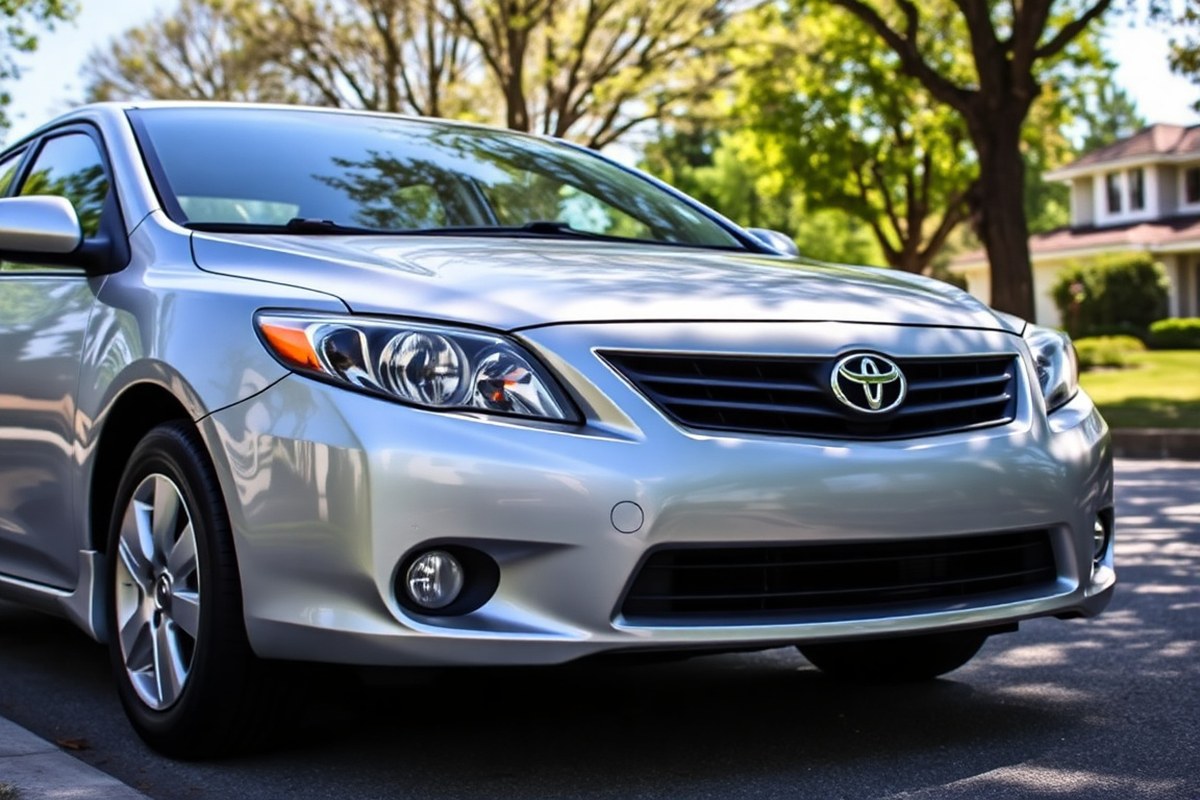
How Many Miles Can a Toyota Corolla Last: A Complete Guide for Buyers and Owners
You’re probably wondering about the mileage for a Toyota Corolla. Typically, a Corolla in good shape lasts around 200,000 to 300,000 miles. Some owners even cross 300,000 miles without major repairs.
Keeping your Corolla well maintained is important. Change the oil every 5,000 to 7,500 miles to protect the engine. Also, inspect brakes, tires, and fluids regularly to avoid expensive fixes.
Driving style plays a big role. Smooth acceleration and braking reduce wear on parts. Sticking to paved roads rather than rough terrain helps protect the suspension and body.
Climate can affect your Corolla’s lifespan too. Extreme heat or cold might speed up parts wearing out. Parking in a garage and washing the car often slows rust and paint damage.
Key Takeaways
- A properly maintained Toyota Corolla typically lasts between 200,000 and 300,000 miles.
- Regular oil changes help keep your engine in good condition. Plan to replace the oil every 5,000 to 7,500 miles. This simple step extends your Corolla’s lifespan significantly.
- Brake pads usually last 25,000 to 60,000 miles depending on driving style.
- Transmission can last up to 200,000 miles with good care and maintenance.
- Toyota Corollas under 100,000 miles, with service history, are generally in excellent condition.
- Harsh driving and poor maintenance lower the Corolla’s lifespan significantly.
How Many Miles Can a Toyota Corolla Last on Average?

A Toyota Corolla usually drives between 200,000 and 300,000 miles. Owners often reach 250,000 miles without big problems. This depends on regular care and typical driving.
Reaching 300,000 miles is common for Corollas, as thousands of owners have proven. Regular oil changes help these cars surpass 200,000 miles. You also need to check fluids and fix issues quickly.
Staying on top of maintenance keeps the car running long. It’s realistic to expect a Corolla to hit 300,000 miles with consistent upkeep.
Some Corollas have gone more than 340,000 miles. Verified reports show drivers using their cars well past 300,000 miles. This shows these cars can last a very long time.
High-mileage examples demonstrate how durable the Corolla can be when treated right. Longevity depends heavily on maintenance, driving conditions, and addressing problems quickly.
Which Toyota Corolla Model Years Are Best for Longevity?

You should look for Toyota Corolla models from 2013, 2016, 2019, or newer. These years have strong records for reliability and fewer major issues reported. Older models, like early 2000 and 2001, had issues.
Their 1ZZ-FE engines used too much oil. This problem was common in those years.
Transmission condition greatly influences a Corolla’s lifespan. The transmission can last up to 200,000 miles but may fail sooner without proper care. Choosing models with reliable engine-transmission combos helps avoid unexpected repairs around 150,000 to 200,000 miles.
| Model Year / Vehicle | Average Lifespan (Miles) | Known Strengths |
|---|---|---|
| Toyota Corolla (2013, 2016, 2019+) | 200,000, 300,000 | Proven reliability, low cost of ownership, wide parts availability |
| Early 2000, 2001 Corolla | Varies; common oil consumption issues | Lower reliability due to engine oil burning |
| Honda Civic | 200,000, 300,000 | Strong engine, good fuel economy |
| Mazda3 | 150,000, 250,000 | Sporty handling, solid build quality |
Choosing Corolla model years known for durability means fewer headaches and lower maintenance costs. Models after 2013 generally have improved engine and transmission designs.
That reduces the risk of costly repairs after 150,000 miles. Always ask for a full maintenance history to confirm parts were serviced on schedule.
Watch for oil consumption in early 2000s Corollas. It can cause major engine damage if ignored.
The right engine and transmission combination also extends lifespan. Some early models used the 1ZZ-FE engine, which burned oil quickly.
Later Corollas have more reliable powertrains with fewer issues. Choosing those model years helps you reach the 200,000 to 300,000-mile range without surprises.
How Does Proper Maintenance Affect Corolla Mileage Lifespan?
Proper maintenance directly impacts how far your Toyota Corolla will go. Sticking to service schedules stops serious damage and saves repair costs. Regular care keeps your Corolla running smoothly and helps it pass 200,000 to 300,000 miles.
Oil Changes and Filter Replacement Intervals
Protect your engine by changing oil every 5,000 to 7,500 miles. Use full synthetic oil and a trusted filter like Toyota’s OEM parts. Skipping oil changes allows dirt and sludge to harm engine components fast.
This routine takes about 30 minutes and costs $40 to $70 at a shop. DIY cuts cost but needs proper tools and disposal of old oil. Regular oil changes improve fuel efficiency and extend engine life greatly.
Transmission and Brake Service Recommendations
The transmission fluid should be changed every 30,000 miles to avoid costly issues. Clean fluid prevents slipping and overheating, important for the Corolla’s long life. Transmission service involves draining old fluid, replacing the filter, and refilling fresh fluid.
Brake inspection matters, too. Rotors can last 70,000 miles but wear varies with driving style. Changing brake fluid on time keeps your brakes working well.
Replacing brake pads regularly stops damage to the rotors. Both steps help maintain reliable stopping power.
- Oil and filter change every 5,000 to 7,500 miles
- Transmission fluid replacement every 30,000 miles
- Brake inspection and pad replacement as needed
- Tire rotation and inflation check every 5,000 miles
- Coolant system flush every 50,000 miles
- Spark plug replacement every 60,000 to 100,000 miles
Following this list keeps your Corolla ready for higher mileage milestones. Ignoring these services speeds up wear and costly repairs.
Tire, Spark Plug, and Coolant Maintenance Tips
Tires need rotation every 5,000 miles to wear evenly, lasting longer and improving gas mileage. Proper tire pressure helps too; check it monthly and before trips. Worn tires hurt handling and safety.
Spark plugs fire fuel efficiently and should be replaced between 60,000 and 100,000 miles. Old plugs cause rough idling and poor fuel economy. A coolant flush every 50,000 miles stops overheating and rust inside the engine.
What Common Problems Can Shorten a Toyota Corolla’s Life?
The most common mechanical issue in Toyota Corollas is transmission wear, especially in automatic models. Early 2000s 4-speed automatics often fail after 200,000 miles if transmission fluid isn’t changed regularly. You’ll notice slipping gears or delayed shifting.
This means you should check the fluid. Plan a repair if needed.
Water pumps tend to fail between 100,000 and 130,000 miles. A failing water pump can cause the engine to overheat, which harms engine parts fast. Replacing the pump costs around $400 to $600.
Spot coolant leaks? Hear whining noises from the engine front? Take care of this right away.
Tires wear out much sooner than other parts, usually lasting 25,000 to 50,000 miles. Driving on old tires reduces safety and harms your driving experience.
Keep an eye on tread depth and uneven wear. Replace tires promptly to avoid damage to suspension components or alignment issues.
Transmission failure can hugely shorten your Corolla’s life if ignored. Fixing a worn transmission may require a rebuild or full replacement, costing $1,500 to $3,000.
It’s often cheaper to maintain it well with fluid changes every 30,000 to 60,000 miles. Small problems like leaks or noises need quick attention to prevent a full breakdown.
Deciding to repair or replace a major component depends on age, mileage, and cost. Cars over 200,000 miles need a water pump or tire replacement. This helps keep your car safe to drive.
However, a worn transmission might cost too much compared to the car’s value. So consider your budget and how long you want to keep the car.
Starter and alternator problems also show up around 150,000 miles. Look for slow engine cranks or dimming lights while idling. Repairs usually cost a few hundred dollars and often save the car from more serious troubles.
Early signs of engine issues include rough idling, unusual noises, or increased oil consumption. Catching these early by regular oil checks helps avoid costly repairs later.
Old spark plugs and dirty filters hurt performance. Swapping these every 30,000 miles keeps the engine running smoothly.
How Long Do Key Corolla Components Last and When to Replace Them?
Brake pads on a Toyota Corolla usually last around 30,000 to 70,000 miles. The exact lifespan depends on your driving style and road conditions. Replacing them early helps avoid rotor damage and costly repairs.
The transmission can often reach 150,000 to 200,000 miles before major work is needed. Regular fluid changes every 30,000 to 60,000 miles prevent premature wear. Ignoring transmission maintenance can lead to shifting problems and pricey rebuilds.
Spark plugs made from platinum or iridium typically last between 60,000 and 100,000 miles. Replacing them on schedule helps maintain engine efficiency and prevents misfires. Old spark plugs cause rough idling and lower fuel economy.
Tires last roughly 25,000 to 50,000 miles, depending on type, driving habits, and road surfaces. Check tire tread and air pressure every month. Worn tires reduce traction and risk blowouts.
| Component | Typical Lifespan (miles) | Recommended Replacement Interval |
|---|---|---|
| Brake Pads | 30,000, 70,000 | Check every 10,000 miles, replace when < 3mm thickness |
| Transmission | 150,000, 200,000 | Fluid change every 30,000, 60,000 miles |
| Spark Plugs | 60,000, 100,000 | Replace at specified mileage, usually 60k, 100k |
| Tires | 25,000, 50,000 | Check tread monthly; replace if below 2/32 inch |
Testing brake pad thickness means removing a wheel or using a gauge through spokes. Pads measuring under 3 millimeters mean you should replace them now. Brake jobs usually cost between $150 and $300 per axle.
Change transmission fluid by draining and refilling with manufacturer-recommended fluid. This can cost around $100 to $250. Watch for slipping and harsh shifting.
These signs show fluid might be old. The transmission could also be wearing out.
Spark plug replacement requires removing and swapping each plug with the right type. Prices range from $100 to $200 depending on parts and labor. Fresh plugs revive spark strength and help fuel burn cleaner.
Rotate tires every 5,000 to 7,000 miles to even out wear. Replace tires when tread depth is less than 2/32 inch.
A penny test can help check this. New tires improve grip and can cost $400 to $600 for a set.
Never ignore strange noises or poor performance. Those symptoms often signal worn parts needing replacement.
Is It Worth Buying a High-Mileage Toyota Corolla?
Buying a high-mileage Toyota Corolla can make sense if you check it carefully first. Most consider 100,000 miles high mileage, but some Corollas go well past 200,000 miles. You should inspect key parts and watch for high repair costs before deciding.
Mileage Thresholds and What They Mean
For many cars, hitting 100,000 miles marks the start of high mileage. Corollas are known to last well beyond 200,000 miles with good care.
So that is often the true high-mileage mark. Past this point, parts wear out faster, and repairs may become more frequent and costly.
Once a Corolla hits 200,000 miles, expect some components to need replacement soon. This includes the timing belt or chain, suspension parts, and possibly the transmission.
Knowing the maintenance history shows how well the car was cared for. This helps you judge the vehicle’s condition better.
Key Inspection Points Before Buying
Look for signs of regular service to avoid early costly repairs. Check the engine oil, transmission fluid, and coolant for clean and proper levels. A thorough test drive can uncover noises, rough shifting, or suspension problems.
- Engine: No knocking sounds, smooth idling, no leaks
- Transmission: Smooth shifts, no slipping or slipping delays
- Suspension and brakes: Little play or noise, effective braking
- Rust: Inspect underbody, wheel wells, and door sills
- Electrical: All lights, windows, and sensors working well
- Tires: Even wear and decent tread depth left
- Maintenance records: Recent oil changes, belt replacements, and major repairs documented
It’s wise to get a mechanic’s inspection before you buy. This will catch hidden issues that could mean expensive repairs later. Well-maintained Corollas with clear service records are safer bets at high mileage.
When to Walk Away from a High-Mileage Deal
Turn down the deal if repairs will cost more than the car’s worth. Serious leaks, engine knocking, or transmission problems are red flags. Also avoid cars with incomplete or no maintenance history at this mileage.
High-mileage Corollas with severe rust or suspension damage should be skipped. Harsh noises or poor handling during the test drive could mean repairs soon.
These issues might cost a lot to fix. Sometimes paying a little more for a lower-mileage, cared-for Corolla saves money in the long run.
How Does the Toyota Corolla Compare to Other Compact Cars?
The Toyota Corolla lasts longer and costs less to maintain than many rivals. It often outpaces the Honda Civic, Hyundai Elantra, and Ford Focus in reliability. These differences matter because lower upkeep means more savings over time.
The Corolla and Civic are neck and neck for reliability. The Corolla costs about $362 per year for maintenance.
The Civic’s yearly maintenance is close, about $368. Both have engines known for lasting several hundred thousand miles with routine care.
The Hyundai Elantra costs nearly $90 more yearly to maintain. The Ford Focus maintenance runs around $569 a year, over $200 more than the Corolla. Those extra expenses can add up, especially buying and running an older car.
| Car Model | Average Annual Maintenance Cost | Reliability Rating (out of 5) | Known for High Mileage Lifespan |
|---|---|---|---|
| Toyota Corolla | $362 | 4.5 | Yes |
| Honda Civic | $368 | 4.4 (approx.) | Yes |
| Hyundai Elantra | $452 | 3.9 (approx.) | No |
| Ford Focus | $569 | 3.5 (approx.) | No |
The Corolla stands out for its low maintenance costs and strong longevity reputation. The E120 model’s 1ZZ-FE engine is especially durable. While the Civic is a close competitor, the Corolla still edges out in overall ownership comfort.
High mileage records back up the Toyota’s durability claim, reaching farther than many in its class. The Focus and Elantra have shorter average runs and higher service needs. This shows why the Corolla remains a top pick for long-term use.
What Driving Habits and Conditions Affect Toyota Corolla Longevity?
Aggressive driving, like hard braking and rapid acceleration, cuts the Corolla’s life short. It puts extra strain on the engine and transmission, causing parts to wear faster. Smooth driving, especially on highways, reduces stress on your car and helps reach higher mileage.
Salt used on roads in winter causes rust on your Corolla’s frame and undercarriage. This rust often becomes severe between 150,000 and 200,000 miles, weakening the car’s structure. Washing salt off your car frequently and applying rust protection slows damage and extends its life.
Extreme weather affects longevity too. Very hot or cold climates challenge the engine and fluids, making parts age faster. Rough, bumpy roads can wear suspension and tires quickly, increasing repairs and lowering lifespan.
- Drive gently: avoid quick starts and hard stops
- Wash your Corolla thoroughly after winter salt exposure
- Apply rust-proof coatings in salty or humid areas
- Store the car in a garage during extreme weather
- Choose smooth roads when possible to protect suspension
- Keep tires properly inflated for better wear resistance
- Use correct oil and fluids that suit your climate
Frequent washing after winter drives is key to preventing costly rust repairs.
A Corolla with 180,000 miles mostly on highways is better off. Stop-and-go driving wears cars faster. So, 100,000 miles in traffic may be worse.
Avoiding aggressive driving and road salt saves on early repairs and keeps the car strong longer. Your Toyota will last much longer if you manage how and where you drive it.
Tips to Prolong the Life of Your Toyota Corolla
Keeping your Toyota Corolla running longer means a solid plan. Watch for small issues early. Stick with regular maintenance.
Daily care and periodic checks help avoid pricey repairs. You’ll want simple routines that fit your schedule and catch trouble before it grows.
Regular Maintenance Habits to Adopt
Change oil every 5,000 to 7,500 miles using the oil type Toyota recommends. Also, check coolant, brake, and transmission fluids every month or every 1,000 miles.
Replace your air filter every 15,000 miles to keep your engine breathing well. Check the timing belt or chain near 90,000 miles. A failure can cause big engine damage.
Stay ahead by scheduling this in time. Keep tires properly inflated to the pressure printed on the driver door jamb. It saves gas and reduces wear.
- Oil change at 5,000, 7,500 miles with recommended oil
- Fluid level checks monthly or every 1,000 miles
- Air filter replacement every 15,000 miles
- Timing belt or chain inspection near 90,000 miles
- Maintain correct tire pressure
- Rotate tires every 6,000 to 8,000 miles
- Brake inspection every 12,000 miles or yearly
Rotating tires every 6,000 to 8,000 miles prevents uneven wear. Check brakes yearly or around 12,000 miles to spot worn pads early. These habits add up to fewer breakdowns and better mileage performance.
Early Warning Signs to Monitor
Listen for unusual engine sounds like knocking or ticking. These can mean lubrication issues or worn parts.
Also, watch for dashboard warning lights, especially the check engine light. Don’t ignore even brief appearances.
Notice changes in how your car drives, such as pulling to one side or rough idling. These hints often mean alignment or engine tune-up needs.
Keep an eye on fluids leaking under your car, especially oil or coolant. Catching leaks early avoids serious damage.
Mistakes That Harm Longevity and How to Avoid Them
Skipping oil changes wears engines out fast. Using the wrong oil causes serious harm. Keep on top of your oil care.
Using cheap or incorrect parts for repairs can cause early failures. Avoid those shortcuts and stick to parts labeled for Toyota Corollas.
Letting minor repairs slide until they worsen usually leads to costlier problems. For example, ignoring brake noise can ruin rotors and increase repair bills. Driving hard, with rapid acceleration and heavy braking, also wears components faster and lowers lifespan.
Stay on your maintenance schedule even if the car feels fine. Preventive care costs are far lower than repair bills after a breakdown. Spending a few hundred dollars yearly helps your Corolla last longer.
Regular effort keeps it running past 200,000 miles. This investment pays off.
Step-by-Step Action Plan to Maximize Your Toyota Corolla’s Mileage
This quick plan helps keep your Corolla running past 200,000 miles. Follow these simple steps to catch problems early and protect your engine.
- Right Now: Check your owner’s manual for maintenance schedules. Know when to do oil changes and inspections.
- Within the First Week: Replace engine oil and filter if overdue. Clear oil helps prevent engine wear.
- Month 1: Inspect tires, brakes, and fluid levels. Fix small issues like worn brakes quickly to avoid bigger repairs.
- Every 5,000 Miles: Rotate tires and check tire pressure. Even wear extends tire life and improves fuel economy.
- Every 30,000 Miles: Change spark plugs and air filters. This keeps fuel burning efficiently and avoids engine misfires.
- Every 60,000 Miles: Inspect timing belt if your model has one. Replace it before wear causes engine damage.
- Annually: Look for leaks, listen for unusual noises, and examine belts and hoses. Catching these issues early lowers repair costs.
- When Buying Used: Get a full inspection by a trusted mechanic. Confirm maintenance history and spot hidden problems.
Frequently Asked Questions
Can a Toyota Corolla Last 500,000 Miles?
Yes, some Toyota Corollas have reached 500,000 miles with great care. This requires regular maintenance and addressing issues promptly to avoid major repairs.
How Many Miles Is Too Much for a Used Toyota Corolla?
A Corolla with over 200,000 miles can still be reliable if well maintained. Check the service history to spot good upkeep before buying.
What Toyota Corolla Years to Stay Away From?
Older models made before 2003 sometimes have less durability and more issues. Focus on Corollas from 2003 or later for better reliability.
What Is the Highest Mileage a Toyota Corolla Can Have?
The highest recorded mileage for a Corolla is about 340,000 miles. Owners achieving this usually follow strict maintenance schedules.
How Often Should I Replace My Toyota Corolla’s Timing Belt?
Replace the timing belt every 60,000 to 100,000 miles, depending on your model. Check your owner’s manual to avoid engine damage.
The Bottom Line
Your Toyota Corolla can easily last hundreds of thousands of miles with care. Small, regular maintenance steps make a big difference. Start by checking your owner’s manual for maintenance guidelines.
Watch key parts like brakes and fluids carefully. This helps your car run well for many years.


