What Does Neutral Mean in a Car: A Complete Guide with Safe Usage Tips
Neutral in a car means the engine is disconnected from the wheels. In this gear, the car can roll freely without engine power moving the wheels. This works the same in both manual and automatic transmissions.
Neutral lets the wheels move on their own. So the car won’t go forward or backward. You use it when pushing your car or during an automatic car wash.
However, neutral doesn’t hold the car in place. So use the brake or parking gear to stop it.
You must know when to use neutral safely and when to stay in drive or park. For example, don’t coast downhill in neutral because you lose engine braking and control. Knowing how neutral works helps protect your car and keeps you safe.
Key Takeaways
- Neutral disconnects the engine from the wheels so the car rolls freely.
- Use neutral when pushing the car, during automatic car wash conveyor rides, or approved towing.
- Neutral doesn’t prevent the car from rolling. Always apply the brake or park gear to stop.
- Coasting downhill in neutral is unsafe and illegal in some states, like California.
- Keep your foot on the brake and stay in drive when stopped at a red light.
- Check your manual before flat towing; some automatics can be damaged in neutral.
What Does Neutral Mean in a Car and How It Works

Neutral gear in a car means the engine is disconnected from the wheels. When you shift to neutral, the engine runs without moving the vehicle’s wheels. This allows the car to roll freely, whether it has a manual or automatic transmission.
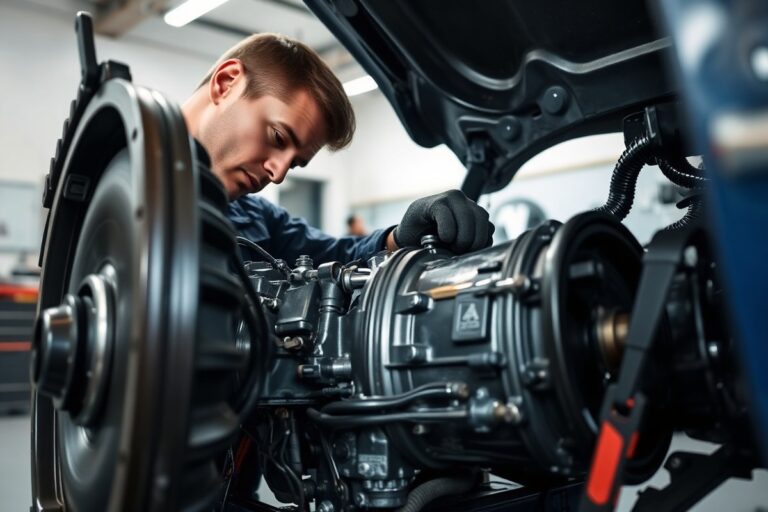
Inside the transmission, neutral works by breaking the mechanical link between the engine and the drivetrain. In a manual car, shifting to neutral moves the gearbox. None of the gears then engage the engine to the wheels.
In an automatic car, the transmission disengages clutches or bands. This disconnects engine power from the driveline.
Both manual and automatic transmissions use neutral to stop power from reaching the wheels. This lets you push the car or tow it safely. You can also let it roll in car washes.
Neutral does not stop the car from moving on slopes. It doesn’t lock the wheels like park gear.
Neutral gear lets the engine run. You can start the car in neutral for both transmissions. While in neutral, pressing the accelerator won’t send power to the wheels.
So the car won’t move forward or backward. Neutral simply pauses the connection. So the engine speed and wheel speed don’t affect each other.
Sometimes problems in automatic cars can prevent proper neutral function. Looseness inside the transmission can stop the car from starting. Faults with the neutral safety switch cause shifting problems.
Manual transmissions rarely have these problems. Shifting to neutral physically separates engine from wheels.
Neutral isn’t the same as park. Neutral lets the wheels spin freely. Park locks them to stop the car from rolling.
Hold the brake or parking brake when stopped in neutral. This keeps the car still, especially on hills.
Using neutral properly keeps your controls clear. It can stop power from driving the wheels when needed.
Key Differences Between Neutral and Park in Automatic Cars

Neutral and park differ in handling the car’s wheels. Park locks the transmission, stopping any wheel movement. Neutral separates the engine power, so wheels move freely unless brakes are on.
Park gear uses a mechanical lock inside the transmission. This lock physically stops the drivetrain from turning. Because of this, park alone can hold the vehicle still without any extra help.
Neutral has no such lock. So the car can move if you don’t use the parking brake.
| Feature | Park Gear | Neutral Gear |
|---|---|---|
| Transmission Lock | Yes, locks the drivetrain and wheels | No, transmission is disconnected |
| Vehicle Movement on Slope | Will not roll (even without brake but use brake for extra safety) | Will roll freely unless brake/parking brake is applied |
| Is Parking Brake Needed? | Recommended especially on slopes | Essential to prevent rolling |
| Starting Engine | Engine starts allowed | Engine starts allowed |
| Towing or Maintenance | Usually avoid Park to prevent damage | Used to allow wheels to roll freely |
Parking in neutral without setting the parking brake risks your car rolling down a hill. Always use the parking brake if you must leave your car in neutral. This adds the needed safety to prevent accidents or damage.
Neutral helps when towing or pushing the car. It allows the wheels to roll easily. This makes moving the car simpler without engine power.
Use park for everyday parking because it locks the wheels. This locking lowers the risk of the car rolling away.
Park keeps the car steady on slopes or flat ground. Using park with the parking brake is the best way to keep your vehicle secure.
Never leave your car in neutral on a slope without applying the parking brake first.
When and Why to Use Neutral Gear Safely
When to Use Neutral During Long Stops
Neutral gear helps relieve foot pressure during long traffic jams or waits. If you’re stuck in a drive-thru for over 10 minutes, shift to neutral. This stops your foot from pressing the brake constantly.
It also helps prevent overheating your brakes. This prevents tiredness from holding the brake pedal nonstop while keeping the car still.
Keep the parking brake engaged when in neutral on slopes or longer stops. This stops the car from rolling accidentally. Using neutral like this isn’t required for short stops but is handy in extended waits.
Using Neutral in Emergencies
In emergencies like unintended acceleration, shifting to neutral can cut engine power softly. This lets you focus on braking without the engine driving the wheels. Some cars won’t start while in Park.
In this case, you can shift to neutral to move safely. This helps get your car off the road.
Remember, shifting into neutral while moving may stress transmission parts. Use this method only to regain control or slow the car in a true emergency.
How to Shift into Neutral Safely
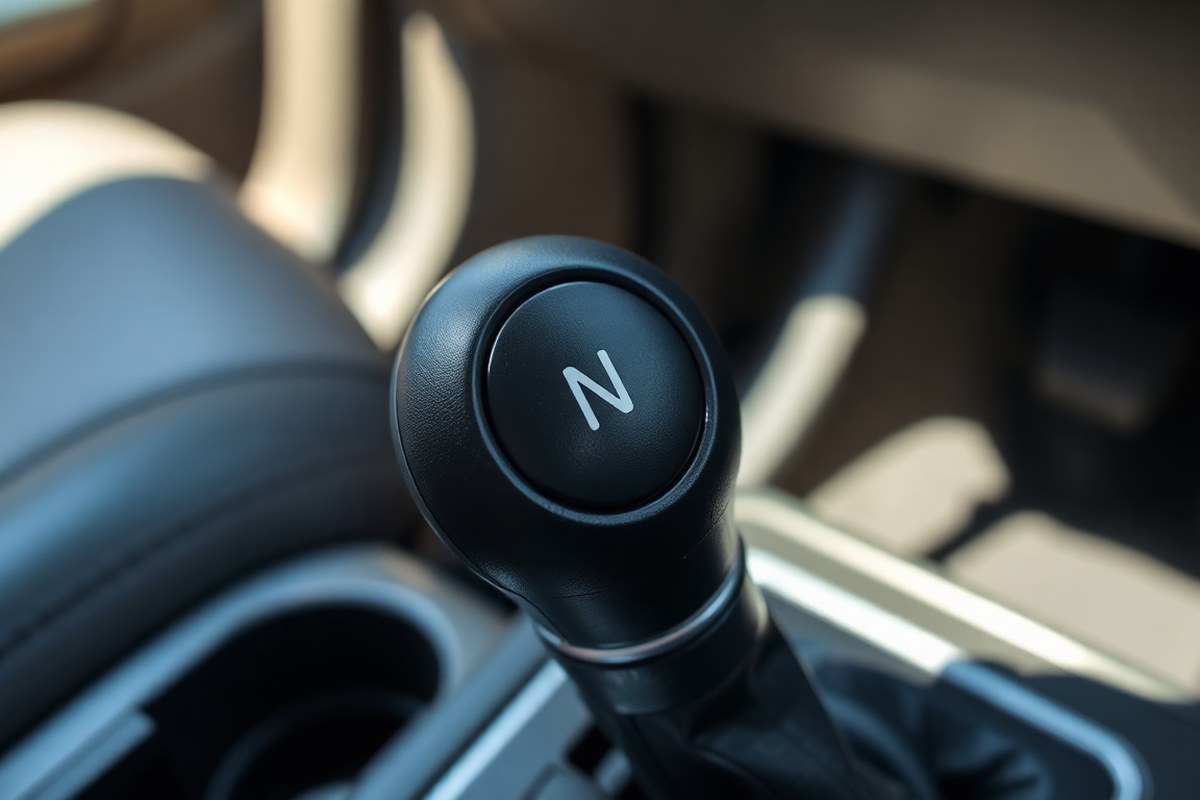
To shift into neutral, firmly press the brake pedal first. Then move the gear lever to the neutral position, usually marked “N.” On a manual, press the clutch fully before shifting.
Practice finding and shifting into neutral with the engine off. This helps you do it smoothly later during traffic stops or emergencies. Always confirm the car holds still before removing your foot from the brake.
When Not to Use Neutral While Driving
Avoid shifting into neutral to save fuel while driving. Modern engines reduce fuel automatically when coasting in gear. Shifting neutral can make driving less safe by cutting your control over the car.
When you move in neutral, the engine won’t brake the car. This means your brakes do more work, causing wear.
Tires can wear out faster too. Keep your car in drive unless stopping for a long time or handling an emergency.
Scenarios to Shift into Neutral
Neutral gear fits several common practical tasks. It eases pushing the car, moving it short distances, or clearing a lane. Here’s a quick list of good times to use neutral:
- When stuck in a driveway and needing to push the car
- During long holds in traffic jams or drive-thrus
- In emergencies to cut power without stalling
- When the engine won’t start in Park, to move safely
- To rest your foot during extended stops, combined with the parking brake
Using neutral in these ways helps protect your car and your comfort. Shift back to drive or first gear carefully before moving again.
How to Use Neutral Gear When Towing, Pushing, or in a Car Wash
Using neutral gear lets your car roll without engine power. It’s essential for towing, pushing, or riding a car wash conveyor. Follow clear steps to avoid damage and stay safe.
Shifting to Neutral for Towing Procedures
To tow a car properly, putting it in neutral disconnects the engine from the wheels. This prevents drivetrain damage and lets the car roll freely behind the tow vehicle. You need to stay inside and keep the brake ready to control speed.
- Press the brake pedal firmly to stop the car completely.
- Shift the gear lever from Park or Drive into Neutral (N).
- Release the brake slowly to ensure the car rolls without resistance.
- Keep your hands on the steering wheel and stay alert for signals from the tow operator.
- Follow the towing company’s instructions for speed and lane changes.
- Apply brakes as needed to keep control and avoid sudden stops.
- After towing, shift back to Park before turning off the engine.
Using Neutral Safely While Pushing Your Car
Pushing a car in neutral lets the wheels turn freely with no engine power. You should stay inside the car to control the brakes and steering. Use hazard lights to alert others when pushing on a road or parking lot.
- Sit in the driver’s seat and keep the seatbelt fastened.
- Shift the gear lever to Neutral (N) to free the wheels.
- Turn on your hazard lights to increase visibility to others.
- Have helpers push the car gently at walking speed.
- Use the brake pedal to control speed and stop if needed.
- Keep steering straight and avoid sharp turns during pushing.
- Stop pushing before shifting the car back into Drive or Park.
Neutral Gear in Automated Car Washes
Most automated car washes require you to shift into neutral. This lets the conveyor’s belt pull your car through the wash without engine help. Stay inside the car.
Keep your hands steady. Be ready to brake at the exit.
- Stop your car where the car wash operator or signs instruct you.
- Shift your gear lever into Neutral (N) to disengage the drivetrain.
- Keep your foot off the accelerator and your hands on the wheel gently.
- Stay seated and let the conveyor move the car through the wash.
- Watch for the exit point and prepare to press the brake pedal.
- Shift back into Drive once the wash is complete and you can move.
Is It Safe to Shift to Neutral While Driving?
Shifting to neutral while driving can be safe in emergencies but has risks. It disconnects the engine from the wheels.
So you won’t accelerate without pressing the gas. This helps if the gas pedal sticks or if you need to slow down gently.
You can still steer and brake in neutral. Steering remains responsive, so you can guide your car to safety. Brakes work normally but they lose engine braking.
Without it, brakes wear faster. They can also heat up quicker and lose effectiveness.
Coasting in neutral, especially downhill, is risky. Without engine braking, your car can pick up speed fast.
This reduces control and reaction time, raising the chance of accidents. Some places, like California, even ban coasting downhill in neutral by law.
Sudden shifts into neutral while moving might damage the transmission’s torque converter. This part of the system handles power transfer smoothly, but abrupt disengagement stresses it. That can cause costly repairs beyond normal wear and tear.
For manual cars, shifting to neutral is easy. It helps if the car stalls. You also need it to push the car safely.
In those cases, it’s useful to ease stress on the engine and transmission. Shifting to neutral to save fuel rarely works in modern cars.
It also lowers your control of the vehicle. Better avoid doing this while driving.
Avoid coasting in neutral downhill. It removes engine braking and can lead to brake failure.
Does Using Neutral Save Fuel or Protect the Transmission?
Putting your car in neutral doesn’t save gas when stopped or coasting. Modern fuel-injected engines cut fuel entirely when you lift off the gas in gear. In neutral, the engine still idles and uses fuel to stay running.
Coasting downhill in neutral feels like it saves fuel, but it doesn’t. When you coast in gear without pressing the gas, the engine briefly stops injecting fuel. This is called “engine braking” and actually uses less fuel than idling in neutral.
Neutral also isn’t safer for your transmission during regular driving. Not being in gear means the transmission isn’t engaged, but it doesn’t reduce wear. Shifting to neutral can add more strain on the transmission.
It changes how the transmission handles engine power. This may increase wear over time.
Engaging neutral while moving isn’t a good way to protect your transmission. The car in neutral only sends engine power to keep the engine running. When in gear, the engine works with the transmission to control power efficiently, reducing overall wear.
Neutral can cause harm in some cases. Coasting in neutral means no engine braking, which makes it harder to slow down. This is risky when driving downhill.
Your brakes work extra hard then. They can overheat and lose effectiveness.
To save fuel, stay in gear while driving. Lift your foot gently off the gas. This helps keep control and saves gas.
The engine control system will cut fuel to the engine during coasting. So you save gas automatically. Try to avoid shifting into neutral while driving unless you need to for towing or pushing.
How Neutral Gear Affects Engine Start and Emergency Situations
You can start your car in neutral, but many automatics require park first. Neutral lets the engine spin without moving the car. It also helps in emergencies like a stuck accelerator.
Neutral Gear Role in Starting the Engine
Neutral allows the engine to start without engaging the transmission. This means the wheels stay still while the engine runs. You can start most manual cars only in neutral.
Automatic cars usually need to be in park, but neutral can work. This can help if the park gear is damaged or the transmission won’t shift. Still, park is safer because it locks the transmission.
Starting in neutral works by disconnecting power to the wheels. This avoids moving the car unexpectedly when the engine fires up.
Understanding the Neutral Safety Switch
The neutral safety switch stops you from starting the car unless it’s in park or neutral. It prevents accidents from sudden car movement at start-up. When your car won’t start in either gear, the switch might be faulty.
This switch is usually on the transmission or gear selector linkage. Replacing a bad one costs about $100 to $300, depending on the car. Fixing it keeps your car’s safety features working properly.
Always test if the car starts only in park or neutral. This simple check helps spot problems before they cause risks on the road.
Using Neutral in Accelerator or Brake Emergencies
Neutral cuts power to the wheels if the accelerator gets stuck. Shifting to neutral stops the car from speeding up without braking. This is one proper reason to use neutral while driving.
In a brake failure, shifting to neutral is the wrong move. Instead, downshift to slow the car using engine braking. Neutral won’t help you stop if the brakes fade or fail.
Should your accelerator stick, here are the steps to take:
- Shift the car to neutral immediately to disconnect power.
- Apply brakes firmly to slow the vehicle.
- Turn on hazard lights to alert other drivers.
- Find a safe spot to pull over and stop.
- Turn off the engine once stopped.
- Call for professional help instead of driving further.
Using neutral safely in emergencies means acting fast and calmly. It can prevent accidents when the gas pedal gets jammed. Remember that neutral helps roll the car freely, like when stuck in snow or being pushed.
Common Neutral Gear Myths and Mistakes to Avoid
Coasting in neutral to save fuel is a common myth. Modern cars cut fuel supply when you lift your foot off the accelerator in gear. So, shifting to neutral doesn’t reduce fuel use.
It also decreases your control since the engine isn’t engaged to help slow the car. This can be risky, especially going downhill.
Many people think putting the car in neutral is a safe way to park on hills. That’s not true. Neutral means no gear is engaged.
So the car can roll if the parking brake fails. Always use “Park” and the parking brake together to keep your car secure on a slope. Neutral should not replace these safety steps.
Using neutral gear by itself won’t damage your transmission. However, shifting in and out of neutral while driving can cause wear if done carelessly.
For automatic cars, avoid shifting to neutral when moving at high speeds. Manual transmissions also aren’t designed for frequent neutral shifts while driving.
- Don’t coast downhill in neutral; keep the car in gear.
- Never shift to neutral at traffic lights to save gas.
- Always use Park plus parking brake when parking on hills.
- Shift out of neutral smoothly to avoid transmission wear.
- Use neutral only when the car is stopped or being towed/pushed.
- Avoid neutral for sudden stops or emergency maneuvers.
- Consult your car’s manual for specific neutral gear advice.
Neutral does not replace the parking brake or gear locking when parked. It’s best for temporary stops or certain towing situations, not for driving itself.
Using neutral properly helps protect your car and keeps driving safer. Misusing it can lead to accidents or damage that costs you time and money.
Never rely on neutral alone to slow or stop your car. Keep full control by staying in gear when driving.
Essential Safety Tips and Precautions Using Neutral Gear
Neutral gear lets your car roll freely without engine resistance. You must prevent unintended rolling on slopes by using the parking brake firmly. Always set the handbrake before shifting to neutral, especially on hills or inclines.
Supporting the parking brake with wheel chocks adds an extra safety layer. Place them behind the wheels on a downhill or in front on an uphill. This simple step reduces accident risks and helps you keep control when parked in neutral.
Neutral does not hold your car in place like park mode. Avoid leaving your vehicle in neutral on a slope without brakes. Doing so can lead to dangerous rollaways, which can cause damage or injury.
In stop-and-go traffic, shifting to neutral can reduce stress on the transmission. However, never do this on a busy road without using the brake first. Always keep your foot on the brake pedal when the car is in neutral and stopped.
Using neutral gear properly helps keep your transmission healthy. Driving while shifting to neutral repeatedly or at high speeds can cause wear. To protect your transmission, only use neutral when the vehicle is stopped or moving very slowly.
When towing or pushing a car, neutral lets the wheels spin freely. But always double-check the handbrake is off before moving the vehicle this way. Improper use of neutral during towing could cause damage or accidents if the car unexpectedly rolls.
Shift to neutral during automatic car wash cycles to prevent damage. This ensures your vehicle goes through cleaning cycles consistently. A car in a drive gear may collide with other vehicles queued in the car wash.
Don’t shift into neutral while driving to save fuel or reduce engine load. This practice can reduce control and delay your reaction time in emergencies. Keep the car in drive unless you plan to stop or tow safely.
Step-by-Step Action Plan for Using Neutral Gear Safely
Follow these steps to understand and use the neutral gear correctly. This will help you avoid common mistakes and keep your car safe.
- Before driving: Locate the neutral gear position in your car’s manual or automatic transmission. Check that the gear lever moves freely without resistance to confirm the neutral slot.
- Starting your car: Shift to neutral when starting the engine if your car requires it. You’ll see the engine turn on smoothly without the car moving.
- In daily driving: Use neutral only when you are stopped. Use it if your car needs to coast briefly during an emergency. Observe that the RPM drops and the car disengages from the wheels.
- When towing or pushing: Put the transmission in neutral before moving the car. This applies to manual pushing or towing situations. Ensure the wheels can turn freely without engine resistance.
- At a car wash: Put the car in neutral when driving through an automatic car wash. Confirm the car rolls smoothly without stalling or jerking.
- When stopping: Use park instead of neutral for parking on slopes or for longer stops. Check that the parking brake holds the car steady.
- After driving: Always return to park before switching off the engine. Verify the vehicle does not roll when the ignition is off.
Frequently Asked Questions
Can You Shift to Neutral While Going Uphill?
You can, but the car will roll back without engine braking. Use the handbrake to prevent rolling and shift carefully.
Does Neutral Gear Protect the Transmission from Wear?
Neutral does not protect transmission parts during driving. It just disconnects engine power but gear teeth still engage inside.
Is It Okay to Leave a Car in Neutral on a Slope?
No, neutral lets the car roll freely downhill or uphill. Always use park and the parking brake on slopes.
How Does Neutral Affect Fuel Consumption When Idling?
Neutral does not reduce fuel consumption when idling compared to drive. Modern engines manage fuel efficiently regardless of gear.
Can Neutral Gear Help with Engine Overheating Issues?
Neutral won’t lower engine temperature by itself. Use neutral only to avoid stalling, then address the overheating problem safely.
Wrapping Up
Neutral gear disconnects the engine from the wheels but should be used carefully. Use it only when needed, like starting the engine or towing. Always follow your car’s manual and stay safe on the road.