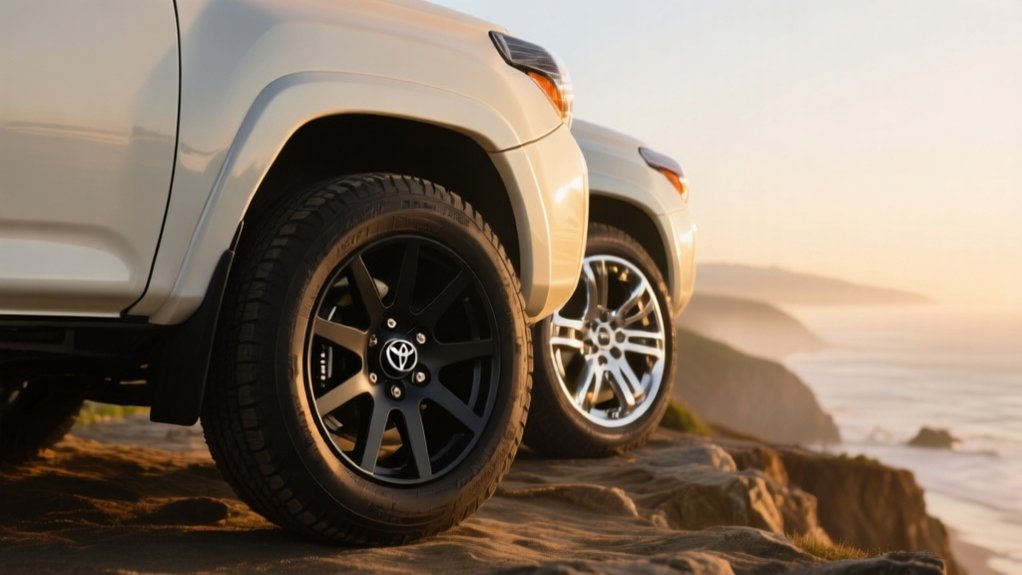
What Rims Look Good On A 4runner – Everything to Know
When choosing rims for your 4Runner, aim for 17 to 20-inch sizes with a 6×139.7 mm bolt pattern. This size range fits well without needing major modifications.
Consider rim offset carefully. Positive offsets (+10 to +25 mm) improve stability. Negative offsets give a wider stance but might cause rubbing.
Match your rims with the right tires for either off-road adventures or street driving. Prioritize quality by choosing original equipment or trusted brands like TRD or Fuel Offroad.
Finally, keep your rims properly maintained to ensure they last and perform well. Paying attention to these details will help you make the best choice.
Key Takeaways
- Standard Toyota 4Runner rims range from 17 to 20 inches with a 6×139.7 mm bolt pattern for optimal fit and performance.
- Positive offset (+10mm to +25mm) improves steering and stability, while negative offset offers a wider, aggressive stance.
- Pair off-road all-terrain tires with durable rims and maintain matching rim diameter for best handling and fitment.
- Choose original rims for better quality, durability, warranty coverage, and resale value over replica alternatives.
- Recommended brands include TRD, Fuel Offroad, Method Race Wheels, Baja Designs, and Black Rhino for style and strength.
Choosing the Right Rim Size for Your Toyota 4Runner
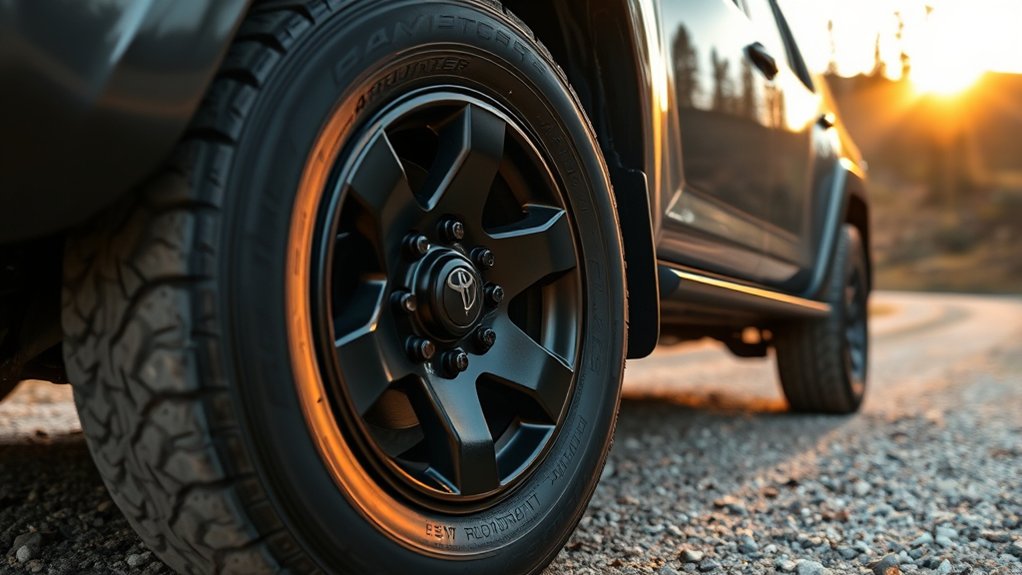
When choosing the right rim size for your Toyota 4Runner, you should consider the standard range, which typically spans from 17 to 20 inches depending on your model and trim. Selecting the appropriate rim size is essential to maintain vehicle performance and aesthetics.
You also need to verify that the bolt pattern matches your 4Runner’s specifications, usually 6×139.7 mm, to ensure a safe and proper fit. While larger rims can make your vehicle look better, they might require suspension or fender modifications to prevent rubbing during turns or off-road driving.
Another factor to think about is the rim’s weight and material. Lighter alloys can improve fuel efficiency and handling. Balancing these factors will help you pick a rim size that looks good and functions well without sacrificing safety.
How Rim Offset Affects Performance and Appearance
You should get a handle on what rim offset is — basically, it’s the distance between the wheel’s mounting surface and its centerline. This small detail can have a big impact on your 4Runner’s handling and stability.
If you go with a higher positive offset, the wheel gets pulled inward, which can make steering feel more responsive. But it also narrows the track width, so keep that in mind. On the flip side, a negative offset pushes the wheel outward, giving your vehicle a more aggressive stance. That looks great, but it might affect how your 4Runner handles corners.
All these changes don’t just influence how your vehicle performs; they also change its look. So, choosing the right offset is really about finding that perfect balance between style and function.
Understanding Rim Offset Basics
Since rim offset directly influences both the handling and appearance of your 4Runner, understanding its basics is essential before selecting new wheels. Rim offset is the distance between the wheel’s mounting surface and the wheel’s centerline.
A positive offset means the mounting surface is closer to the wheel’s outer edge. This helps maintain a factory-like stance and supports better steering response. Typically, 4Runner rims have an offset ranging from +10mm to +25mm, balancing aesthetics and functionality.
Choosing the correct rim offset guarantees proper clearance for brakes and suspension parts, preventing tire rub during turns. This balance also affects how wide or narrow your wheels sit relative to the vehicle, shaping your 4Runner’s look and fitment without compromising essential component clearance.
Impact On Vehicle Handling
Although rim offset might seem like a minor detail, it plays a crucial role in how your 4Runner handles and looks on the road. Offset determines the wheel’s position relative to the suspension and wheel wells, directly impacting handling.
A positive offset moves the wheel inward, often enhancing steering response and stability but can reduce wheel well clearance. On the other hand, a negative offset pushes the wheel outward, improving traction and cornering stability but increasing the chance of rubbing against fenders or suspension components.
Choosing the right offset also influences tire wear. An improper offset may cause uneven tire contact, leading to premature wear. For your Toyota 4Runner, selecting the appropriate rim offset balances ideal ride quality with performance, ensuring your vehicle handles safely and efficiently.
Visual Changes With Offset
Three key visual changes happen when you adjust the rim offset on your 4Runner, and each one affects both how it looks and how it performs.
First, a positive offset pushes the wheels closer to the vehicle’s body, giving a tighter, more stable stance. But it might limit tire clearance a bit.
Second, a negative offset pushes the wheels outward, widening the track and giving your vehicle a more aggressive, rugged look. This also boosts off-road capability.
Third, changing the offset impacts the overall profile. Wider offsets create a sportier, more commanding presence.
Sticking within the +15mm to +30mm range usually gives a good balance between appearance and handling.
Keep in mind, changing the offset might require alignment adjustments to keep everything running smoothly. When choosing your rims, think about both how they look and how they’ll affect performance.
Matching Rims and Tires for Off-Road and Street Use
Choosing the right combination of rims and tires for your Toyota 4Runner means balancing off-road ability with street performance.
For off-road use, go with all-terrain tires like the BFGoodrich All-Terrain T/A KO2. Pair these with durable rims that have a positive offset between +10 to +30 mm for better clearance and stability.
A rim diameter of 17 to 20 inches is ideal to keep everything performing at its best.
On the street, lower-profile tires on stylish rims, like TRD wheels, boost handling and look great without sacrificing comfort.
Make sure your tire size matches your rim diameter to avoid fitment issues.
Matching rim colors such as gunmetal or black with your 4Runner’s body enhances the overall look.
Popular Rim Styles and Colors for the 4Runner
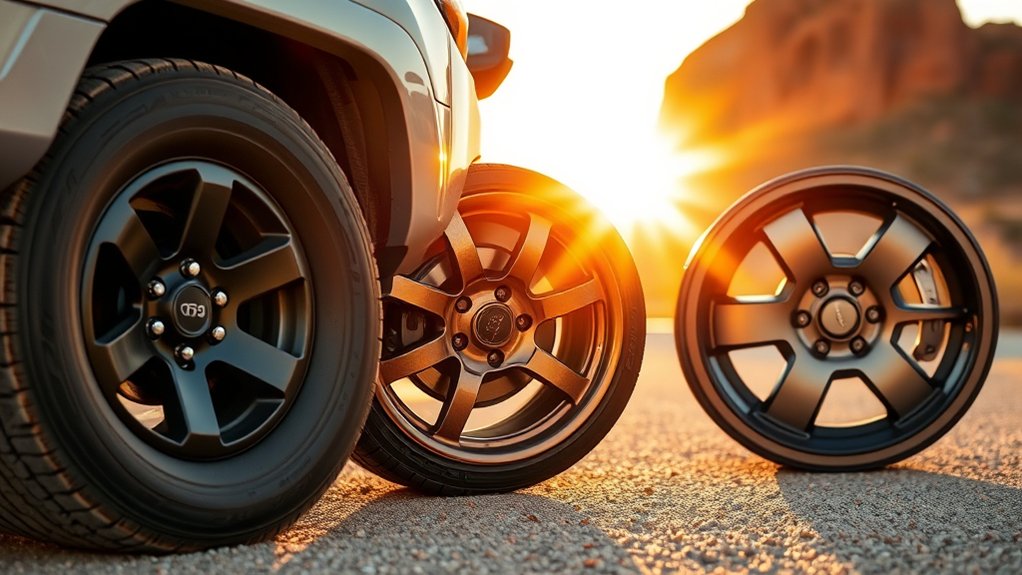
Rim styles like TRD wheels and Fuel Offroad wheels stand out for their durability and visual appeal on the Toyota 4Runner. These popular options, along with various aftermarket choices, enhance both looks and performance.
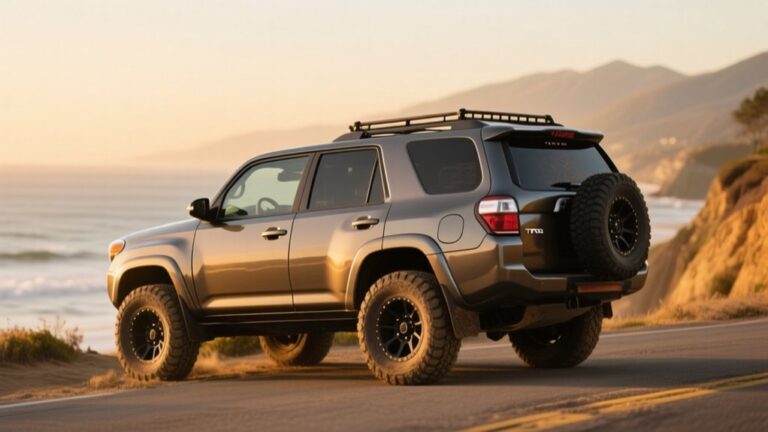
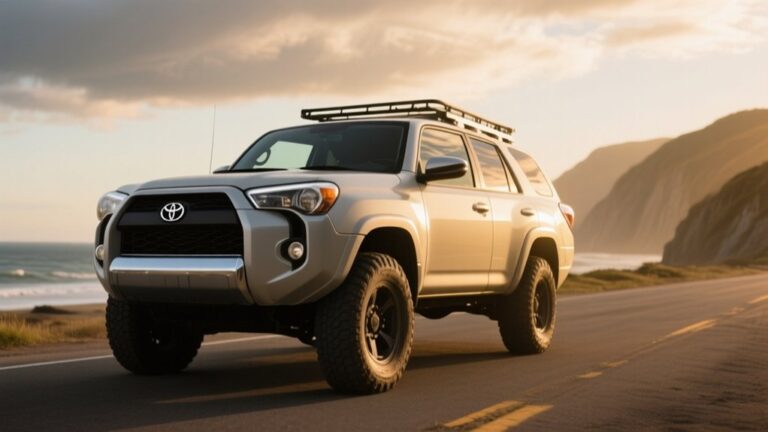
You’ll often see 4Runner rims in matte black, gunmetal gray, or polished aluminum. Each finish offers a unique style that complements the vehicle’s rugged design.
Most enthusiasts prefer rims between 17 and 20 inches in diameter. This range balances style and functionality, especially when fitting larger tires.
Customization options like beadlock rims and distinctive finishes let you personalize your 4Runner while boosting off-road capability.
Rims with a positive offset improve clearance and handling, making them a practical choice for both street driving and trail adventures.
Why Quality Counts: Original vs. Replica Rims
When you’re picking out rims for your 4Runner, it’s a good idea to think about the real deal versus the replicas. Original rims are made with higher-quality materials and go through strict testing, so they tend to perform better and keep you safer on the road.
On the other hand, replica rims might seem like a cheaper option at first, but they can come with some risks. They often don’t fit quite right, and their structural integrity isn’t always up to par, which could lead to problems down the line.
Authenticity And Durability
Durability and authenticity are key when choosing rims for your 4Runner, especially when deciding between original designs and replicas. Authentic rims are made with high-quality materials and go through thorough testing to ensure they meet strict standards.
This means they fit your vehicle perfectly, which helps with handling and ride quality. When you pick genuine rims, you’re investing in a product designed specifically for your 4Runner’s performance and style.
Replica rims might look tempting because they’re cheaper, but their durability and authenticity can vary a lot. This could compromise your vehicle’s reliability over time.
Choosing reputable brands not only boosts your 4Runner’s rugged look but also comes with warranties and customer support. This gives you extra confidence in your purchase.
In the end, authenticity and durability are what make for a safe, stylish ride you can trust.
Risks Of Replica Rims
While it’s tempting to save money by choosing replica rims, you should be aware of the risks involved. Replica rims often lack the quality and durability of original rims, which can raise security concerns. They tend to use lower-grade materials, increasing the chance of cracks or bends.
Originals undergo strict testing to ensure safety and compliance. Using replicas might also void your warranty or insurance, putting your security at risk. Plus, original rims can actually boost your vehicle’s resale value, unlike replicas.
| Aspect | Original Rims |
|---|---|
| Quality | High, tested rigorously |
| Durability | Strong, long-lasting |
| Safety Compliance | Meets all industry standards |
| Warranty Impact | Maintains coverage |
| Resale Value | Increases vehicle value |
Choosing originals means prioritizing safety and long-term reliability.
How to Choose the Best Rims for Your Needs
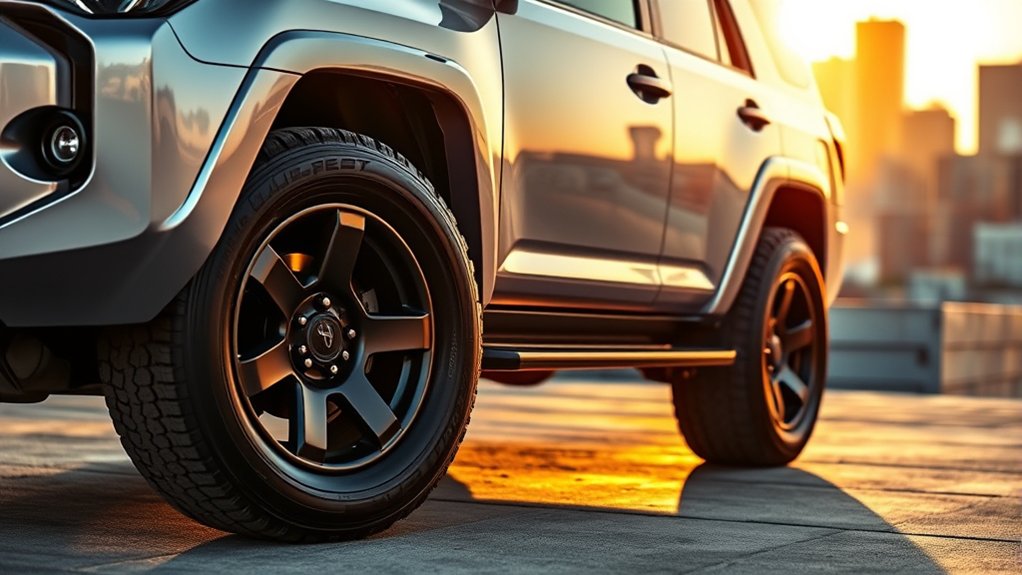
Choosing the best rims for your Toyota 4Runner means thinking about a few important factors to get the perfect balance of performance and style.
Start by checking the bolt pattern. Your 4Runner uses a 6×139.7 mm pattern, so make sure the rims match this for a proper fit.
Next, look at the offset. A positive offset can improve handling and give your vehicle a better stance, making it look more aggressive.
Rim diameter usually ranges from 17 to 20 inches. Larger sizes give a more rugged, bold look without sacrificing ride comfort.
Choose lightweight materials like aluminum alloy. They help boost fuel efficiency and overall performance.
Finally, pick a design that matches your 4Runner’s off-road personality. This way, your rims will be both functional and stylish.
Top Rim Brands Recommended by 4Runner Owners
When you’re picking out rims for your 4Runner, you’ll notice that brands like TRD, Fuel Offroad, and Method Race Wheels are often top choices among owners. They’re popular because they strike a good balance between quality and style, making them a solid pick whether you’re going for the look or the performance.
It’s also worth thinking about the difference between genuine products and replicas. Authentic rims tend to be more durable and fit better, so they last longer and keep your vehicle running smoothly. Whether you lean toward TRD’s factory options or want to explore aftermarket brands, sticking with trusted names ensures you get the best performance and a great look for your ride.
Popular 4Runner Rim Brands
If you want rims that combine durability, style, and off-road capability, several brands stand out among 4Runner owners. These popular rim brands deliver excellent performance and have earned loyal followings for their quality and design.
TRD Wheels are known for their strong build and performance heritage tied to Toyota Racing Development.
Fuel Offroad offers rugged designs favored by off-road enthusiasts seeking both style and function.
Method Race Wheels are lightweight yet strong, making them ideal for tough terrains where performance matters.
Baja Designs delivers unique styling without sacrificing off-road reliability.
Black Rhino Wheels features aggressive looks and robust construction, perfect for bold 4Runner setups.
Choosing any of these brands guarantees rims that perform well and look great on your 4Runner.
Quality Versus Replica Wheels
Although replica wheels may seem like a budget-friendly option, many 4Runner owners prefer quality brands such as TRD, Fuel Offroad, and Method Race Wheels for their proven durability and superior performance. Quality rims maintain proper offset, which is essential for alignment and handling, especially in off-road conditions.
Replica wheels, while affordable, often raise concerns over safety and long-term reliability. This can compromise your 4Runner’s 4×4 capabilities. Community feedback consistently emphasizes matching wheel specifications to your vehicle’s needs to ensure peak performance.
Many owners also favor finishes like gunmetal or matte, which enhance the 4Runner’s rugged look. Choosing quality over replica means investing in wheels designed specifically for your vehicle, providing peace of mind and maintaining both aesthetics and function.
TRD And Aftermarket Options
Since durability and style are top priorities for 4Runner owners, TRD wheels are a favorite choice. They combine rugged design with reliable performance, making them a go-to option.
If you’re curious about alternatives beyond TRD wheels, several aftermarket brands offer great options that match your 4Runner’s adventurous vibe.
When choosing rims, keep these points in mind:
- Fuel Offroad and Method Race Wheels are popular brands known for unique styles and finishes.
- Positive wheel offset is key to keeping your 4Runner aligned and handling properly.
- Gunmetal and matte gray finishes are trending, giving your vehicle a tough, stylish look.
- Quality matters—stay away from replica wheels that might lack performance reliability.
TRD wheels strike a good balance of looks and durability, tailored specifically for your 4Runner.
These options ensure you get rims that perform well and look great on your vehicle.
4Runner Rim Maintenance and Cleaning Tips
Maintain your 4Runner rims by regularly washing them with a gentle soap solution to remove dirt and brake dust. This helps prevent corrosion and keeps their appearance sharp.
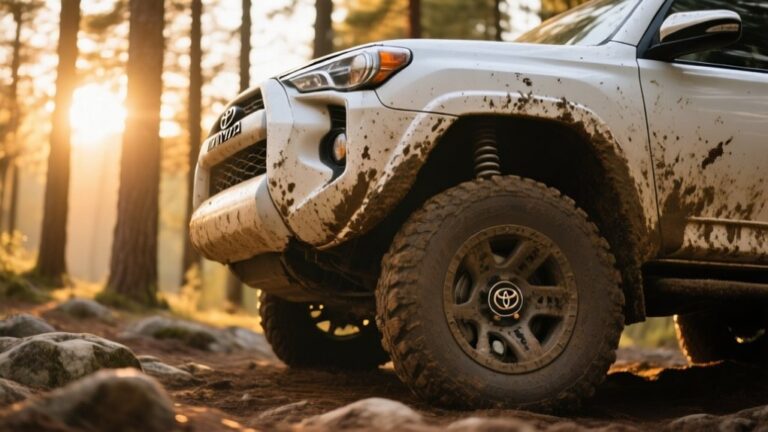
Use a soft brush or microfiber cloth during cleaning to avoid scratching polished or painted surfaces. After off-road trips, inspect your rims carefully for damage or bending, as rough terrain can weaken them.
Applying a protective sealant or wheel-specific wax can repel dirt and make future cleaning easier. Also, remember to rotate your tires regularly and check rim alignment to promote even wear.
Doing these simple maintenance and cleaning tips will keep your 4Runner’s rims looking great and performing well over time.
Rim Installation Essentials for Your Toyota 4Runner
Selecting and installing the right rims on your Toyota 4Runner means paying attention to details like offset, bolt pattern, and weight rating.
The offset affects both handling and how the rims look, so choose carefully. Proper installation is key for safety and performance.
Make sure the rim’s bolt pattern matches your 4Runner’s 6×139.7 mm specification.
Opt for rim sizes between 17 and 20 inches to suit your tires and driving style.
Check that the rim’s weight rating supports your vehicle, especially if you’re into off-road adventures.
Use the correct lug nut torque, usually around 83 ft-lbs, when installing new rims.
Double-check the offset to ensure it works well with your 4Runner’s suspension and wheel well clearance.
Get Inspired: Favorite Photos and Community Picks
When you browse community forums and social media groups dedicated to Toyota 4Runners, you’ll find a lot of photos showing different rim styles that can inspire your customization ideas. Favorite photos often feature TRD wheels for their rugged look and Fuel Offroad wheels for a bold stance, showing what the community prefers.
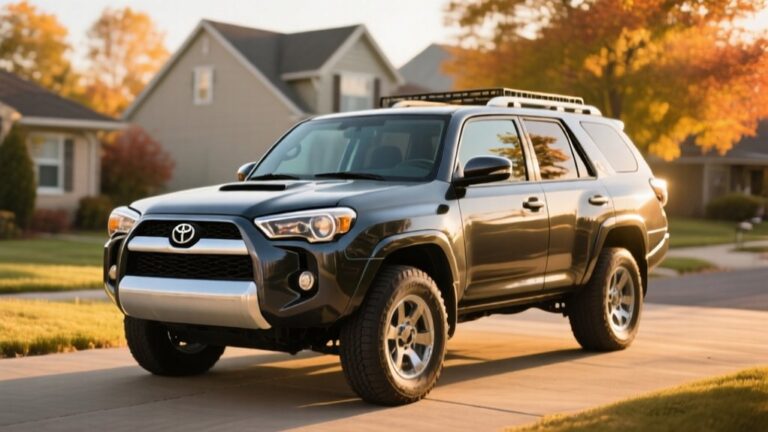
Many users focus on rim color, especially gunmetal and matte gray finishes, which look great on black Limited models and help create a sleek look. Discussions also highlight wheel size and offset because they’re key to balancing style and performance.
Sharing unique rim setups sparks inspiration and practical advice, helping you visualize how different styles can change your 4Runner’s appearance. These curated images and expert tips make it easier to choose options that match your style and needs.
Frequently Asked Questions
Can I Use Rims From Other Toyota Models on My 4runner?
Yes, you can use rims from other Toyota models on your 4Runner, but you need to check compatibility first. Make sure the bolt pattern matches, which is usually 6×139.7mm.
Also, verify the center bore size and ensure the offset and backspacing won’t affect your handling. It’s important to get these details right for a proper fit.
Don’t forget to confirm the load rating to safely support your vehicle’s weight. Proper fitment and safety are key when swapping rims between models.
How Do Rims Impact My 4runner’s Fuel Efficiency?
Rims can make your 4Runner feel like it’s dragging a mountain if they’re too heavy or wide. Lighter rims cut down overall weight, helping your engine use less fuel. Wider rims increase rolling resistance, which hurts fuel efficiency, especially with wider tires.
Aerodynamic designs reduce drag, which improves mileage. Also, keeping tire pressure ideal on your rims minimizes resistance. Choosing quality rims and tires together can boost fuel economy by up to 10%.
Are There Any Legal Restrictions on Rim Sizes for the 4runner?
Yes, there are legal restrictions on rim sizes for your 4Runner that vary by state or country.
You’ll need to make sure your rims don’t go far beyond the factory specs, since oversized rims might require modifications and could impact registration.
It’s important to check local laws because some places enforce penalties for non-compliance.
Also, any rim changes must not interfere with your vehicle’s braking system or safety features to stay road-legal and safe.
What Are the Signs That My Rims Need Replacing?
You need to replace your rims if you see visible cracks, bends, or warping because these can compromise safety.
Excessive rust or corrosion is also a sign that it’s time for new rims.
If your tires wear unevenly or you feel vibrations while driving, it’s a good idea to inspect your rims.
Frequent air pressure loss can also indicate rim damage.
After hitting potholes or curbs, have your rims checked to avoid hidden issues that could affect your car’s performance and safety.
Can Aftermarket Rims Affect My 4runner’s Warranty?
About 30% of warranty claims get denied due to aftermarket modifications like rims. Yes, aftermarket rims can affect your 4Runner’s warranty if they cause performance or safety issues.
If the rims are larger than the recommended size or have an offset that’s outside specs, Toyota might deny coverage. Problems with alignment and suspension caused by aftermarket rims can also be a red flag.
Always check your warranty terms and talk to your dealer before upgrading your rims. Doing so can help you avoid unexpected costs and keep your vehicle in compliance with the warranty.
Conclusion
Choosing the right rims for your 4Runner isn’t just about looks. It’s also about performance, durability, and style. From size and offset to matching tires, every detail matters.
Whether you like classic chrome or matte black, quality rims ensure safety and longevity. Investing in trusted brands and proper maintenance keeps your ride ready for any adventure.
You don’t need to rely on a horse and buggy here. Upgrade wisely, and your 4Runner will turn heads on every trail and street.